TL;DR

Get cleaning gear delivered free — and shop member deals
- Fast, free delivery on millions of items
- Access to Prime Big Deal Days deals on October 6–7
- Prime Video, Amazon Music and more included
You can significantly cut plastic waste by reusing containers, choosing concentrates, and replacing disposables with durable tools. Small changes add up to a more sustainable cleaning routine.
Imagine your cleaning cupboard—filled with bottles, wipes, sponges, and single-use plastics. What if you could shrink that mountain of waste with just a few simple shifts? The good news: reducing plastic in your home cleaning setup isn’t about buying everything new, but about making smarter choices with what you already have and what you buy next.
This guide walks you through practical ways to cut down on plastic, from reusing bottles to choosing concentrated formulas. These small, intentional steps can make a big difference for your wallet, your home, and the planet.
Use up existing cleaning products before replacing them to avoid unnecessary waste.
Opt for concentrated formulas and refill systems to cut down on packaging volume and waste.
Replace disposable wipes and paper towels with washable, durable cloths that last for years.
Read labels carefully—don’t fall for vague eco-claims—focus on materials, certifications, and full lifecycle impacts.
Always prioritize safety: store concentrates properly, label clearly, and follow manufacturer instructions.
How to Reduce Plastic in Your Cleaning Cupboard
The smartest cupboard is not rebuilt overnight. Use what you own, buy fewer products, refill durable containers, choose concentrates, and replace disposable tools only when they wear out.
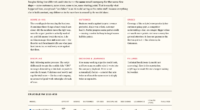
Six changes that make the cupboard lighter
Start with purchasing habits, then improve packaging and tools. The goal is less material moving through the home—not a cupboard full of newly bought “green” products.
Use up what you own
Finish safe, usable products before replacing them. An existing bottle becomes waste sooner when it is discarded half full.
Remove duplicates
Dish soap, laundry detergent, an all-purpose cleaner, and a necessary specialist disinfectant can cover many homes.
Stop shipping water
Tablets, powders, bars, and concentrated liquids can reduce packaging volume and transport weight. Measure exactly.
Keep the bottle working
Refill shops, bulk dispensers, and returnable systems extend container life. Confirm that each bottle suits the formula.
Choose durable tools
Use washable cloths, reusable mop pads, and sturdy brushes with replaceable heads after current tools wear out.
Track what leaves
Count bottles, pouches, and wipe packs for a month. A visible baseline shows whether a swap truly reduces waste.
The low-plastic purchase flow
Run every replacement through the same sequence. The earliest decision—whether to buy at all—usually carries the greatest benefit.
Check the cupboard
Is a suitable product already open?
Define the task
Can one multi-purpose formula do it?
Choose less material
Compare concentrate, refill, and bulk formats.
Verify the claim
Read materials and local disposal rules.
Use it completely
Dose correctly, maintain, refill, and repeat.
Refill pouch or reusable bottle?
Neither format wins automatically. Compare material, reuse frequency, transport, maintenance, and what your local waste system actually accepts.
| Feature | Refill pouches | Reusable bottles |
|---|---|---|
| Typical material | Laminated film using less material than many rigid bottles | Plastic, glass, or metal designed for repeated use |
| Waste advantage | ✓ Lower packaging weight per refill | ✓ Longer service life when reused consistently |
| Recycling reality | ~ Mixed films are often excluded locally | ~ Depends on material and end-of-life collection |
| Cost pattern | Lower entry cost, with recurring pouch purchases | Higher initial cost, often cheaper over many refills |
| Practical demand | Store, pour carefully, and dispose as instructed | Refill, clean, label, inspect, and maintain |
| Best choice when | The pouch replaces substantial rigid packaging and has a valid disposal route | The same container will be safely reused many times |
Decision rule: “Recyclable” does not mean “recycled.” Local collection, sorting capacity, contamination, and material composition determine the real outcome.
Prioritize by waste avoided
This relative scale is a practical decision aid, not a universal life-cycle calculation. Household habits and local systems can change the result.
Where to focus first
Prevention sits above disposal: refuse unnecessary products, reduce consumption, reuse durable items, then recycle what remains.
Think beyond the package
A lighter-looking material is not automatically lower impact. Follow the product through its entire life and ask where the real burdens occur.
Keep safety at the center
Plastic reduction should never compromise secure storage, correct dosing, child-resistant packaging, or necessary disinfection.
Start by Using Up What You Already Own
The easiest step to cut plastic waste is to finish what’s already in your cupboards. Empty bottles, half-used sprays, and leftover cleaning products are not waste until they’re gone. Use them safely and avoid discarding perfectly good containers.
For example, if you have a bottle of multi-surface cleaner that’s half full, use it for a few more cleaning sessions before switching to a greener alternative. This prevents unnecessary waste and gives you time to plan more sustainable swaps.
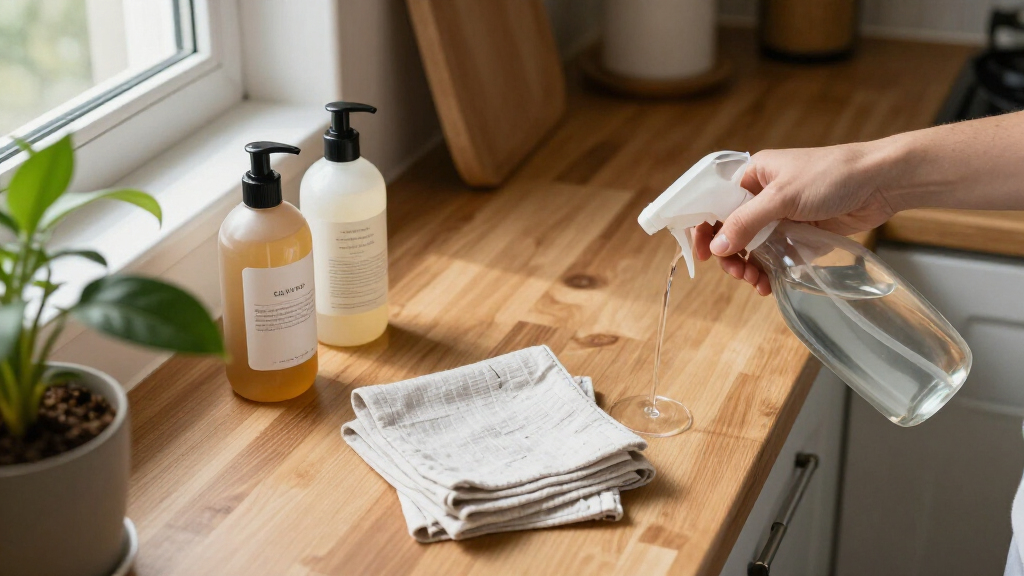
Once empty, assess if the container is reusable or recyclable in your area. Reuse can be as simple as refilling with your own homemade or bulk-purchased solutions, extending the life of each bottle.
As an affiliate, we earn on qualifying purchases.
Limit Duplicates and Focus on Multi-Purpose Products
Having too many cleaners is a common trap. It’s tempting to buy specialized products, but most cleaning tasks can be handled with a few versatile options. Simplifying your lineup reduces packaging and waste.
For example, a good all-purpose cleaner can tackle kitchen grease, bathroom grime, and even some stains. Pair it with an eco-friendly dish soap and a natural disinfectant for most chores. This approach cuts down on duplicates and unnecessary plastic bottles.
Choosing multi-purpose products also means fewer containers to store, transport, and dispose of, which reduces overall plastic consumption and environmental impact. However, it’s important to recognize that some tasks require specialized cleaners, so balance versatility with effectiveness for your needs.
concentrated all-purpose cleaner refills
As an affiliate, we earn on qualifying purchases.
As an affiliate, we earn on qualifying purchases.
Switch to Concentrates and Refillable Systems
Choosing concentrated cleaning products is a game-changer for reducing plastic. These formulas use less packaging, weigh less during transport, and last longer. You dilute only as much as needed, cutting down on waste and overuse.
For example, instead of buying a 750ml spray bottle of cleaner, opt for a tablet or powder that makes 2-3 liters of solution. This means fewer bottles to produce, ship, and discard. Using refillable spray bottles means you can top up from bulk or refill stations, which significantly reduces your overall plastic footprint. The tradeoff is that concentrates require proper storage and measuring, but the environmental benefits outweigh these minor inconveniences.
washable microfiber cleaning cloths
As an affiliate, we earn on qualifying purchases.
As an affiliate, we earn on qualifying purchases.
Compare Refillable and Reusable Options in a Simple Table
| Feature | Refill Pouches | Reusable Bottles |
|---|---|---|
| Material | Often laminated films, some recyclable in certain areas | Plastic, glass, or metal bottles designed for multiple uses |
| Environmental Impact | Less material than single-use bottles but variable recyclability | Longer lifespan, less waste over time |
| Cost | Lower upfront, but ongoing pouches needed | Higher initial cost but cheaper long-term |
| Convenience | Easy to store and pour, some with resealable caps | Requires refilling, cleaning, and maintenance |
As an affiliate, we earn on qualifying purchases.
Choose Durable Tools to Cut Disposable Waste
Replace disposable sponges and wipes with washable, long-lasting tools. Think sturdy microfiber cloths, cellulose sponges, and brushes with replaceable heads. These tools can last for years with proper care.
For instance, swap out a pack of disposable wipes for a set of washable cloths. They work just as well for everyday cleaning and save countless plastic packs over time. Plus, they don’t shed microplastics when washed properly.
Investing in durable tools also means you can avoid frequent purchases of single-use items, which often come with excessive packaging and environmental costs. The tradeoff is initial investment, but the long-term savings and waste reduction are substantial.
Limit Disposable Wipes and Paper Towels
Most disposable wipes contain synthetic fibers and are often thrown away after a single use. Instead, use washable cloths for almost all cleaning tasks. They’re hygienic, durable, and cut down on waste.
For example, keep a stash of microfiber cloths in your kitchen and bathroom. When dirty, toss them in the laundry. This simple switch can eliminate dozens of plastic-packaged wipes annually, significantly reducing plastic waste and microplastic shedding from wipes, which can be harmful to aquatic life and ecosystems.
Of course, save disposable options for situations where hygiene is critical, like in medical settings or certain food prep areas. Recognizing when disposables are truly necessary helps balance convenience with sustainability.
Learn to Read Materials and Labels Carefully
Many products claim to be “eco,” “biodegradable,” or “plastic-free,” but these terms lack standard definitions. Always check the packaging for specific information about material, disposal, and certifications. This helps you avoid greenwashing and ensures your choices genuinely reduce environmental impact.
For example, look for labels indicating recycled content, compostability under industrial conditions, or refillability. When in doubt, research the brand’s claims to verify their environmental assertions. Understanding these labels allows you to make more informed decisions, avoiding products that may appear sustainable but are not truly eco-friendly, which can lead to misplaced trust and unintended environmental harm.
Think About the Full Life Cycle of Your Cleaning Products
Plastic reduction isn’t just about packaging; it’s about the entire life cycle. Manufacturing, transportation, use, and disposal all matter. For example, glass bottles are durable and recyclable but have a higher carbon footprint during production and transport than lightweight plastics. Choosing materials with lower overall environmental impacts can make a significant difference.
Similarly, concentrates reduce packaging volume but require proper dilution and storage. Considering how long a product lasts, how often it needs replacing, and how it is disposed of helps you make smarter choices. Reusing packaging, selecting durable materials, and opting for products designed for longevity are critical strategies to minimize environmental harm across the entire product lifecycle.
Keep Safety Front and Center While Greening Your Clean
Reducing plastic should never compromise safety or hygiene. Store concentrates securely, label reusable bottles clearly, and follow manufacturer instructions. Never mix cleaning products, especially bleach and acids, as dangerous fumes can occur.
For example, if you transfer a concentrated cleaner into a reusable spray bottle, label it with dilution instructions and keep it out of reach of children and pets. Safety considerations include ensuring proper ventilation, using gloves when necessary, and storing hazardous substances safely. Prioritizing safety alongside environmental goals ensures your cleaning routine remains effective and risk-free while reducing waste.
Stay Updated on New Trends and Regulations
New products and policies emerge regularly. Concentrated refills, refill stations, and packaging regulations are evolving quickly. Follow local waste management rules and support brands that make transparent, eco-friendly choices.
For instance, some regions are banning single-use plastics or requiring clearer labeling. Choosing products with verified eco-claims helps you stay aligned with the latest standards. Staying informed allows you to adapt your habits proactively, support sustainable innovations, and avoid products that may become obsolete or non-compliant, thus maximizing your positive environmental impact.
Frequently Asked Questions
Is glass always better than plastic?
Not necessarily. Glass is durable and highly recyclable, but it’s heavier and energy-intensive to produce and transport. When reused many times or supported by a return system, it can be a better choice. Otherwise, lightweight plastics with good recycling options may be more practical.
Are refill pouches environmentally friendly?
They often use less material than rigid bottles and reduce transport emissions. However, many are made from laminated films that are difficult to recycle. When choosing refill pouches, consider local recycling capabilities and whether reusable containers can be a better long-term option.
Should I throw away my existing plastic bottles?
No. Use what’s safe and functional first. Reuse compatible bottles for bulk or homemade cleaners, and only replace them when they’re damaged or no longer safe to use. This minimizes waste and makes your efforts more sustainable.
Can cleaning spray bottles be reused indefinitely?
Not always. Inspect bottles regularly for cracks, degraded seals, and blocked nozzles. Refill with compatible products only, and replace or clean bottles when necessary. Proper maintenance extends their lifespan and reduces waste.
Are detergent sheets plastic-free?
Many detergent sheets contain water-soluble polymers like polyvinyl alcohol, which are not always fully biodegradable in real wastewater. Check the ingredients and look for verified eco-certifications to make informed choices.
Conclusion
Reducing plastic in your cleaning cupboard isn’t about perfection—it’s about making smarter, more sustainable choices one bottle at a time. Every small switch, from reusing containers to choosing concentrates, adds up over the long haul.
Think of your cleaning routine as a chance to be kinder to the planet. With each step, you’re not just cleaning your home—you’re helping keep it a healthier place for everyone.
Fall Picks
fall essentials
As an affiliate, we earn on qualifying purchases.