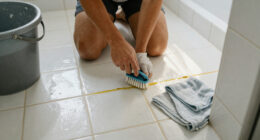

TL;DR

Get cleaning gear delivered free with Prime
- Fast, free delivery on millions of items
- Prime Video, Amazon Music and more included
- Member-only deals all year
Cleaning one room a week spreads deep cleaning across your schedule, making it less stressful and more sustainable. This approach helps you tackle grime, clutter, and overlooked spots gradually while maintaining daily tidiness.
Imagine transforming your home without losing an entire weekend or turning cleaning into a dreaded chore. The secret lies in breaking down the daunting task into manageable chunks. By dedicating just one focused session each week to a single room, you make deep cleaning part of your routine — not a weekend-long marathon.
This method keeps your home consistently fresh, tackles hidden dirt, and prevents grime from becoming overwhelming. Plus, it’s flexible: adjust the schedule as needed, so cleaning never feels like a burden but rather a small, satisfying achievement.
Rotate cleaning one room per week to spread out deep cleaning without feeling overwhelmed.
Use a simple, repeatable checklist for consistency and thoroughness each session.
Tailor your deep cleaning focus to each room’s specific needs—kitchen grease, bathroom mold, bedroom dust, etc.
Break tasks into short sessions or focus on high-impact areas when short on time.
Build the routine into your calendar and keep supplies handy for quick, effective cleaning.
How to Deep Clean One Room a Week
Transform your home without sacrificing an entire weekend. Maintain everyday tidiness, then give one designated room a focused deep clean each week. The result is a steady, repeatable routine that keeps hidden dirt, clutter, and grime from becoming overwhelming.
Give a single space your full attention while everyday maintenance continues elsewhere.
Adjust the time to the room’s size, condition, and highest-impact needs.
A realistic routine is more sustainable than an occasional whole-home marathon.
Give every space its turn
Assign each major room or zone to one week. Keep the same cleaning day when possible, but treat the plan as a flexible consistency system—not a rigid rule.
Kitchen
Target grease, appliances, refrigerator shelves, cabinets, sink, and hidden crumbs.
Primary bathroom
Remove soap scum, mineral deposits, persistent moisture, and grime around fixtures.
Primary bedroom
Refresh bedding, mattress, blinds, lamps, drawers, and the space beneath the bed.
Living room
Vacuum upholstery, dust electronics, wash textiles, and clean behind furniture.
Children or guests
Deep clean children’s rooms, a guest room, or another secondary sleeping space.
Entry and stairs
Wash mats, organize shoes, and clean doors, rails, frames, handles, and switches.
Office and utility
Address work surfaces, laundry equipment, shelves, vents, and overlooked corners.
Catch up or reset
Finish a missed zone, complete a seasonal task, or begin the rotation again.
Homes with fewer rooms can repeat the rotation more frequently. Larger homes can extend the cycle or group closely related spaces into practical zones.
Clean once, in the right order
A fixed sequence prevents repeated work. Define what “done” means before starting, then move clockwise or divide the room into zones so nothing is overlooked.
Clear
Return misplaced items, remove rubbish, and set donations aside.
Work high
Dust ceilings, fans, vents, lights, shelves, blinds, and tall furniture.
Work around
Clean glass, surfaces, fixtures, appliances, handles, and overlooked edges.
Finish low
Clean baseboards, move reachable furniture, then vacuum or mop last.
Declutter before products
Open surfaces make cleaning faster and expose dirt that clutter can conceal.
Trap dust from top to bottom
Use microfiber cloths or a suitable duster so particles are captured, not scattered.
Clean glass and mirrors
Remove fingerprints, residue, and buildup with a surface-appropriate cleaner.
Wipe high-touch points
Include switches, handles, controls, cabinet pulls, and frequently used surfaces.
Deep clean fixtures
Address room-specific appliances, plumbing fixtures, bins, and accessible crevices.
Find hidden zones
Check door frames, curtain rods, vents, furniture undersides, and movable appliances.
Inspect while cleaning
Notice leaks, damaged caulk, recurring mold, pests, or surfaces needing repair.
Finish with the floor
Vacuum, sweep, or mop after every higher surface has been completed.
Match the work to the room
The repeatable workflow stays the same, but the focus changes. Kitchens need degreasing, bathrooms need moisture control, and bedrooms benefit from thorough dust removal.
Kitchen
- Degrease cabinet fronts and the backsplash
- Clean appliance exteriors and accessible areas behind them
- Wipe refrigerator shelves and discard expired food
- Scrub the sink, faucet, drain area, and waste bin
Bathroom
- Remove soap scum and mineral buildup
- Scrub the toilet, hinges, and surrounding floor
- Clean the exhaust-fan cover and vents
- Inspect grout, caulk, plumbing, and persistent mold
Bedroom
- Wash bedding and mattress protectors
- Vacuum the mattress and beneath the bed
- Dust lamps, headboards, blinds, fans, and furniture
- Sort one drawer or one section of the closet
Living room
- Vacuum cushions, upholstery, and crevices
- Dust electronics carefully
- Clean beneath and behind movable furniture
- Wash throws and removable covers as labeled
Entryway
- Clean doors, frames, handles, and switches
- Wash mats and organize shoes or coats
- Dust corners, rails, vents, and trim
- Remove tracked-in grit from flooring edges
Utility spaces
- Remove lint around the dryer
- Inspect the accessible dryer vent area
- Wipe washer seals and detergent compartments
- Dust utility shelves and overlooked corners
| Task type | Everyday maintenance | Weekly focus room | Purpose |
|---|---|---|---|
| Dishes and visible clutter | ✓ Continue | ✓ Include | Keep basic tidiness stable |
| Counters and high-traffic floors | ✓ Continue | ✓ Detail | Prevent routine mess from spreading |
| Behind furniture and appliances | ✗ Usually skip | ✓ Address | Remove hidden dust, crumbs, and debris |
| Vents, blinds, frames, and baseboards | ✗ Usually skip | ✓ Address | Catch commonly overlooked buildup |
| Cabinet or drawer organization | ~ As needed | ~ One zone | Avoid turning the session into a marathon |
Set limits that make repetition easy
Choose the session length before you begin. When time is short, complete the highest-impact tasks and carry lower-priority work into the room’s next rotation.
A realistic session range
Use the room’s condition—not perfection—as the guide. Kitchens and bathrooms may need the longer end of the range.
Small effort prevents the big overhaul
The method works because each completed session feeds the next one. Less buildup means easier cleaning, earlier problem detection, and a routine that is easier to sustain.
Focused room each week, with ordinary tidying maintained throughout the home.
Make “done” repeatable, not perfect.
Put the session on your calendar, keep the checklist visible, and stop at the planned time. If life interrupts the schedule, use the catch-up week or resume with the next room. A flexible system that continues is more valuable than a flawless plan that becomes exhausting.
Why Deep Cleaning a Room Weekly Beats Big Overhauls
Deep cleaning is about addressing the grime and dust that regular tidying skips. Doing one room weekly turns a massive project into tiny, doable steps. Instead of spending hours scrubbing everything once or twice a year, you keep buildup in check with minimal effort.
Think of it like brushing your teeth daily versus waiting months to see the dentist. Small, consistent efforts prevent problems from spiraling. This consistency not only reduces the workload but also minimizes the risk of health issues caused by accumulated dust, mold, or bacteria. When dirt and grime are addressed regularly, you avoid the tradeoff of overwhelming cleanup sessions that take longer and are more stressful, making home maintenance more sustainable over time.
For example, rather than trying to clean your entire house every few months, you focus on your kitchen this week, paying attention to neglected spots like behind appliances or inside cabinets. Next week, your bathroom gets the same treatment. It’s about spreading the workload evenly, which helps maintain a healthier environment and prevents the buildup from becoming a daunting, unmanageable task.
By committing to weekly deep cleans, you’re establishing a proactive approach that minimizes the need for harsh chemical scrubbing or intensive labor. This not only preserves your home’s surfaces but also reduces the risk of long-term damage caused by neglect, such as mold growth or pest infestations. The tradeoff is that while it requires consistent effort, it ultimately saves time, money, and stress—making home maintenance more sustainable and less overwhelming.
Products Worth Considering

Dyson Ball Animal Total Clean Upright Vacuum

Levoit Vital 200S-P Smart Air Purifier for Large Rooms

Levoit Core 600S-P Smart Air Purifier for Large Rooms
As an affiliate, we earn on qualifying purchases.
How to Set Up Your Weekly Rotation for Maximum Impact
Creating a realistic schedule is the first step. List all your rooms—kitchen, bathrooms, bedrooms, living spaces, entryways—and assign each a week. If your home has fewer rooms, repeat the cycle more often. Larger homes might need a longer rotation or grouping similar spaces.
For example, your rotation could look like this: Week 1 — Kitchen, Week 2 — Main bathroom, Week 3 — Master bedroom, and so forth. Use a calendar or digital reminder to keep track. Consistency is key. Pick the same day each week—say, Saturday mornings—and stick with it.
Remember: this isn’t about perfection. It’s about creating a routine that fits your lifestyle, so don’t overcommit. Adjust the cycle as needed, but keep the habit steady. The key is that regularity helps embed deep cleaning into your lifestyle, making it less of a chore and more of a routine that you barely notice but consistently benefit from.
Establishing a rotation not only ensures all areas are addressed regularly, but also helps you monitor the condition of each space over time. This awareness allows you to anticipate problems like mold in bathrooms or dust accumulation in bedrooms before they become serious issues. The tradeoff here is that while initially planning the schedule may take some effort, it results in a more organized and less stressful cleaning routine that becomes second nature.
Step-by-Step: Your Weekly Deep Cleaning Checklist
Use this simple list to cover all bases without feeling overwhelmed. Each step is designed to tackle the most overlooked spots and surfaces, ensuring that no area is neglected. Following this checklist regularly prevents dirt from accumulating to problematic levels, which could otherwise lead to more intensive cleaning sessions later. The process not only keeps your home cleaner but also preserves the longevity of your furniture and appliances by preventing buildup that can cause damage or reduce efficiency.
- Declutter and return misplaced items. Clear the space for effective cleaning, which saves time and prevents re-soiling areas you just cleaned. This step is crucial because clutter can hide dirt and make cleaning less efficient, leading to missed spots and longer cleaning times.
- Dust from top to bottom: ceiling fans, vents, shelves, and light fixtures. Use microfiber cloths or a duster that traps dust to prevent spreading allergens and dirt back onto surfaces. Dusting thoroughly from high to low prevents dust from resettling on cleaned surfaces, reducing allergens and improving indoor air quality.
- Clean windows, mirrors, and glass surfaces. Wiping these down with a streak-free cleaner improves both appearance and hygiene, as they can harbor bacteria and allergens. Clean glass surfaces also prevent the buildup of grime that can be more difficult to remove if left unattended.
- Vacuum or sweep floors thoroughly. Don’t forget beneath furniture and behind appliances, as these hidden spots can harbor dust bunnies and crumbs that contribute to allergies or pests. Regularly cleaning these concealed areas prevents pest infestations and improves overall cleanliness.
- Wipe down surfaces: countertops, cabinets, furniture, and high-touch areas like switches and handles. This reduces bacteria and prevents the spread of germs, especially in high-traffic zones. Regular disinfecting supports health and reduces the risk of illness spreading among household members.
- Deep clean appliances and fixtures: oven, microwave, refrigerator shelves, sink, and toilet. Addressing these areas prevents odor buildup, mold, and corrosion, extending their lifespan and maintaining safety. Neglecting these areas can lead to costly repairs and health hazards over time.
- Address overlooked spots: baseboards, door frames, vents, curtain rods, and undersides of furniture. These areas collect dust and dirt over time, which can negatively impact air quality and give your home a dingy appearance. Regular attention to these hidden spots helps maintain a fresh, clean look and improves indoor air quality, reducing respiratory issues.
- Finish with mopping or vacuuming, so dust and dirt don’t resettle. This final step seals in the cleaning effort and ensures a fresh, hygienic environment. Proper finishing prevents quick re-soiling, saving you time and effort in future cleanings.
Most rooms can be tackled in about 60 to 120 minutes using this process. Adjust based on room size or level of dirt. Developing this routine deepens your understanding of your home’s needs and helps you identify recurring issues before they escalate, such as persistent mold or pest problems, which require early intervention. Over time, this routine not only keeps your home healthier but also helps you develop a keen eye for maintenance needs, preventing costly repairs and health issues down the line.
How to Tackle Each Room’s Unique Deep Cleaning Needs
Every room has its quirks. Kitchens need grease busting; bathrooms demand mold control; bedrooms focus on dust and allergens; living rooms require upholstery and electronics care.
Here’s a quick rundown:
| Room | Focus Areas |
|---|---|
| Kitchen | Cabinet fronts, appliances, sink, trash area, under furniture |
| Bathroom | Toilet, grout, shower, exhaust fan, faucets |
| Bedroom | Mattress, bedding, under bed, lamps, blinds |
| Living Room | Upholstery, electronics, shelves, curtains |
| Entryway | Doorknobs, shoe racks, coats, mats |
Understanding the specific needs of each space helps you prioritize tasks that have the most impact on both cleanliness and health. For instance, focusing on mold-prone areas like grout and vents in bathrooms prevents moisture buildup that can lead to mold growth, which is linked to respiratory issues. Similarly, deep cleaning upholstery and electronics in living rooms reduces dust and allergens that affect allergy sufferers. Tailoring your deep cleaning approach ensures that each room’s unique challenges are addressed effectively, leading to a healthier, more comfortable living space and reducing the long-term costs associated with neglecting these issues.
Beyond just cleaning, understanding each room’s specific needs allows you to make informed decisions about maintenance and upgrades. For example, noticing persistent mold in a bathroom vent can prompt you to replace or upgrade the ventilation system, preventing future issues. Recognizing that certain fabrics trap more dust or allergens can guide you in choosing hypoallergenic bedding or upholstery. This tailored approach not only improves immediate cleanliness but also contributes to long-term health benefits and cost savings by addressing root causes rather than just symptoms.
Quick Tips to Keep Deep Cleaning Manageable and Sustainable
Deep cleaning doesn’t have to be a marathon. Here are some tricks to make it easier:
- Keep a dedicated cleaning caddy with microfiber cloths, brushes, spray bottles, and gloves close to your cleaning zone. This minimizes setup time and keeps everything in one place, encouraging regular use.
- Set a timer—say, 15 or 30 minutes—and work in focused bursts. This prevents burnout and helps you stay motivated, making cleaning feel less like a chore and more like a quick, rewarding task.
- Use a checklist to stay on track and avoid missing spots. Checking off tasks provides a sense of accomplishment and ensures thoroughness.
- Declutter regularly to make deep cleaning faster and less frustrating. A clutter-free space allows you to clean more efficiently and prevents dirt from hiding in piles of unnecessary items.
- Schedule catch-up weeks for busy times or if a room needs extra attention. Flexibility in your routine accommodates life’s unpredictability and prevents burnout.
- Rotate seasonal tasks, like washing curtains or cleaning radiators, into your routine. Addressing these less frequent chores prevents them from becoming overwhelming, and keeps your home in top condition year-round.
Small adjustments like these help turn deep cleaning into a steady habit rather than a dreaded chore, reducing the mental barrier to regular maintenance and ensuring your home remains comfortable and healthy over time.
Implementing these strategies creates a sustainable rhythm that balances thoroughness with practicality. Recognizing that perfect cleanliness is neither realistic nor necessary, these tips help you maintain a healthy environment without burnout or frustration. The tradeoff is that a manageable routine promotes consistency, which is the key to long-term home health and comfort.
What to Do When You’re Short on Time or Energy
If a room needs attention but you’re pressed for time, focus on the most visible or high-traffic surfaces. A quick wipe of kitchen counters, a sweep of the bathroom floor, or fluffing pillows can make a big difference in minutes. This targeted approach prevents dirt from accumulating to unmanageable levels, making future deep cleans easier and less time-consuming.
Alternatively, split the work into two short sessions—say, 20 minutes on one day and 20 on another. This strategy allows you to maintain progress without feeling overwhelmed, fitting cleaning into even the busiest schedules. Over time, these small efforts compound, keeping your home in good shape and reducing the need for lengthy, intensive cleaning sessions.
Remember: consistency beats perfection. Even a quick, targeted clean can significantly improve your home’s hygiene and appearance, making it easier to tackle larger chores later. Prioritizing high-impact tasks during busy periods ensures your home remains livable and reduces stress related to neglected spaces.
Be mindful that focusing only on visible areas may leave hidden dirt to build up, which could lead to more significant problems down the line. The tradeoff is between quick fixes and long-term cleanliness; balancing these can help maintain a healthier home without overexerting yourself during busy times.
Frequently Asked Questions
Do I still need to clean the other rooms?
Yes. The weekly rotation is about deep cleaning one room at a time. Regular maintenance like dusting, tidying, and vacuuming still keeps your entire home manageable and fresh.
How long should one room take?
Most rooms can be thoroughly cleaned in about 60 to 120 minutes. Adjust based on size, level of dirt, and your pace. Breaking it into shorter sessions also works well.
What counts as deep cleaning?
Deep cleaning involves tackling buildup, hidden dust, mold, and overlooked spots like baseboards, vents, and undersides of furniture. It’s more intensive than routine tidying and often includes cleaning behind appliances or scrubbing grout.
Which room should I start with?
Begin with the space that causes you the most stress, or the one you use most frequently. Achieving quick wins in these rooms can motivate you to stick with the routine.
How do I handle larger homes or more rooms?
Extend your cycle—perhaps a six-week rotation or grouping related rooms together. The key is consistency, not perfection. Adjust the schedule so it fits your home and lifestyle.
Conclusion
Deep cleaning one room a week turns a massive chore into a steady, achievable routine. It keeps your home fresh, reduces long-term grime buildup, and makes cleaning less stressful. Plus, it’s a flexible system that adapts to your life, not the other way around.
Picture your home sparkling, every room cared for without the chaos of a weekend-long blitz. Start today—pick your first room, set a timer, and enjoy the clear, fresh space you’ve created. Your home’s health, and your peace of mind, will thank you.