TL;DR

Get cleaning gear delivered free with Prime
- Fast, free delivery on millions of items
- Prime Video, Amazon Music and more included
- Member-only deals all year
If cleaning feels like a chore, this routine focuses on quick, manageable tasks that prevent buildup. It emphasizes consistency over perfection, making home upkeep doable even for the least motivated.
If cleaning feels like an uphill battle, you’re not alone. Many people dread the endless cycle of scrubbing, sweeping, and organizing. The secret isn’t in doing more—it’s in doing less, smarter, and more consistently.
This guide breaks down a straightforward routine designed for those who want a clean home without turning cleaning into a full-time job. You’ll learn how to keep things hygienic, functional, and even a little tidy—without the overwhelm.
Focus on quick, daily 10-15 minute tasks to prevent buildup and reduce overwhelm.
Break weekly cleaning into small, manageable chunks spread across days.
Keep a minimal toolkit close at hand—less clutter, less decision fatigue.
Adjust routines to your abilities—use tools, set realistic standards, and prioritize safety.
Consistency beats perfection—small efforts every day make a big difference over time.
The Cleaning Routine for People Who Hate Cleaning
The secret isn’t doing more — it’s doing less, smarter, and more consistently. Short timed sessions prevent buildup, cut decision fatigue, and keep your home hygienic without turning cleaning into a full-time job.
Routine household cleaning removes up to 90% of germs and dirt — no constant disinfecting required.
A sustainable 80% result beats a perfect routine that gets abandoned after two weeks.
Dishes, trash, and kitchen surfaces — the daily tasks that keep a home functional.
The 10-Minute Daily Fix
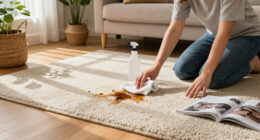
Set a timer, work through the essentials, and stop when it rings. That’s your daily win — no matter how busy you are. Small actions like wiping a spill immediately take less effort than removing dried-on grime later.
Handle the Dishes
Load the dishwasher or wash the essentials. Never let them pile up.
Wipe Counters & Stove
Target spills and crumbs on kitchen surfaces right after dinner.
Return Loose Items
Send items to their homes — or drop them in a collection basket.
Check Trash & Bathroom
Empty bins and spot-clean obvious messes as needed.
Quick Sweep
Vacuum or sweep only high-traffic zones: entryway and kitchen.
Divide and Conquer: One Task Per Day
Dedicating 30–60 minutes per week — spread across days — prevents chores from piling up and turns cleaning into a series of small wins. Task-based cleaning beats room-by-room marathons.
Clean the toilet, sink, and bathroom mirror.
Vacuum or sweep the main floors.
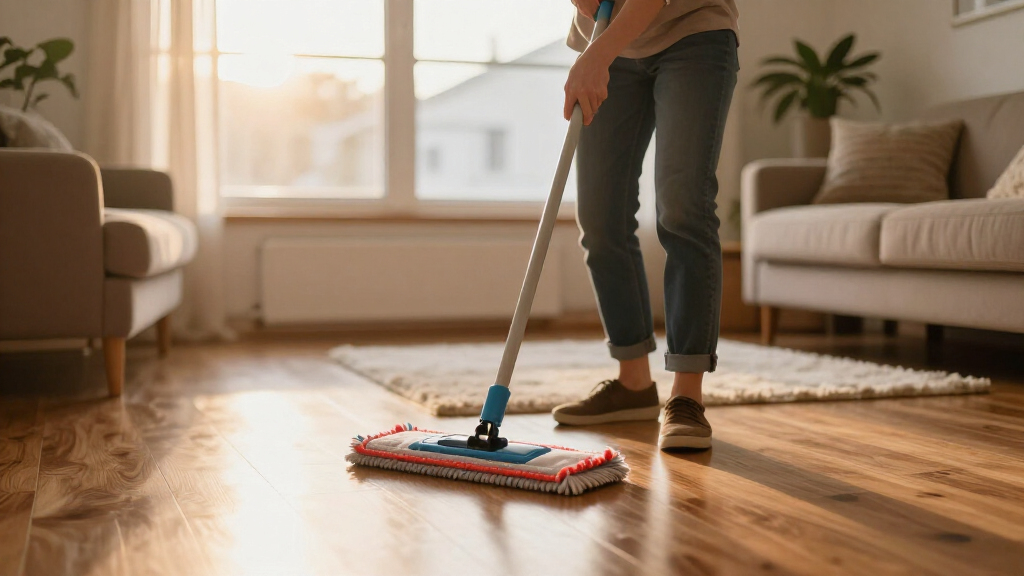
Mop kitchens, bathrooms, and visibly dirty areas.
Change bedding and towels.
Dust surfaces and wipe door handles.
Empty trash, clean fridge spills, do laundry.
Rest — or catch up on missed tasks.
Effort vs. Impact: Where Minutes Matter Most
Moisture and food residue — not clutter — foster microbial growth. Kitchens and bathrooms deserve priority because that’s where hygiene risk actually lives.
Monthly Essentials & The Minimal Kit
Hidden grime doesn’t need weekly attention — just a monthly check-in. And fewer products mean less cost, less clutter, and less decision fatigue.
- Clean microwave & fridge shelves — spills accumulate fast.
- Wipe cabinet fronts, light switches, and door handles.
- Remove hair from drains and clean under furniture.
- Dust vents, baseboards, and ceiling fans.
- Replace worn tools — sponges, filters, vacuum bags.
- All-purpose cleaner suited to your surfaces
- Dish soap + bathroom / limescale spray
- Microfiber cloths or washable rags
- Scrub brush and a mop
- Vacuum, broom, or both — plus gloves & trash bags
Cleaning vs. Disinfecting: What You Actually Need
Cleaning removes dirt and many germs; disinfecting kills specific microbes with chemicals. For most homes, routine cleaning is enough.
| Practice | Everyday Home | When Someone Is Sick | Key Rule |
|---|---|---|---|
| Routine cleaning | ✓ Sufficient — removes up to 90% of germs | ✓ Still the foundation | Wipe counters after meals; rinse the sink |
| Disinfecting | ~ Only for high-touch spots | ✓ Door handles, switches, counters | Honor the stated contact time — don’t wipe dry instantly |
| Mixing products | ~ More product ≠ more effective | ✗ Never mix bleach with acids, vinegar, or ammonia | Dangerous gases can form — ventilate when using strong products |
| Microfiber cloths | ✓ Excellent for dust capture | ✓ Use, then wash regularly | Reusable cloths need frequent laundering |
Three Rules Worth Remembering
⚠ Never Mix
Bleach + ammonia, acids, or vinegar = dangerous gases. Read labels before combining anything.
Contact Time Counts
Disinfectants need the stated surface-contact time to work. Wiping them dry immediately reduces effectiveness.
Ventilate
Open a window when using strong products, and remember: residue left by over-applying cleaner isn’t extra protection.
Overcoming Common Obstacles
Perfection isn’t the goal — consistency is. Small, regular efforts beat sporadic deep cleans every time.
Trash → dishes → laundry → floors. This logical flow prevents crumbs from spreading as you work.
Fix the source. Add hooks, storage, or habits that cause the clutter — treat the root, not the symptom.
Simplify drastically. Take out the trash, wash one dish, wipe one surface. Even small efforts matter.
Use a timer, carry a basket for misplaced items, and stay in one zone at a time.
Assign clear roles: one person owns dishes, another trash. Specificity drives accountability.
Adapt the routine. Long-handled tools, seated tasks, checklists, or temporarily lowered standards — prioritize food safety and hygiene over tidiness.
What’s Making Cleaning Easier Now
Technology and habit science are removing friction from home maintenance.
Robot Vacuums & Combos
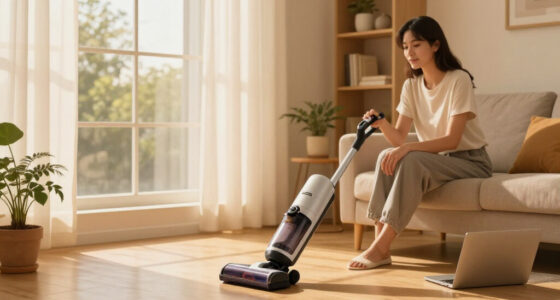
Robot vacuums and vacuum-mop combos handle most floor work — though they still need setup and occasional manual help.
Cordless Stick Vacuums
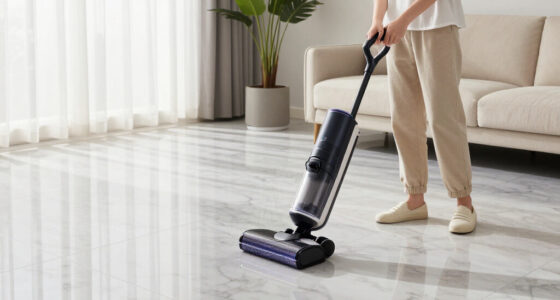
Quick clean-ups become effortless — ideal for busy days and high-traffic spot treatment.
Concentrates & Refills
Concentrated cleaners and refill systems cut packaging waste and storage clutter.
Habit Stacking
Pair cleaning with existing routines — wipe the counter after dinner, start laundry after breakfast.
Evening Kitchen Reset
Tidying the kitchen before bed sets a fresh start — and a calmer morning — for the next day.
Body Doubling
Watching a cleaning video or having a partner work alongside you boosts motivation and momentum.
The Routine At A Glance · Traceability Chain
Why a simple routine beats a deep cleaning marathon
Most people think thorough cleaning is the way to go, but that’s often a recipe for burnout. Instead, focus on a simple routine that keeps dirt and germs at bay. Think of it as a daily check-in, not a full overhaul.
According to experts, routine cleaning—just a few minutes every day—can reduce household germs by up to 90%. This means you don’t need to spend hours scrubbing every surface to stay hygienic.
Imagine wiping down your kitchen counters after dinner, then vacuuming the high-traffic areas once a week. It’s less stressful, less decision fatigue, and way more sustainable.
Products Worth Considering
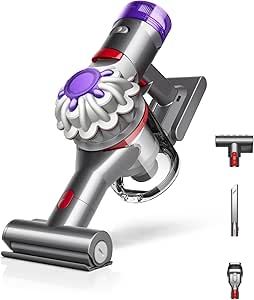
Dyson Car+Boat Cordless Handheld Vacuum

Sonos Era 100 SL Compact Microphone-Free Speaker, Black

Bose TV Speaker (2nd Gen) Compact Soundbar with Bluetooth and HDMI Connectivity
As an affiliate, we earn on qualifying purchases.
The 10-minute daily fix: Keep it manageable
Set a timer for 10–15 minutes and tackle the essentials. Focus on these core tasks:
- Wash or load dishes—don’t let them pile up.
- Wipe kitchen counters and stove—look for spills and crumbs.
- Return loose items to their homes or toss them in a basket.
- Check trash and bathroom messes—empty or spot-clean as needed.
- Quick sweep or vacuum of high-traffic zones—think entryway or kitchen.
This quick reset keeps your home from spiraling into chaos, and it’s doable even on busy days. Use a kitchen timer, and stop when it rings. That’s your daily win, no matter how busy you are.
Divide and conquer: The weekly routine that works
Breaking tasks into small chunks makes cleaning feel less overwhelming. Dedicate 30–60 minutes a week, but spread it out over days. For example:
- Monday: Clean the toilet, sink, and mirror.
- Tuesday: Vacuum or sweep main floors.
- Wednesday: Mop kitchens and bathrooms.
- Thursday: Change bedding and towels.
- Friday: Dust visible surfaces and wipe down door handles.
- Saturday: Empty trash, clean fridge spills, and do laundry.
- Sunday: Rest or catch up on missed tasks.
This approach prevents chores from piling up and makes cleaning feel like a series of small wins. Plus, focusing on one task at a time cuts down on decision fatigue.
Monthly essentials: Keep the unseen areas clean
Some areas hide grime and bacteria but don’t need weekly attention. Aim for a monthly check-in:
- Clean microwave and fridge shelves—spills and stains accumulate fast.
- Wipe cabinet fronts, light switches, and door handles.
- Remove hair from drains and clean under furniture.
- Dust vents, baseboards, and ceiling fans.
- Check and replace worn cleaning tools.
These tasks keep your home hygienic and prevent buildup that’s harder to remove later. Set a reminder on your phone or calendar to stay consistent.
A minimal cleaning kit: Keep it simple and accessible
Most of your cleaning success depends on having the right tools within arm’s reach. A basic kit includes:
- An all-purpose cleaner suitable for most surfaces
- Dish soap
- A bathroom or limescale spray
- Microfiber cloths or washable rags
- A scrub brush
- A vacuum and broom, or both
- A mop
- Gloves and trash bags
Store supplies close to where they’re used—under the sink, in a closet, or in a dedicated caddy. Fewer products mean less decision fatigue and clutter.
Safety and hygiene: What you need to know
Cleaning removes dirt and many germs, but disinfecting is a step beyond—killing specific microbes. For most homes, routine cleaning is enough to keep things safe.
Focus on high-touch areas like door handles, light switches, and kitchen counters—especially when someone is sick. Use disinfectants as directed, and always ventilate the space. Never mix bleach with acids or ammonia, as dangerous gases can form.
Microfiber cloths are great for dust and dirt, but wash them regularly. Also, reduce clutter to make cleaning faster and more effective. Moisture and food residue, not clutter, foster microbial growth—so prioritize cleaning those areas.
Overcoming common obstacles: Practical tips for tough days
Struggling to start or stick with your routine? Break tasks down:
- “I don’t know where to start”: Begin with trash, dishes, and laundry. Floors last. It’s a logical flow that prevents crumbs from spreading.
- “The mess returns immediately”: Focus on the source—hooks, storage, or habits that cause clutter. Fix the root, and the mess won’t be so relentless.
- “No energy”: Simplify. Just handle trash, wash one dish, wipe one surface. Even small efforts matter.
- “Getting distracted”: Use a timer, carry a basket for misplaced items, and stay in one zone at a time.
- “Housemates undo my work”: Assign clear roles—one person manages dishes, another handles trash. Specificity helps everyone stay accountable.
Remember, perfection isn’t the goal—consistency is. Small, regular efforts beat sporadic deep cleans every time.
The latest tools and trends that make cleaning easier
Technology is changing how we maintain our homes. Robot vacuums and vacuum-mop combos do most of the floor work, though they still need some setup and occasional manual intervention. Cordless stick vacuums make quick clean-ups effortless and are perfect for busy days.
Concentrated cleaners and refill systems reduce packaging waste and storage clutter. Habit stacking—pairing cleaning with existing routines—makes it feel less like a chore. Routine “reset” habits—like tidying the kitchen before bed—set a fresh start for the next day.
People are also turning to body doubling—watching a cleaning video or having a partner do the task alongside them—to boost motivation. Plus, natural and low-toxicity products are gaining popularity, especially for households with children or pets.
Making the routine work for your unique needs
No one-size-fits-all here. Adapt routines to fit your health, energy, and household dynamics. Use tools like long-handled implements if bending is tough, or set very small, clear tasks if concentration wanes. For example, a person with limited mobility might focus on wiping counters and sorting laundry from a seated position.
Incorporate checklists or visual cues if memory is a challenge. When overwhelmed, lower standards temporarily—prioritize food safety, trash, and basic hygiene over perfect tidiness.
Sometimes, professional help is worth considering, especially for deep cleaning or tasks you cannot do safely. The goal is a home that’s livable and hygienic—without extra stress.
Your most common questions—answered
How often should I clean my home? It depends on your lifestyle. Dishes and spills need immediate attention, but bathrooms and floors usually get weekly or bi-weekly focus. Use your judgment based on visible dirt and hygiene needs.
What are the three daily tasks I can’t skip? Washing dishes, removing trash, and wiping the main kitchen surfaces are essential. They prevent buildup and microbial growth.
Can I keep my home clean in 15 minutes a day? Absolutely. Even small daily efforts—like tidying, wiping, and quick vacuuming—can maintain a baseline. Longer cleaning sessions are optional but helpful for deep cleaning.
Should I clean one room or one task? Tasks are often faster—vacuum all floors, clean all sinks—because it minimizes switching tools. But finishing a room completely can feel more satisfying.
Should I dust or vacuum first? Dust first, then vacuum. Dust settles on the floor, so vacuuming afterward ensures a cleaner space overall.
Do I need to disinfect everything? Not always. Routine cleaning handles most germs. Disinfect high-touch or contaminated areas when needed, like during illness or after handling raw meat.
Are natural cleaners safer? Not automatically. Vinegar, for example, can damage natural stone surfaces. Always check manufacturer guidelines and test first.
How can I clean with ADHD or executive-function challenges? Use visual cues, timers, small tasks, and keep supplies within sight. Breaking chores into tiny, manageable pieces makes a big difference.
How do I stop cleaning from taking all day? Set a clear scope, use a timer, and stop once key tasks are done. Focus on what makes the biggest difference first.
What should I clean before guests arrive? Focus on the entrance, main living areas, kitchen counters, and bathroom. Tackle visible clutter and high-traffic zones.
What can I skip when overwhelmed? Skip decorative tasks, deep decluttering, or anything that doesn’t impact hygiene or safety. Prioritize dishes, trash, toilets, and walkways.
Is hiring a cleaner worth it? If your budget allows, it can reduce stress and free up your time. Even occasional help can make a big difference.
How do I keep this routine going long-term? Make it as easy as possible—attach to existing habits, keep supplies handy, and accept that “clean enough” is good enough.
Frequently Asked Questions
How often should I clean my home?
There’s no one-size-fits-all answer. Handle dishes and spills daily, clean bathrooms and floors weekly, and do deeper tasks monthly or as needed. Use what works for your lifestyle.What are the three most important daily tasks?
Washing dishes, removing trash, and wiping down kitchen surfaces are key to preventing germs and keeping your space feeling fresh.Can I keep my home clean in 15 minutes a day?
Yes. Prioritize quick, focused tasks like tidying, wiping, and vacuuming. Even a few minutes daily helps maintain a baseline of cleanliness.Is it better to clean one room or one type of task?
Task-based cleaning—like vacuuming all floors—often saves time. Finishing a room completely can feel more satisfying, but prioritize what feels easiest for you.Should I dust or vacuum first?
Dust first to prevent particles from falling on freshly vacuumed floors, then vacuum for a cleaner overall space.Conclusion
The key to managing a home you dislike cleaning is simplicity. Small, consistent efforts prevent chaos without draining your energy or motivation.
Remember, a home that’s just “clean enough” is a home you can actually maintain. Focus on what matters most—health, safety, and feeling comfortable—and give yourself credit for every little win.