
TL;DR

Get cleaning gear delivered free — and shop member deals
- Fast, free delivery on millions of items
- Access to Prime Big Deal Days deals on October 6–7
- Prime Video, Amazon Music and more included
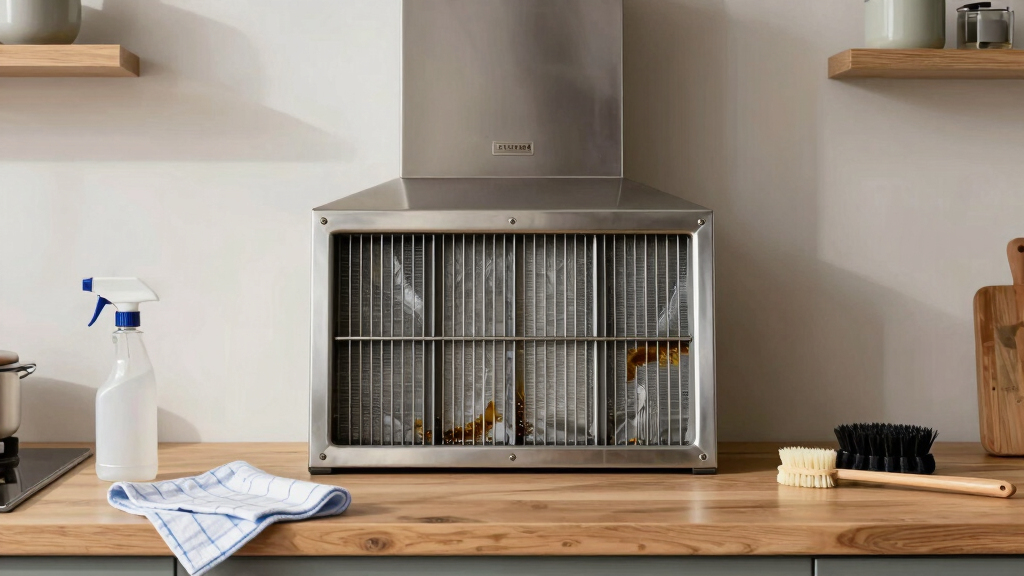
Cleaning your greasy range hood filter every 1-3 months keeps your kitchen safe and fresh. Use hot water, dish soap, and natural degreasers like baking soda or vinegar for best results. Regular maintenance saves money and extends filter life.
If your kitchen smells like a deep-fried feast and the range hood feels sticky to the touch, it’s time for a clean. Grease buildup isn’t just a scent issue; it’s a safety concern—fire hazards lurk in thick layers of grease. Luckily, cleaning your range hood filter doesn’t need harsh chemicals or hours of scrubbing. With a few simple steps, you can keep it spotless and functioning like new.
This guide will walk you through proven methods, from natural solutions to dishwasher tricks, so your filter stays grease-free and your kitchen stays safe. You’ll learn how often to clean, what tools to use, and tips for stubborn grime. Ready to breathe easier? Let’s get started.
Clean your range hood filter every 1-3 months to keep it effective and safe.
Most metal filters are dishwasher-safe—check before you load it in.
Soaking in hot, soapy water or vinegar solutions makes stubborn grease easier to remove.
Natural cleaners like baking soda and vinegar are safe, affordable, and work well.
Always dry your filter thoroughly before reinstalling to prevent mold.
Why Regularly Cleaning Your Range Hood Filter Matters
Think of your range hood filter as the lungs of your kitchen. When it’s covered in grease, it can’t do its job—trapping smoke, odors, and airborne grease effectively. Over time, this layer of grime can even become a fire hazard, especially if not addressed. Grease acts as a combustible layer, and neglecting it increases the risk of kitchen fires, which can be devastating. Additionally, a clogged filter forces your ventilation system to work harder, leading to higher energy consumption and potential wear and tear on your appliance. Regular cleaning ensures optimal airflow, reduces fire hazards, and maintains air quality, which is essential for a healthy cooking environment. Think of it as giving your kitchen’s lungs a health check—preventing problems before they escalate.
Cleaning every 1-3 months keeps your kitchen smelling fresh and your appliance running efficiently. Plus, a clean filter lasts longer, saving you money in the long run. Imagine cooking up a storm, then giving your filter a quick soak—your kitchen will thank you.
As an affiliate, we earn on qualifying purchases.
What Type of Range Hood Filters Can You Clean Yourself?
Most metal filters—made of aluminum or stainless steel—are designed to be cleaned at home. These filters are durable and resistant to corrosion, allowing them to withstand frequent washing without losing their structural integrity. They are typically reusable and dishwasher-safe, which means you can save time and effort, but it’s important to understand their limitations. For example, repeated exposure to high heat or harsh chemicals can degrade their material over time, so gentle cleaning is recommended.
Charcoal or carbon filters, by contrast, are designed to trap odors and are usually not washable. Attempting to clean them can damage their porous structure, rendering them ineffective, so replacing them when dirty is the best course of action. Mesh filters, often made of aluminum, fall into a similar category as metal filters—they’re reusable and can be cleaned effectively with proper techniques. Knowing your filter type helps you avoid damaging it through improper cleaning and ensures you choose the most effective method.
| Filter Type | Cleaning Method | Replace or Reuse? |
|---|---|---|
| Metal (aluminum/stainless steel) | Dishwasher or manual soak | Reuse |
| Charcoal/Carbon | Replace | N/A |
| Mesh | Manual scrub or dishwasher | Reuse |
Check your filter’s label or manual for specific instructions to avoid damage. Understanding the material and construction of your filter helps prevent accidental damage and ensures you maintain its effectiveness for as long as possible.
natural degreaser for kitchen filters
As an affiliate, we earn on qualifying purchases.
As an affiliate, we earn on qualifying purchases.
Step-by-Step Guide to Cleaning Your Greasy Range Hood Filter
- Unplug your range hood for safety. Remove the filter carefully, noting how it fits back in. Handle it gently to avoid bending or damaging delicate components.
- For metal filters, start with a hot water soak—fill your sink with warm water, add a few drops of degreasing dish soap or baking soda, and submerge the filter. This initial step helps loosen thick grease and grime, making manual cleaning easier.
- Let it sit for 10-15 minutes to allow the cleaning solution to break down the grease’s bonds with the filter material. This soaking process is crucial because it reduces the amount of scrubbing needed, decreasing the risk of damaging the filter.
- Use a soft brush, sponge, or microfiber cloth to scrub away stubborn grime. Pay attention to corners and edges where grease often accumulates, but avoid abrasive tools that could scratch or damage the surface.
- Rinse thoroughly with warm water to remove loosened grease and soap residue. Shake off excess water or pat dry with a towel. Proper rinsing ensures no cleaning agents are left behind, which could compromise the filter’s effectiveness or cause odor.
- Allow the filter to dry completely—air dry or wipe with a clean, dry cloth—before reinstalling. A dry filter prevents mold growth and ensures it functions properly when reinstalled.
For extra stubborn grease, soak in a vinegar solution (1 part vinegar to 3 parts water) or commercial degreaser, following product instructions. This additional step can significantly improve cleaning results, especially for heavily soiled filters, but always follow manufacturer guidelines to prevent damage.
stainless steel range hood filter cleaning kit
As an affiliate, we earn on qualifying purchases.
As an affiliate, we earn on qualifying purchases.
Natural & Eco-Friendly Ways to Cut Grease Without Harsh Chemicals
Natural degreasers are gentle yet effective because they work by breaking down grease molecules without introducing harmful chemicals into your environment. Baking soda acts as a mild abrasive and a neutralizer of odors; when sprinkled on greasy spots, it absorbs and loosens grime, making scrubbing more effective. Vinegar contains acetic acid, which dissolves grease and grime at a molecular level, breaking the bonds that hold grease to surfaces. When you soak or spray your filter with vinegar, it not only cleans but also leaves a fresh, natural scent—free from chemical residues.
Adding lemon juice enhances cleaning power because its natural acids help dissolve grease more quickly while leaving behind a refreshing citrus aroma. These options are safe for your kitchen, your family, and the environment, making them excellent choices for regular maintenance. Additionally, these natural cleaners reduce exposure to potentially harmful fumes that can result from chemical-based products, providing a safer cleaning environment for everyone involved.
For example, a quick DIY trick: make a paste of baking soda and water, spread it over greasy areas, let sit for 10 minutes, then scrub away. This method not only brightens your filter but also minimizes chemical use, aligning with eco-conscious cleaning habits. Over time, consistent use of natural cleaners can help maintain the longevity of your filters and improve overall kitchen air quality.
kitchen grease filter cleaning supplies
As an affiliate, we earn on qualifying purchases.
As an affiliate, we earn on qualifying purchases.
How Often Should You Clean Your Range Hood Filter?
Most experts recommend cleaning your filter every 1-3 months. This interval balances the need to prevent grease buildup with the effort required for cleaning, ensuring your kitchen remains safe and odor-free. However, if you cook heavily—frying, grilling, or sautéing daily—the frequency should increase because grease and smoke deposit faster, and a neglected filter can become a fire hazard or cause poor air quality. A simple visual check can help: if the filter appears coated in a thick layer of grease or emits a greasy smell even after cleaning, it’s time for a more immediate cleaning.
Adopting a routine schedule reduces the likelihood of grease hardening or clogging the filter, which can make cleaning more difficult and less effective. Think of it as a preventive measure—regular maintenance prevents larger, more costly repairs down the line. Keeping up with cleaning schedules also ensures your kitchen remains a healthy environment for you and your family, as it reduces airborne grease and odors that can impact indoor air quality.
Safety Tips for Cleaning Your Range Hood Filter
Always unplug your range hood before starting any cleaning process. This step is essential to prevent accidental activation or electrical shocks. Use gloves to protect your skin from hot water, cleaning solutions, or sharp edges on the filter. If you’re using a ladder or step stool, make sure it’s stable and positioned on a flat surface to avoid falls. When handling the filter, be gentle to prevent bending or breaking delicate parts, especially if it’s made of mesh or thin metal.
Ensure the filter is completely dry before reinstalling—moisture can promote mold growth or cause corrosion, especially in electrical components. Using a hairdryer on a cool setting can speed up drying, but air drying is safest. Remember, always refer to the manufacturer’s instructions to prevent accidental damage—some filters have specific cleaning or drying requirements. For electrical components or built-in fans, consider consulting a professional if you notice unusual noises, odors, or performance issues after cleaning. Safety should always be your top priority to keep your kitchen environment secure and functional.
When in doubt, or if the filter is heavily soiled or damaged, professional cleaning or replacement might be the best option to ensure safety and optimal performance.
Quick Tips to Keep Your Range Hood Grease-Free Longer
- Wipe down the filter with a damp cloth weekly to prevent grease from accumulating. This simple habit reduces the need for deep cleaning and keeps your kitchen smelling fresh.
- Use lower heat settings and lid covers to minimize grease splatter during cooking. Less splatter means less grease reaching the filter, extending its cleanliness and functionality.
- Install a mesh screen or grease filter with a non-stick coating if possible. These features help repel grease and make cleaning easier, acting as a first line of defense.
- Clean the filter in the dishwasher every few months for convenience, but always verify it’s dishwasher-safe to avoid damage. This regular maintenance reduces manual effort and ensures thorough cleaning.
- Vent your kitchen well—good airflow prevents grease from settling and reduces smoke buildup. Using exhaust fans or opening windows during and after cooking helps maintain cleaner air and less greasy residue on your filter.
Frequently Asked Questions
How often should I clean my range hood filter?
Most filters need cleaning every 1-3 months, but heavily used kitchens may require more frequent attention. Check for visible grease buildup or odors to decide.Can I put my metal filter in the dishwasher?
Yes, most aluminum and stainless steel filters are dishwasher-safe. Always check the manufacturer’s instructions to avoid damage.What’s the best way to remove stubborn grease?
Soak the filter in hot, soapy water or vinegar solution for 10-15 minutes, then scrub gently with a soft brush or sponge. Repeat if necessary.How do I tell if my filter needs replacing?
If grease remains after cleaning or the filter is physically damaged, it’s time to replace it. A greasy smell that won’t go away is another sign.Are eco-friendly cleaning options effective?
Yes, baking soda, vinegar, and lemon juice work well to cut grease naturally. They’re safe for surfaces and better for the environment.Conclusion
Keeping your range hood filter grease-free isn’t just about a cleaner kitchen—it’s about safety and efficiency. A quick, regular scrub keeps smoke and odors at bay, while reducing fire risk and extending your filter’s life. Think of it as giving your kitchen a breath of fresh air—literally.
Next time you cook, remember: a little maintenance now saves hours of scrubbing later. Grab that sponge, and breathe easier tonight.
Halloween Picks
halloween
As an affiliate, we earn on qualifying purchases.