
TL;DR

Get cleaning gear delivered free — and shop member deals
- Fast, free delivery on millions of items
- Access to Prime Big Deal Days deals on October 6–7
- Prime Video, Amazon Music and more included
Degreasing kitchen cabinets is easiest with natural solutions like dish soap or vinegar. Regular cleaning prevents stubborn buildup, and gentle methods protect your cabinet finishes. This guide shows you how to do it the simple way.
Grease and grime tend to cling stubbornly to kitchen cabinets, especially near the stove. It’s a familiar battle—scrubbing and still struggling with sticky residue. But here’s the truth: you don’t need harsh chemicals or endless scrubbing to keep them spotless. The secret lies in simple, safe solutions you probably already have at home.
In this guide, you’ll learn how to tackle greasy cabinets easily, using natural ingredients like vinegar and baking soda. Plus, I’ll share practical tips for regular maintenance, so your kitchen stays fresh without the fuss. Ready to see just how straightforward cleaning can be? Let’s get started.
Use natural solutions like vinegar and dish soap for quick, safe grease removal.
Regular wiping prevents grease from building up into stubborn stains.
Deep cleaning every few months makes maintenance easier and prolongs cabinet life.
Always test cleaners on a small, hidden area first to avoid damage.
Good ventilation during cooking significantly reduces grease accumulation.
What’s the best way to remove grease without damaging your cabinets?
The easiest way to remove grease is with a gentle mix of warm water and dish soap or vinegar. These natural cleaners cut through grease without harming your cabinet’s finish. The reason they work so well is that they break down the oils and fats at a molecular level, making it easier to wipe away stubborn residues. Using harsh chemicals might seem tempting because they can be more aggressive, but they also risk damaging delicate surfaces, dulling finishes, or causing discoloration over time. Natural solutions provide a balanced approach—they’re effective enough to clean thoroughly while being gentle enough to preserve your cabinets’ integrity. This balance is crucial because it ensures your kitchen remains both beautiful and functional without the need for costly repairs or refinishing due to over-aggressive cleaning.
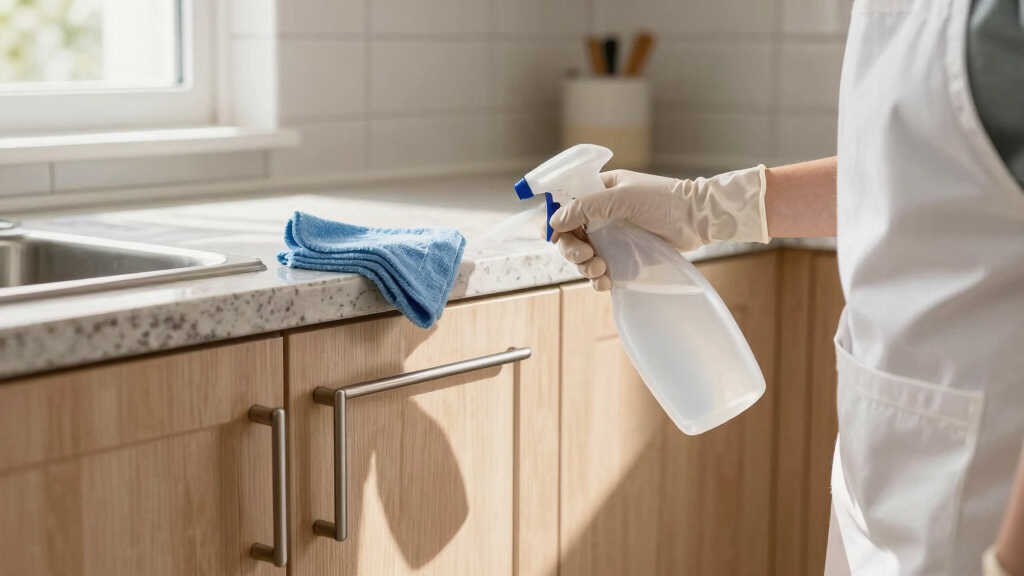
Just imagine, a microfiber cloth dipped in your homemade solution, wiping away a layer of oily grime while leaving the paint or veneer untouched. That’s the power of gentle, effective cleaning.
As an affiliate, we earn on qualifying purchases.
How to degrease your kitchen cabinets in 3 simple steps
- Remove hardware and doors. Place handles and knobs in a safe spot. This makes every surface accessible and prevents damage or loss during cleaning.
- Mix your cleaner. Combine 1 part white vinegar or dish soap with 4 parts warm water. Always test on a small, hidden area first to ensure the solution does not react adversely with your cabinet’s finish. Testing helps prevent unintended damage, which can happen if certain finishes are sensitive to acids or soaps. Knowing your surface’s tolerance allows you to choose the safest cleaning method, preserving the appearance and longevity of your cabinets.
- Wipe and dry. Use a soft cloth to wipe in the direction of the wood grain, which helps prevent streaks and maintains the natural look. Rinse with clean water and dry thoroughly to prevent water spots or damage. Proper drying is essential because excess moisture can lead to warping or swelling, especially in wood cabinets. This step also helps remove any residue that might attract more dirt or grease later, ensuring a longer-lasting clean.
For stubborn grease, sprinkle baking soda on the surface, spray with vinegar, and gently scrub with a soft sponge. Rinse well and dry.
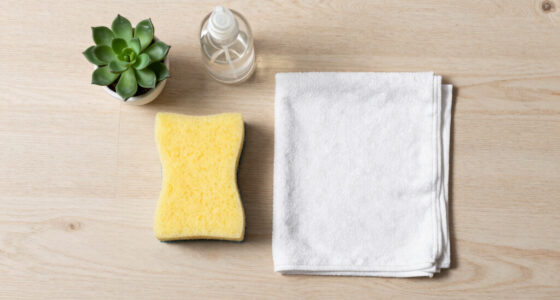
vinegar and dish soap cleaning spray
As an affiliate, we earn on qualifying purchases.
As an affiliate, we earn on qualifying purchases.
Compare natural cleaners with commercial degreasers: which works best?
| Feature | Natural Cleaners (Vinegar, Baking Soda, Dish Soap) | Commercial Degreasers |
|---|---|---|
| Safety | Non-toxic, eco-friendly, safe for most surfaces | Varies; often stronger but can be harsher, sometimes containing strong chemicals that may pose health or environmental risks if not used properly |
| Effectiveness | Great for light to moderate grease buildup; effective when used correctly and consistently, especially with proper technique and patience | More powerful, better suited for heavy, baked-on grime that resists natural cleaning methods, but may require careful application to avoid surface damage |
| Cost | Very affordable; uses common household ingredients, making it accessible for regular maintenance without extra expense | Usually more expensive; specific to brand, and often designed for industrial or commercial use, which may be unnecessary for typical home needs |
| Ease of use | Simple, no special equipment needed; quick to prepare and apply, suitable for routine cleaning | Some require dilution or specific application techniques, and may involve stronger fumes or safety precautions, making them less convenient for frequent use |
For most home cooks, natural solutions hit the sweet spot—safe, cheap, and effective enough for regular upkeep. They also allow for more control over the cleaning process, reducing the risk of accidental damage. Commercial degreasers might be necessary for heavy-duty cleaning, but they should be used with caution and proper ventilation to avoid health risks. Overall, choosing the right cleaner depends on the level of grease and the surface sensitivity, but natural options are a reliable starting point for most situations.
microfiber cleaning cloth for cabinets
As an affiliate, we earn on qualifying purchases.
As an affiliate, we earn on qualifying purchases.
How often should you clean grease off your kitchen cabinets?
Regular maintenance keeps grease from turning into stubborn stains. Wipe down your cabinets with a damp cloth and mild cleaner at least once a week. This routine prevents grease from accumulating to a point where it becomes difficult to remove, especially in high-traffic or cooking-heavy areas. Every 3 to 6 months, do a deep clean to tackle any built-up grime that weekly maintenance might miss. Deep cleaning involves more thorough scrubbing and often involves removing hardware or doors to access hidden spots. This periodic effort is crucial because it prevents the buildup of layers of grease that can become baked-on, making future cleaning more labor-intensive and risking long-term damage if neglected. Think of it as a proactive approach—regular care reduces the need for aggressive scrubbing or chemical use later on, helping to preserve the finish and structure of your cabinets over time.
Just like maintaining your car or cleaning your home’s carpets, consistent upkeep saves you time, effort, and money in the long run. It keeps your kitchen looking fresh and ensures your cabinets stay in top condition for years to come.
As an affiliate, we earn on qualifying purchases.
What are the best tips to keep grease from re-accumulating?
- Use a range hood or exhaust fan whenever cooking to capture fumes before they settle on surfaces, reducing the amount of grease that reaches your cabinets in the first place.
- Wipe spills immediately before grease has a chance to cool and harden, which makes it much easier to remove later. Quick action prevents the grease from bonding tightly to surfaces, saving effort and protecting your finish.
- Spray a light mist of vinegar solution on your cabinets weekly as a preventative barrier. This acidity can help break down any residual grease or oils before they accumulate, maintaining a cleaner surface over time.
- Place a paper towel or cloth on the stove to catch splatters during cooking. This simple barrier minimizes the amount of grease that lands directly on your cabinets, reducing the frequency and intensity of cleaning needed.
- Apply a clear protective finish or polish periodically for an extra layer of defense. This creates a barrier that makes future grease easier to wipe away and can also enhance the appearance of your cabinets.
These small habits, when combined, create an effective defense against grease buildup, saving you significant cleaning time and effort while keeping your kitchen looking pristine.
What to do if grease has hardened or is stubborn?
For tough, baked-on grease, start with a paste of baking soda and water. Spread it over the affected area and let it sit for 10-15 minutes. This waiting period allows the baking soda’s mild abrasive qualities to loosen the grease bonds without damaging the surface. The baking soda reacts with the grease, softening or lifting it away, which significantly eases the cleaning process. Then, gently scrub with a soft sponge or cloth, applying light pressure to avoid scratching. Rinse with clean water and dry thoroughly to prevent residue buildup. Hardened grease forms when oils cool and bond tightly to surfaces, making it resistant to normal cleaning. Using a baking soda paste acts as a gentle abrasive that helps lift this stubborn layer without scratching your cabinets. If that doesn’t work, applying a commercial degreaser can be effective, but always consider the potential for surface damage and test first to avoid costly mistakes. Remember, patience and gentle techniques are key—aggressive scrubbing can damage delicate finishes and worsen the problem over time.
Frequently Asked Questions
Can I use vinegar on painted cabinets?
Yes, vinegar is safe for most painted cabinets when diluted properly. Always test on a small, hidden spot first to check for any adverse reactions. Avoid soaking the surface with too much liquid.
How do I remove grease from textured or raised cabinet surfaces?
Use a soft-bristled brush or a sponge with your vinegar or dish soap solution. Gently scrub the textured areas to dislodge grease without damaging the finish. This process is important because textured surfaces tend to trap grease in crevices, making cleaning more challenging. Using a brush helps reach into those tiny gaps, ensuring a thorough clean without risking damage that rough scrubbing might cause. Be patient and gentle—rushing or scrubbing too hard can damage delicate textures or remove finish layers. Rinse and dry thoroughly afterward to prevent residue buildup, and consider using a slightly diluted cleaning solution to avoid over-saturating porous or textured surfaces, which can lead to swelling or warping over time.
Is it better to clean cabinets with a sponge or a microfiber cloth?
Microfiber cloths are usually best—they trap dirt and grease better, require less product, and are gentle on surfaces. Sponges can work too but may be too abrasive for delicate finishes. The choice depends on your cabinet material; for painted or delicate wood, microfiber is safer, while sponges may be suitable for more durable surfaces. Always avoid abrasive scrubbers that can scratch or dull the finish. Using a microfiber cloth also helps prevent streaks and leaves a more polished look, which is especially important for visible surfaces like cabinet doors.
How long should I let a cleaning solution sit before wiping off?
For most solutions like vinegar or baking soda paste, 5-10 minutes is enough to loosen grease. For stubborn spots, 15 minutes or more can improve results before gently scrubbing. Don’t leave solutions on for too long, especially on sensitive finishes, as prolonged exposure may cause discoloration or damage. Testing first helps determine the appropriate dwell time, ensuring effective cleaning without unintended harm. Patience and gentle application are key—rushing can cause surface damage or incomplete removal of grease.
Conclusion
Keeping kitchen cabinets grease-free isn’t about scrubbing endlessly. It’s about consistent, gentle care with ingredients you already trust. A quick weekly wipe and occasional deep clean go a long way.
Imagine your kitchen shining, free of oily streaks, every surface reflecting light and freshness. That’s the simple joy of a well-maintained space—clean, vibrant, and inviting. So grab your cloth, mix your solution, and make grease a thing of the past.
Halloween Picks
halloween
As an affiliate, we earn on qualifying purchases.