
TL;DR

Get cleaning gear delivered free — and shop member deals
- Fast, free delivery on millions of items
- Access to Prime Big Deal Days deals on October 6–7
- Prime Video, Amazon Music and more included
The fastest way to clean an oven is by using a baking soda and vinegar paste, letting it sit to loosen grime, then scrubbing with simple tools. Regular maintenance keeps it easy and quick.
Ovens can turn into smoky, greasy messes faster than you think. Scrubbing for hours isn’t fun—so why not use a method that works in a fraction of that time?
This guide reveals the quickest, safest way to get your oven shining without harsh chemicals or lengthy scrubbing sessions. You’ll learn smart techniques, the best tools, and how to keep your oven clean with minimal fuss.
Why a Quick Clean Beats Heavy Scrubbing Every Time
Fast cleaning isn’t just about saving time; it’s about tackling grime before it becomes a stubborn, time-consuming problem. When you clean your oven promptly after use, you prevent baked-on grease from hardening into a crust that demands aggressive scrubbing or chemical cleaners. This proactive approach preserves your oven’s surface integrity and reduces the risk of damage caused by harsh chemicals or abrasive tools. For example, wiping up spills right after cooking prevents baked-on messes from forming, which can be much harder to remove later. The tradeoff is that regular, light maintenance requires discipline, but it ultimately saves you hours of effort and money on repairs or replacements. Think of it like brushing your teeth daily—small, consistent efforts keep problems from piling up, making each cleaning session easier and less stressful.
oven cleaning baking soda vinegar kit
As an affiliate, we earn on qualifying purchases.
As an affiliate, we earn on qualifying purchases.
Step-by-Step: The Fastest Method to Clean Your Oven
- Remove oven racks and accessories. Place them aside for separate cleaning to prevent spreading grime during interior cleaning.
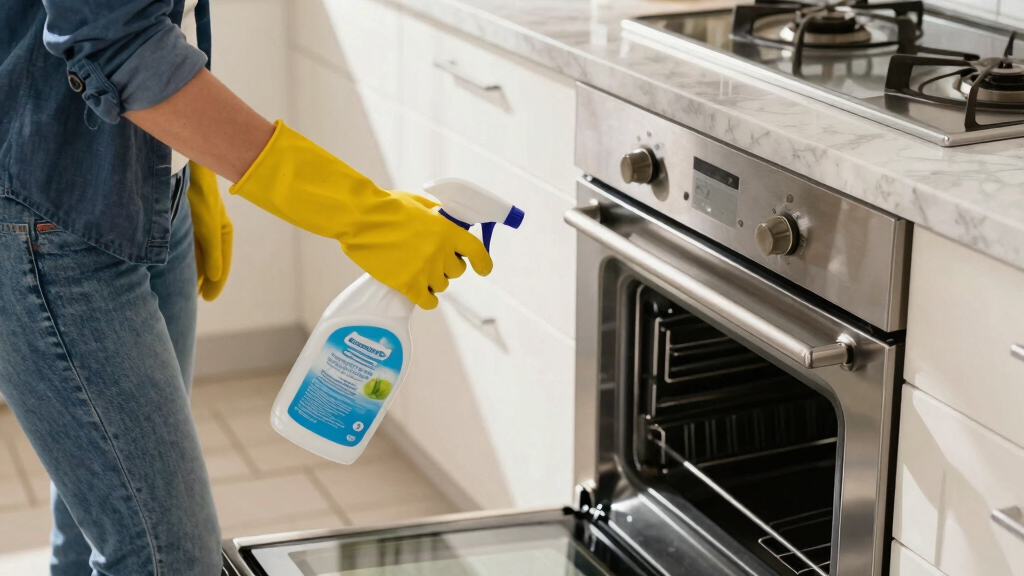
- Spray or spread a baking soda and water paste over the interior surfaces, focusing on greasy spots and baked-on stains. This paste acts as a gentle abrasive and a grease cutter, breaking down residues without harsh chemicals. For example, applying the paste to the oven walls and door can loosen baked-on grease that has hardened over time.
- Let it sit for 15-20 minutes. During this time, the paste penetrates baked-on grease, making it easier to wipe away later. For stubborn spots, extending the sitting time to 30 minutes can improve results, especially if the grime has been accumulating for months.
- Spray white vinegar over the baking soda paste. Expect fizzing—this reaction helps to lift and loosen the remaining residues, enhancing the cleaning process. Imagine it like a mini volcanic eruption that lifts away dirt, making the physical wiping much easier.
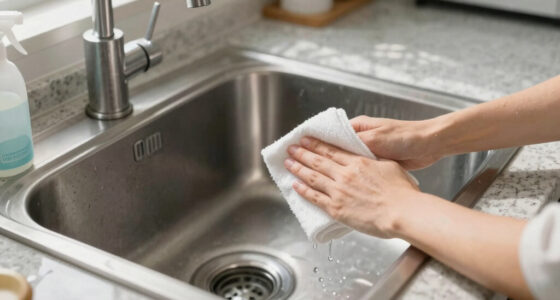
- Use a microfiber cloth or scrub pad to wipe away loosened grime. Rinse with clean water as needed to remove residue. For example, a damp microfiber cloth can easily lift the loosened grease, leaving the oven interior fresh and shiny.
- Wipe down with a dry cloth for a streak-free shine. Clean the racks separately with soap and water, inspecting for any remaining dirt or grease. This final step ensures your oven looks as good as new and prevents future smoke or odors.
This simple process can get your oven looking almost new in under 30 minutes, especially if done regularly. The combination of chemical reaction and physical wiping ensures thorough cleaning without harsh scrubbing or toxic fumes. Think of it as giving your oven a quick spa treatment instead of a deep, invasive cleaning—saving time while maintaining performance.
As an affiliate, we earn on qualifying purchases.
Why Natural Cleaners Outperform Chemical Gunk
| Method | Effectiveness | Safety | Ease |
|---|---|---|---|
| Baking soda & vinegar | High for light/moderate grime; effective at breaking down grease and baked-on residues without harsh chemicals. For example, it can remove grease splatters from oven walls after a roast or pizza night. | Safe, non-toxic, biodegradable. Unlike chemical cleaners, it poses no risk to children or pets, making it ideal for frequent use. | Very easy, inexpensive, and readily available, making it suitable for regular maintenance without health risks. Its simplicity means you can do it in minutes, even on a busy schedule. |
| Commercial oven cleaner | Very high for heavy buildup; capable of dissolving thick, baked-on residues. For instance, it can tackle years of hardened grease in commercial kitchens. | Contains harsh chemicals, fumes can be dangerous without proper ventilation and PPE. Using it in small, well-ventilated areas is essential but still riskier than natural methods. | Quick but requires careful handling, protective gear, and proper ventilation, increasing complexity and risk. It’s like using a power tool—effective but requiring caution. |
Natural options like baking soda and vinegar are not only safer but also more environmentally friendly. They work by chemically reacting with grease and grime, breaking bonds and loosening residues without leaving behind dangerous residues or fumes. For example, imagine cleaning a greasy oven with a simple paste that lifts the grime without the need for harsh fumes or gloves. While commercial cleaners may be faster on heavily soiled ovens, they pose health and environmental risks and often require more preparation and safety precautions. For regular maintenance, natural cleaners strike a balance between effectiveness and safety, making them the preferred choice for most home cooks. Regular use of these natural methods can prevent the need for aggressive scrubbing and costly repairs down the line, ultimately saving you time, money, and worry.
microfiber cleaning cloth for oven
As an affiliate, we earn on qualifying purchases.
As an affiliate, we earn on qualifying purchases.
Frequently Asked Questions
What is the fastest way to clean my oven without harsh chemicals?
Applying a paste of baking soda and water, letting it sit, then spraying with vinegar and wiping away is the quickest natural method. It’s effective, safe, and inexpensive.
Can I use my oven’s self-cleaning feature for quick cleaning?
Yes, but it may take 2-4 hours and produce fumes. It’s best for heavy cleaning sessions, not quick maintenance. Use it sparingly to avoid wear on your oven, and consider it a backup for deep cleans rather than routine upkeep.
How often should I clean my oven for easiest upkeep?
Every 1-3 months, depending on how frequently you cook and the type of foods prepared. Regular cleaning prevents stubborn buildup, making each session faster and less labor-intensive, and helps preserve oven performance.
Are natural products really effective for cleaning an oven?
Yes, baking soda, vinegar, and lemon are proven to work well on light to moderate grime. Their chemical reactions loosen residues without the hazards associated with harsh chemicals, making them safe for your family and the environment. For heavily soiled ovens, multiple treatments or a combination with commercial cleaners may be necessary.
What tools make oven cleaning faster and easier?
Microfiber cloths, silicone scrapers, spray bottles, and scrubbing pads help you clean efficiently and comfortably. They reduce effort, prevent surface damage, and improve cleaning speed, especially when used in combination with natural cleaning agents.
As an affiliate, we earn on qualifying purchases.
Conclusion
In conclusion, quick and natural oven cleaning methods are your best bet for maintaining a spotless appliance without the hassle or health risks of harsh chemicals. By regularly wiping up spills and using simple ingredients like baking soda and vinegar, you can keep your oven in top shape with minimal effort. Remember, consistency is key—short, regular cleaning sessions prevent tough buildup and save you time in the long run. So, next time your oven gets greasy, skip the heavy-duty cleaners and try this fast, safe method instead. Your oven—and your lungs—will thank you!
Halloween Picks
halloween
As an affiliate, we earn on qualifying purchases.