
TL;DR

Get cleaning gear delivered free — and shop member deals
- Fast, free delivery on millions of items
- Access to Prime Big Deal Days deals on October 6–7
- Prime Video, Amazon Music and more included
Clean wooden utensils with mild soap and warm water, avoid soaking, dry thoroughly, and oil regularly. Natural cleaning methods like vinegar or baking soda are effective and eco-friendly, ensuring your utensils stay safe and durable for years.
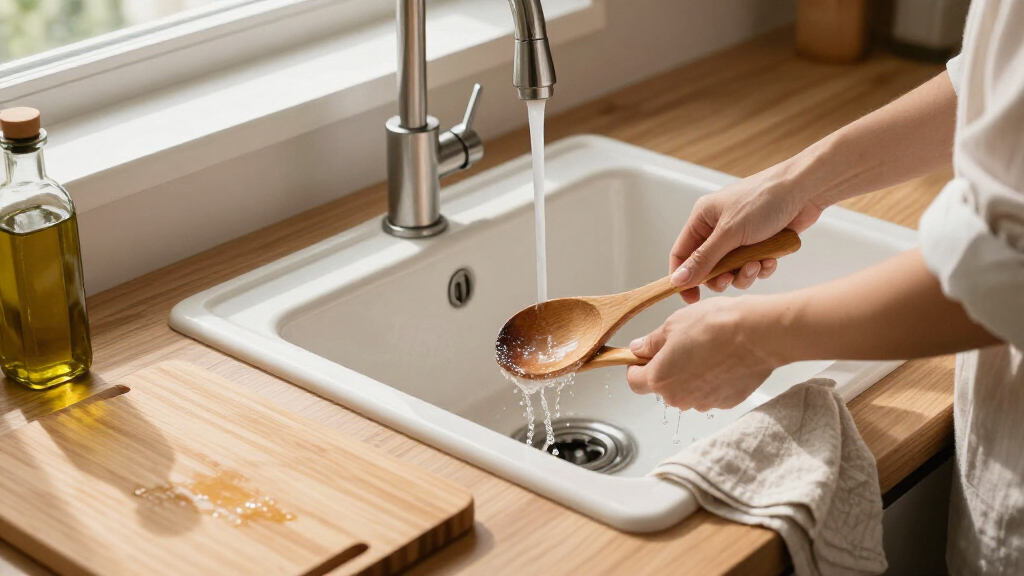
Use warm water and mild soap for daily cleaning—avoid harsh detergents.
Never soak wooden utensils for long or put them in the dishwasher.
Dry thoroughly after washing to prevent mold and cracking.
Oil your wooden utensils every 2-3 months with food-grade mineral oil to prevent splitting.
Natural solutions like vinegar or baking soda are effective for sanitizing and odor removal.
Why Gentle Cleaning Is Key to Wooden Utensil Longevity
Wooden spoons and utensils thrive on gentle care. Using harsh detergents or abrasive scrubbers can strip away the natural oils and damage the surface. Think of it like caring for a delicate piece of furniture—scrubbing too hard can scratch the finish and weaken the material. For example, if you use a steel wool pad on your wooden spoon, you might remove the shiny surface and create tiny scratches where bacteria can hide. Instead, washing with warm water and a mild dish soap is like giving your utensils a gentle spa treatment, preserving their natural oils and keeping them looking new. This careful approach ensures your utensils stay smooth, safe, and durable for years. Remember, gentle cleaning isn’t just about appearance—it’s about safeguarding the material’s ability to withstand daily use without deterioration. The tradeoff of using harsher methods is accelerated wear and potential health risks from bacteria hiding in cracks or splinters.
food grade mineral oil for wooden utensils
As an affiliate, we earn on qualifying purchases.
As an affiliate, we earn on qualifying purchases.
The Do’s and Don’ts of Cleaning Wooden Spoons
- Do: Wash with warm water and a drop of mild soap immediately after use. For instance, if you cook pasta sauce and then rinse your spoon, doing so promptly prevents stains and odors from setting in, much like cleaning a paintbrush right after painting keeps the bristles in good shape. Proper cleaning also reduces the need for harsher scrubbing later, which can damage the wood’s surface.
- Don’t: Soak your utensils for long periods. Imagine leaving a wooden cutting board submerged in water overnight—that can cause swelling, warping, or cracking as the fibers absorb too much water and then dry unevenly. This weakens the structure, similar to how a sponge becomes floppy when soaked too long. Extended soaking can also create tiny crevices where bacteria and mold may thrive, much like how mold grows in damp corners of a bathroom.
- Do: Dry promptly with a clean towel. For example, after washing, wiping your spoon with a towel is like drying a freshly washed dish—quick action prevents water from seeping into the grain. Air drying in a well-ventilated space is also effective, much like hanging laundry outside on a breezy day helps it dry faster and more evenly, preventing mold or musty odors.
- Don’t: Put wooden utensils in the dishwasher. The intense heat and moisture in a dishwasher are like a sauna for wood—they strip away natural oils and cause rapid deterioration. Think of it as throwing your favorite wooden chair into a hot tub—over time, it can crack or warp. Hand washing and immediate drying are gentler and keep your utensils in better shape, just like caring for fine furniture.
natural wood spoon cleaner vinegar baking soda
As an affiliate, we earn on qualifying purchases.
As an affiliate, we earn on qualifying purchases.
How to Properly Dry and Store Wooden Utensils
Drying is more than just wiping — it’s about preventing mold and cracks. After washing, pat your utensils thoroughly with a towel to remove excess moisture. Imagine drying a delicate flower—gently blotting helps preserve its shape. Then, stand them upright or lay them flat in a well-ventilated area, like hanging clothes on a line to air dry. Proper placement ensures air circulation around all surfaces, allowing moisture to evaporate evenly. For example, placing a wooden spoon in a drying rack with plenty of space around it helps moisture escape from all angles. Avoid stacking them in damp drawers where trapped moisture can create a perfect environment for mold and bacteria, similar to how a closed closet can trap humidity and promote mold growth. If moisture remains in the grain, it can lead to swelling, warping, or even mold growth over time. Proper drying not only preserves the structural integrity but also maintains the aesthetic appeal of your utensils, keeping them looking and functioning like new. Remember, neglecting thorough drying can cause long-term damage that’s often hidden until cracks or odors appear, making preventive care essential for longevity.
As an affiliate, we earn on qualifying purchases.
The Best Way to Keep Wooden Utensils Smooth and Crack-Free
Oiling your wooden spoons every few months is a simple yet powerful way to maintain their quality. Think of it like giving your wooden cutting board a regular coat of food-grade mineral oil—this keeps the surface sealed and protected. For example, after washing your spoon, apply a generous layer of oil like beeswax or mineral oil, similar to applying moisturizer to dry skin. Letting it soak in overnight is like leaving a sponge in water—this ensures the oil penetrates deeply into the tiny pores, strengthening the fibers. Wiping off excess afterward is like removing excess lotion to prevent a sticky residue. Regular oiling acts like a nourishing treatment—imagine your utensils as skin that needs hydration to stay supple and crack-free. Without it, the wood becomes dry and brittle, increasing susceptibility to cracks and splinters, much like cracked leather. Think of it as giving your utensils a spa day—this routine prolongs their life and keeps them looking and feeling like new. The tradeoff of neglecting this step is a higher risk of damage that requires more costly repairs or replacements down the line.
eco-friendly wooden spoon cleaning brush
As an affiliate, we earn on qualifying purchases.
As an affiliate, we earn on qualifying purchases.
Natural and Safe Ways to Sanitize Wooden Utensils
Sanitizing wooden utensils doesn’t require harsh chemicals. Wiping with a solution of vinegar and water (1:1 ratio) is effective and safe because vinegar’s acetic acid kills bacteria without damaging the wood’s porous surface. For example, after preparing raw chicken, wiping your utensils with vinegar helps eliminate bacteria, similar to how a disinfectant spray kills germs on countertops. Alternatively, a quick dip in boiling water can sanitize the surface effectively, as the high temperature destroys bacteria and mold spores—imagine sterilizing baby bottles with hot water. Sprinkling baking soda and gently scrubbing with a brush or cloth also lifts stains and neutralizes odors due to its mild abrasive and alkaline properties, much like how baking soda deodorizes a refrigerator. These natural methods are gentle enough not to compromise the wood’s integrity while providing effective sanitation. Regular use of these techniques ensures your utensils remain safe, odor-free, and in excellent condition, making them reliable tools in your kitchen for years.
Frequently Asked Questions
How often should I oil my wooden utensils?
Aim for every 2-3 months, or whenever they look dry or start cracking. Regular oiling keeps the wood hydrated and prevents damage.Can I put wooden utensils in the dishwasher?
No, the high heat and moisture can cause warping, splitting, or cracking. Hand wash only, and dry immediately.What’s the best way to remove stubborn stains or odors?
Scrub with a baking soda paste for stains, and soak in vinegar or use a vinegar spray for odors. These natural methods are safe and effective.Are there safe disinfectants for wooden utensils?
Yes, diluted vinegar or a mild bleach solution (used sparingly and rinsed well) are safe options to sanitize your utensils.How do I prevent my wooden spoons from cracking?
Keep them dry, avoid soaking, and oil periodically to maintain moisture. Regular maintenance extends their life significantly.Conclusion
Caring for your wooden spoons and utensils isn’t complicated, but it’s essential. Gentle cleaning, thorough drying, and regular oiling keep them looking beautiful and working well for years. Think of it as giving your kitchen tools a little daily love—simple, smart, and surprisingly satisfying.Fall Picks
fall essentials
As an affiliate, we earn on qualifying purchases.