
TL;DR

Get cleaning gear delivered free — and shop member deals
- Fast, free delivery on millions of items
- Access to Prime Big Deal Days deals on October 6–7
- Prime Video, Amazon Music and more included
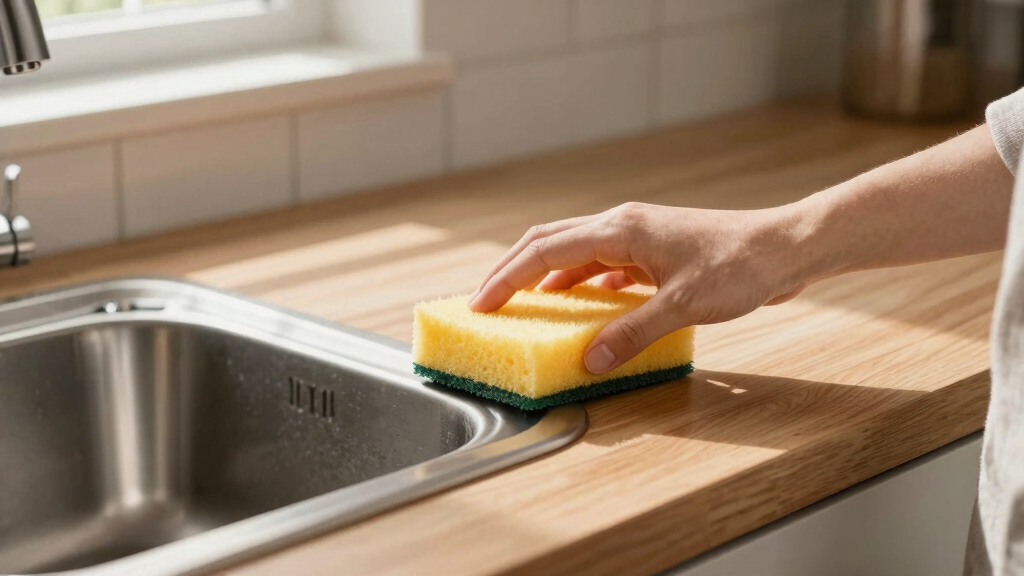
Kitchen sponges can harbor over 10 million bacteria per square centimeter, making them a hotspot for germs. Regular disinfection and timely replacement are key to reducing the risk of cross-contamination in your kitchen.
Every sponge in your kitchen is a tiny petri dish—filled with bacteria, mold, and other microorganisms. It’s easy to overlook how quickly these porous tools become bacterial hotspots, especially when you’re focused on cleaning dishes and counters. But ignoring their bacterial load can increase your risk of foodborne illnesses, even if your kitchen looks spotless.
In this guide, you’ll learn what makes sponges such perfect breeding grounds, how to effectively disinfect them, and when to toss them out. Because understanding the truth about sponges helps you stay ahead of bacteria and keep your kitchen safer for everyone.
Kitchen sponges can harbor over 10 million bacteria per square centimeter, making them a significant source of germs.
Effective disinfection methods include microwaving damp sponges for 1-2 minutes and boiling or soaking in bleach solutions.
Replace sponges every 1-2 weeks or sooner if they develop odors, mold, or grime—don’t ignore the signs.
Silicone scrubbers and properly washed dishcloths are safer, low-bacteria alternatives to traditional sponges.
Good kitchen habits—like drying sponges thoroughly and avoiding cross-contamination—reduce bacterial spread.
Why Do Sponges Harbor So Much Bacteria?
Sponges are like sponges—literally—they soak up water and food particles. Their porous surface provides a cozy home for bacteria to settle and multiply. A single square centimeter of a typical kitchen sponge can harbor over 10 million bacteria, including dangerous strains like E. coli, Salmonella, and Listeria.
Understanding why sponges become bacterial hotspots is crucial because it highlights the importance of regular cleaning and replacement. The porous structure traps moisture and organic debris, creating an ideal environment for bacteria to thrive. This not only increases the bacterial load but also enhances the risk of transmitting harmful pathogens to your dishes, utensils, and even your hands. The larger the bacterial population, the higher the chance that some bacteria are resistant to cleaning efforts, which can lead to persistent contamination and potential outbreaks of foodborne illnesses. Recognizing the risk helps you prioritize proper hygiene practices—like frequent disinfection and timely replacement—to reduce these dangers.
As an affiliate, we earn on qualifying purchases.
How Bacteria Transfer From Sponges to Your Food and Surfaces
Kitchen sponges don’t just quietly sit there—they actively spread bacteria. When you wipe a counter, your sponge deposits germs on surfaces you touch afterward. Similarly, if you’re washing dishes with a contaminated sponge, bacteria can cling to your utensils, plates, and even your hands.
This transfer is significant because it turns your sponge into a vector for cross-contamination. For example, when you use the same sponge on raw meat and then on vegetables or your cutting board, you’re effectively transferring bacteria from the more contaminated source to foods that are often eaten raw, increasing the risk of foodborne illness. Moreover, bacteria can survive on surfaces long enough to infect subsequent food items or utensils, especially if you don’t disinfect your sponge regularly. This cycle of contamination underscores the importance of not only disinfecting sponges but also adopting habits like using separate sponges for different tasks or surfaces, and ensuring all contact points are cleaned thoroughly to break the chain of bacteria transfer and protect your health.
As an affiliate, we earn on qualifying purchases.
The Best Ways to Kill Bacteria in Your Sponge
Disinfecting sponges is simple but effective when done correctly. The most reliable methods include microwaving, boiling, or soaking in a bleach solution.
- Microwave: Dampen the sponge and microwave it on high for 1-2 minutes. This kills most bacteria, but never do this with a dry sponge—it could catch fire or damage the microwave. The microwave heats the water inside the sponge rapidly, destroying bacterial cells through heat, making it a quick and convenient method. However, some bacteria or spores may survive if the sponge is not thoroughly damp or if the heating isn’t sufficient, so this shouldn’t be your only method of disinfection.
- Boiling: Submerge the sponge in boiling water for 5 minutes. Boiling denatures bacterial proteins and effectively sterilizes the sponge. This method is chemical-free and highly effective, but it can degrade some sponge materials over time, so check your sponge’s durability before boiling regularly.
- Bleach soak: Mix 1 tablespoon of bleach in a quart of water and soak the sponge for 5 minutes. Rinse thoroughly afterward to remove residual chemicals. Bleach is a powerful disinfectant capable of killing a wide range of bacteria and viruses, making it ideal for thorough sanitation. Just be cautious with the concentration and ensure complete rinsing to avoid chemical transfer to your dishes.
Always let sponges cool completely before handling, and never microwave or boil a sponge that’s moldy or heavily soiled—replace it instead. Regularly disinfected sponges significantly reduce bacterial levels, but they are not permanently sterile. Therefore, replacing them every 1-2 weeks or sooner if they show signs of wear remains essential for maintaining a bacteria-free environment.
As an affiliate, we earn on qualifying purchases.
When and Why You Should Toss Your Sponge
No matter how diligent you are, sponges wear out. Experts recommend replacing them every 1-2 weeks—sooner if they develop odors, mold, or visible grime. A foul smell indicates bacterial or mold growth, signaling it’s time for a new one.
Imagine wiping down your sink with a sponge that smells sour or looks fuzzy—that’s a sign bacteria and mold are thriving. Continuing to use it risks spreading germs rather than cleaning them. Over time, even with regular disinfecting, sponges can develop microscopic cracks and pores that harbor bacteria, making cleaning less effective. The tradeoff is that keeping an old sponge can inadvertently introduce more bacteria into your kitchen than it removes, increasing your risk of illness. Regular replacement acts as a proactive barrier, ensuring you’re not unknowingly spreading germs with each cleaning.
Switching to a new sponge regularly is one of the simplest ways to keep your kitchen safer and prevent bacterial buildup. It’s a small habit that makes a big difference in overall kitchen hygiene and your health.
As an affiliate, we earn on qualifying purchases.
Are There Safer Alternatives to Traditional Sponges?
Yes, there are options that can reduce bacterial risks. Silicone scrubbers are non-porous, easy to disinfect, and dry quickly. Dishcloths, when washed daily at high temperatures, are a good choice too.
Disposable wipes or scrubbers made from antimicrobial materials are another option, especially for quick cleanup tasks. But remember: no matter what you choose, regular cleaning or replacement is key.
Switching from a traditional sponge to a silicone scrubber can reduce bacterial buildup by more than 80%, according to recent research. By choosing these alternatives, you significantly lower the risk of harboring harmful bacteria, which is especially important for households with vulnerable individuals like children or the elderly. While these options may have a higher upfront cost, their ease of cleaning and reduced bacterial load can save you money and health concerns in the long run. Making informed choices about your cleaning tools is a vital step toward a safer, healthier kitchen environment.
How Your Kitchen Habits Affect Bacterial Growth
Your habits play a big role in bacterial spread. Using the same sponge for raw meat, then for washing fruits, without disinfecting in between, is a recipe for cross-contamination. It’s like passing germs from one food to another.
Also, leaving sponges in a damp sink or on the counter creates a breeding ground. Instead, wring out your sponge thoroughly and let it dry in a well-ventilated area.
Remember, bacteria thrive in moist environments. Keeping your sponge dry and clean is as important as disinfecting it regularly. Developing good habits—like using separate sponges for raw meat and produce, and ensuring your sponge dries completely—can drastically reduce bacterial proliferation, making your kitchen safer and less prone to foodborne illnesses.
Frequently Asked Questions
Are kitchen sponges safe to use?
They are safe if you disinfect them regularly and replace them every 1-2 weeks. But keep in mind, sponges naturally harbor bacteria, so proper cleaning is essential to prevent germs from spreading.
How can I effectively disinfect my sponge?
Microwave damp sponges for 1-2 minutes, boil them in water for 5 minutes, or soak in a bleach solution. These methods kill most bacteria and keep your sponge safer to use.
How often should I replace my sponge?
Every 1-2 weeks is recommended. Replace it sooner if it develops a bad smell, mold, or visible grime, as these indicate bacterial or mold growth.
Are there safer alternatives to sponges?
Yes, silicone scrubbers, dishcloths washed daily at high temperatures, or disposable antimicrobial wipes are safer options that tend to harbor fewer bacteria.
Does dish soap kill bacteria in sponges?
No, dish soap alone isn’t enough. Proper disinfection methods like microwaving, boiling, or bleach soaking are necessary to significantly reduce bacteria.
Conclusion
Remember, your sponge is a tiny bacteria farm. Regular disinfecting and timely replacement are simple steps that protect your family’s health. Think of it as giving your kitchen a fresh start—every week.
Next time you grab that sponge, ask yourself: is it still doing its job, or is it time for a new one? A clean sponge isn’t just about neatness—it’s about staying healthy in your own kitchen.
Fall Picks
fall essentials
As an affiliate, we earn on qualifying purchases.