
TL;DR

Get cleaning gear delivered free with Prime
- Fast, free delivery on millions of items
- Prime Video, Amazon Music and more included
- Member-only deals all year
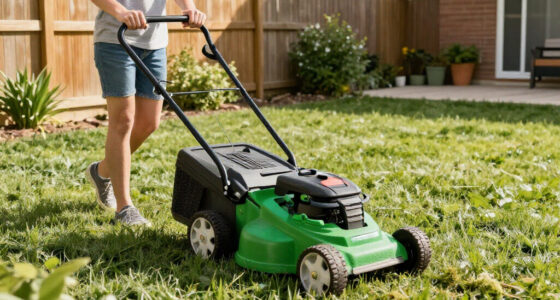
A Hunker report identifies wet or overgrown grass as a major limitation of mulching mowers: clippings can clump under the deck and on the blades, reducing performance and potentially stressing the mower. The report, citing Illinois Extension guidance, says these mowers generally do not perform well when a cut would remove more than one-third of the grass height.
A Hunker report identifies mowing wet or overgrown grass as a major drawback of mulching mowers, which can clog with clippings, lose efficiency and leave clumps on the lawn. The limitation matters to homeowners because those clumps may block light and airflow for turf, while excess cutting can put additional strain on the mower.
Mulching mowers cut grass into small pieces intended to fall back into the turf and decompose. But the approach depends on the mower being able to process the clippings effectively. According to Hunker, tall grass can overwhelm the mower when a pass would remove more than one-third of the grass height. The report cites Illinois Extension for that rule of thumb.
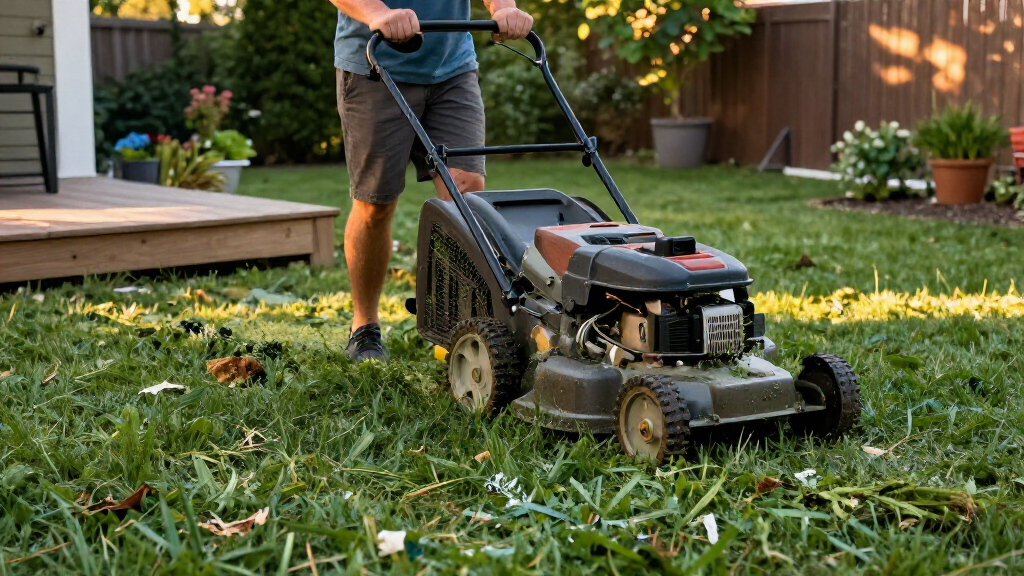
Wet grass presents a separate problem: moisture can make cuttings stick to the mower’s curved blades and collect beneath the deck. That buildup can interfere with airflow and the mulching action, and the mower may have to work harder. Hunker says clumps can reduce efficiency and may damage equipment; it also reports that a mower may shut down when struggling with accumulated grass.
Hunker says clumps may be left on the lawn and may block sunlight and airflow, potentially harming healthy grass. The report says clipping size and distribution vary with mower size and design, so using a mulching mower does not automatically guarantee a healthy lawn.
Clumps Can Harm Turf and Mowers
The limitation affects both lawn appearance and mower performance. Hunker says clumps may be left on the lawn and may block sunlight and airflow. Meanwhile, material accumulating around the blades or under the deck can make the machine less efficient and increase the load on its motor.
For homeowners, the practical consequence is that mulching is not a reliable option in every mowing condition. Cutting too much grass at once, or mowing while the lawn is wet, may lead to clumping and could contribute to damage rather than returning fine clippings to the soil. The report does not quantify how often clogging or turf damage occurs, so these are described as risks, not inevitable outcomes.
Products Worth Considering

TCL 65-Inch T7 Series 4K QLED Smart Google TV, 144Hz (65T7)

Bose SoundLink Max Bluetooth Speaker

Dyson Car+Boat Cordless Handheld Vacuum
As an affiliate, we earn on qualifying purchases.
Mulching Depends on Cutting Conditions
Mulching mowers cut grass into small pieces that are intended to fall back into the turf. Hunker says the same cautions apply to both a dedicated mulching mower and a side-discharge mower using a mulching kit.
Hunker warns against using the method on wet or overgrown grass. Illinois Extension’s guidance, as cited by Hunker, sets a practical limit: avoid removing more than one-third of the grass height in a single mowing. The source also notes that mower design influences the size and spread of clippings, making results dependent on the machine as well as the conditions.
“A mulching mower will not perform well if you need to remove more than one-third of the height of your grass.”
— Hunker, citing Illinois Extension
How Much Damage Depends on Conditions
The supplied report does not provide test results, rates of mower failure or a precise measure of how much wet or overgrown grass increases the risk of damage. It also does not identify a single threshold for what counts as too wet; the one-third guideline applies to the amount of grass removed, not to moisture.
Clumping and lawn effects may vary with the mower’s design, the grass and the conditions. Hunker says wilting, soil compaction, or yellow or brown spots can indicate turf stress, but those signs may also point to other problems, including poor soil aeration or nutrient deficiencies. The report does not establish that mulching caused those symptoms in any particular lawn.
Adjust the Mowing Plan
The report identifies wet or overgrown grass as conditions in which mulching may perform poorly. It also cites the guideline to avoid removing more than one-third of the grass height in one mowing. Hunker notes that wilting or yellow or brown spots may indicate underlying issues such as poor soil aeration or nutrient deficiencies.
No product announcement, policy change or further scheduled development is included in the source material. The report describes clumping under the deck and on the lawn as possible results of mowing wet grass.
Key Questions
What is the main drawback of a mulching mower?
It can perform poorly on wet or overgrown grass. Clippings may clump around the blades or under the deck, interfering with cutting and leaving piles on the lawn.
How much grass should a mulching mower cut at once?
Hunker, citing Illinois Extension, gives a rule of thumb: avoid removing more than one-third of the grass height in one pass.
Why is wet grass a problem for mulching?
Moisture can make clippings stick to the blades and collect beneath the mower deck. That buildup may reduce airflow, make mulching less efficient and leave clumps on the turf.
Can grass clumps hurt a lawn?
Thick clumps may block sunlight and airflow from the grass beneath them, potentially harming turf. The effect depends on conditions; the source does not say damage is inevitable.
Does a mulching mower guarantee a healthier lawn?
No. The report says clipping size and distribution vary by mower design. It also notes that yellow or brown spots and wilting can have causes beyond mowing, such as poor aeration or nutrient deficiencies.
Source: hunker.com