TL;DR

Get cleaning gear delivered free with Prime
- Fast, free delivery on millions of items
- Prime Video, Amazon Music and more included
- Member-only deals all year
Cleaning outdoor windows the right way involves choosing the right weather, tools, and techniques. Using a squeegee and eco-friendly solutions can give you streak-free, clear glass without hassle.
Imagine standing outside on a bright day, sunlight bouncing off your sparkling, spotless windows. It’s a simple pleasure—seeing the world clearly through glass that’s been washed right. But it’s also easy to mess up, leaving streaks or dirt that make the whole effort feel wasted.
In this guide, you’ll learn exactly how to wash outdoor windows without the fuss or frustration. From choosing the best tools to timing your cleaning just right, I’ll walk you through practical steps so your windows stay clear and beautiful—longer and easier than ever.
Choose cloudy days or late afternoons to wash windows for best streak-free results.
Use a high-quality squeegee and microfiber cloths to avoid streaks and smudges.
Clean in a methodical, top-to-bottom sequence to ensure thoroughness and clarity.
Work in the shade and avoid rapid drying solutions to prevent water spots.
Consider eco-friendly and advanced tools like water-fed poles for safer, easier cleaning.
When’s the Best Time to Clean Outdoor Windows?
The ideal moment to wash your outdoor windows is on a cloudy day or late afternoon, when the sun isn’t blazing directly down. Bright sunlight causes water and cleaning solutions to dry too quickly, leaving streaks and spots. For example, if you try cleaning your front porch windows at noon in July, you’ll likely end up with hazy marks and cloudy streaks.
Also, avoid washing windows right after a rainstorm. Dirt and water spots settle on glass, making your cleaning job harder. Waiting for a dry, overcast day ensures your efforts shine through—literally.
According to cleaning experts, timing your wash during mild weather prevents quick drying and helps you see real results, not just smudges.
high quality squeegee for outdoor windows
As an affiliate, we earn on qualifying purchases.
As an affiliate, we earn on qualifying purchases.
Tools That Make Your Windows Look Like New
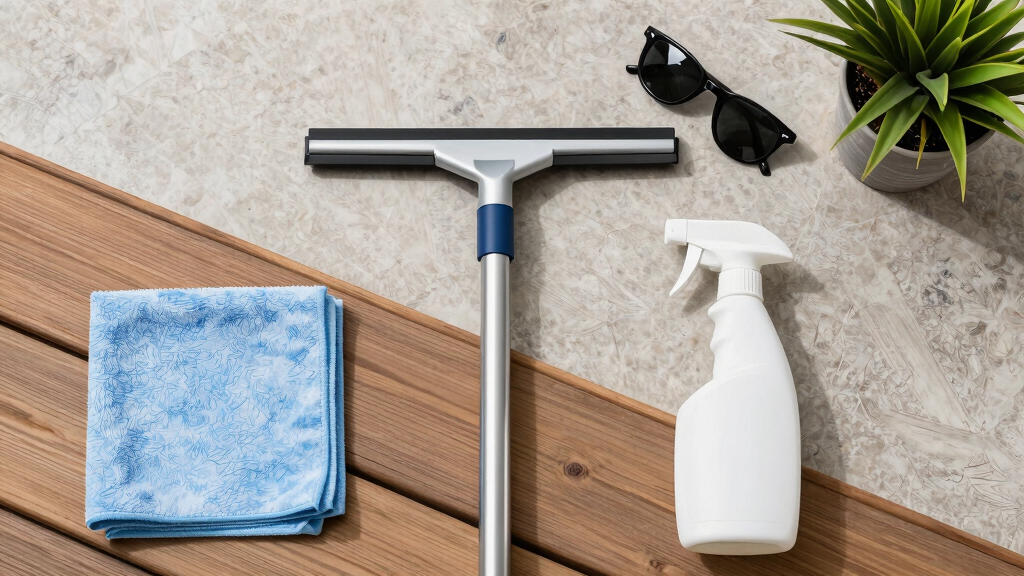
Using the right tools turns a tedious chore into a quick, satisfying task. A high-quality squeegee with a rubber blade is king for streak-free results. Think of it as a magic wand for glass, gliding smoothly over the surface. Pair that with soft microfiber cloths or sponges that gently lift dirt without scratching.
For hard-to-reach spots, extend your tools with telescopic poles or water-fed systems. For example, a water-fed pole with pure, filtered water can clean upper-story windows without a ladder, reducing risk and effort.
Here’s a quick list of must-have tools:
- High-quality squeegee with a rubber blade
- Microfiber cloths or soft sponges
- Bucket of warm water mixed with a mild cleaning solution
- Extension poles or water-fed systems for tall windows
microfiber cleaning cloths for glass
As an affiliate, we earn on qualifying purchases.
As an affiliate, we earn on qualifying purchases.
How to Clean Outdoor Windows Step-by-Step
Follow these steps to get your windows crystal clear:
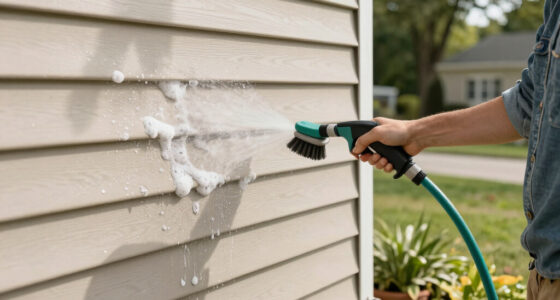
- Start by removing loose dirt and debris with a dry brush or cloth. Think of it as sweeping the porch before painting. Removing surface dirt early prevents scratching the glass during subsequent cleaning, which can cause micro-scratches that dull the surface over time.
- Dip your sponge or cloth into the cleaning solution—warm water with dish soap or vinegar works well—and scrub the glass gently. Focus on corners and stubborn spots. Proper scrubbing dislodges embedded grime that, if left, can cause streaks or cloudiness after drying. Using gentle pressure avoids damaging the glass or frames.
- Use your squeegee, starting at the top of the window and pulling down in a smooth, continuous motion. Wipe the blade with a clean cloth after each pass to prevent re-depositing dirt. Consistent technique ensures even cleaning, reducing streaks caused by uneven residue or leftover dirt.
- Wipe edges and frames with a microfiber cloth to catch drips and prevent water spots. These areas are often overlooked but are prone to water streaks if not dried properly. Proper drying of edges helps maintain clarity and prevents mineral deposits from hard water.
- For large or high windows, consider using extension tools or hiring professional help for safety and better results. Neglecting safety can lead to accidents, and professional tools or expertise ensure a thorough, streak-free finish.
For example, taking 10 minutes to carefully follow these steps can mean the difference between a hazy mess and a glass that sparkles for months.
According to cleaning pros, methodical, top-to-bottom cleaning prevents streaks and leaves your windows streak-free and glossy.
water-fed pole for window cleaning
As an affiliate, we earn on qualifying purchases.
As an affiliate, we earn on qualifying purchases.
The Secret to Streak-Free Windows? Technique and Timing
The key to avoiding streaks is in your technique and timing. Work in straight, overlapping strokes with your squeegee, wiping the blade after each pass. This prevents dirt and water from smudging back onto the glass. Consistent, overlapping strokes ensure even coverage and reduce the chances of missed spots or streaks caused by uneven pressure or residue.
Another tip: Don’t work in direct sunlight. Fast-drying solutions and water spots are common when the sun is hot. Instead, clean in shady spots or during cooler parts of the day. Working in shade allows the cleaning solutions to work longer, giving you a chance to wipe away dirt thoroughly before drying begins, which minimizes streaks and spots.
One trick is to use a damp microfiber cloth to dry edges and frames immediately after squeegeeing. This last step seals the deal on that crystal-clear look. Drying edges prevents water spots from mineral deposits and ensures the entire window appears uniformly clean.
Research shows that these small adjustments can cut streaks by over 50%, saving you time and frustration.
eco-friendly outdoor window cleaning solutions
As an affiliate, we earn on qualifying purchases.
As an affiliate, we earn on qualifying purchases.
Recent Innovations That Make Outdoor Window Cleaning Easier
Technology is making window washing safer and more efficient. Water-fed pole systems with filtered, pure water can reach windows 30 feet high without a ladder. These systems leave no streaks because pure water evaporates, dragging dirt away naturally. They eliminate the need for harsh chemicals and reduce the risk of falls, making high-reach cleaning safer for homeowners.
Biodegradable, non-toxic cleaning solutions are gaining popularity. They clean just as well as harsh chemicals but are safer for your family, pets, and the environment. Choosing eco-friendly products reduces chemical runoff, protects aquatic life, and minimizes indoor air pollution, especially when used indoors or in enclosed spaces.
Some professional services now use robotic window cleaners with sensors. These gadgets can handle skyscraper windows, but for most homes, modern tools and smart techniques suffice. While robots are impressive, they often require specialized setups and can be costly, so understanding and investing in good manual tools can be more practical for everyday homeowners.
Staying ahead means choosing eco-friendly products and investing in tools that save time and reduce risk while giving you that clean, streak-free shine.
Quick Facts to Keep Your Windows Looking Perfect
– Clean windows every 6 to 12 months for best appearance and longevity.
– Dirt, pollen, and hard water deposits can cause glass deterioration if neglected, leading to etching or cloudiness that can’t be easily reversed. Regular cleaning prevents these deposits from settling deeply into the glass surface, maintaining clarity and prolonging the lifespan of your windows.
– Proper tools and techniques prevent scratches and streaks, saving time and effort. Using the right tools reduces the need for repeated cleaning, which can damage the glass or frames over time.
– Eco-friendly solutions like vinegar and biodegradable cleaners work well and are safer for the environment. They also reduce indoor chemical exposure, making them ideal for homes with children or pets.
– Safety first: use stable ladders, extendable tools, or professional help for high or hard-to-reach windows. This reduces the risk of accidents, especially when working at heights or on uneven surfaces.
These simple facts are your best friends for maintaining crystal-clear glass all year round.
Your Top Questions About Cleaning Outdoor Windows — Answered
How often should I wash my outdoor windows? Every 6 to 12 months is ideal, but more in areas with lots of pollen or pollution.
Can I use vinegar for cleaning? Yes, diluted vinegar is a safe, eco-friendly option that cuts through grime without harsh chemicals.
What’s the best tool for streak-free results? A high-quality squeegee combined with microfiber cloths gives the cleanest, clearest glass.
How do I prevent streaks? Work in the shade, wipe the squeegee blade often, and dry edges thoroughly with a microfiber cloth.
Is professional help necessary for high windows? Not always, but for safety and perfect results, especially at heights, it’s worth considering.
Any tips for large or tricky windows? Use extension poles, water-fed systems, or hire pros to avoid accidents and get the best shine.
Conclusion
Cleaning outdoor windows isn’t just about pushing a cloth and hoping for the best. It’s about timing, tools, technique, and a little patience. When you follow these steps, your glass will reflect the world around you—bright, clear, and streak-free.
Next time you reach for your sponge, picture those sunlit mornings and the view waiting behind your sparkling windows. A little effort now means a lifetime of brighter, clearer views.
Columbus Day / Indigenous Peoples' Day Picks
long weekend sales
As an affiliate, we earn on qualifying purchases.