
TL;DR

Get cleaning gear delivered free with Prime
- Fast, free delivery on millions of items
- Prime Video, Amazon Music and more included
- Member-only deals all year
Washing outdoor windows requires choosing the right weather, tools, and techniques. Working from top to bottom with microfiber cloths or squeegees, and using eco-friendly cleaners, keeps your windows streak-free and bright. Regular cleaning every 6-12 months prolongs their life and appearance.
Imagine standing on your porch, sunlight bouncing off a streaky window. It’s frustrating, right? But washing outdoor windows isn’t just about aesthetics. It’s about clarity, prolonging the life of your windows, and even saving energy. If you’ve ever struggled with streaks or missed spots, you’re not alone.
In this guide, you’ll learn the straightforward, effective way to clean outdoor windows. No hype, no harsh chemicals—just practical tips based on real-world experience. Whether you’re tackling a single picture window or a multi-story facade, these steps will help you get it done right and keep your view crystal clear.
Choose cloudy days or early mornings to wash windows for the best streak-free results.
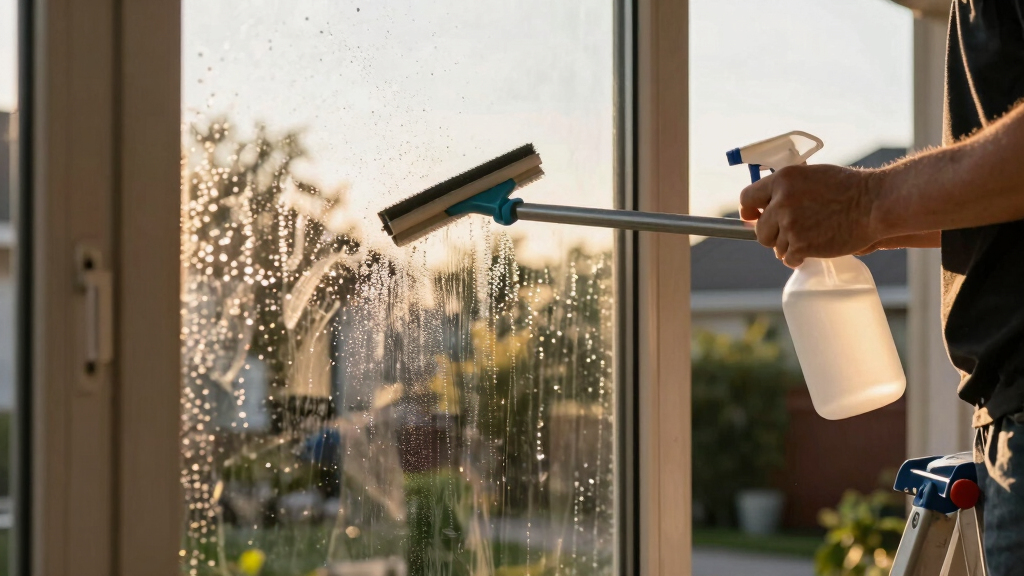
Use a squeegee and microfiber cloths from top to bottom, working gently to avoid streaks.
Eco-friendly solutions like diluted vinegar work well and are safe for your plants and surfaces.
Clean windows every 6-12 months, more often if your environment is dusty or polluted.
Prioritize safety: stable ladders, gloves, and avoiding windy or icy days are essential.
The Right Way to Wash Outdoor Windows
TL;DR: Choose mild weather, loosen debris first, wash from top to bottom, then finish with a clean squeegee and microfiber towel. Eco-friendly cleaners and a steady 6-12 month routine keep glass bright, seals protected, and streaks under control.
Cloudy + Calm
Early morning or overcast conditions slow drying and reduce haze.
Top to Bottom
Gravity works with you, keeping drips from crossing clean glass.
Up to 70%
Squeegee plus microfiber outperforms wiping with a rag alone.
Months between routine outdoor window washes.
Months near trees, busy roads, dust, or construction.
One part vinegar to two parts water for a gentle cleaner.
Brush, wash, squeegee, wipe blade, dry edges.
Clean glass starts before the first wipe.
Most streaks come from rushed timing, dirty tools, or wiping dirty water across clean areas. This sequence keeps soil moving away from the glass instead of back onto it.
Brush
Remove loose dirt, pollen, cobwebs, and grit from frames and sills.
Mix
Use warm water with mild dish soap, or diluted vinegar for grime.
Scrub
Work gently with microfiber or sponge from the top edge downward.
Squeegee
Pull steadily top to bottom, wiping the blade after each pass.
Detail
Dry edges, corners, tracks, and frames to prevent water spots.
The streak-free kit is simple, but specific.
Outdoor windows punish improvisation. Paper towels, dirty rags, direct sun, and windy days all make the job harder than it needs to be.
Cloud Beats Sun
Direct sunlight dries solution too fast. Choose cloud cover, early morning, or late afternoon.
Squeegee + Microfiber
A clean rubber blade removes water evenly; microfiber catches remaining moisture without lint.
Extension Poles
Use poles or proper scaffolding for high windows. Avoid leaning or stretching from ladders.
Technique Impact Snapshot
Pick the method that matches the job.
For most homes, a squeegee and microfiber cloths offer the best balance of cost, control, and finish. Large or high facades may justify more specialized equipment.
| Method | Effectiveness | Best For | Pros | Tradeoff |
|---|---|---|---|---|
| Squeegee & Microfiber | ✓High | Most home windows | Fast, reusable, streak-resistant | ~Needs a little technique |
| Traditional Rags & Water | ~Moderate | Small touch-ups | Simple and low-cost | ✗More streaks and lint |
| Water-Fed Pole System | ✓Very High | High or many windows | Reach, pure water, fewer chemicals | ~Higher equipment cost |
| Harsh Chemical Sprays | ~Variable | Limited spot use | Can cut heavy grease quickly | ✗Risk to frames, plants, and finishes |
Clean windows without making the job risky.
The right cleaner is gentle on glass, frames, and landscaping. The right safety setup matters even more, especially when height, wind, or slippery conditions enter the picture.
Plant-Safe Cleaner Ratio
Diluted vinegar cuts grime without ammonia fumes. Rinse with clean water afterward so residue does not dry on the glass.
Weather Risk Scale
Delay the job when wind, ice, storms, or extreme heat appear. No window is worth unstable footing.
Safety rule: Use stable ladders or scaffolding, keep both feet supported, wear gloves when using cleaners, and stop if the surface, ladder, or weather feels uncertain.
Every clear pane follows the same logic.
Streak-free glass is not a single trick. It is a connected sequence of weather choice, surface prep, controlled washing, and consistent maintenance.
Weather
Cloudy, mild, low wind.
Prep
Brush frames and sills first.
Cleaner
Mild soap or vinegar mix.
Pull
Squeegee top to bottom.
Edges
Dry frames and corners.
Repeat
Clean every 6-12 months.
How often should outdoor windows be cleaned?
Most homes do well every 6-12 months. Near trees, traffic, dust, or construction, aim for every 3-4 months.
What prevents streaks best?
Clean in mild shade, work from top to bottom, use a clean squeegee, and dry the edges with microfiber.
When’s the Best Time to Wash Your Windows?
The secret to a streak-free shine? Timing matters. Choose a cloudy day or early morning when the sun isn’t blazing down. Bright sunlight causes cleaning solutions to dry too fast, leaving streaks and spots behind. Avoid washing during rain or extreme heat—both mess with your results.
Picture this: a homeowner tries to clean her windows in the midday sun. The glass dries instantly, leaving a haze that’s even worse than before. Instead, she waits for late afternoon—perfect weather, clean results.
Pro tip: Regular cleaning every 6 to 12 months keeps buildup manageable, but the weather is the real boss. Pick days with mild temperatures and no wind for best results.
As an affiliate, we earn on qualifying purchases.
Tools You Need for a Spotless Finish
Using the right tools makes all the difference. Here’s what you need:
- Soft-bristled brush or broom to loosen debris
- Bucket with warm water and a few drops of mild dish soap
- Microfiber cloths or lint-free towels
- Squeegee with a rubber blade
- Extension pole for high windows
- Gloves to protect your hands
Imagine trying to clean a second-story window with just paper towels. Frustrating, right? Using a squeegee and microfiber cloths, you’ll see a dramatic difference—less streaking, more clarity.
Tip: Keep your tools clean. A dirty squeegee leaves streaks. Rinse your microfiber cloths frequently for best results.
As an affiliate, we earn on qualifying purchases.
Step-by-Step: How to Wash Outdoor Windows Like a Pro
- Brush off loose dirt and cobwebs from frames and sills.
- Mix warm water with a few drops of mild soap in your bucket.
- Dip your microfiber cloth or sponge into the solution, and gently scrub the glass, working from top to bottom.
- Use a squeegee from top to bottom, wiping the blade with a clean cloth after each pass.
- Dry edges and frames with a microfiber towel to prevent water spots.
Imagine carefully moving your squeegee in a smooth, steady motion—like drawing a clean line across a canvas. This method prevents drips and streaks, leaving your glass shining.
Tip: For stubborn spots, sprinkle a little baking soda on your sponge or cloth before scrubbing. Rinse thoroughly afterward.
As an affiliate, we earn on qualifying purchases.
Compare Common Cleaning Methods for Outdoor Windows
| Method | Effectiveness | Pros | Cons |
|---|---|---|---|
| Squeegee & Microfiber | High | Fast, streak-free, reusable tools | Requires some skill |
| Traditional Rags & Water | Moderate | Simple, low-cost | Streaks, more effort |
| Water-fed Poles | Very High | Safe, chemical-free, reach high windows | Expensive equipment |
For most homeowners, a squeegee combined with microfiber cloths offers the best balance of effectiveness and ease. While water-fed systems excel at reaching high or multiple windows efficiently, they come with a higher financial investment. Choosing the right method depends on your specific needs, the size of your property, and your willingness to invest in equipment. This tradeoff influences how often and how quickly you can maintain your windows, affecting the overall appearance and longevity of your glass surfaces.
window cleaning kit for outdoor windows
As an affiliate, we earn on qualifying purchases.
As an affiliate, we earn on qualifying purchases.
Eco-Friendly Cleaners That Actually Work
Washing outdoor windows doesn’t mean sacrificing the planet. Diluted vinegar—mix one part vinegar with two parts water—cuts through grime and leaves no streaks. It’s safe for plants, too.
Imagine spraying a gentle vinegar solution on your garden-side windows. The fresh tang cuts grease, and you don’t have to worry about toxic fumes or damaging your frames.
Other options include biodegradable, ammonia-free cleaners that are just as effective. These eco-friendly options are formulated to be less harsh on the environment but still deliver powerful cleaning. They often contain natural enzymes or plant-based surfactants that break down dirt without leaving harmful residues. When selecting cleaners, consider the tradeoff between cost, environmental impact, and cleaning power. Always test first to ensure compatibility with your surfaces, especially on delicate finishes or tinted glass.
Pro tip: Rinse with clean water after using vinegar to prevent any residue from drying on the glass.
How Often Should You Really Clean Outdoor Windows?
Most experts recommend every 6 to 12 months to keep your windows clear and prevent buildup. However, if you live near busy roads, trees, or construction, you might need to clean more often.
Picture a homeowner in a leafy suburb—her windows get dirty quickly from pollen and dust. She finds that every 4 months keeps her view bright and her frames in good shape.
Remember: Regular cleaning prevents stubborn stains and prolongs the life of your glass and seals. Neglecting this routine can lead to mineral deposits from hard water, mold growth in frames, and scratches from abrasive debris, all of which compromise the integrity of your windows over time. Establishing a regular schedule based on your environment helps maintain clarity and extends the lifespan of your investment in windows.
Safety First: How to Protect Yourself When Cleaning Outdoors
Cleaning high or hard-to-reach windows requires caution. Always use a sturdy ladder or scaffolding—never stretch or lean dangerously.
Imagine balancing on a rickety ladder while trying to reach a second-story window. It’s risky and avoidable with proper equipment.
Wear gloves if using chemical cleaners, and avoid cleaning in windy conditions. Check your ladder’s stability before starting, and have someone hold it if possible.
Never attempt to clean windows during storms, high winds, or icy conditions — safety always comes first. Failing to adhere to these precautions can result in falls, injuries, or accidents that could be life-altering. Investing time in proper safety measures not only protects you but also ensures your cleaning session is effective and stress-free. Remember, no window is worth risking your health or safety.
Frequently Asked Questions
How often should I clean outdoor windows?
Most homes benefit from cleaning every 6 to 12 months. However, if you live near trees, busy roads, or construction, more frequent cleanings—around every 3-4 months—are advisable to keep windows clear and prolong their life.What’s the best way to avoid streaks?
Use a clean squeegee or microfiber cloth, work from top to bottom, and dry edges and frames thoroughly. Avoid cleaning in direct sunlight, which causes quick drying and streaks. Proper technique makes all the difference.Can I use household vinegar for outdoor window cleaning?
Yes, diluted vinegar (one part vinegar to two parts water) is effective at cutting grime and leaves no streaks. It’s also safe for plants and surfaces. Always rinse with clean water afterward to prevent residue.Is it safe to clean windows in the rain?
No, rain dilutes cleaning solutions and causes streaks. Plus, wet surfaces are slippery, increasing safety risks. Wait for dry, cloudy days for the best results.What safety precautions should I take?
Always use sturdy ladders or scaffolding, avoid working on windy or icy days, and wear gloves if using chemical cleaners. Never lean too far or stretch dangerously to reach high windows.Conclusion
Cleaning outdoor windows isn’t complicated—just follow the right steps, use the proper tools, and pick the right weather. Your view will be brighter, clearer, and more inviting.
Next time you step outside, picture those sparkling panes—your effort paying off every time sunlight hits that perfect, streak-free shine. A clean window is a small change with a big impact—enjoy the view.
Columbus Day / Indigenous Peoples' Day Picks
long weekend sales
As an affiliate, we earn on qualifying purchases.