
TL;DR

Get cleaning gear delivered free with Prime
- Fast, free delivery on millions of items
- Prime Video, Amazon Music and more included
- Member-only deals all year
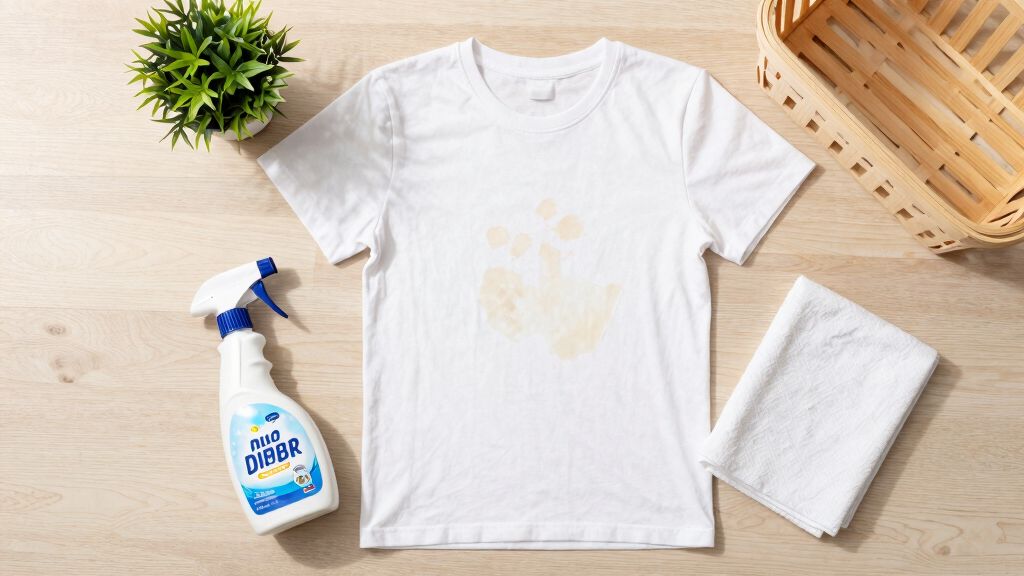
Act quickly when grease hits your clothes. Use dish soap or baking soda before washing in hot water (if safe for fabric). Check stains before drying to prevent setting. Recent advances include enzyme cleaners and eco-friendly solutions for better results.
Grease stains hit your favorite shirt during dinner or a DIY project. You see the dark, oily patch and wonder how to get it out without ruining the fabric. Good news: with the right steps, you can often erase grease from clothes with stuff you already have at home.
This guide walks you through quick actions, effective pre-treatments, and tips for stubborn stains. You’ll learn how to tackle fresh spills and old marks, saving your clothes and your day.
Act immediately after a grease spill—time is your best friend in stain removal.
Apply dish soap directly on the stain and let it sit for at least 5 minutes before washing.
Use the hottest water safe for your fabric to dissolve and wash away grease effectively.
Always check the stain before drying; heat can set stubborn grease permanently.
Repeat treatments if necessary—most stains need more than one round of pre-treatment and washing.
Act Fast: Why Quick Action Matters for Grease Stains
The faster you treat a grease stain, the easier it is to remove. Fresh grease isn’t set into fibers yet, making it more soluble. When grease is fresh, it’s still in a semi-liquid state, which allows household cleaning agents like dish soap to break down the oils more effectively. Waiting too long gives the grease time to bond with fibers and oxidize, making it harder to lift. Acting quickly also prevents the stain from spreading or setting deeper into the fabric, which can cause permanent discoloration or damage. This is why immediate blotting and treatment are crucial—your chances of completely removing the stain diminish rapidly as time passes. Recognizing how the timing affects the chemistry of grease and fabric interaction emphasizes the importance of swift action, turning a potentially stubborn stain into a manageable one with minimal effort.
According to Outright Cleaning, acting within the first 15 minutes greatly improves your chances of complete removal. The longer grease sits, the more it bonds with fibers, turning into a stubborn, hard-to-remove mark.
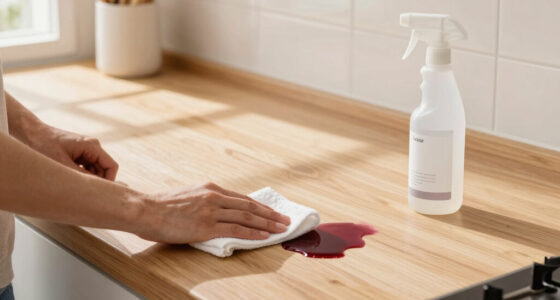
So, keep paper towels or clean cloths nearby when cooking or working on greasy projects. Blot, don’t rub—this prevents spreading or embedding the stain deeper.
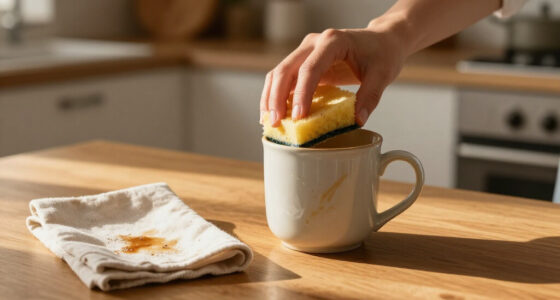
dish soap for grease stain removal
As an affiliate, we earn on qualifying purchases.
As an affiliate, we earn on qualifying purchases.
Pre-Treatment Hacks: The Best Household Tricks for Grease
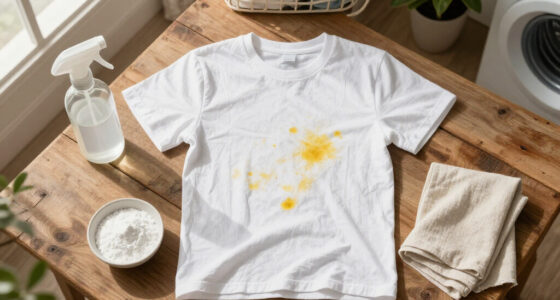
Pre-treatment is your secret weapon. The goal: loosen and lift grease before a wash. Your kitchen is full of effective options, but understanding why each method works helps you choose the best approach for different situations. Applying dish soap directly onto a stain works because dish soap contains surfactants—molecules that reduce surface tension and break down greasy oils into smaller, water-soluble particles. This makes it easier for water and detergent to wash away the stain. Baking soda or cornstarch absorb excess grease, which is especially useful for thick or stubborn stains; they act like sponges, pulling oils out of fibers. However, the effectiveness of these methods depends on the stain’s age and severity. For example, using baking soda on a fresh stain may be more effective than on an old, set-in stain, which might require additional treatments. The tradeoff is that overusing powders can sometimes cause residue or alter fabric texture if not rinsed properly. Recognizing these nuances allows you to tailor your pre-treatment strategy, maximizing stain removal while minimizing potential fabric damage or residue. The key is to understand the chemistry behind each method, so you can decide whether to combine techniques or target specific stain types for best results.
Here’s a quick step-by-step:
- Apply a generous dab of dish soap directly onto the stain. Dish soap is designed to cut through grease, so it’s perfect for this job.
- Gently work it into the fabric with your fingers or a soft brush.
- Let it sit for 5-10 minutes—no longer, to avoid setting the stain.
- For stubborn stains, sprinkle baking soda or cornstarch over the area. These absorb excess grease and make blotting more effective.
For example, if you spill cooking oil on your cotton shirt, a quick squirt of dish soap and a 10-minute wait can make the difference between a stain and a clean shirt.
As an affiliate, we earn on qualifying purchases.
The Perfect Wash: How Hot and How Long
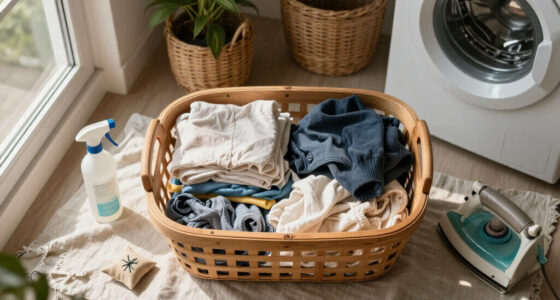
Washing is where all the pre-treatment efforts come together. Use the hottest water safe for your fabric—check the care label. Hot water helps dissolve grease, but some delicate fabrics like silk or wool need cooler temps. The temperature you choose should balance effectiveness with fabric safety. Hot water can accelerate the breakdown of residual oils, making cleaning more efficient. However, if the fabric is delicate, high temperatures may cause shrinking, color fading, or damage. Selecting the right cycle and temperature is a tradeoff—higher temps for stubborn stains versus gentler care for delicate textiles. Consider also the detergent’s formulation; enzymes in some detergents actively break down fats and oils, enhancing cleaning power. Adding an extra rinse cycle can further remove residual oils that may have loosened during washing. Imagine washing a greasy work shirt in 140°F water—this can loosen stubborn stains significantly. But if your blouse says “hand wash only,” stick to cool or lukewarm water and consider reapplying stain remover before washing again. Always check the stain before drying; heat can set in grease if the stain isn’t fully gone, turning it into a permanent mark—so patience and inspection are essential steps in the process.
As an affiliate, we earn on qualifying purchases.
Frequently Asked Questions
What is the fastest way to remove a fresh grease stain?
Blot the stain immediately with a paper towel or cloth to absorb excess oil. Then, apply dish soap directly onto the stain and let it sit for 5-10 minutes before washing in hot water if the fabric allows.
Can I remove grease stains from delicate fabrics like silk or wool?
Yes, but be gentle. Use cool water and a small amount of dish soap or a specialized delicate fabric stain remover. Avoid hot water and harsh scrubbing to prevent damage.
Are natural remedies as effective as commercial stain removers?
Natural remedies like baking soda and vinegar work well for light stains and are eco-friendly. For stubborn or old grease marks, commercial products with enzymes often perform better, especially on deeply set stains. Understanding the chemistry behind these options helps you choose the right method for each stain, balancing effectiveness with fabric safety.
How do I remove old, set-in grease stains?
Repeated treatments often help. Soak the item in warm water with a bit of laundry detergent, reapply dish soap, or try a commercial grease remover. Patience and multiple attempts are key, and sometimes combining methods (like soaking followed by pre-treatment) yields the best results.
What should I do if the stain doesn’t come out after washing?
Don’t dry the garment. Re-treat the stain with dish soap or baking soda, let it sit, then wash again. If stubborn, consider taking it to a professional cleaner who can use specialized techniques to remove residual grease without damaging the fabric.
As an affiliate, we earn on qualifying purchases.
Conclusion
Grease stains aren’t a lost cause. With quick action, smart pre-treatment, and proper washing, you can save your clothes from oily mishaps. Think of it as a small kitchen science experiment—simple, effective, and satisfying when it works.
Next time grease hits your shirt, remember: treat it fast, use what you have, and double-check before heat. Your wardrobe—and your wallet—will thank you for it.
Fall Picks
fall essentials
As an affiliate, we earn on qualifying purchases.