TL;DR

Get cleaning gear delivered free with Prime
- Fast, free delivery on millions of items
- Prime Video, Amazon Music and more included
- Member-only deals all year
Act fast—blot the stain immediately. Use cold water, natural remedies like vinegar or baking soda, or commercial stain removers tailored to your material. Persistent stains may need repeat treatments or professional help.
Red wine stains strike when you least expect them—on your favorite shirt, your plush carpet, or that expensive tablecloth. The good news? Acting fast and knowing what to do can make even stubborn stains fade away. You don’t need fancy chemicals—simple household items often do the trick.
This guide walks you through easy, practical steps to tackle red wine stains on almost anything. Whether it’s a quick spill during dinner or a stubborn mark on upholstery, you’ll learn how to beat those pesky stains with confidence and care.
Act immediately—blot and soak with cold water to prevent set-in stains.
Identify the surface and choose tailored methods—natural or commercial—accordingly.
Natural remedies like salt, baking soda, and vinegar are effective and safe if used promptly.
Heat and vigorous scrubbing can set or spread stains—treat gently and patiently.
Persistent stains may require professional cleaning or multiple treatments—don’t force it.
Why Acting Fast Is Your Best Weapon Against Red Wine Stains
Red wine is rich in pigments and tannins that cling tightly to fabrics and surfaces. The longer it sits, the more these molecules sink in and set. This is why immediate action is crucial—delaying allows the stain to penetrate deeper, making it harder to remove. Blotting quickly can prevent the stain from becoming permanent, saving you time and effort later. Think of it like catching a spill before it has a chance to soak in fully. The tradeoff here is that rushing without proper technique might spread the stain or push it further in, so gentle blotting is key. Also, heat from hot water or drying can cause the stain to set permanently, so patience and cold treatment are essential to keep your chances of removal high.
As an affiliate, we earn on qualifying purchases.
How to Treat Red Wine Stains on Different Surfaces — The Step-by-Step Guide
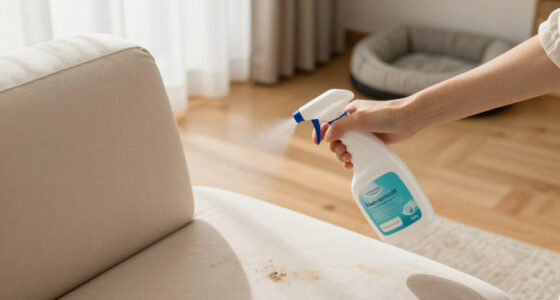
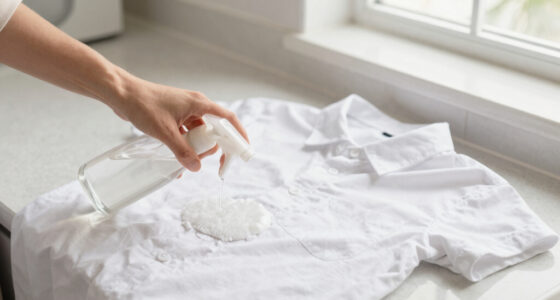
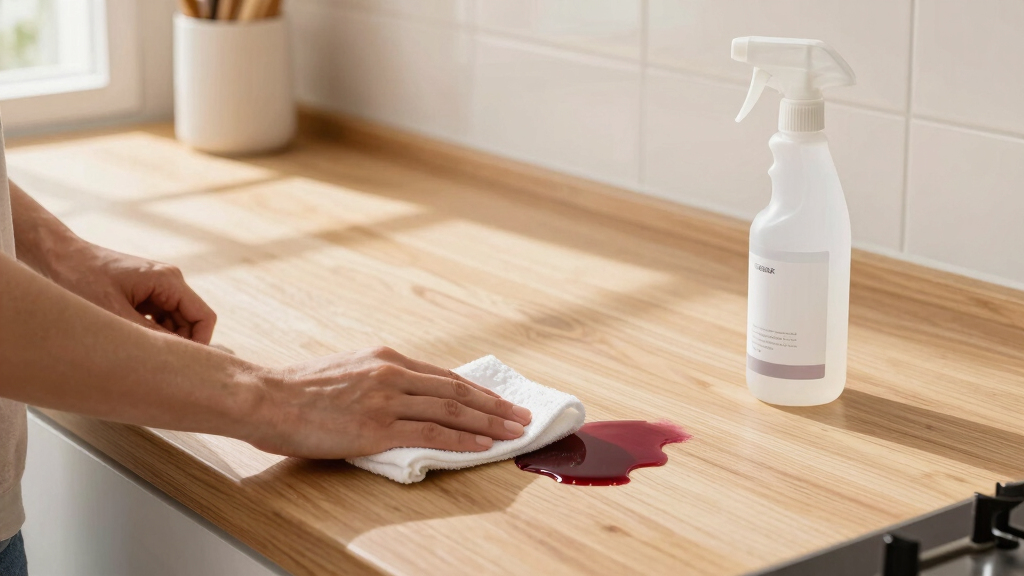
Each material requires a different approach because of its composition and how it interacts with liquids. For example, fabrics absorb stains more deeply, while hard surfaces only need surface cleaning. Understanding these differences helps you choose the most effective technique and avoid damaging your items. For clothing or upholstery, quick blotting prevents the stain from setting and allows cleaning agents to penetrate before the pigments embed further. On carpets, timely action prevents the stain from sinking into the fibers, which could trap the pigment deeper, making removal more difficult. Hard surfaces like wood or tile are less absorbent, so wiping immediately can prevent the stain from spreading or seeping into cracks. Delicate fabrics may require testing a small area to prevent damage or discoloration. Always check manufacturer care labels, as some materials might require special cleaning methods or professional intervention for stubborn stains. The tradeoff in choosing the wrong method is the risk of damage or permanent staining, so tailored approaches are necessary for best results.
As an affiliate, we earn on qualifying purchases.
Natural Remedies That Really Work — No Harsh Chemicals Needed
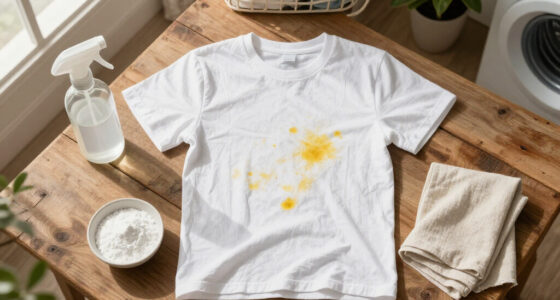
Natural solutions are surprisingly effective because they often work in harmony with the fabric or surface, reducing the risk of damage or discoloration. For instance, salt absorbs the wine’s liquid and pigments quickly, preventing the stain from setting if applied immediately. Baking soda acts as a gentle abrasive and deodorizer, helping lift the stain without harsh chemicals. Vinegar neutralizes pigments through its acidity, breaking down the wine’s tannins and making the stain easier to remove. Club soda’s carbonation can lift the pigment particles from fibers through gentle bubbling. The tradeoff with natural remedies is that they often require prompt application and multiple treatments for stubborn stains, especially on older or dried stains. Using these methods also minimizes chemical exposure and environmental impact, making them safer options for your family and the planet. When choosing natural remedies, consider the surface type and stain age—what works well on fresh stains on fabric might be less effective on dried or set-in stains on carpets or upholstery.
As an affiliate, we earn on qualifying purchases.
Comparing Commercial vs. Natural Approaches — What Works Best?
| Method | Effectiveness | Ease of Use | Safety & Eco-Friendliness |
|---|---|---|---|
| Commercial stain removers | High, especially enzyme-based formulas designed to break down proteins and tannins | Very easy—simply spray, soak, or apply as directed | Variable—some contain harsh chemicals, so check labels for eco-friendly or biodegradable options |
| Natural remedies | Moderate to high, especially effective on fresh stains; less predictable on dried or old stains | Simple but may require patience and multiple applications | Very safe, eco-friendly, and often biodegradable, minimizing environmental impact |
Choosing between these approaches depends on your stain’s age, fabric type, and personal preferences. For fresh stains, natural methods often suffice and are gentler on fabrics. For older, dried, or stubborn stains, commercial products with specialized enzymes might be more effective. The tradeoff is that chemical-based products may pose safety concerns or environmental issues if not used carefully. Balancing effectiveness with safety and environmental impact helps you make an informed choice tailored to your situation.
As an affiliate, we earn on qualifying purchases.
What If the Stain Won’t Budge? When to Call in Reinforcements
If repeated treatments don’t work, it’s often because the stain has penetrated deeply or has dried and set into the fabric or surface. For delicate or valuable items, aggressive scrubbing or chemical treatments can cause damage, weakening fibers or causing discoloration. At this point, professional cleaning is the safest option—experts have specialized equipment and solutions that can break down stubborn stains without harming the material. For example, a high-end silk blazer with a persistent wine stain risks damage if you try to scrub it yourself; a professional cleaner can use gentle yet effective methods that preserve the fabric’s integrity. The tradeoff here is that professional cleaning might be costly or time-consuming, but it’s often worth it to preserve the item’s value and appearance. Sometimes, patience and professional intervention prevent irreversible damage, saving you money and stress in the long run.
Remember: forcing the stain or using harsh chemicals can worsen the problem, so recognize when professional help is the best course of action.
Prevention Tips: Keep Those Red Wines in Check
The best way to beat stains? Stop them before they happen. Use coasters, wine stoppers, or drink from a glass with a sturdy base. When hosting, placing drinks on placemats or trays helps catch any accidental spills before they reach your fabrics or surfaces. These simple preventative measures are crucial because once a stain sets, removing it becomes much more difficult and may require extensive cleaning or professional intervention. For example, a coaster under each glass not only protects your table but also reduces the risk of accidental knocks that can cause a spill. Developing these habits creates a proactive barrier, saving time, effort, and potential damage to your belongings. The tradeoff is minimal—these small habits can significantly reduce frustration and preserve your valuables over time.
By adopting mindful drinking habits and setting up your space thoughtfully, you create an environment where accidental spills are less likely, and your fabrics stay pristine longer.
Frequently Asked Questions
What’s the fastest way to remove a red wine stain?
Blot the stain immediately with a clean cloth or paper towel. Then rinse with cold water or apply a stain remover before washing or further treatment. Acting fast is key to preventing the stain from setting.
Can I remove red wine stains from all fabrics?
Most fabrics respond well, but delicate or dry-clean-only fabrics should be treated with care or taken to professionals. Always check care labels before attempting stain removal.
Are natural remedies effective?
Yes, household items like salt, baking soda, vinegar, and club soda can be quite effective if used promptly. They’re eco-friendly options that often work better than harsh chemicals, especially on fresh stains.
Will heat set the stain?
Absolutely. Hot water, ironing, or drying can make the stain impossible to remove. Always treat the stain first, then use heat only after it’s gone.
How do I remove red wine from carpets or upholstery?
Blot to absorb excess, then use a mixture of dish soap and white vinegar or commercial fabric stain removers designed for upholstery. Repeat as needed, and consider professional cleaning for stubborn or valuable items.
Conclusion
When red wine takes a tumble on your favorite fabric or surface, quick and gentle action is your best friend. Remember, patience beats force—repeated treatments often win the battle.
Next time you spill, picture yourself calmly blotting, dabbing, and treating with simple household items. That red stain doesn’t stand a chance.
Halloween Picks
halloween
As an affiliate, we earn on qualifying purchases.