
TL;DR

Get cleaning gear delivered free with Prime
- Fast, free delivery on millions of items
- Prime Video, Amazon Music and more included
- Member-only deals all year
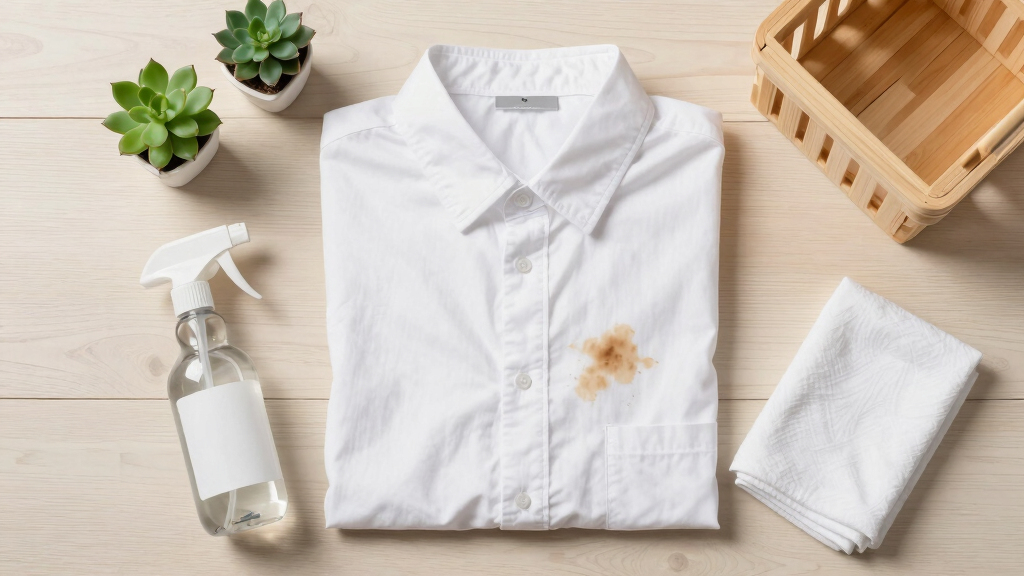
Removing ink stains without ruining fabric is possible with quick action and gentle methods. Use alcohol-based solutions or natural remedies, test first, and avoid rubbing. Persistence pays off, but always follow fabric care labels.
Getting ink on your favorite shirt or delicate blouse can feel like a mini disaster. The good news? You don’t have to toss it or risk ruining the fabric with harsh scrubbing. Knowing the right tricks makes all the difference in lifting ink stains gently but effectively.
In this guide, you’ll learn how to treat different types of ink stains, which household and natural solutions work best, and how to avoid common mistakes that can set the stain or damage your fabric. Whether it’s ballpoint ink, fountain pen smudges, or marker marks, these tips will help you keep your fabric looking fresh.
Always identify the ink type first to choose the safest removal method.
Act quickly—blot the stain and avoid rubbing to prevent spreading or embedding.
Test all solutions on a hidden fabric area before applying directly to visible parts.
Alcohol-based solutions like rubbing alcohol are effective on most ink stains—use gently.
Persistent or dried ink may require multiple treatments or professional help.
Identify the Ink Type to Pick the Right Approach
The first step in removing ink stains without ruining the fabric is understanding what kind of ink you’re dealing with. Ballpoint ink, fountain pen ink, permanent markers, or gel pens all behave differently when treated.
For example, ballpoint ink is usually oil-based and responds well to alcohol-based solutions because the alcohol dissolves the oil and pigment, making it easier to lift. Permanent markers contain dyes that bind strongly to fibers, often requiring stronger solvents like acetone, which can also affect fabric color or texture. Gel inks tend to be water-soluble but might set quickly if dried. Recognizing the ink type guides you to the most effective and least damaging treatment, reducing trial-and-error that could worsen the stain or harm the fabric.
Imagine trying to remove a stubborn marker from a silk scarf—knowing the ink type saves you from using the wrong solution and causing color bleeding or fabric damage. The key is understanding the chemistry behind the ink, so you can choose a method that breaks down the stain without compromising the fabric’s integrity.
rubbing alcohol for ink stain removal
As an affiliate, we earn on qualifying purchases.
As an affiliate, we earn on qualifying purchases.
Quick Action Tips to Prevent Ink from Setting
The moment you notice ink on fabric, act fast. The longer the ink remains, the more fibers absorb it, making removal more difficult and increasing the risk of permanent staining. Blotting—using a clean cloth or paper towel—removes excess ink and prevents it from spreading or setting deeper into the fabric. Rubbing or scrubbing can break down the fibers or embed the ink further, making removal harder and risking fabric damage. So, gentle blotting is crucial.
For example, if your child accidentally marks your new shirt, gently pressing a damp paper towel on the stain absorbs the ink without forcing it into the fibers. The quicker you respond, the more likely you are to keep the stain manageable and avoid permanent damage. Remember, patience and gentle handling preserve the fabric’s fibers and color, giving you a better chance at complete stain removal without compromise.
Every minute counts because the ink bonds more firmly as it dries, so quick, gentle action is your best defense against a stubborn, permanent stain.
As an affiliate, we earn on qualifying purchases.
The Best Household Solutions for Ink Stains
Many common household items can help lift ink stains without damaging your fabric. Rubbing alcohol, hand sanitizers with alcohol, and even hairspray are effective because they contain solvents that dissolve ink pigments. However, their effectiveness depends on the ink type and fabric compatibility. For natural remedies, lemon juice, vinegar, and baking soda can sometimes do the trick, especially on natural fibers like cotton or linen, because they alter the pH or break down certain components of the ink.
Here’s a quick comparison:
| Solution | Best for | Notes |
|---|---|---|
| Rubbing alcohol | Ballpoint, fountain pen ink | Test first; dab gently to avoid fabric damage or color loss |
| Vinegar + Baking soda | Light ink stains on cotton or linen | Use as a paste; avoid prolonged contact to prevent fabric weakening |
| Hairspray | Fresh ink marks | Alcohol-based; test for colorfastness to prevent discoloration |
Remember: Always pre-test solutions on a hidden seam or hem to assess how your fabric reacts. Natural solutions like lemon juice can brighten or bleach fabrics, which might be desirable or harmful depending on the fabric’s delicacy. Understanding the chemistry behind each remedy helps you weigh the tradeoffs—effective stain removal versus potential fabric damage.
As an affiliate, we earn on qualifying purchases.
Step-by-Step Guide to Gently Remove Ink
- Place a clean towel or paper towel under the stained fabric to catch drips and prevent spreading.
- Apply your chosen solvent (e.g., rubbing alcohol) to a cotton ball or soft cloth, ensuring you use enough to cover the stain without oversaturating.
- Gently dab the stain, starting from the outside and working inward, to avoid spreading the ink further and to prevent fabric distortion.
- Let it sit for 5-10 minutes—this allows the solvent to break down the ink bonds. Do not rub or scrub, as this can embed the stain deeper or damage fibers.
- Blot with a clean, damp cloth to lift the ink and solvent residue, being careful not to spread the stain.
- If necessary, repeat the process until the stain is visibly lighter or gone.
- Once the stain is lifted, wash the fabric in cold water following the care instructions to remove any residual solvent and prevent re-staining.
Imagine gently tapping at a stubborn ink mark, watching it fade away with each dab—patience is key here, especially on delicate fabrics. Rushing can cause uneven removal or fabric damage, so slow and steady wins the race for best results.
As an affiliate, we earn on qualifying purchases.
Handling Tough Stains and Dried Ink
If the ink has dried or set, don’t panic. Dried ink can often be softened with a little more time or stronger solutions like acetone or commercial stain remover. The tradeoff with stronger solvents is the increased risk of fabric damage, especially to delicate textiles such as silk or acetate. It’s essential to understand the implications—using harsh chemicals might remove the stain but can also weaken fibers or alter fabric textures.
For example, on a dried permanent marker on a cotton shirt, you might apply a small amount of acetone nail polish remover on a hidden spot first. If no damage occurs, proceed carefully, dabbing the stain without excessive rubbing. Always test first, as some fabrics react poorly to acetone, which can cause discoloration or fiber degradation.
Sometimes, multiple treatments are necessary. If the stain refuses to budge after careful application of solvents, consider professional cleaning or fabric-specific specialty products designed for tough stains. Weigh the potential risks and benefits—sometimes, leaving a faint residual stain is preferable to damaging the fabric altogether.
Tips to Protect Your Fabric and Make Cleanups Easier
Prevention is better than cure. Keep ink pens capped and away from fabrics, and use protective covers on furniture and clothes when working with markers or pens to avoid accidental stains. This proactive approach minimizes the need for stain removal and preserves fabric integrity.
To make cleanup easier, keep a small stash of gentle stain removers and test them regularly on your fabrics. Always follow care labels—delicate fabrics like silk or wool need special attention to avoid damage. Proper preparation and cautious handling save time and reduce the risk of permanent stains or fabric harm.
For example, a quick spritz of natural stain repellent on your child’s clothing can save you from future headaches, but always test first to ensure it doesn’t affect the fabric’s appearance or texture. Being proactive with fabric protection reduces the likelihood of needing aggressive stain removal later, helping your clothes stay in good condition longer.
Frequently Asked Questions
Can I use toothpaste to remove ink stains?
Toothpaste isn’t the most effective for ink removal. It may help on light stains or fresh marks but often isn’t strong enough for stubborn ink. Its abrasive particles can sometimes cause micro-scratches on delicate fabrics, potentially worsening the stain or damaging the fibers. For best results, stick to alcohol-based solutions or natural options like lemon juice, which are formulated to dissolve or lift ink pigments more effectively without risking fabric damage.
Will rubbing alcohol damage my delicate fabrics?
Rubbing alcohol can damage delicate fabrics like silk, acetate, or wool if used improperly. It may cause discoloration, weaken fibers, or alter textures. Always test on a hidden area first and use sparingly. If in doubt, opt for gentler natural remedies or seek professional cleaning to avoid harm. Understanding your fabric’s sensitivity is key to choosing the safest removal method.
How do I remove dried ink from dry-clean-only fabrics?
For dry-clean-only fabrics, home solvents like alcohol or acetone are risky and can cause irreversible damage. The best approach is to consult a professional dry cleaner who can use specialized techniques and solvents designed for such textiles. If you attempt home methods, always test on a hidden spot first, use minimal amounts, and follow the care label instructions carefully. Sometimes, professional cleaning is the safest choice to preserve the fabric’s integrity and avoid costly damage.
Is it possible to completely remove all ink stains?
Most ink stains can be significantly lightened or removed if treated early and correctly. However, some old or stubborn stains may leave residual marks despite best efforts. The success depends on factors like ink type, fabric, stain age, and treatment method. While persistence and proper techniques improve your chances, complete removal isn’t always guaranteed. Recognizing when a stain is resistant helps manage expectations and guides decisions about professional intervention or fabric replacement.
Are natural remedies effective for ink stain removal?
Natural options like lemon juice, vinegar, or baking soda can be effective for light or fresh ink stains, especially on natural fabrics. They work by altering pH levels or breaking down pigment molecules, aiding in lift-off. However, their effectiveness diminishes with stubborn or dried stains. Multiple applications may be necessary, and caution is needed since some natural remedies can bleach or discolor delicate fabrics. Balancing natural remedies’ gentleness with their limitations is key to successful stain removal.
Conclusion
Removing ink stains from fabric without damage is all about patience and gentle techniques. Quick action, proper testing, and the right solvents are your best tools. Think of it like a delicate dance—careful, steady, and persistent.
Next time ink finds its way onto your favorite fabric, remember these simple steps. With a little care, you’ll keep your clothes looking fresh and vibrant, long after the ink is gone.
Halloween Picks
halloween
As an affiliate, we earn on qualifying purchases.