TL;DR

Get cleaning gear delivered free — and shop member deals
- Fast, free delivery on millions of items
- Access to Prime Big Deal Days deals on October 6–7
- Prime Video, Amazon Music and more included
Bagged vacuums often trap allergens better and are more hygienic, but they cost more over time. Bagless models are cheaper upfront and convenient but can release dust during emptying. Proper maintenance is key for both.
Choosing a vacuum isn’t just about suction power or brand. It’s about understanding what’s happening behind the scenes—what really makes one model better than another in your day-to-day life. The debate between bagged and bagless vacuums often feels like a battle of convenience versus hygiene.
But there’s more to it than that. Knowing the hidden truths about these two types can save you money, improve your air quality, and make cleaning less of a chore. Let’s cut through the hype and get to the real differences that nobody tells you about.
Bagged vacuums trap allergens better, making them ideal for allergy sufferers and asthma patients.
Bagless vacuums are often cheaper upfront but can incur higher maintenance costs over time.
Regular filter cleaning and timely bag replacement are key to maintaining vacuum suction and air quality.
Consider your home environment: pets, allergies, and dust levels should guide your choice.
Both types can perform well if maintained properly — choose based on your convenience and health priorities.
Why Bagged Vacuums Might Save Your Allergies
Bagged vacuums are often the unsung heroes for allergy sufferers. Their sealed systems trap dust, pollen, and pet dander more effectively. When you change a bag, you’re sealing in the dirt, not releasing it into the air.
Imagine vacuuming a dusty bedroom. With a bagged model, the allergens stay inside until you toss the bag. Conversely, bagless vacuums can send tiny particles flying during bin emptying, especially if you don’t do it carefully.
Why does this matter? Because airborne allergens can trigger sneezing, congestion, and other allergic reactions, especially for sensitive individuals. The sealed design of bagged vacuums minimizes this risk, leading to cleaner indoor air and better health outcomes. However, this also means that the effectiveness of allergen containment depends heavily on proper bag disposal — a small detail that can significantly impact air quality.
In essence, the sealed nature of bagged vacuums acts as a barrier, preventing allergens from escaping during disposal and reducing the risk of recontamination. This makes them especially advantageous in households with allergy sufferers or respiratory issues, where maintaining air purity is critical. Nonetheless, the tradeoff is that you need to remember to replace or empty the bags regularly to sustain this benefit, adding a layer of responsibility to cleaning routines.
As an affiliate, we earn on qualifying purchases.
The Hidden Cost of Going Bagless
Bagless vacuums seem cheaper at first glance—no bags to buy, just empty the bin. But that convenience can come with hidden costs. You’ll likely replace filters more often and deal with dust clouds during emptying.
Many models require you to wash or replace filters every few months. If neglected, suction drops, and dust escapes during disposal, polluting your home’s air. Additionally, frequent filter replacements and the need for thorough cleaning can increase the total cost of ownership over time. This isn’t just about money — it’s also about the time and effort required to maintain optimal performance. Ignoring these maintenance routines can lead to decreased suction power, reduced cleaning effectiveness, and increased exposure to allergens and dust.
Beyond the financial aspect, the tradeoff involves the potential health impact. If filters are not replaced or cleaned regularly, they become less effective at trapping dust and allergens, which can then be released back into your living space. Also, the process of emptying a dustbin can stir up fine particles, especially if the bin isn’t designed for dust-free disposal. These factors mean that the initial savings of a bagless model might be offset by higher ongoing costs and health considerations, especially for households with allergy or asthma issues.
For example, while a bagless vacuum might cost around $150 initially, neglecting filter maintenance and cleaning routines can lead to higher expenses and reduced air quality over time. This highlights the importance of considering long-term costs and maintenance requirements when choosing between the two types.
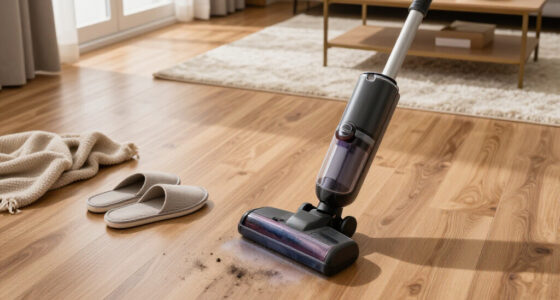
bagless upright vacuum with washable filters
As an affiliate, we earn on qualifying purchases.
As an affiliate, we earn on qualifying purchases.
Performance and Maintenance: What You Need to Know
Both bagged and bagless vacuums can clean effectively if maintained properly. Bagless models need regular filter cleaning and bin emptying. Bagged models require timely bag replacement.
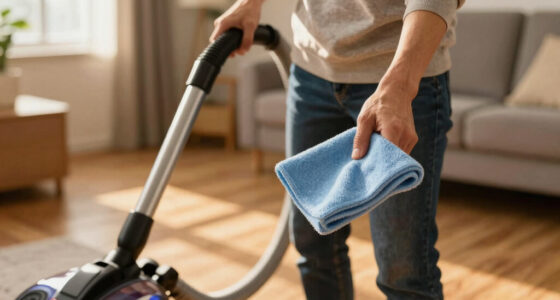
Proper maintenance isn’t just about keeping the vacuum running—it directly impacts the cleanliness of your home and your health. When filters become clogged or bags fill up, suction decreases, and dust can escape, negating the benefits of your vacuum. Regularly cleaning filters, replacing bags, and ensuring seals are intact prevent dust from being released into the air during operation or disposal. This routine maintenance preserves suction power, prolongs the life of your vacuum, and ensures your indoor environment stays healthier.
Modern models with cyclonic technology in bagless vacuums help maintain suction longer, but they still require periodic attention. Ignoring these routines can lead to decreased performance, higher energy consumption, and increased allergen exposure. Developing a maintenance schedule tailored to your vacuum model and usage frequency is essential for optimal performance and health benefits.
Deep maintenance routines, such as inspecting hoses for blockages, replacing filters, and ensuring that seals are tight, can significantly extend the lifespan of your vacuum and improve air quality. Skipping these steps may lead to the accumulation of dust and debris, reducing efficiency and potentially aggravating allergy symptoms. Investing time in regular upkeep is a small price for sustained performance and healthier indoor air.
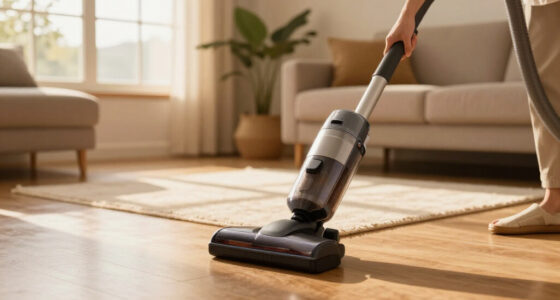
vacuum cleaner for allergies and asthma
As an affiliate, we earn on qualifying purchases.
As an affiliate, we earn on qualifying purchases.
Frequently Asked Questions
Which vacuum is better for allergy sufferers—bagged or bagless?
Bagged vacuums are generally better for allergy sufferers because they contain dust and allergens more effectively during disposal. Their sealed systems reduce airborne particles, helping those with sensitivities breathe easier.
Are bagless vacuums as hygienic as bagged ones?
Not always. Emptying a bagless bin can release dust into the air unless done carefully. Some models have features like self-sealing bins or dust-free disposals to help, but in general, bagged vacuums keep dirt more contained.
Which type is more cost-effective long-term?
While bagless vacuums cost less initially, the ongoing expenses of filters and frequent cleaning can add up. Bagged vacuums might have higher upfront costs but often save money over time due to fewer filter replacements and less maintenance.
Do bagless vacuums lose suction over time?
They can if filters or bins aren’t cleaned regularly. Modern models with cyclonic technology help maintain suction longer, but consistent upkeep is essential for peak performance.
Are bagged vacuums better at handling pet hair?
Both can handle pet hair well, but bagged models often contain pet hair more securely and reduce mess during disposal, making cleanup easier and less dusty.
cordless bagged vacuum for pet hair
As an affiliate, we earn on qualifying purchases.
As an affiliate, we earn on qualifying purchases.
Conclusion
Choosing the right vacuum isn’t just about price or brand. It’s about what fits your home, your health, and your cleaning style. Remember, a well-maintained vacuum—whether bagged or bagless—keeps your air cleaner and your floors spotless.
Think about the real trade-offs: hygiene vs. convenience, ongoing costs vs. upfront investment. The best vacuum is the one that works seamlessly in your daily life. Now, go pick the one that makes cleaning feel less like a chore and more like a breeze.
Halloween Picks
halloween
As an affiliate, we earn on qualifying purchases.