
TL;DR

Get cleaning gear delivered free with Prime
- Fast, free delivery on millions of items
- Prime Video, Amazon Music and more included
- Member-only deals all year
Using a regular vacuum on wet messes can damage the device and pose safety risks. Instead, use a wet/dry vacuum or absorbent tools designed for liquids to keep your home safe and clean.
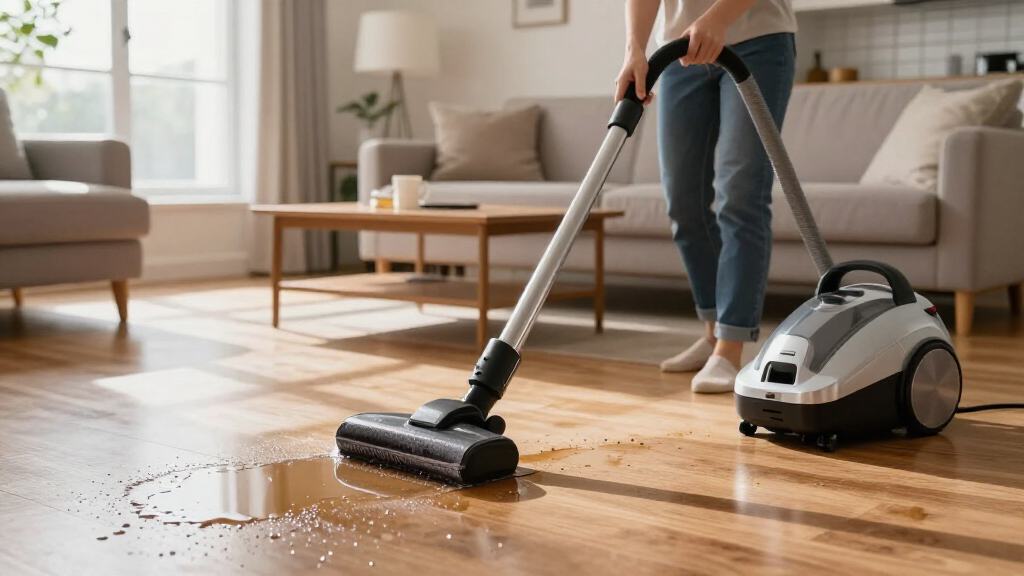
Imagine cleaning up a small spilled glass of water with your trusty vacuum. It’s tempting to just run it over and get it done. But that quick fix can cause real damage to your vacuum, and even pose safety risks. If you’re wondering why your regular vacuum isn’t meant for liquids, you’re about to find out. This guide explains why vacuuming wet messes with a standard machine is a bad idea—and what safer options you have instead.
Knowing the difference between dry vacuums and those designed for liquids can save you money, trouble, and a potential shock. Plus, you’ll learn how recent innovations make cleanup safer and easier. Let’s dive into why your regular vacuum can’t handle wet spills and what you should do instead.
Regular vacuums are not designed for liquids and can incur costly damage if used on wet spills.
Vacuuming water with a standard machine risks electrical shock and safety hazards.
Wet/dry vacuums are built with safety features like sealed motors and waterproof casings, making them the ideal tool for wet messes.
Always follow manufacturer guidelines—never use a regular vacuum for liquids.
Manual cleanup with towels, mops, and disinfectants remains safest if you don’t have a wet/dry vacuum.
Why You Shouldn’t Vacuum Wet Messes With a Regular Vacuum
A quick pass over spilled water may look harmless, but a dry-only vacuum can pull liquid toward filters, wiring and the motor. The result can be permanent damage, contamination, electrical shock or fire.
Dry vacuum + liquid is an unsafe combination.
Most household vacuums are neither waterproof nor rated to collect liquids. Always check the manufacturer’s specification before use.
Look for “wet/dry” or explicit liquid-use approval.
Water may bridge contacts and reach powered components.
Motor or filter repairs can exceed the cost of proper tools.
Towels, sponges and mops handle small spills safely.
What the water can do inside
A standard vacuum is engineered around dry airflow. Introducing liquid changes the electrical, mechanical and hygienic conditions throughout the machine.
Short circuits and motor failure
Liquid reaching internal electrical parts can stop the motor, damage wiring or permanently disable the machine. A burning smell or sudden shutdown is a warning—not a cue to restart it.
Electrical shock and sparks
Water can create unintended paths for electrical current. Damaged insulation, wet internal parts or repeated use after an incident can expose users to shock, sparks and fire hazards.
Clogged filters and hoses
Wet dust forms sticky sludge that blocks airflow. Suction drops, the motor works harder and trapped moisture can encourage corrosion or deterioration inside hoses, filters and fittings.
Mold, bacteria and redistributed germs
Spilled milk, pet messes and dirty water may carry pathogens. A dry-only vacuum cannot safely contain or disinfect them and may disperse contaminated particles through exhaust airflow.
Convenience lasts seconds. Damage may not.
The exact outcome varies by vacuum and spill, but every major risk category moves in the wrong direction when liquid enters a dry-only machine.
Relative concern by failure mode
Editorial risk scale based on severity and potential consequences—not incident percentages.
The severity of electrical hazards makes even a small spill unsuitable for a regular vacuum.
Dry-only versus wet/dry
A wet/dry vacuum is purpose-built for liquid collection. Its containment, motor protection and drainage design distinguish it from a conventional household vacuum.
| Feature | Regular vacuum | Wet/dry vacuum |
|---|---|---|
| Designed for liquids | ✗ No | ✓ Yes |
| Water-resistant containment | ✗ No | ✓ Purpose-built |
| Protected or separated motor | ~ Varies | ✓ Common |
| Liquid drainage system | ✗ No | ✓ Common |
| Moisture or fault shut-off | ✗ Rare | ~ Model-dependent |
| Wet-spill safety risk | ✗ High | ✓ Lower when used correctly |
| Typical purchase price | ✓ Lower | ~ Higher |
Potential repair reality: replacing a damaged motor or filtration system can cost more than choosing the correct cleanup equipment in the first place.
Handle a wet spill step by step
Keep electrical equipment away from the liquid, remove moisture with appropriate tools and disinfect when the spill could contain germs.
Stop immediately
If a vacuum is running near or over liquid, switch it off without touching wet areas.
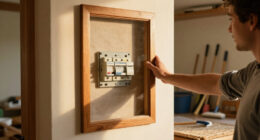
Disconnect power
Unplug only when you can do so safely and the plug, outlet and your hands are dry.
Absorb the spill
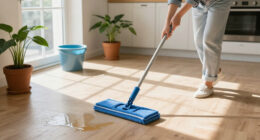
Use towels, sponges or a mop to collect the bulk of the liquid manually.
Use rated equipment
Collect remaining moisture only with a wet/dry vacuum or liquid extractor.
Clean and dry
Disinfect when appropriate, ventilate the area and allow the surface to dry fully.
How modern wet cleanup became safer
Newer machines address the core problems by separating liquid from vulnerable components and adding controls designed for wet collection.
Protected motor systems
Purpose-built housings help isolate powered components from collected liquid.
Specialized wet filters
Wet-compatible filtration and collection tanks replace dry dust-bag assumptions.
Automatic shut-off
Some models stop operation when fill levels, moisture or electrical faults are detected.
Hybrid cleaning modes
Multi-function devices can switch between wet and dry tasks when configured correctly.
One shortcut, several consequences
The risk is a chain reaction: liquid enters a dry airflow system, reaches parts not designed for moisture and creates both immediate and delayed hazards.
Can I vacuum a very small spill?
Generally, no. Even a small amount can reach parts that are not designed for liquid.
What should I use instead?
Use a wet/dry vacuum, liquid extractor or absorbent tools such as towels, sponges and mops.
How do I know if my vacuum is suitable?
Check the product label and manual. Look for explicit “wet/dry” or liquid-pickup approval.
What about pet messes or spoiled food?
Absorb, remove and disinfect. A dry-only vacuum may retain moisture and redistribute contaminants.
Why Regular Vacuums Are Not Built for Wet Messes
Regular vacuums are designed to suck up dry dirt, dust, and debris. They rely on sealed motors and filters that aren’t waterproof. When you vacuum liquids, you risk short-circuiting the motor, which can lead to permanent damage or even a fire hazard.
For example, if you accidentally vacuum up a spilled cup of coffee, you might notice your vacuum stops working or emits a burning smell. That’s because the internal electrical components get wet, and the device can’t handle it. According to Outright Cleaning, most household vacuums aren’t rated for wet use—so they’re basically asking for trouble when used on liquids.
This matters because the internal damage caused by water can quickly render your vacuum useless, leading to costly replacements. Additionally, the risk of electrical failure isn’t just about the device—it’s about safety. A damaged motor or short circuit can cause sparks or fires, especially if the vacuum is used repeatedly on liquids without proper safeguards. The tradeoff is clear: using a regular vacuum on wet spills might seem convenient, but it jeopardizes your safety and your investment in cleaning equipment.
As an affiliate, we earn on qualifying purchases.
The Real Danger: Electrical Shock and Fire Risks
Vacuuming water with a standard machine isn’t just about damaging the vacuum. It’s about risking your safety. Water and electricity don’t mix. When you vacuum a wet spill, water can reach the electrical parts, increasing the chance of shock or sparks.
Imagine a scenario where your vacuum’s motor gets soaked, and you accidentally turn it on again. The moisture can cause a short circuit or even an electrical shock. According to safety experts, this is a serious hazard—especially in homes with children or pets. It’s not just about the vacuum breaking; it’s about risking your safety every time you try to vacuum liquids with a dry-only device.
This danger is compounded by the fact that water can bridge electrical contacts inside the vacuum, creating unintended pathways for current. This can lead to electrical shocks that are not only harmful but potentially fatal. The implications extend beyond personal injury; a spark or fire caused by water contact can damage your home or cause a dangerous blaze. The tradeoff here is clear: the convenience of quick cleanup is outweighed by the severe safety risks associated with improper equipment use.
As an affiliate, we earn on qualifying purchases.
Clogging, Malfunctions, and Costly Repairs
Wet debris can quickly clog the filters and hoses of your vacuum, reducing its suction power and damaging internal parts. Once clogged with moisture, the vacuum’s motor has to work harder or may burn out entirely.
For example, a homeowner trying to clean up a spilled milk carton with a standard vacuum might find the suction weakening after just a few seconds. Over time, this repeated exposure to moisture can corrode internal components, leading to rust and deterioration that compromise the vacuum’s integrity. Repair costs can skyrocket—sometimes over $200—if the motor or filter needs replacing. Outright Cleaning notes that most regular vacuums aren’t meant to handle wet messes, and ignoring this can lead to premature failure.
Understanding this is crucial because it highlights the importance of using the right tools. A vacuum not designed for liquids will not only fail prematurely but also risk further damage during operation. The tradeoff is that attempting to salvage a regular vacuum after a wet spill may cost more in repairs than investing in a proper wet/dry vacuum upfront.
As an affiliate, we earn on qualifying purchases.
Health Hazards: Mold, Bacteria, and Spreading Germs
Wet messes often carry bacteria, mold spores, or other pathogens. Regular vacuums aren’t equipped to disinfect or contain these hazards. When you vacuum spilled liquids, you risk spreading germs into the air or onto surfaces.
Imagine cleaning up a pet’s vomit or spoiled food with your vacuum. The moisture can harbor bacteria, and if your vacuum isn’t sealed or washable, those germs get redistributed. Without proper cleaning, mold can develop, creating a health risk—especially for allergy sufferers or those with respiratory issues.
This is significant because the spores and bacteria in wet spills can become airborne, contaminating your home environment and posing long-term health risks. Using a device designed for liquids means you can contain and disinfect these hazards more effectively, reducing the risk of mold growth and bacterial spread. The tradeoff is that improper cleanup can have serious health implications, making it essential to choose the right tools for wet messes.
As an affiliate, we earn on qualifying purchases.
What’s New? How Modern Vacuums Handle Wet Messes Safely
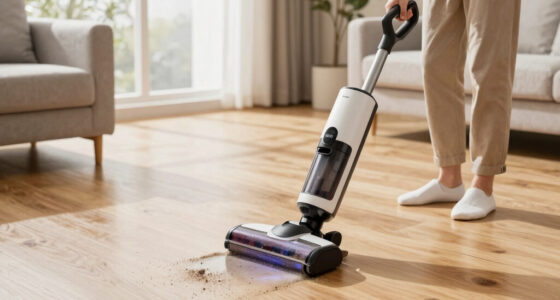
Recent innovations have introduced wet/dry vacuums that are built for both solids and liquids. These models feature sealed motors, waterproof casings, and drainage systems. They’re designed to handle spills without damaging themselves or risking safety.
For example, a homeowner can now quickly switch from vacuuming dry dirt to cleaning a water spill—without switching machines. Some models even have sensors that shut off the motor if moisture is detected, preventing damage or shocks. According to Outright Cleaning, these advancements make cleanup safer and more efficient, especially during emergencies like floods or large spills.
These technological improvements matter because they address the core safety concerns associated with wet messes. By sealing electrical components and incorporating safety sensors, modern wet/dry vacuums reduce the risk of electrical hazards and device failure. The tradeoff is that these models tend to be more expensive, but their safety features and versatility often justify the higher cost for homeowners who frequently deal with wet messes.
Comparison: Regular Vacuum vs. Wet/Dry Vacuum
| Feature | Regular Vacuum | Wet/Dry Vacuum |
|---|---|---|
| Designed for liquids? | No | Yes |
| Waterproof casing? | No | Yes |
| Motor safety features? | Rare | Common |
| Cost | Lower | Higher |
| Safety risks | High | Low |
How to Handle Wet Spills Safely (Step-by-Step)
- Turn off the vacuum immediately. Unplug it if it’s plugged in.
- Use absorbent materials like towels or sponges to soak up the spill.
- If you have a wet/dry vacuum, switch it on and carefully vacuum the remaining moisture.
- Disinfect the area with appropriate cleaning solutions to eliminate germs.
- Allow the area to dry thoroughly before using the vacuum again for dry debris.
If you don’t have a wet/dry vacuum, stick to manual methods like mops and disinfectants. Never force a regular vacuum to do a job it isn’t built for.
When to Invest in a Wet/Dry Vacuum
If you frequently deal with spills, pet accidents, or cleaning large messes, a wet/dry vacuum is a smart buy. They’re designed to handle liquids safely, saving you money and hassle in the long run. Expect to spend anywhere from $100 to over $300 depending on size and features.
For example, a family with kids and pets might need one for quick cleanup of water, mud, or food. Having this tool on hand reduces the risk of damage to your regular vacuum and keeps your home hygienic.
Remember: It’s an investment in safety and convenience, especially during emergency cleanups.
Frequently Asked Questions
Can I vacuum up a small spill with my regular vacuum?
It’s generally not recommended. Small spills can still damage your vacuum or pose safety risks, especially if the liquid reaches electrical parts. It’s safer to use absorbent materials first and then vacuum dry debris afterward.
What happens if I accidentally vacuum water with my regular vacuum?
The motor and internal components can short-circuit, burn out, or become permanently damaged. This can lead to costly repairs or the need for a new vacuum altogether.
What equipment should I use to clean wet or liquid messes?
The best choice is a wet/dry vacuum designed for liquids. These models have waterproof casings, sealed motors, and drainage features that make cleanup safe and efficient. For small spills, absorbent towels or mops work well, followed by disinfecting.
Are there safe ways to clean up wet spills without a wet/dry vacuum?
Yes. Use absorbent towels, mops, or sponges to soak up the spill. Disinfect the area afterward with appropriate cleaning solutions. Avoid using regular vacuums on wet spills to prevent damage or hazards.
How can I tell if my vacuum is safe for wet use?
Check the manufacturer’s specifications—look for labels like “wet/dry” or “waterproof.” If unsure, avoid using it on liquids. Investing in a dedicated wet/dry vacuum is the safest route for wet cleanup tasks.
Conclusion
Using your regular vacuum to clean up wet spills is a gamble—damage, safety hazards, and germs all ride on that decision. Instead, opt for a wet/dry vacuum or simple absorbent tools designed for liquids. Protect your device, your home, and your safety by choosing the right tool for the job.
Next time a spill happens, visualize a sturdy, sealed wet/dry vacuum ready to handle the mess—no fuss, no risk. Your home’s safety and your wallet will thank you.
Halloween Picks
halloween
As an affiliate, we earn on qualifying purchases.