TL;DR

Get cleaning gear delivered free — and shop member deals
- Fast, free delivery on millions of items
- Access to Prime Big Deal Days deals on October 6–7
- Prime Video, Amazon Music and more included
HEPA filters trap at least 99.97% of airborne particles as small as 0.3 micrometers, making them highly effective against dust, pollen, and some microbes. However, they don’t remove gases or odors alone and need regular maintenance to keep working well. Recent innovations include nanofiber filters and smarter systems that improve performance and ease of use.
It’s easy to think of HEPA filters as magic shields blocking every tiny threat floating around your home. But the truth is more nuanced. These filters are incredibly effective against many allergens and particles, yet they have clear limits too. Knowing what they can and can’t do helps you get the most out of your air purification tools.
In this guide, you’ll learn how HEPA filters work, what recent tech developments mean for your health, and practical tips for choosing and maintaining the right system. Because in the end, clean indoor air isn’t just about magic filters — it’s about understanding what they do and how to use them wisely.
HEPA filters trap at least 99.97% of particles 0.3 micrometers in size, making them excellent against dust, pollen, and pet dander.
Recent advances, like nanofiber technology and smart features, boost filtration efficiency and user convenience.
HEPA filters do not remove gases, odors, or VOCs without additional filtration layers like activated carbon.
Always verify certification labels and CADR ratings when shopping to ensure genuine HEPA performance.
Regular filter replacement—every 6 to 12 months—is essential to maintain peak effectiveness.
What Makes a HEPA Filter So Good at Trapping Tiny Particles?
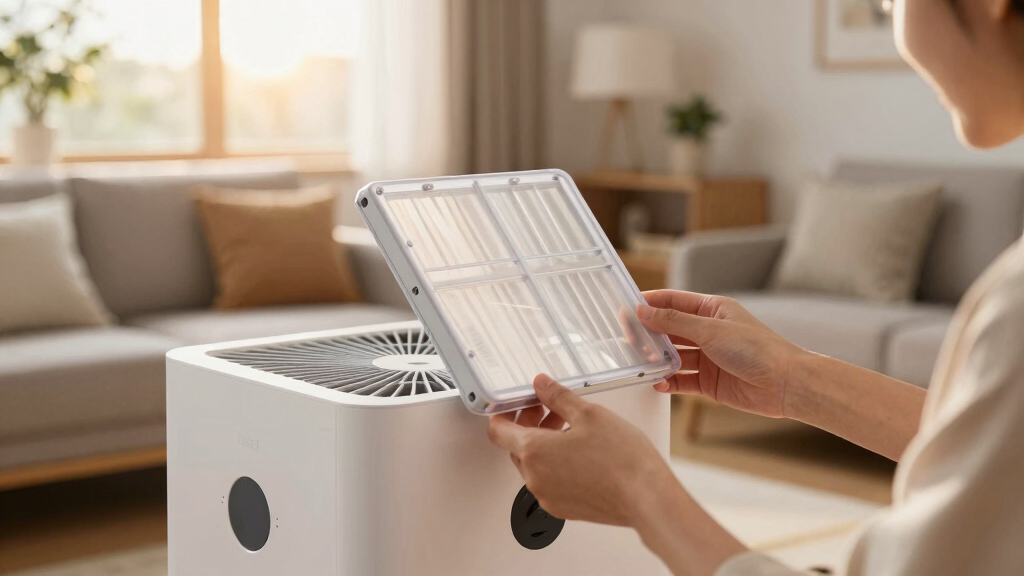
HEPA filters are designed to catch at least 99.97% of airborne particles 0.3 micrometers in diameter. That’s about the size of a human hair’s width or the smallest pollen grains. They work by forcing air through a dense mesh that captures particles via interception, impaction, and diffusion.
Imagine a fine, tangled spider web catching dust, pollen, and pet dander. That’s essentially what a HEPA filter does. It’s not magic — it’s physics. The filter’s tiny fibers create a maze that particles can’t easily slip past.
For example, when a pet sheds fur and skin cells, those particles hitch a ride on the air. A HEPA filter can trap many of these, making your home less dusty and allergy-friendly.
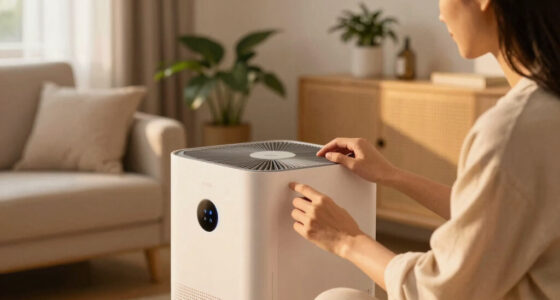
HEPA air purifier with activated carbon
As an affiliate, we earn on qualifying purchases.
As an affiliate, we earn on qualifying purchases.
Latest Tricks in HEPA Tech: What’s New and Better?
Recent innovations boost HEPA filter performance and convenience. Some now use nanofiber materials, increasing surface area and trapping even smaller particles, possibly down to viruses. Others combine HEPA with activated carbon to tackle odors and gases.
For instance, newer filters integrate UV-C or photocatalytic oxidation, adding germ-killing power. Plus, smart filters connect to apps, telling you when to change them or adjusting airflow based on real-time air quality readings.
These advances mean better filtration, longer life, and easier maintenance, helping you breathe easier in increasingly polluted indoor environments.
As an affiliate, we earn on qualifying purchases.
What HEPA Filters Can and Can’t Do — The Real Story
HEPA filters are champions at trapping particles, but they’re not all-purpose. They don’t remove gases, odors, or VOCs unless paired with activated carbon filters. Think of a HEPA as a net for particles, not a sponge for smells or chemical vapors.
Understanding this distinction is crucial because many consumers assume that a HEPA filter alone can eliminate all indoor air pollutants, which isn’t the case. For example, cigarette smoke contains gases and chemicals that HEPA alone cannot capture, so relying solely on HEPA might leave you still smelling smoke or exposed to harmful gases. Recognizing these limitations allows you to plan a more comprehensive approach for cleaner indoor air. It’s about balancing expectations with reality, and knowing when to add other filtration layers or ventilation strategies to truly improve air quality.
Plus, HEPA filters need regular replacement — typically every 6 to 12 months — to keep their efficiency high. A clogged or old filter won’t catch tiny particles as well.
smart HEPA air purifier with app connectivity
As an affiliate, we earn on qualifying purchases.
As an affiliate, we earn on qualifying purchases.
How to Spot a True HEPA Filter When Shopping for Air Purifiers
Look for the label ‘HEPA’ that meets the official standard: capturing at least 99.97% of 0.3-micrometer particles. Check for certifications like AHAM Verifide or CADR ratings, which tell you how well the purifier cleans the air in a given space.
Choose a model rated for your room size. For example, a small bedroom needs a purifier with a CADR of at least 100, while larger living rooms might require 200+.
Also, consider maintenance costs. Filters should be easy to replace, and the device should have clear instructions. Remember: a cheap filter that doesn’t meet standards is worthless.
Pro tip: Avoid misleading labels — some products claim to be HEPA but only use ‘HEPA-type’ or ‘HEPA-like’ filters, which aren’t the real deal.
As an affiliate, we earn on qualifying purchases.
Should You Rely Solely on HEPA for Clean Indoor Air?
While HEPA filters are a powerful tool for reducing airborne allergens and particles, they aren’t a complete solution. Gases, VOCs, and odors need additional filters like activated carbon. Think of a comprehensive air cleaning system as a layered approach: HEPA + carbon + good ventilation.
For example, if someone in your home smokes or burns candles often, a HEPA filter alone won’t eliminate the smell. You’ll want a system that also neutralizes gases.
And don’t forget about maintenance. Filters need regular changing, and your home’s air quality depends on more than just the filter — it’s about overall airflow, humidity, and cleanliness.
Understanding this layered approach is essential because relying solely on HEPA might give a false sense of security. For comprehensive indoor air quality, combining filtration methods with good ventilation and source control is key. This holistic approach ensures that you’re effectively reducing both particulate and gaseous pollutants, leading to healthier indoor environments.
What You Should Know Before Buying a HEPA Filter System
Ask yourself: what’s my main concern? Allergies? Asthma? Odors? Size of the space? Then, look for a device that matches your needs, with appropriate CADR ratings and certifications.
Consider the ongoing costs. Filters should be easy to replace and affordable. Check reviews for real-world durability and performance.
And remember, even the best HEPA filter won’t work if it’s clogged or the device is poorly maintained. Regular check-ins keep your air clean and your investment worth it.
Frequently Asked Questions
Do HEPA filters kill bacteria and viruses?
HEPA filters trap many bacteria and some viruses attached to larger particles, but they do not kill pathogens. To enhance microbial safety, combine HEPA with UV-C or other sterilization methods for better protection.
Are HEPA filters safe to breathe through?
Yes, when installed and maintained properly, HEPA filters do not release harmful fibers or particles into the air. They are designed to trap airborne pollutants safely.
How often should I replace my HEPA filter?
Most filters need changing every 6 to 12 months, depending on usage and air quality. Regular checks and following manufacturer guidelines help keep your system running effectively.
Can HEPA filters remove smoke odors?
Not on their own. To tackle odors like cigarette smoke, pair HEPA filters with activated carbon filters, which absorb gases and smells better.
Are HEPA filters energy-efficient?
They can be, especially in well-designed devices. Higher airflow settings may increase energy use, so look for models with good energy ratings and appropriate CADR for your space.
Conclusion
HEPA filters are a key part of cleaner indoor air, but understanding their true capabilities prevents disappointment. They’re not magic shields, but powerful tools when used correctly. Pair them with other filtration methods, stay on top of maintenance, and you’ll breathe easier.
Think of a HEPA filter as a trustworthy teammate—effective, but not invincible. Keep that in mind, and you’ll set up your home for healthier, fresher air every day.
Halloween Picks
halloween
As an affiliate, we earn on qualifying purchases.