TL;DR
Listen free for 30 days with Audible
Thousands of audiobooks and originals — cancel anytime.
Start your free trialAs an affiliate, we earn on qualifying purchases.
Indoor dust isn’t just dead skin; it’s a mix of soil, fibers, pet dander, and chemicals. External infiltration, textiles, and filtration issues drive dust buildup. Simple changes like better filters and regular cleaning make a big difference.
Ever notice how your home feels coated in a fine layer of grime? No matter how often you sweep or vacuum, it’s back in no time. That’s because dust isn’t just what you see—it’s a tangled web of soil, fibers, chemicals, and tiny particles that settle everywhere. Understanding what fuels dust buildup can help you fight it smarter, not harder.
Instead of chasing a myth that dust is mostly dead skin, you’ll learn the real culprits—outdoor dirt, textiles, and how your home’s design and habits trap particles inside. Armed with this knowledge, you can make simple, effective changes to breathe cleaner air and keep surfaces visibly dust-free longer.
Most indoor dust comes from outside soil, fibers, and chemicals—not just dead skin cells.
Improve filtration by upgrading to MERV 11–13 filters and changing them regularly.
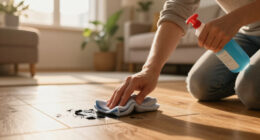
Use damp microfiber cloths for dusting instead of dry dusters that just spread particles.
Control indoor humidity at 40–50% to minimize dust mites and mold growth.
Shoes off at the door and sealing gaps drastically reduce tracked-in soil and outdoor pollutants.
Indoor Air · Practical Guide
Why Your Home Is So Dusty — The Real Reasons
No matter how often you sweep, it comes back. That’s because household dust isn’t one thing — it’s a tangled mix of soil, fibers, dander, chemicals and fine particles that settles everywhere. Learn what actually fuels it, and fight it smarter, not harder.
“Most indoor dust comes from outdoor soil, fibers and chemicals — not the dead-skin myth you’ve heard.”
Key Insight · Dust Science01 · Composition
What’s Really in Dust? The Surprising Truth
Dust isn’t a single substance — it’s everything that settles out of your air. Textile fibers and tracked-in soil typically dominate the mix, while skin flakes are a far smaller share than popular myth suggests.
“Dust is 70–80% dead skin.”
The RealitySkin flakes are present but minor — fibers and soil dominate. That’s why effective dust control is really about managing entry points, textiles and filtration, not chasing skin cells.
02 · Root Causes
Why Your Home Gets So Dusty — The Hidden Causes
Nine drivers keep the cycle going. Some let particles in, some generate them indoors, and some trap and recirculate what’s already there.
Outdoor infiltration
Gaps around windows and doors, open windows and HVAC intake pull in soil, pollen and exhaust — worse near construction or dirt roads.
Shoes in the house
A single major source of tracked soil. Doormats plus shoe removal measurably cut the dust load.
Textiles shed nonstop
Clothing, bedding, carpets and upholstery release fibers constantly — including microplastic fibers from synthetics.
Pets, cooking & candles
Dander, hair and shed skin from pets, plus fine combustion particles from cooking and candles, all settle as dust.
Filters below MERV 8
Cheap or clogged HVAC filters can’t trap fine particles — they recirculate dust instead of removing it.
Dry dusting
Feather dusters and dry cloths mostly launch particles airborne — they resettle on surfaces within hours.
Carpets & fabrics
Wall-to-wall carpet acts as a dust reservoir, re-releasing particles with every footstep.
Bedding & mites
Mattresses are prime dust-mite habitat; mites thrive when humidity exceeds ~50% and feed on skin flakes.
Sealed-tight homes
Modern energy-efficient construction traps particles inside unless ventilation and filtration are deliberately managed.
03 · The Cycle
Why Dust Always Comes Back
Dust moves through your home in a closed loop. Break it at entry and filtration — the two cheapest intervention points.
Entry
Soil, pollen and exhaust slip in through gaps, shoes and open windows.
Circulation
HVAC airflow and foot traffic spread particles room to room.
Reservoirs
Carpets, bedding and upholstery store the settled dust load.
Resuspension
Every step and dry duster launches it airborne again.
Exposure
Inhaled or ingested — then it resettles within hours.
04 · Why It Matters
How Dust Affects Your Health
Dust isn’t just visible grime — it’s a carrier for allergens, chemicals and fine particles, with the biggest impact on children and anyone with asthma.
Dust mite proteins (Der p 1)
A leading asthma and allergy trigger. Mite debris — fecal pellets and shed exoskeletons — is the actual allergen source, peaking when humidity tops 50%.
Flame retardants, phthalates & PFAS
Dust is a reservoir for semi-volatile “forever chemicals.” Toddlers get the highest exposure through hand-to-mouth contact on floors.
PM2.5 resuspension
Fine particles settle as dust, then walking and vacuuming launch them back into the air — deep into the respiratory system.
Microplastic fibers
Indoor dust is now recognized as a major exposure route — people inhale tens of thousands of particles daily in homes and cars.
05 · Action Plan
Filter Tiers, Compared
Filtration is the single highest-leverage upgrade. Here’s what each tier actually captures.
| Filter Tier | Captures Well | Fine Dust & PM2.5 | Verdict |
|---|---|---|---|
| MERV 1–4 | Lint, carpet fibers, dust bunnies — little else | ✗ | Recirculates fine dust |
| MERV 5–8 | Mold spores, larger dust, some dander | ~ | Bare minimum |
| MERV 11–13 | Fine dust, smoke, allergens, bacteria | ✓ | Recommended target |
| HEPA Purifier | 99.97% of 0.3µm particles — room-scale | ✓ | Best for bedrooms |
Evidence-Based Fixes That Actually Work
Upgrade to MERV 11–13
Change every 1–3 months. A clogged filter recirculates the very dust you’re trying to remove.
Use a HEPA-sealed vacuum
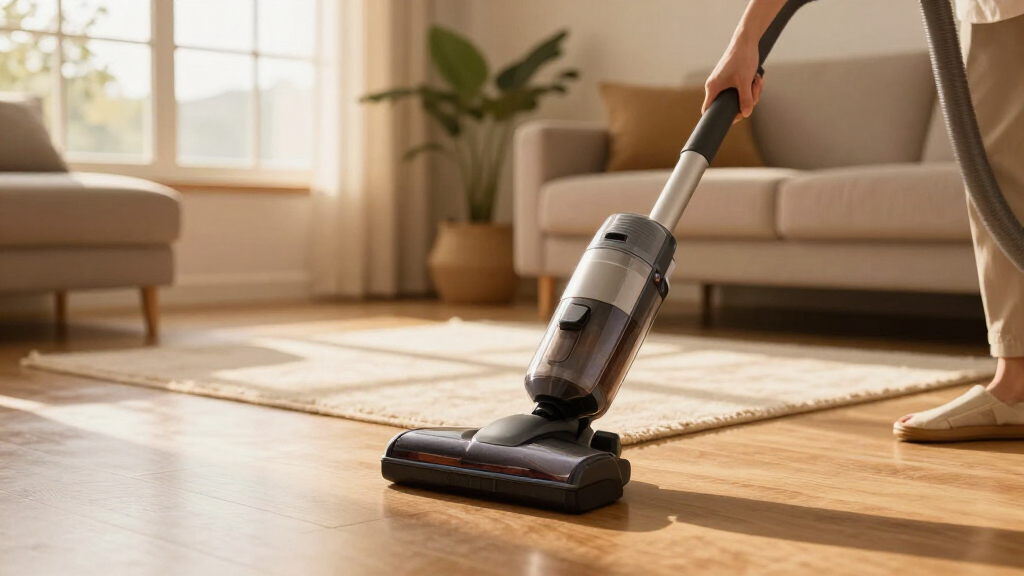
Non-HEPA vacuums exhaust fine dust straight back into the room you just cleaned.
Damp microfiber, top to bottom
Damp cloths capture particles; dry dusters just spread them airborne to resettle within hours.
Bedding weekly at 130°F / 60°C
Hot washing kills dust mites and clears the allergen load where you spend a third of your life.
Shoes off + seal the gaps
Doormats and shoe removal measurably cut tracked-in soil; weatherstripping blocks the rest.
Hold humidity at 40–50%
Suppresses dust mites and mold. Add a HEPA purifier in bedrooms for round-the-clock capture.
What’s Really in Dust? The Surprising Truth
Dust isn’t a single thing; it’s a messy cocktail of tiny particles from many sources. Textile fibers from clothing and carpets often make up the largest chunk, especially microplastic fibers shed from synthetics. Soil and grit tracked in on shoes or blown in from outdoors can dominate dust composition—some studies estimate over 50% of indoor dust is from outside.
Pet dander, human skin flakes, hair, insect fragments, food particles, and even chemicals from cleaning products all contribute. A common myth claims dust is 70–80% dead skin. In reality, fibers and soil usually outweigh skin flakes, which are smaller and less abundant.
Understanding this mix helps target your cleaning—focusing on soil removal, textile management, and filtration to cut down on what actually settles in your home.
Why does this matter? Because different components settle differently, influence air quality uniquely, and require tailored cleaning strategies. For example, soil tracked in from outside can carry pollutants and allergens deep into your home, while fibers shed from textiles can be persistent and hard to remove from soft furnishings. Recognizing these distinctions helps you prioritize actions that truly reduce dust levels and improve health.
As an affiliate, we earn on qualifying purchases.
Dust sneaks in from outside through gaps around windows and doors, especially if your home sits near construction sites or dirt roads. Open windows and doors without filters let in pollen, soil, and exhaust particles. HVAC systems pull in unfiltered outdoor air, depositing it inside.
Inside, textiles shed constantly—clothing, bedding, furniture—releasing fibers and skin flakes. Pets add dander, hair, and shed skin, fueling dust. Cooking and candles produce fine particles that settle as dust too.
Poor filtration plays a role: cheap HVAC filters below MERV 8 can’t trap small particles, recirculating dust instead of removing it. Rooms with wall-to-wall carpets trap and re-release dust when stepped on, while beds and mattresses become breeding grounds for dust mites, especially in humid conditions.
Modern, tightly sealed homes trap dust inside unless ventilation and filtration are deliberately improved. Shoes in the house carry in soil, and dry dusting with feather dusters just spreads particles into the air, which resettle within hours.
For example, imagine living in a city with a lot of construction. Every time trucks pass by, they kick up soil that gets drawn into your home through open windows or vents. If your HVAC system recirculates air without proper filters, all that dirt gets redistributed inside, settling on your furniture and carpets. Similarly, if you have wall-to-wall carpeting, every step disturbs accumulated dust, making it re-enter the air and settle again, creating a cycle that’s hard to break without targeted cleaning and filtration improvements.
Understanding these hidden causes is crucial because it highlights the importance of proactive measures—like sealing gaps, upgrading filters, and choosing flooring wisely—to break the cycle of constant dust accumulation. Ignoring these factors means your efforts are only partially effective, and dust problems persist despite regular cleaning.
As an affiliate, we earn on qualifying purchases.
How Dust Affects Your Health (And Why It Matters)
Dust isn’t just visible grime; it’s packed with allergens that trigger asthma and allergies—dust mite proteins like Der p 1 are among the top culprits. Dust also harbors semi-volatile chemicals like flame retardants and phthalates, which can accumulate in small children’s lungs and bodies.
Fine particles, known as PM2.5, settle into your lungs and can be re-suspended when you walk or vacuum, infiltrating deep into your respiratory system. Over time, this exposure can worsen asthma, allergies, and even contribute to long-term health issues.
Recent research highlights indoor dust as a major route for microplastic fibers and chemicals like PFAS, which are linked to health risks. Managing dust isn’t just about cleanliness—it’s about reducing chemical and allergen exposure for everyone, especially vulnerable family members.
For example, children who play on the floor are more exposed to dust mites and chemicals because they spend a lot of time close to surfaces where dust accumulates. Similarly, individuals with asthma find that dust triggers their symptoms, especially during peak seasons or after cleaning when dust becomes airborne again. Effectively reducing dust reduces these health risks, leading to better breathing and overall health.
Understanding the health implications underscores why dust control should be a priority—not just for cleanliness but for your long-term well-being. The tiny particles and chemicals in dust can have cumulative effects, especially for sensitive populations. By reducing dust, you’re not just tidying up—you’re actively protecting your respiratory health and those of your loved ones.
As an affiliate, we earn on qualifying purchases.
The Latest science: Microplastics, PFAS & Wildfire Smoke
New studies reveal indoor dust as a primary pathway for inhaling microplastic fibers, with people ingesting and breathing tens of thousands of particles daily indoors. In homes near busy roads or factories, dust can contain elevated levels of PFAS—chemicals linked to health issues like cancer and hormone disruption.
Wildfire seasons have spiked indoor particle levels, prompting the EPA to recommend upgraded filters like MERV 13 and the use of HEPA purifiers. Modern air quality monitors now let you see dust spikes in real time, revealing how indoor activities or outdoor air quality affect your space.
Research into the indoor microbiome also shows dust as a map of your environment—bacteria, fungi, and chemicals all tell a story of your home’s exposome. Keeping dust levels low is more relevant than ever for health and safety.
For instance, homes near highways or industrial areas often have higher PFAS levels in their dust, which can be absorbed through inhalation or ingestion. During wildfire seasons, the increased presence of smoke particles in indoor air can exacerbate respiratory issues, making filtration upgrades essential. Using real-time monitors, homeowners can see how outdoor events or indoor activities influence dust levels, helping them take targeted actions to protect their health.
Understanding these latest findings emphasizes the importance of comprehensive air quality strategies—upgrading filters, using purifiers, and monitoring indoor air—to minimize exposure to harmful microplastics, chemicals, and smoke particles that can have serious health consequences.
As an affiliate, we earn on qualifying purchases.
Simple, Practical Ways to Cut Down Dust Today
Fighting dust doesn’t require complicated tools—small tweaks make a big difference. Here’s a quick checklist:
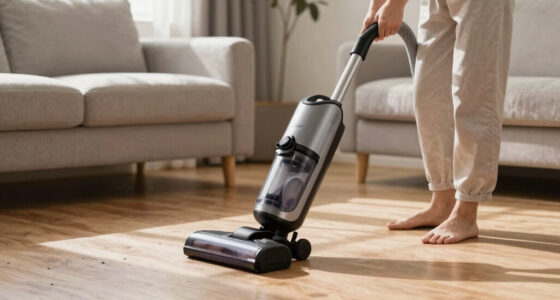
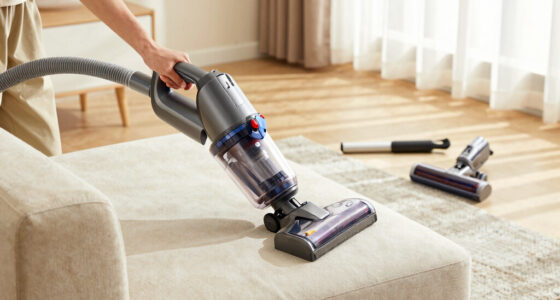
- Use a HEPA-filter vacuum regularly—vacuuming with a non-HEPA machine just recirculates dust.
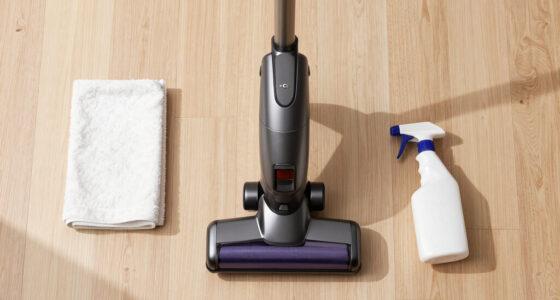
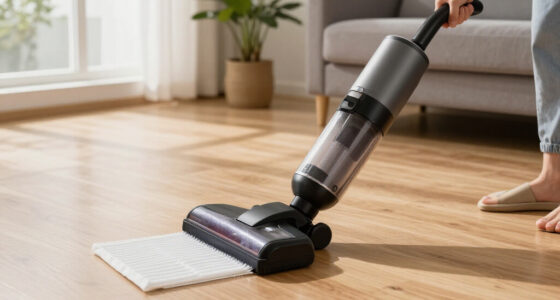
- Damp-dust surfaces with microfiber cloths, working top to bottom to trap particles instead of spreading them around.
- Upgrade your HVAC filters to MERV 11–13 and change them every 1–3 months.
- Wash bedding weekly at 130°F / 60°C and use allergen-proof encasements on mattresses and pillows.
- Keep indoor humidity between 40–50% to suppress dust mites’ favorite environment.
- Remove shoes at the door, use quality doormats, and encourage family members to stick to them.
- Opt for hard flooring over carpets in high-dust zones, and mop or damp-dust regularly.
- Run a HEPA air purifier in bedrooms and high-traffic areas for extra airborne dust control.
Implementing these strategies addresses the main sources of dust—soil, textiles, and airborne particles—and the tradeoffs involve balancing cost, convenience, and effectiveness. For example, upgrading filters may incur initial expenses but significantly improves air quality, especially for allergy sufferers. Choosing hard floors reduces dust reservoirs but involves remodeling considerations. Damp dusting minimizes particle spread but requires consistent effort. Recognizing these tradeoffs helps you prioritize actions that fit your lifestyle while maximizing health benefits.
How Often Should You Really Dust, Vacuum & Wash?
Dust and allergens settle quickly, so frequent cleaning helps. Vacuum high-traffic areas twice a week with a HEPA model. Dust surfaces with a microfiber cloth once a week, working from top shelves down.
Wash bedding weekly at high temperatures to keep dust mites at bay. Keep windows closed on windy days or during outdoor fire seasons. Use an air purifier in bedrooms and rooms with pets or smokers for continuous filtration.
Adjust cleaning frequency based on your home’s size, pets, and outdoor environment, but aim for at least once a week for dusting and vacuuming, and every 5–7 days for bedding.
The Best Ways to Keep Dust From Coming Back
Prevention beats cleaning in the long run. Seal gaps around windows and doors to prevent outdoor dirt from sneaking in. Remove shoes and use doormats to cut soil tracked inside. Keep humidity controlled and regularly replace HVAC filters to trap airborne particles.
Declutter surfaces to avoid dust traps, and choose hard floors where possible. Regularly wash bedding and curtains, and run a HEPA purifier in high-use rooms.
Remember: dust will always sneak in, but these habits keep it manageable. Consistency is your best tool.
Frequently Asked Questions
Why is my house so dusty even after I clean?
Your home gets dusty quickly because outdoor soil, fibers, and chemicals keep entering, and your filters or cleaning methods aren’t trapping or removing enough particles. Regular maintenance and better filtration make a big difference.
Is house dust mostly dead skin?
No. While skin flakes are part of dust, the majority comes from soil, textiles, and tracked-in debris. Skin cells are present but less dominant than often claimed.
Where does indoor dust really come from?
Most indoor dust originates outdoors—soil, pollen, pollution—tracked in via shoes and open windows. Inside, textiles, pets, and cooking produce additional particles.
Do air purifiers help reduce dust?
Yes, HEPA purifiers effectively remove airborne particles, but settled dust still needs physical removal like vacuuming and damp dusting. Combining both strategies yields the best results.
How often should I vacuum and wash bedding?
Vacuum high-traffic areas twice weekly and wash bedding weekly at high temperatures to keep dust mites and allergens low.
Conclusion
Dust isn’t just a surface nuisance—it’s a complex mix of soil, fibers, and chemicals that your home constantly ingests and re-releases. Tackling the root causes, like outdoor infiltration and poor filtration, makes a real difference.
Think of dust control as a simple recipe: better filters, regular damp cleaning, and smart habits. Keep those in mind, and your home’s air and surfaces will thank you—and look visibly cleaner, longer.
NFL season / tailgating Picks
team gear
As an affiliate, we earn on qualifying purchases.