TL;DR

Get cleaning gear delivered free — and shop member deals
- Fast, free delivery on millions of items
- Access to Prime Big Deal Days deals on October 6–7
- Prime Video, Amazon Music and more included
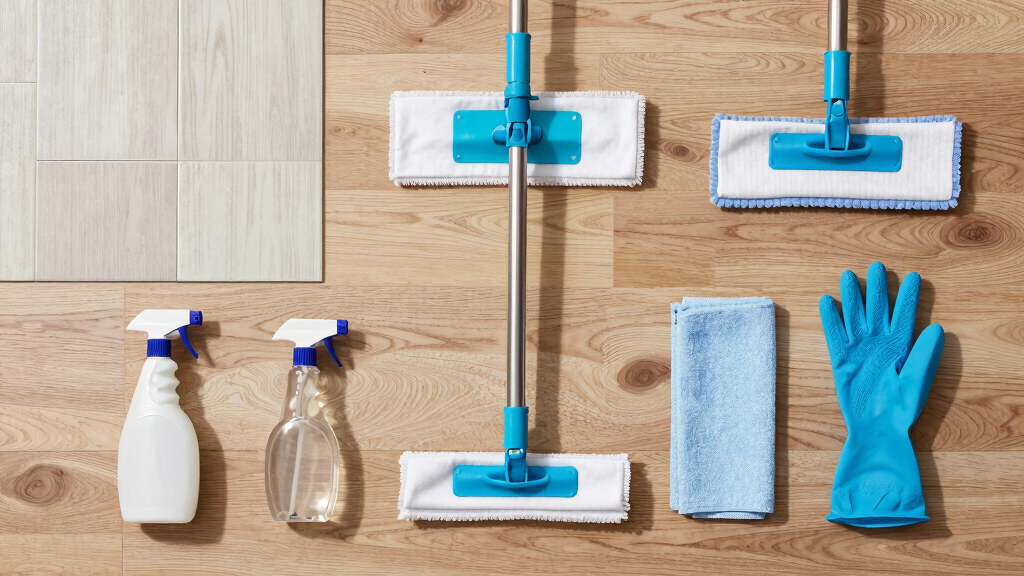
Choosing the right mop depends on your floor type. Microfiber flat mops suit hardwood, steam mops sanitize tile, and traditional string mops work well for textured surfaces. Using the correct tool prevents damage and makes cleaning easier.
Ever grab a mop, only to realize it’s the wrong kind for your floor? A mismatch can leave your surfaces scratched, warped, or just not clean enough. The good news: selecting the right mop is simpler than you think—and it makes a real difference.
In this guide, you’ll learn how different floors need different tools. From hardwood’s delicate finish to stubborn tile grout, I’ll show you the mop types that work best—and how to use them safely. Clean smarter, protect your surfaces, and make every swipe count.
Choose microfiber flat mops for hardwood floors to gently clean without damage.
Steam mops are ideal for tile and vinyl but should be avoided on unsealed surfaces.
Regularly wash or replace mop heads to prevent germs and maintain cleaning power.
Compare mop types using a simple table to find the best tool for each floor.
Stay updated on eco-friendly and robotic mops for smarter, greener cleaning.
The Right Mop for Every Type of Floor
The best mop depends on your floor material. Microfiber works well for most surfaces, but hardwood, laminate, stone, tile, and vinyl each need the right moisture level, mop head, and cleaning method to avoid scratches, warping, staining, or dullness.
Match the mop to the material.
Using a microfiber mop can reduce cleaning time by up to 30% because its fine fibers trap dust and dirt more efficiently than traditional cotton.
Microfiber can cut cleaning time by trapping finer particles in fewer passes.
Months before replacement for many microfiber heads, depending on use.
Hardwood, laminate, and unsealed stone need damp, not soaked, cleaning.
Cordless, washable-pad, and smart mops improve speed and consistency.
Choose by floor, not by habit.
The same mop can clean one surface beautifully and damage another. Start with the material, then choose moisture level, pad texture, and cleaning solution.
Damp microfiber spray mop
Use minimal water and a gentle pad. Excess moisture can swell, warp, or stain wood before damage becomes visible.
String or microfiber mop
Tile can handle more moisture and scrubbing, but grout lines still need care to avoid residue and seepage.
Low-moisture spray mop
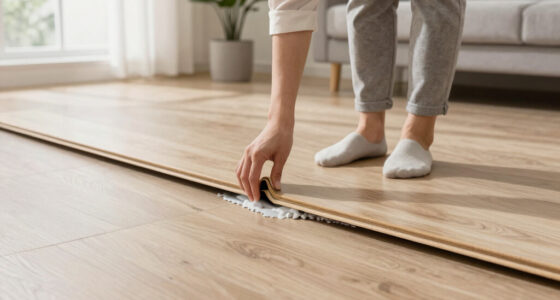
Laminate is sensitive at seams and edges. Keep passes light, wring thoroughly, and avoid puddling.
Microfiber or string mop
These resilient surfaces tolerate more flexibility, though harsh cleaners and standing water can still dull finishes.
Microfiber plus pH-neutral cleaner
Avoid acidic or abrasive products. Gentle pads protect natural stone from etching and surface dullness.
Dry microfiber dust mop
Dry dusting captures grit before it becomes abrasive, reducing the need for heavy wet cleaning later.
The quick comparison table.
Use this matrix when you need a fast answer before buying a mop or changing your cleaning routine.
| Floor type | Recommended mop | Moisture tolerance | Steam mop? | Damage risk |
|---|---|---|---|---|
| Hardwood | Microfiber spray mop or damp microfiber pad | ~ Low moisture only | ✗ Avoid unless manufacturer approves | Warping, swelling, staining |
| Tile and ceramic | String mop, microfiber mop, or spin mop | ✓ Moderate to high | ✓ Usually safe when sealed | Grout seepage, residue buildup |
| Laminate | Microfiber spray mop | ~ Very controlled moisture | ✗ Generally avoid | Edge swelling, seam damage |
| Vinyl and linoleum | String mop or microfiber mop | ✓ Flexible | ~ Check product guidance | Dulling from harsh cleaners |
| Marble and stone | Microfiber with pH-neutral cleaner | ~ Low to moderate | ✗ Avoid on unsealed stone | Etching, staining, dullness |
How to mop without wrecking your floors.
Good technique is mostly moisture control, gentle movement, and clean mop heads. These five steps prevent the most common floor-care mistakes.
Check guidance
Manufacturer instructions matter, especially for warranty-sensitive flooring.
Pick the pad
Choose microfiber for gentle dust capture and low-water cleaning.
Wring well
The mop should be damp, not soaked, on sensitive surfaces.
Overlap passes
Move gently without hard pressure or twisting the mop head.
Wash heads
Clean or replace mop heads before they spread dirt and odor.
Microfiber wins on versatility.
Its fine fibers lift dust, dirt, and small particles with less water and fewer cleaning agents, making it a safer default for most homes.
Moisture safety spectrum
Hardwood and laminate sit on the low-moisture side. Tile and resilient vinyl tolerate more water, but standing moisture is still never a cleaning strategy.
Modern mops make the routine easier.
Cordless models, oscillating pads, refillable spray bottles, and washable microfiber heads reduce effort while helping you apply consistent pressure and moisture.
Less friction, faster passes
Rechargeable mops remove cord drag and make quick daily cleanups easier to start and finish.
More lift, less scrubbing
Vibration can loosen stubborn dirt without aggressive pressure that might damage delicate finishes.
Cleaner, lower waste
Reusable microfiber pads reduce disposable waste and maintain performance when washed regularly.
Better pressure patterns
Sensor-guided tools can help prevent missed spots and excessive force on sensitive flooring.
The traceability chain.
Every good mop choice connects the surface, moisture level, pad material, cleaner, and maintenance habit.
How to Spot the Right Mop for Hardwood Floors
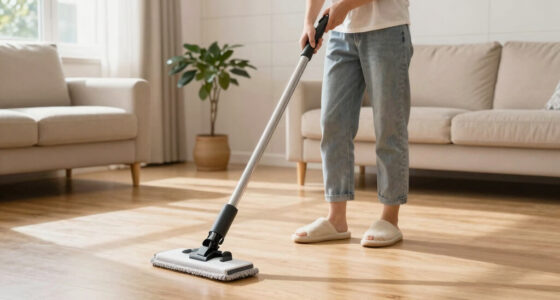
Hardwood floors need gentle cleaning tools that don’t soak or scratch. Microfiber flat mops are your best bet—they’re soft, absorbent, and won’t damage the finish. Steam mops work, too, but only if your hardwood is sealed and water-resistant.
For example, when I cleaned my oak floors, I switched to a microfiber pad. The result? No streaks, no warping. Just a clean, shiny surface without risking water damage.
Remember: avoid excessive water. Use a damp, not soaking, mop. And steer clear of harsh chemicals that can strip the finish.
microfiber flat mop for hardwood floors
As an affiliate, we earn on qualifying purchases.
As an affiliate, we earn on qualifying purchases.
The Best Mops for Tiles and Stone Surfaces
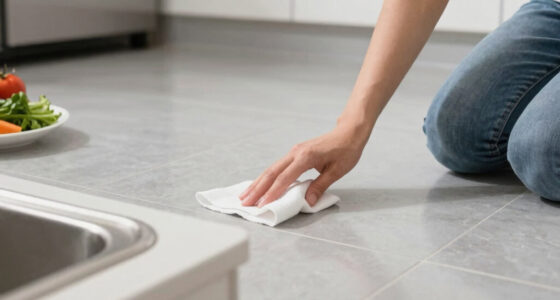
Tile and stone floors handle moisture well, making them versatile for various mops. Steam mops excel here—quickly sanitizing grout and removing stubborn grime without chemicals.
For example, I use a steam mop on my ceramic kitchen tiles. It cuts through grease and leaves a fresh scent. Plus, it kills bacteria without harsh cleaners.
Choose a mop with a sturdy, washable microfiber pad or a steam feature for best results. Avoid overly abrasive tools that can scratch delicate stones like marble.
steam mop for tile and vinyl floors
As an affiliate, we earn on qualifying purchases.
As an affiliate, we earn on qualifying purchases.
Why Laminate and Vinyl Floors Need Special Care
Laminate and vinyl floors are sensitive to excess water and abrasive tools. Flat microfiber mops with a gentle touch are ideal—they clean well without soaking the surface.
For example, I use a microfiber spray mop on my vinyl floors. It’s quick, effective, and prevents bubbling or warping.
Always check the manufacturer’s guidelines. Avoid steam or wet mops unless specified safe, as moisture can cause swelling or peeling.
adjustable string mop for textured surfaces
As an affiliate, we earn on qualifying purchases.
As an affiliate, we earn on qualifying purchases.
Compare the Most Common Floor Mops in a Handy Table
| Mop Type | Best For | Pros | Cons |
|---|---|---|---|
| String/Microfiber Mop | Most surfaces, deep cleaning | Absorbs spills, versatile | Can be heavy, needs frequent washing |
| Flat Microfiber Mop | Hard floors, large areas | Easy to maneuver, gentle | Limited for textured surfaces |
| Steam Mop | Tile, vinyl, sealed surfaces | Sanitizes without chemicals | Not suitable for unsealed floors |
| Spray Mop | Quick cleanups | Convenient, lightweight | Less effective on heavy dirt |
| Spin Mop | Variable surfaces | Wringing ease, adaptable | Can be bulky |
As an affiliate, we earn on qualifying purchases.
Maintenance Tips to Keep Your Mops Working Well
Regular upkeep extends your mop’s life and keeps cleaning effective. Wash microfiber and cotton heads after every use. Replace them every 2-3 months or when showing signs of wear.
For example, washing my microfiber pads weekly kept them fresh and absorbent. It also prevented odor buildup and bacteria growth.
Always follow manufacturer instructions for cleaning and storage. Dry thoroughly before storing to avoid mold.
The Latest in Mops: Eco-Friendly and Smart Options
Eco-conscious cleaning is on the rise. Reusable microfiber pads and biodegradable mop heads reduce waste. Some brands now offer mops made from recycled materials, perfect for greener homes.
Smart mops, like robotic models, are gaining popularity—navigating your space autonomously. They’re great for busy households wanting quick, consistent results.
For example, I set a robotic mop for daily cleaning. It kept my kitchen spotless without me lifting a finger—saving time and energy.
Frequently Asked Questions
What mop is safest for hardwood floors?
A microfiber flat mop or steam mop designed for hardwood are safest. Use a damp cloth and avoid excessive water to prevent warping or damage.Can I use the same mop on tile and laminate floors?
It’s best to use different mops or pads suited for each surface. A microfiber flat mop works well for laminate, while a steam mop is ideal for tile.Are steam mops safe for unsealed or delicate floors?
No, steam mops can damage unsealed wood or delicate stone. Always check the manufacturer’s recommendations before using steam on any floor.How often should I replace my mop head?
Wash microfiber or cotton mop heads after each use. Replace them every 2-3 months or when they show signs of wear like fraying or odors.What are eco-friendly mop options?
Look for reusable microfiber pads, biodegradable mop heads, or mops made from recycled materials—these help reduce waste and are gentle on the planet.Conclusion
Picking the right mop isn’t just about cleaning—it’s about caring for your floors. Match your tool to your surface, and you’ll see better results with less effort.
Remember: a gentle, well-chosen mop protects your floors and makes cleaning a breeze. Your surfaces deserve the best tools—so choose wisely and enjoy a spotless home.
Halloween Picks
halloween
As an affiliate, we earn on qualifying purchases.