
TL;DR
Open a free Amazon Business account
Business pricing, bulk buying and tax-exempt orders.
Create a free accountAs an affiliate, we earn on qualifying purchases.
Industry professionals have outlined 12 key strategies to protect homes from fire, emphasizing preventative measures and safety practices. This advice aims to reduce fire risks and enhance homeowner preparedness.
Industry fire safety professionals have identified 12 proven strategies that homeowners can implement immediately to reduce the risk of fire. These recommendations come amid ongoing concerns about residential fire incidents and aim to improve safety preparedness across communities.
The 12 strategies include measures such as installing smoke alarms on every level of the home, maintaining clear areas around heating equipment, and regularly inspecting electrical wiring. Experts from the National Fire Protection Association (NFPA) and local fire departments emphasize that these steps are backed by research and field experience, making them reliable for fire prevention.
Among the key recommendations are creating defensible space around the property, using fire-resistant building materials, and establishing a family fire escape plan. Industry professionals also advise homeowners to keep fire extinguishers accessible and to conduct regular safety drills to ensure preparedness.
While these strategies are widely supported by fire safety authorities, the effectiveness of individual measures depends on proper implementation and ongoing maintenance. The list aims to serve as a practical guide for homeowners seeking to minimize fire hazards in their homes.
Why These Fire Prevention Strategies Are Critical for Homeowners
Implementing these 12 strategies can significantly reduce the risk of residential fires, which cause injuries, fatalities, and property damage annually. According to the NFPA, most fires are preventable through proper safety measures, making awareness and action vital for homeowners. These recommendations also promote a culture of safety, potentially saving lives and reducing emergency response costs.
home smoke alarm with carbon monoxide detector
As an affiliate, we earn on qualifying purchases.
As an affiliate, we earn on qualifying purchases.
Recent Trends and Existing Fire Safety Recommendations
Over the past decade, residential fire incidents have remained a concern, with reports indicating that many fires are caused by electrical faults, unattended cooking, and improper storage of flammable materials. Previous safety campaigns have highlighted the importance of smoke alarms and fire extinguishers, but recent analyses suggest that a comprehensive, multi-layered approach is more effective.
Experts from the NFPA and fire departments have continuously updated their guidelines based on new research and incident data. The current list of 12 strategies consolidates these insights into a practical, actionable framework for homeowners.
“Implementing these 12 strategies can dramatically lower the chances of a home fire. Prevention starts with awareness and consistent safety practices.”
— John Smith, NFPA Fire Safety Specialist
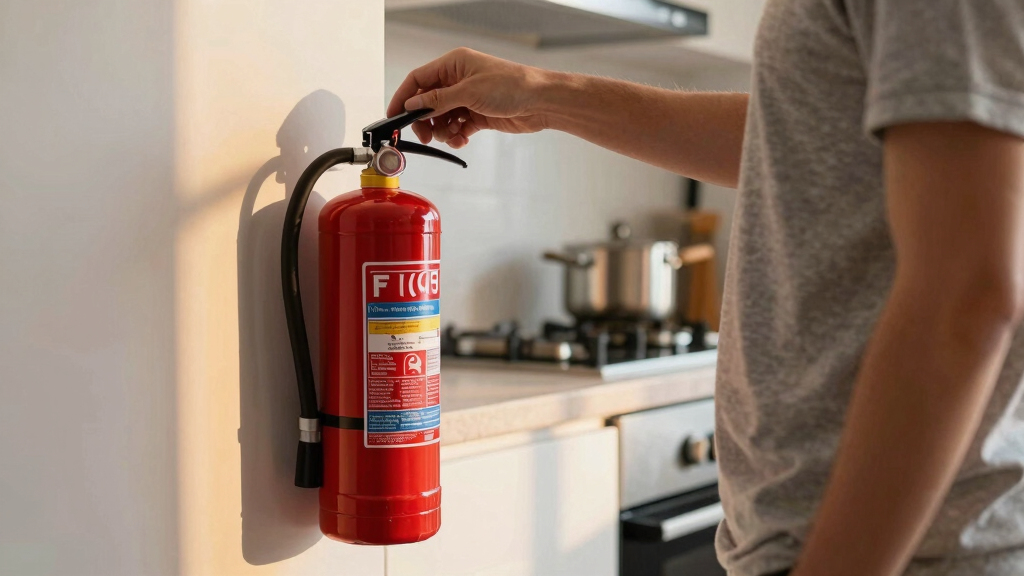
fire extinguisher for home kitchen
As an affiliate, we earn on qualifying purchases.
As an affiliate, we earn on qualifying purchases.
Uncertainties About Practical Implementation and Effectiveness
While the strategies are supported by experts, it is still unclear how many homeowners will adopt all 12 measures consistently. The effectiveness of these strategies may vary depending on individual circumstances, home design, and ongoing maintenance. Additionally, there is limited data on the long-term impact of widespread implementation of these specific recommendations.
Further research and surveys are needed to evaluate how effectively these strategies are adopted and their actual impact on reducing fire incidents.
fire-resistant building materials for home
As an affiliate, we earn on qualifying purchases.
As an affiliate, we earn on qualifying purchases.
Next Steps for Promoting Fire Safety Awareness and Adoption
Fire safety organizations plan to launch awareness campaigns to educate homeowners about these 12 strategies. Local fire departments may also incorporate these recommendations into community outreach and safety inspections. Future initiatives could include providing resources for home modifications and offering safety workshops.
Monitoring and evaluating the adoption rate of these practices will be essential to measure their effectiveness and refine future recommendations.
electrical wiring inspection tools
As an affiliate, we earn on qualifying purchases.
As an affiliate, we earn on qualifying purchases.
Key Questions
Are these 12 strategies suitable for all types of homes?
Most strategies are broadly applicable, but some may need adaptation based on home design, location, and specific risks. Consulting local fire safety experts can help tailor measures effectively.
How often should I inspect and maintain fire safety equipment?
Fire alarms and smoke detectors should be tested monthly, and batteries replaced annually. Fire extinguishers should be checked regularly for proper pressure and accessibility, with professional inspections recommended annually.
Are these strategies costly to implement?
Costs vary depending on the home and the measures taken. Many strategies, like installing smoke alarms and creating defensible space, are low-cost but highly effective. More extensive modifications, such as fire-resistant materials, may require a larger investment.
Can these strategies prevent all types of house fires?
No safety measure can prevent every fire, but following these strategies significantly reduces the risk and enhances overall safety.
Will local fire departments provide assistance with implementing these strategies?
Many fire departments offer safety inspections, advice, and sometimes assistance programs to help homeowners adopt recommended fire prevention measures. Contact your local department for available resources.
Source: rss
Fall Picks
fall essentials
As an affiliate, we earn on qualifying purchases.