TL;DR

Get cleaning gear delivered free — and shop member deals
- Fast, free delivery on millions of items
- Access to Prime Big Deal Days deals on October 6–7
- Prime Video, Amazon Music and more included
Regular cleaning, buffing, and refinishing can bring back the luster of old hardwood floors. Using eco-friendly products and proper techniques prolongs their beauty and durability.
Old hardwood floors can develop a dull, worn look over time, but you don’t need to replace them to regain their shine. With the right approach, you can bring back their natural beauty and warmth. Whether your floors are just a bit dull or heavily scratched, this guide will walk you through practical steps to restore their glow.
You’ll learn how to assess your floors, choose the best cleaning and polishing methods, and decide when refinishing is necessary. Restoring old floors isn’t about magic — it’s about knowing what works and doing it safely and effectively.
Regular cleaning with pH-neutral products keeps floors looking vibrant.
Buffing and polishing can restore shine without heavy sanding if damage isn’t deep.
Deep scratches or worn finishes call for professional refinishing or sanding.
Eco-friendly finishes like water-based polyurethanes offer durability and safety.
Consistent maintenance — sweeping, wiping, and furniture pads — prolongs the shine.
How to Make Old Hardwood Floors Shine Again
TL;DR: Bring life back to dull hardwood by cleaning thoroughly, stripping old wax or finish when needed, lightly sanding, applying a fresh protective finish, then buffing and polishing. The real shine lasts when maintenance becomes part of the rhythm.
Shine is not one product. It is a sequence: remove what dulls, smooth what catches light, protect what remains.
The five-step shine ladder
Old hardwood usually looks tired because dirt, wax, scratches, and worn finish scatter light. Work in order: clean first, remove old buildup only if needed, smooth the surface, seal it, then polish for reflectivity.
Deep clean
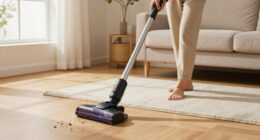
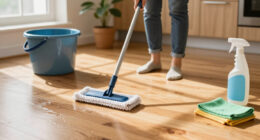
Vacuum or sweep with a soft attachment, then damp mop with a hardwood-safe cleaner or mild soap solution.
Strip buildup
If cleaning fails, old wax or failing finish may need a hardwood-safe stripper and gentle plastic scraper.
Light sand
Use 120–150 grit along the grain to smooth scratches and help the new finish grip evenly.
Refinish
Apply thin, even coats of polyurethane, oil, varnish, or hybrid finish based on durability and warmth.
Buff polish
Once dry, buff in circular passes and add a hardwood polish or wax when compatible with the finish.
Dirt is the first dulling layer
Grit acts like fine sandpaper under shoes. Removing debris before any restoration prevents new scratches and reveals whether the problem is surface grime or worn finish.
Sand only as much as needed
Light sanding refreshes the surface without overcutting the wood. Deep gouges, water damage, or large uneven areas are better candidates for professional refinishing.
Finish creates the glow barrier
The finish is both shine and shield. Thin coats, full drying time, and the right product choice decide whether the floor looks glossy for weeks or years.
Choose the right fix for the level of dullness
Not every tired floor needs the same level of intervention. Start with the least invasive option that solves the problem, then escalate when grime, wax, scratches, or finish failure demand it.
| Floor Condition | Best First Move | DIY Fit | Shine Impact | Watchout |
|---|---|---|---|---|
| Dusty, cloudy, lightly dull | Deep clean, damp mop, buff | ✓ | Moderate to strong | Avoid soaking the floor or using harsh chemicals. |
| Sticky, waxy, residue-heavy | Strip old wax or finish | ~ | Strong | Test a small hidden area before treating the full room. |
| Fine scratches, uneven sheen | Light sanding with 120–150 grit | ✓ | Strong | Sand with the grain to avoid visible cross-scratches. |
| Worn finish, exposed wood patches | Fresh polyurethane, oil, or varnish | ~ | Very strong | Thin coats and full cure time matter more than speed. |
| Deep gouges or water damage | Professional repair or full refinish | ✗ | High, but specialized | DIY sanding can make uneven damage more visible. |
What creates a mirror-like surface?
A glossy result comes from preparation plus finish chemistry. Water-based finishes suit quick turnaround and lower fumes. Oil-based finishes deepen warmth. Hybrid and newer low-VOC options balance durability, air quality, and visual richness.
Finish feel spectrum
Use oil-based finishes when you want richer wood tone, water-based polyurethane when you want faster drying and fewer fumes, and hybrid finishes when you want durability with a warmer look.
Keep the shine from fading again
The restored glow lasts longest when abrasive dirt, moisture, and furniture movement are controlled. Maintenance does not need to be complicated; it needs to be consistent.
Sweep or vacuum
Remove grit before it scratches the finish and dulls reflection.
Damp mop
Use a hardwood-safe cleaner and a barely damp mop, never standing water.
Buff and polish
Refresh gloss every few months with a compatible polish or wax.
Small habits protect big shine
Furniture pads, trimmed pet nails, prompt spill cleanup, and moisture control prevent the finish from breaking down prematurely. Treat the floor like a visible surface, not just something underfoot.
Use felt pads under chairs, tables, and movable furniture.
Test homemade remedies such as vinegar mixtures in a hidden area first.
Choose low-VOC or water-based products when indoor air quality matters.
Call a professional for deep gouges, heavy wear, water damage, or large rooms needing a uniform finish.
Trace the shine from problem to payoff
Fast answers before you begin
Use these guardrails to decide whether your floor needs simple polish, light DIY restoration, or a professional refinish.
Can I restore shine without sanding?
Yes. Cleaning, buffing, and hardwood-safe polish can lift dullness. For deeper scratches or poor finish adhesion, light sanding usually makes the bigger difference.
What is the safest stripping method?
Use a commercial stripper formulated for hardwood, follow the label, ventilate the room, and test a hidden spot before treating the whole floor.
Should I DIY or hire a pro?
DIY is reasonable for cleaning, buffing, polish, and light sanding. Hire a professional for deep sanding, water damage, large areas, or major uneven wear.
How to Check Your Floor’s Condition Before Restoring Its Shine
Understanding what your floor needs is the first step. Is it just dull, or are there deep scratches, discoloration, or worn patches? For example, a floor with light scratches might only need polishing, while heavily worn areas might require sanding and refinishing. Look for signs like a loss of gloss, discoloration, or visible scratches.
To assess:
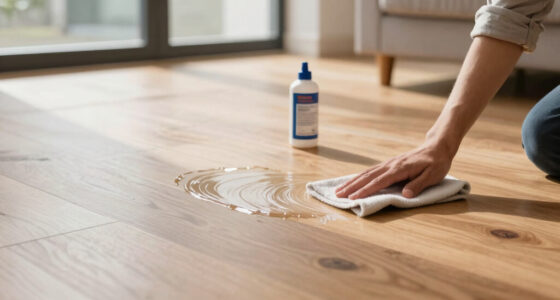
- Check the finish type — wax, polyurethane, or shellac. A simple test is to put a few drops of water; if it beads up, the finish is still intact. If it soaks in or leaves a dull spot, it’s likely degraded.
- Examine the surface for scratches, discoloration, or dull patches.
- Decide if cleaning alone will suffice or if you need to sand and refinish.
Why this matters: Properly diagnosing your floor’s condition helps you avoid unnecessary work or damage. For instance, attempting to polish a heavily worn floor can trap dirt and imperfections, making the floor look worse over time. Conversely, over-sanding a lightly worn surface can remove too much material, weakening the floor and reducing its lifespan. Knowing the extent of damage allows you to choose the most effective and least invasive method, saving money and preserving the floor’s integrity.
As an affiliate, we earn on qualifying purchases.
Cleaning Old Hardwood Floors Without Damaging Them
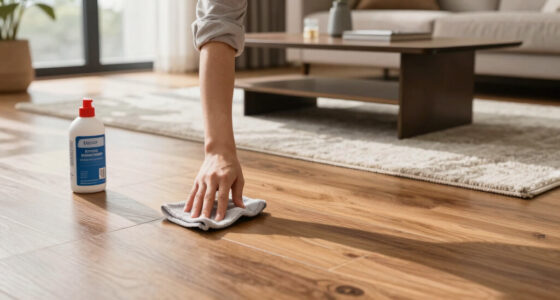
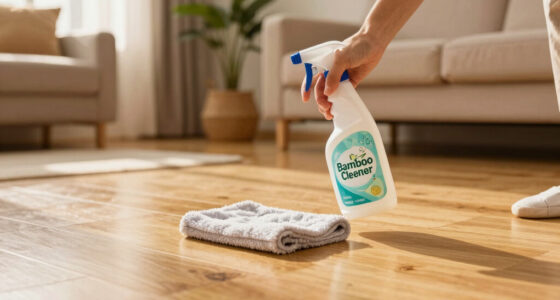
Cleaning properly is the foundation for shine. Use a soft broom or vacuum with a hardwood floor attachment to remove dust and debris — dirt trapped in grooves dull the surface. For mopping, choose a pH-neutral cleaner designed for wood floors. Avoid soaking the floor; instead, dampen a microfiber mop slightly and wipe gently.
Imagine walking on a freshly swept path — that’s the feeling you want your floor to have after cleaning. For extra shine, a microfiber cloth buffed with a tiny bit of vinegar or a dedicated wood floor cleaner can lift dullness.
Pro tip: Clean spills immediately to prevent stains and water damage, which can cause dull patches or warping.
Why this matters: Proper cleaning removes surface dirt and residues that can interfere with subsequent polishing or refinishing efforts. Using harsh chemicals or excessive water can damage the wood or strip protective finishes, leading to quicker deterioration. A gentle, correct cleaning routine preserves the existing finish and prepares the surface for the next step, ensuring a more durable and attractive shine over time.
wood floor buffing and polishing kit
As an affiliate, we earn on qualifying purchases.
As an affiliate, we earn on qualifying purchases.
Simple Ways to Bring Back Shine Without Heavy Sanding
If your hardwood floors are just dull but free of deep scratches, you don’t need to sand them down. Instead, try these quick fixes:
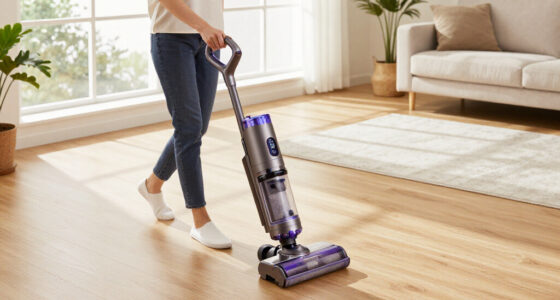
- Buff the floor with a commercial floor buffer or a microfiber pad attached to a low-speed drill. This process smooths out minor surface imperfections and redistributes existing finish, enhancing reflectivity.
- Apply a high-quality hardwood floor polish or a gloss enhancer. Follow the product instructions carefully. These products fill in tiny scratches and add a protective layer that increases shine and surface smoothness.
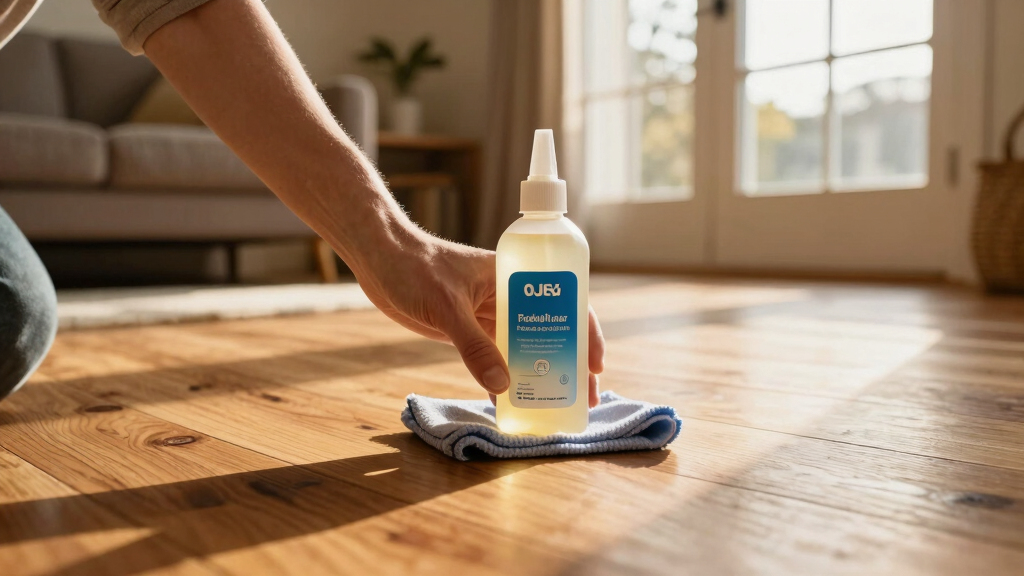
- Use a soft cloth to hand-buff with a little bit of mineral oil or a dedicated floor gloss to add a warm, natural glow. This method nourishes the wood’s surface and enhances its natural beauty without altering the finish.
Why this matters: These methods are effective for restoring appearance without the time, expense, or potential damage of sanding. They work by temporarily filling in minor imperfections and boosting light reflection, which can significantly improve the visual appeal. However, they are not substitutes for refinishing when the surface is heavily worn or scratched, so understanding the condition of your floor will guide you to the right approach.
eco-friendly hardwood floor finish
As an affiliate, we earn on qualifying purchases.
As an affiliate, we earn on qualifying purchases.
When and How to Refinish Your Old Hardwood Floors
Refinishing is the best option when the surface is deeply scratched, discolored, or worn through the finish. You’ll need to sand down the top layer, remove old finishes, and apply a fresh coat of sealant. This process restores smoothness, color, and shine.
Here’s a quick step-by-step:
- Clear the space and protect your surroundings.
- Use a drum sander or hand sander to remove the old finish, working with the grain. This step is crucial because uneven sanding can create low spots or uneven coloration, which affects the final look and durability.
- Vacuum thoroughly to pick up dust and residual debris. Dust left behind can compromise adhesion of the new finish, leading to peeling or uneven gloss.
- Apply a new finish — polyurethane, varnish, or oil-based sealer — with a roller or brush. Proper application ensures a smooth, durable surface that reflects light well.
- Let it cure completely, usually 24-48 hours, before walking on it.
Why this matters: Refinishing restores the floor’s original beauty and extends its lifespan, but it’s a labor-intensive process that requires careful execution. The choice of finish impacts the final look; oil-based finishes tend to deepen the color and add warmth, while water-based options dry faster and are less odorous. Understanding these tradeoffs helps you select the best method for your needs and ensures a long-lasting, shiny result.
hardwood floor sanding and refinishing supplies
As an affiliate, we earn on qualifying purchases.
As an affiliate, we earn on qualifying purchases.
The Best Products and Tools to Make Old Floors Shine
Choosing the right products and tools makes a difference. For cleaning, use microfiber mops and neutral cleaners. For polishing, look for eco-friendly, low-VOC gloss enhancers or waxes. When refinishing, invest in a good sander, quality brushes, and durable sealers.
Here’s a quick comparison:
| Product Type | Best For | Pros | Cons |
|---|---|---|---|
| Microfiber Mop | Cleaning | Gentle, effective, reusable | Requires regular washing |
| Floor Polish | Adding shine | Boosts gloss quickly | Temporary; needs reapplication |
| Water-Based Polyurethane | Refinishing | Durable, quick-drying, eco-friendly | Requires proper application technique |
Using quality tools and products tailored for wood floors ensures safety and longevity of your restoration efforts.
Why this matters: The right products and tools are essential for achieving a professional-looking, durable finish. Poor-quality products can lead to uneven application, peeling, or dullness, which can diminish the floor’s appearance and shorten its lifespan. Investing in reputable, suitable supplies ensures that your efforts last longer and look better, saving you time and money in the long run.
Maintenance Tricks to Keep Your Floors Shining Year-Round
Once your floors shine again, keep that glow with simple habits:
- Sweep or vacuum regularly to prevent grit buildup.
- Mop with a damp microfiber cloth weekly.
- Place felt pads under furniture legs to avoid scratches.
- Clean spills immediately to prevent stains and dull spots.
- Avoid harsh chemicals and excess water during cleaning.
Think of your floor as the heart of your home’s warmth — treat it gently, and it will repay you with years of beauty.
Why this matters: Consistent maintenance prevents dirt, grime, and scratches from degrading the surface and finish. Regular cleaning avoids the buildup of abrasive particles that can scratch or dull the finish. Using gentle cleaning methods preserves the protective coating, which is critical for maintaining gloss and preventing early wear. Small daily habits, like placing pads under furniture, can significantly extend the time before costly refinishing is needed, ensuring your floors stay beautiful longer.
Frequently Asked Questions
How can I make my dull hardwood floors shine without sanding?
You can buff the floor with a floor buffer or microfiber pad and then apply a high-quality polish or gloss enhancer. Hand-buffing with mineral oil or a dedicated wood floor gloss can also add a natural, warm glow. This method works well for lightly dull floors and avoids the mess of sanding.
What is the best way to clean old hardwood floors?
Use a soft broom or vacuum to clear debris, then mop with a damp microfiber cloth and a pH-neutral cleaner. Avoid excess water, as it can damage wood. Regular cleaning prevents buildup and keeps the surface looking fresh and shiny.
Can I refinish my hardwood floors myself?
Yes, if you have some DIY skills. You’ll need a floor sander or hand sander, proper protective gear, and patience. For deep scratches or large areas, hiring a professional might be better, but small projects can be tackled with careful prep and following instructions.
How often should I recoat or refinish my hardwood floors?
Recoat every 2-3 years if your floors are high-traffic or show signs of dullness. Full refinishing, including sanding, is recommended every 7-10 years to remove deep scratches and restore shine. Regular maintenance extends the intervals between refinishing.
Are eco-friendly products effective for restoring shine?
Yes, many low-VOC and water-based finishes and cleaners provide good durability and shine while being safer for your home and the environment. Look for products labeled as eco-friendly and suitable for hardwood floors.
Conclusion
Restoring the shine of old hardwood floors isn’t about complicated tricks — it’s about understanding your floor’s needs and applying simple, safe methods. With patience and the right tools, you can bring back their warmth and character.
Imagine walking into a room where the sunlight dances on a gleaming, warm surface — that’s the power of a well-maintained hardwood floor. Take these steps, and let your floors tell a story of care and timeless beauty.
Fall Picks
fall essentials
As an affiliate, we earn on qualifying purchases.