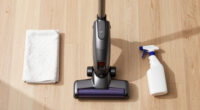
TL;DR

Get cleaning gear delivered free — and shop member deals
- Fast, free delivery on millions of items
- Access to Prime Big Deal Days deals on October 6–7
- Prime Video, Amazon Music and more included
The best mop depends on your floor material. Microfiber mops work well for most surfaces, but specific floors like hardwood or stone need tailored tools and cleaning methods to avoid damage. Newer tech like microfiber and cordless models make cleaning more efficient and eco-friendly.
Matching your mop type to your floor material prevents damage and extends lifespan.
Microfiber mops are versatile, efficient, and gentle — ideal for most surfaces.
Avoid excess water on hardwood and unsealed stone to prevent swelling, staining, or warping.
Regularly wash and replace mop heads to maintain cleaning power and prevent bacteria buildup.
New tech like cordless and smart mops can make daily cleaning quicker and less of a chore.
The Right Mop for Every Type of Floor
The best mop depends on your floor material. Microfiber works well for most surfaces, but hardwood, laminate, stone, tile, and vinyl each need the right moisture level, mop head, and cleaning method to avoid scratches, warping, staining, or dullness.
Match the mop to the material.
Using a microfiber mop can reduce cleaning time by up to 30% because its fine fibers trap dust and dirt more efficiently than traditional cotton.
Microfiber can cut cleaning time by trapping finer particles in fewer passes.
Months before replacement for many microfiber heads, depending on use.
Hardwood, laminate, and unsealed stone need damp, not soaked, cleaning.
Cordless, washable-pad, and smart mops improve speed and consistency.
Choose by floor, not by habit.
The same mop can clean one surface beautifully and damage another. Start with the material, then choose moisture level, pad texture, and cleaning solution.
Damp microfiber spray mop
Use minimal water and a gentle pad. Excess moisture can swell, warp, or stain wood before damage becomes visible.
String or microfiber mop
Tile can handle more moisture and scrubbing, but grout lines still need care to avoid residue and seepage.
Low-moisture spray mop
Laminate is sensitive at seams and edges. Keep passes light, wring thoroughly, and avoid puddling.
Microfiber or string mop
These resilient surfaces tolerate more flexibility, though harsh cleaners and standing water can still dull finishes.
Microfiber plus pH-neutral cleaner
Avoid acidic or abrasive products. Gentle pads protect natural stone from etching and surface dullness.
Dry microfiber dust mop
Dry dusting captures grit before it becomes abrasive, reducing the need for heavy wet cleaning later.
The quick comparison table.
Use this matrix when you need a fast answer before buying a mop or changing your cleaning routine.
| Floor type | Recommended mop | Moisture tolerance | Steam mop? | Damage risk |
|---|---|---|---|---|
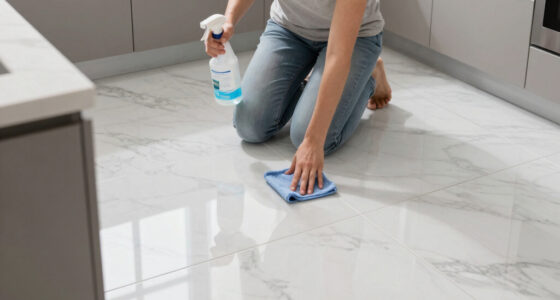
| Hardwood | Microfiber spray mop or damp microfiber pad | ~ Low moisture only | ✗ Avoid unless manufacturer approves | Warping, swelling, staining |
| Tile and ceramic | String mop, microfiber mop, or spin mop | ✓ Moderate to high | ✓ Usually safe when sealed | Grout seepage, residue buildup |
| Laminate | Microfiber spray mop | ~ Very controlled moisture | ✗ Generally avoid | Edge swelling, seam damage |
| Vinyl and linoleum | String mop or microfiber mop | ✓ Flexible | ~ Check product guidance | Dulling from harsh cleaners |
| Marble and stone | Microfiber with pH-neutral cleaner | ~ Low to moderate | ✗ Avoid on unsealed stone | Etching, staining, dullness |
How to mop without wrecking your floors.
Good technique is mostly moisture control, gentle movement, and clean mop heads. These five steps prevent the most common floor-care mistakes.
Check guidance
Manufacturer instructions matter, especially for warranty-sensitive flooring.
Pick the pad
Choose microfiber for gentle dust capture and low-water cleaning.
Wring well
The mop should be damp, not soaked, on sensitive surfaces.
Overlap passes
Move gently without hard pressure or twisting the mop head.
Wash heads
Clean or replace mop heads before they spread dirt and odor.
Microfiber wins on versatility.
Its fine fibers lift dust, dirt, and small particles with less water and fewer cleaning agents, making it a safer default for most homes.
Moisture safety spectrum
Hardwood and laminate sit on the low-moisture side. Tile and resilient vinyl tolerate more water, but standing moisture is still never a cleaning strategy.
Modern mops make the routine easier.
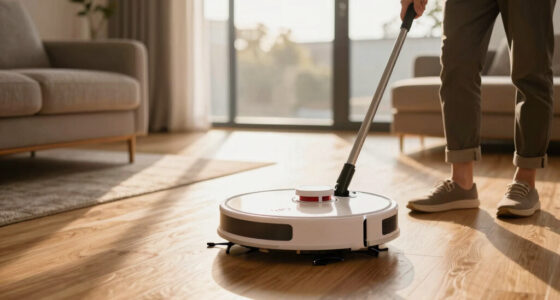
Cordless models, oscillating pads, refillable spray bottles, and washable microfiber heads reduce effort while helping you apply consistent pressure and moisture.
Less friction, faster passes
Rechargeable mops remove cord drag and make quick daily cleanups easier to start and finish.
More lift, less scrubbing
Vibration can loosen stubborn dirt without aggressive pressure that might damage delicate finishes.
Cleaner, lower waste
Reusable microfiber pads reduce disposable waste and maintain performance when washed regularly.
Better pressure patterns
Sensor-guided tools can help prevent missed spots and excessive force on sensitive flooring.
The traceability chain.
Every good mop choice connects the surface, moisture level, pad material, cleaner, and maintenance habit.
How to Pick a Mop That Won’t Damage Your Floors
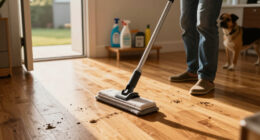
Choosing a mop that’s right for your floor is about understanding what your surface can handle. For hardwood, you want a mop that’s damp, gentle, and won’t cause swelling or warping. For tile or vinyl, you can often go a bit heavier with water and scrubbing power. The key is to match the mop material and cleaning method to your floor’s durability.
For example, a microfiber spray mop is great for hardwood because it uses just enough moisture to lift dirt without soaking the wood. On the flip side, a stiff string mop can scratch delicate tile grout if used improperly. Always check your flooring manufacturer’s advice — many specify cleaning methods to avoid voiding warranties.
Understanding these nuances matters because improper cleaning can lead to long-term damage. Excess water on hardwood can cause swelling, warping, or staining, which may not be immediately visible but deteriorates the surface over time. Conversely, using too little water on stubborn dirt can result in ineffective cleaning, leaving residues that attract more grime. The tradeoff is finding a balance—using enough moisture to clean thoroughly without risking surface damage. Selecting the wrong mop or cleaning method can force you into costly repairs or refinishing, so investing in the right tools and techniques is crucial for maintaining your floors’ beauty and integrity.
microfiber mop for hardwood floors
As an affiliate, we earn on qualifying purchases.
As an affiliate, we earn on qualifying purchases.
The Best Mops for Different Floors — A Quick Comparison Table
| Floor Type | Recommended Mop Type | Notes |
|---|---|---|
| Hardwood | Microfiber spray mop, Damp microfiber | Use minimal water, avoid soaking; excessive moisture can cause lasting damage like warping or staining |
| Tile & Ceramic | String mop, Microfiber mop | Handles more water and scrubbing, but be cautious to prevent water from seeping into grout or unsealed areas |
| Laminate | Microfiber spray mop | Keep moisture low to prevent warping or swelling, which can be irreversible and costly to repair |
| Vinyl & Linoleum | String or microfiber mop | Moisture level flexible; these surfaces are durable but can be damaged by excessive water or harsh cleaners |
| Marble & Natural Stone | Microfiber with pH-neutral cleaner | Avoid acidic or abrasive cleaners, as they can etch or dull the surface, reducing its natural beauty over time |
As an affiliate, we earn on qualifying purchases.
Why Microfiber Mops Are Your Go-To for Most Floors
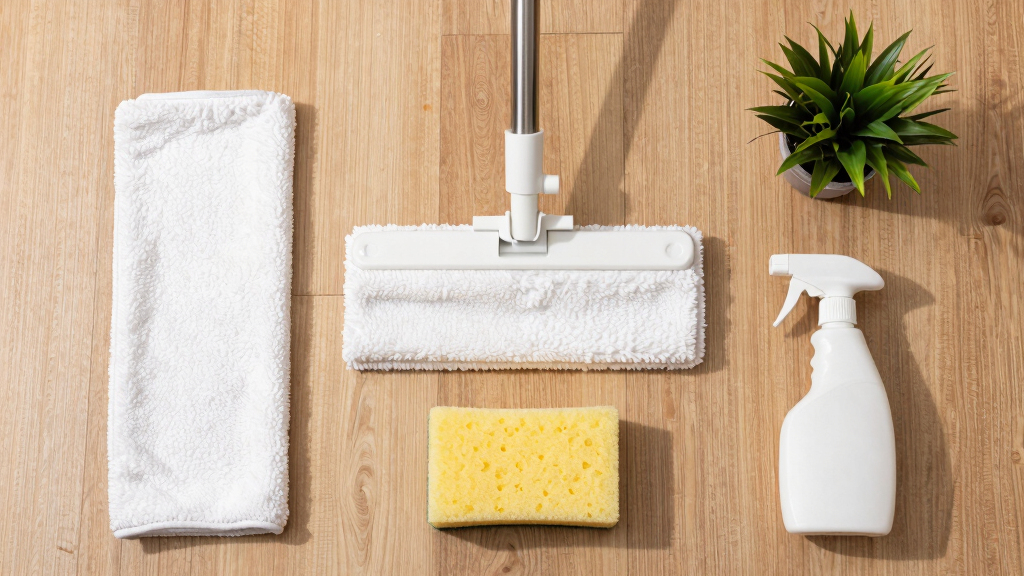
Microfiber mops are the Swiss Army knife of floor cleaning. Their tiny fibers trap dust, dirt, and even bacteria with just a damp swipe. Unlike cotton mops, microfiber uses less water and cleaning solution, making it both eco-friendly and efficient. Plus, they’re gentle enough for delicate surfaces like hardwood and marble.
Imagine gliding a microfiber pad across your wood floor — it picks up every speck of dust without scratching. That’s why many cleaning pros swear by microfiber for daily upkeep and deep cleans alike. They last longer too, especially if you wash them regularly.
Beyond versatility, microfiber’s effectiveness stems from its ability to attract and hold tiny particles that other materials might miss. This means fewer passes needed to achieve a thorough clean, saving time and reducing wear on your floors. However, it’s essential to use the right cleaning solution and avoid over-saturating the mop, as improper use can diminish microfiber’s benefits or even cause damage, especially on sensitive surfaces. Overall, microfiber’s combination of gentle cleaning power, durability, and environmental friendliness makes it the top choice for most flooring types.
As an affiliate, we earn on qualifying purchases.
How to Use a Mop Without Wrecking Your Floors
- Check your floor’s manufacturer guidelines. Some surfaces need special care.
- Use a damp mop, not soaked. Too much water can cause swelling or staining.
- Wring out excess moisture thoroughly before mopping.
- Move the mop in a gentle, overlapping pattern. Avoid pressing hard or twisting the mop head.
- Rinse or wash your mop head frequently to prevent spreading dirt.
For example, on a hardwood floor, a quick pass with a damp microfiber cloth is enough to lift dirt without risking water damage. On tile, you can get a bit more vigorous, but still avoid excessive moisture. The key is understanding that different surfaces require different moisture levels and techniques. Using too much water on sensitive floors can lead to warping, staining, or grout damage, while too little may leave residues or dirt behind. Proper technique—like wringing out the mop thoroughly and using gentle, overlapping strokes—ensures you clean effectively without compromising your floor’s integrity. Recognizing these nuances helps prevent costly repairs and keeps your floors looking their best for years to come.
best microfiber mop head replacement
As an affiliate, we earn on qualifying purchases.
As an affiliate, we earn on qualifying purchases.
Modern Mopping Technologies That Make Your Life Easier
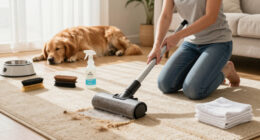
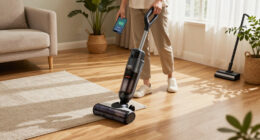
New mops aren’t just basic tools anymore. Today, cordless, battery-powered, and even smart mops are changing how we clean. Imagine a lightweight mop with a rechargeable battery that vibrates to loosen dirt or a device you can control with an app for perfect pressure and pattern.
For instance, cordless models eliminate the annoyance of dragging cords around, saving time and effort. Some even come with washable microfiber pads that dry quickly and last for hundreds of uses. These innovations make regular cleaning less of a chore and more of a quick, satisfying task.
These technologies not only improve convenience but also influence cleaning effectiveness. Battery-powered vibrators or oscillating pads can dislodge stubborn dirt more efficiently than manual mops, reducing the need for harsh scrubbing or multiple passes. Additionally, smart mops with app control can optimize cleaning patterns and pressure, ensuring you don’t miss spots or apply too much force—both of which can damage delicate floors. As these tools become more accessible, they empower homeowners to achieve professional-level results with less effort, extending the lifespan of their floors and making maintenance more manageable.
Key Tips for Keeping Your Floors Looking New Longer
- Use a microfiber mop for dust and dirt — it traps particles better than traditional cotton, reducing the need for aggressive scrubbing that can wear down your floors over time.
- Never use excessive water on hardwood or unsealed stone. Too much moisture can seep into the material, causing swelling, staining, or warping that’s costly to repair and difficult to reverse.
- Wash mop heads regularly — at least every 3-6 months or when they smell — because dirty mops can re-deposit dirt and bacteria, dulling your floors and risking health issues.
- Choose pH-neutral cleaners for delicate surfaces. Acidic or alkaline cleaners can etch or dull the surface, reducing its natural luster and leading to more frequent refinishing needs.
- Switch mop types if you notice scratches or buildup — don’t stick to one tool forever. Different floors and dirt types require specific tools and cleaning methods to avoid cumulative damage.
For example, replacing your microfiber pad every few months can keep your floors shiny and free of streaks, while using the proper cleaners preserves their original finish. Regularly updating your cleaning tools and techniques ensures your floors not only stay beautiful but also retain their structural integrity longer, saving you money and effort over the years.
Frequently Asked Questions
What mop is safest for hardwood floors?
A microfiber spray mop or damp microfiber cloth is safest for hardwood. It cleans effectively without excessive water, which can cause warping or swelling over time.Can I use the same mop on all flooring types?
While some mops are versatile, it’s best to use specific tools or adjust your cleaning method for each surface. Using the wrong mop can lead to scratches or damage.Are steam mops safe for all floors?
No, steam mops work best on sealed, hard surfaces like tile or sealed hardwood. They can damage unsealed wood or certain natural stones, so check your manufacturer’s advice first.How often should I replace my mop head?
Most microfiber heads last 3-6 months with regular washing. Replace sooner if they show signs of wear, odor, or reduced cleaning effectiveness.What cleaning solutions are safe for delicate floors?
Use pH-neutral cleaners or solutions specifically designed for your floor type. Avoid harsh chemicals like bleach or acids that can damage surfaces.Conclusion
Choosing the right mop isn’t just about getting floors clean — it’s about caring for your surfaces long-term. A microfiber mop paired with proper technique keeps your floors looking fresh and damage-free. Think of your cleaning tools as your first line of defense in preserving the beauty of your home’s foundation — your floors. Keep your tools updated, and every sweep will be a step toward lasting shine.Fall Picks
fall essentials
As an affiliate, we earn on qualifying purchases.