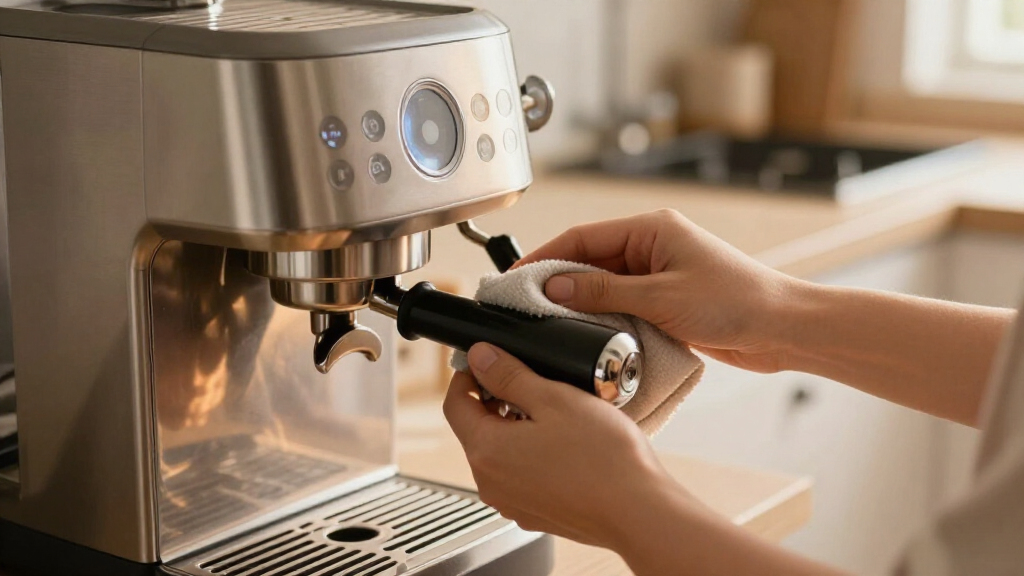

TL;DR
Descaling removes mineral scale that clogs and damages your espresso machine, while cleaning oils and residues improve flavor. Following a routine based on your water hardness keeps your machine in top shape and your coffee tasting perfect.
Imagine pulling a shot of espresso that tastes flat, sour, or bitter. That’s often a sign of mineral deposits choking your machine’s water pathways. If your espresso suddenly takes longer to brew or the steam isn’t as powerful, scale buildup could be the culprit.
Keeping your espresso machine clean isn’t just about taste. It’s about protecting a complex, sensitive device from the damage caused by mineral deposits—mostly calcium and magnesium—especially in hard water areas. This guide walks you through simple, practical steps to descale and clean your machine, so it stays reliable and your coffee stays delicious.
Descale every 1–3 months based on your water hardness to prevent costly damage.
Use citric or lactic acid solutions—avoid vinegar unless explicitly recommended— for safe, effective descaling.
Regularly clean the brew group with alkaline detergent and backflush if your machine supports it.
Switch to filtered or remineralized water to cut down on scale buildup, but avoid pure distilled water that can corrode components.
Follow manufacturer instructions for resetting the descaling indicator to maintain maintenance schedules.
How to Descale and Clean an Espresso Machine
Descaling dissolves mineral deposits inside the water path. Cleaning removes coffee oils, milk residue, and debris. Your machine needs both routines—and the correct schedule depends on water hardness, daily use, and machine design.
Know what you are removing
Acid dissolves minerals; alkaline detergent lifts oils. Daily wiping and purging stop fresh residue from hardening. Substituting one process for another leaves part of the machine untreated.
Descaling
Runs citric acid, lactic acid, or an approved proprietary descaler through the reservoir, boiler, brew path, and steam circuit.
Every 1–3 months · water dependentBackflushing
Uses a blind basket and alkaline detergent to clean the brew group—but only on machines equipped with a 3-way solenoid valve.
Water weekly · detergent every 1–2 weeksDaily cleaning
Flushes the group, rinses baskets, empties the drip tray, and purges and wipes the steam wand immediately after milk use.
After every coffee session| Maintenance task | Targets | Correct cleaner | 3-way valve needed? | Typical frequency |
|---|---|---|---|---|
| Descale | Boiler, thermoblock, pipes, valves | Acid descaler | No | Every 1–3 months |
| Backflush | Brew group and pressure-release path | Alkaline detergent | Yes | Weekly to bi-weekly |
| Soak removable parts | Basket, metal portafilter, shower screen | Alkaline detergent | No | Weekly |
| Milk-system clean | Steam tip, hose, frother, carafe | Dedicated milk cleaner | No | After use / as directed |
Never detergent-backflush a machine unless its manufacturer confirms that the model supports it.
Let mineral content set the calendar
Use a hardness test strip or local water report. Automatic reminders usually estimate scale from usage; they do not always measure the water itself.
Relative scale risk by hardness
Higher dissolved calcium and magnesium generally mean faster internal buildup.
Five stages from scale to clean
Check the manual before starting, especially for dual-boiler machines, aluminum thermoblocks, plumbed-in units, or models with an automated program.
Prepare
Remove any water filter. Mix an approved descaler—or roughly 1–2 tablespoons of citric acid per liter only when compatible.
Prime paths
Run solution through the brew head and steam or hot-water outlet in short stages so every water pathway is treated.
Pause
Allow a 15–20 minute dwell when the machine instructions permit. This gives the acid time to loosen stubborn deposits.
Flush
Empty and rinse the reservoir. Run 1–2 full tanks of fresh water through the group and steam circuit.
Reset
Reinstall or replace the filter, wipe accessible surfaces, and reset the descale indicator exactly as the manual specifies.
Residual acid can contaminate espresso flavor and may continue reacting with internal metals or seals. If water smells or tastes unusual, keep flushing.
Build a complete care kit
Cleaning the machine body alone does not protect its working parts. Keep the right supplies nearby and assign each task a repeatable interval.
Maintenance rhythm
What you need
Approved acid descaler
Citric, lactic, or proprietary formula matched to the machine’s metals and seals.
Alkaline detergent
Cafiza-type cleaner for compatible brew groups and removable metal parts.
Brushes and cloths
A group-head brush, soft detailing brush, and clean microfiber cloths.
Hardness test strips
Measure the water rather than guessing when the next descale is due.
Protect the seals, boiler, and warranty
Guessing with vinegar
Acetic acid can leave persistent odors and may affect rubber components. Use it only when the manufacturer explicitly approves it.
Blind backflushing
Machines without a 3-way solenoid valve must not be detergent-backflushed. Confirm the model’s design first.
Using pure distilled water
Zero-mineral water may cause sensing, extraction, or corrosion issues. Choose filtered or properly remineralized water instead.
The maintenance chain
The practical rule: acids handle mineral scale, alkaline detergent handles coffee oils, and immediate wiping handles milk residue. Follow the machine manual whenever its instructions differ.
Why Descaling and Cleaning Save Your Machine and Your Coffee
Descaling and cleaning are two sides of the same coin. Descaling removes mineral scale that, over time, coats the inside of your machine’s boilers, pipes, and valves. This buildup reduces heating efficiency, cuts water flow, and can lead to costly repairs.
Cleaning, on the other hand, tackles coffee oils and residues that clog the brew circuit. These oils cause bitter flavors and stale aromas, even if your machine is perfectly descaled. Combining both routines keeps your espresso tasting bright and your machine humming.
Imagine trying to brew with a clogged straw—your shot will be weak, uneven, and unappealing. That’s what scale and oils do inside your espresso machine.
As an affiliate, we earn on qualifying purchases.
The Big Difference: Descaling vs. Backflushing vs. Daily Cleaning
| What It Does | What It Uses | How Often |
|---|---|---|
| Descaling | Acid solution (citric, lactic, proprietary descaler) | Every 1–3 months, depending on water hardness |
| Backflushing | Alkaline detergent (for machines with 3-way valves) | Weekly or bi-weekly |
| Daily Cleaning | Water, cloth, steam purge, milk cleaner | After every use |
Each step targets a different problem. Descaling dissolves mineral deposits that can insulate heating elements and clog water pathways, leading to inconsistent brewing temperatures and reduced efficiency. Backflushing removes coffee oils that build up in the brew group, which if left unchecked, can cause bitter flavors and clogging. Daily wiping prevents residues from accumulating, which can harbor bacteria and cause off-flavors. Neglecting any of these steps can result in flavor degradation, reduced machine lifespan, and increased repair costs. Prioritizing each routine ensures your machine operates optimally and your coffee remains flavorful and consistent.
As an affiliate, we earn on qualifying purchases.
How Often Should You Descale? The Water Hardness Rule of Thumb
Hard water is the enemy of your espresso machine. If your area’s water tests above 180 ppm (parts per million) of minerals, calcium, and magnesium, your machine is at higher risk of rapid scale buildup, which can insulate heating elements, reduce efficiency, and cause premature failure. Descaling every month becomes a preventive measure to avoid these issues.
Conversely, if your water is softer—below 60 ppm—the mineral deposits form more slowly, allowing you to extend the interval to 4–6 months. This isn’t just about convenience; it’s about maintaining the delicate balance inside your machine. Excessive scaling can cause uneven heating, clogging, or even damage to seals and gaskets. Using water test strips or consulting your local water report helps you determine the right schedule, ensuring your machine receives the appropriate level of care based on actual mineral content. Regularly scheduled descaling based on water hardness is a proactive way to extend your machine’s lifespan and keep your coffee tasting consistent.
espresso machine backflush cleaner
As an affiliate, we earn on qualifying purchases.
As an affiliate, we earn on qualifying purchases.
What You Need to Descale and Clean Your Machine
Gather these essentials before you start:
- Descaling solution: Citric acid (1–2 tablespoons per liter of water), or a commercial descaler approved for espresso machines
- Cleaning brushes and cloths: Soft brushes for group heads, microfiber cloths
- Detergent for oils: Cafiza or similar alkaline cleaner for portafilters and parts
- Tools: Access to water, a container or basin, and possibly a descaling pump if your machine needs it
Note: Always follow your machine manufacturer’s instructions and avoid vinegar unless specifically recommended—its strong smell and potential seal damage make it a poor choice for most machines. Using the wrong cleaning agents can damage seals, gaskets, or internal components, leading to costly repairs or reduced lifespan. Always verify compatibility and follow manufacturer instructions to ensure safe and effective cleaning. Proper supplies and cautious use of cleaning agents safeguard your investment and keep your machine functioning optimally.
As an affiliate, we earn on qualifying purchases.
Step-by-Step: How to Descale Your Espresso Machine
Follow this simple process:
- Fill the water reservoir with your descaling solution, using the ratio recommended (usually 1–2 tablespoons citric acid per liter). This ensures the acid concentration is effective without damaging internal parts.
- Turn on your machine, run the solution through the brew head and steam wand in stages, pausing to let the acid dissolve deposits. Running the solution through all accessible pathways ensures comprehensive cleaning.
- If your machine allows, let the solution sit in the boiler for 15–20 minutes. This pause helps the acid penetrate and loosen stubborn scale deposits, especially in hard water conditions.
- Flush with 1–2 full reservoirs of fresh water, running it through all the parts to remove any acid residue. Proper rinsing prevents flavor contamination and corrosion.
- Wipe down all accessible surfaces and check for any remaining deposits. Visual inspection helps catch areas that may need additional cleaning or rinsing.
For machines with specific features or boilers, consult your manual for tailored steps. Repeat every 1–3 months based on water quality. Regular descaling prevents mineral buildup, which can insulate heating elements, cause uneven temperatures, and shorten the lifespan of internal components. Adhering to a routine tailored to your water hardness ensures your machine maintains optimal performance and your coffee remains consistently delicious.
How to Backflush and Clean the Brew Group Properly
If your espresso machine has a 3-way solenoid valve, backflushing is your go-to routine. Here’s how:
- Insert a blind filter into your portafilter, add a small amount of alkaline cleaning powder. This creates a seal that allows pressure buildup during backflushing.
- Attach the portafilter and run the pump for about 10 seconds, then stop. Repeat 4–5 times. This process dislodges coffee oils and residues trapped in the brew group pathways.
- Let the cleaning solution sit in the brew group for a few minutes to loosen stubborn deposits, then run water through to rinse thoroughly. Proper rinsing ensures no cleaning residues remain that could affect flavor or damage seals.
- Remove the portafilter, clean the shower screen and gasket with a brush, and wipe the area. Regular cleaning of these parts prevents oil buildup and maintains optimal water flow.
For machines without a 3-way valve, focus on manual cleaning of the group head with alkaline detergent weekly, ensuring all crevices are free of coffee oils and residues that can cause off-flavors and clogging. Proper backflushing, when applicable, is vital for maintaining the internal cleanliness and longevity of your brew group, directly impacting flavor quality and machine durability.
Cleaning the Steam Wand and Milk Frother — Keep It Free of Gunk
After every use, purge your steam wand by opening it and releasing steam for a few seconds. Wipe the tip with a damp cloth to remove milk residue. This prevents milk from drying and clogging the tiny holes, which can lead to poor steam quality and bacterial growth.
Once a week, soak the wand in a mixture of hot water and milk cleaner or vinegar (if your manual approves). This soak dissolves any milk residues or mineral deposits that might have accumulated, ensuring a clean, hygienic surface. Use a pin or needle to unclog any milk deposits in the tip, which can block steam flow and reduce frothing quality. Regular cleaning of the steam wand not only maintains optimal performance but also prevents the growth of bacteria and mold, ensuring every froth is fresh and free from off-flavors.
Choosing Water to Minimize Scale Buildup
Switching to filtered or remineralized water can cut down on the need for frequent descaling. These waters balance mineral content, reducing scale formation. Proper mineral levels are crucial because too many minerals promote rapid scale buildup, while too few can cause corrosion or sensor errors.
Beware of using pure distilled or reverse osmosis water—they lack minerals and can corrode boilers or trigger sensor errors. Slightly mineralized water keeps things in balance, preventing both scale and corrosion issues.
Many enthusiasts now use third-party water packets designed for coffee machines, which contain precisely balanced minerals. This tailored approach helps maintain optimal water chemistry, reducing scaling and extending intervals between descaling sessions, ultimately protecting your investment and ensuring consistent, high-quality coffee.
Troubleshooting and FAQs: Your Common Questions Answered
Q: How do I reset the descaling indicator light?
A: Most machines require holding specific buttons after cleaning. Check your manual or try holding the brew and steam buttons simultaneously for a few seconds. Properly resetting the indicator helps you stay on schedule and prevents missed maintenance.
Q: Can I use vinegar to descale?
A: While vinegar is effective in some cases, most manufacturers warn against it because it can leave odors and cause seal damage over time. Using citric acid or proprietary descalers ensures a safer, more effective cleaning without risking internal damage or flavor contamination.
Q: How do I know if my machine needs descaling?
A: Signs include slow water flow, inconsistent brewing temperature, weak steam, or a chalky taste in your coffee. Regular visual inspections for white mineral deposits and monitoring performance help you catch issues early, preventing costly repairs and maintaining optimal flavor.
Q: Is descaling safe for all machines?
A: No. For aluminum boilers, only use manufacturer-approved acids to avoid corrosion. Always consult your manual for specific guidance, as improper descaling agents can damage sensitive materials and reduce your machine’s lifespan.
Conclusion
Consistent descaling and cleaning keep your espresso machine brewing at its best—bright, flavorful shots and a long-lasting device. Think of it as giving your machine a health checkup every few months.
Keep scale and oil buildup at bay, and your favorite coffee will always taste just right. A clean machine is a happy machine—your daily espresso deserves it.