TL;DR
Fruit flies reproduce quickly, but you can get rid of them with simple traps and thorough cleaning. Consistency is key for long-term control. This guide shows you how to do it safely and efficiently.
Nothing kills the mood faster than a swarm of tiny, buzzing fruit flies dancing around your kitchen. They seem to appear out of nowhere, especially when you’re trying to enjoy a fresh apple or prepare dinner. But here’s the truth: these tiny pests thrive on the organic messes we often overlook. The good news? With a few simple steps, you can banish them for good.
This guide is about practical, safe tactics to eliminate fruit flies and prevent them from returning. No hype, just real-world solutions that work—whether you’re dealing with a handful or a full-blown invasion.
Remove all attractants—rotting fruit, spills, and organic debris—immediately to cut off breeding sites.
Use homemade vinegar traps with dish soap for quick, effective adult fly catchers.
Sanitation and proper storage are key for long-term control—don’t let your kitchen become a breeding ground again.
Natural repellents like herbs and essential oils can help keep fruit flies at bay without chemicals.
Regularly inspect and clean drains, trash cans, and hidden corners to stay ahead of infestations.
How to Spot Fruit Flies Before They Take Over
Fruit flies are tiny, about 1/8 inch long, with a reddish-brown eye and a tan body. You’ll notice them hovering around overripe bananas, rotting fruit, or fermented liquids like wine or beer. They’re especially drawn to anything that smells sweet or sour—think fermenting apple cores or spilled juice.
Early detection is a game changer. Spotting them early means you can wipe out their breeding grounds before their population explodes. Look for small, swift flies zipping near your fruit bowl, trash, or drains. If you see a handful, act quickly—you’re still in control.

CimoroWin 1 Pack Ripple Ceramic Fruit Fly Trap for Indoors, White
- Elegant Ripple Ceramic Design: Blends with modern kitchen decor
- Stainless Steel Perforated Lid: Attracts and traps fruit flies effectively
- Easy to Use: Fill with vinegar and cover with lid
As an affiliate, we earn on qualifying purchases.
As an affiliate, we earn on qualifying purchases.
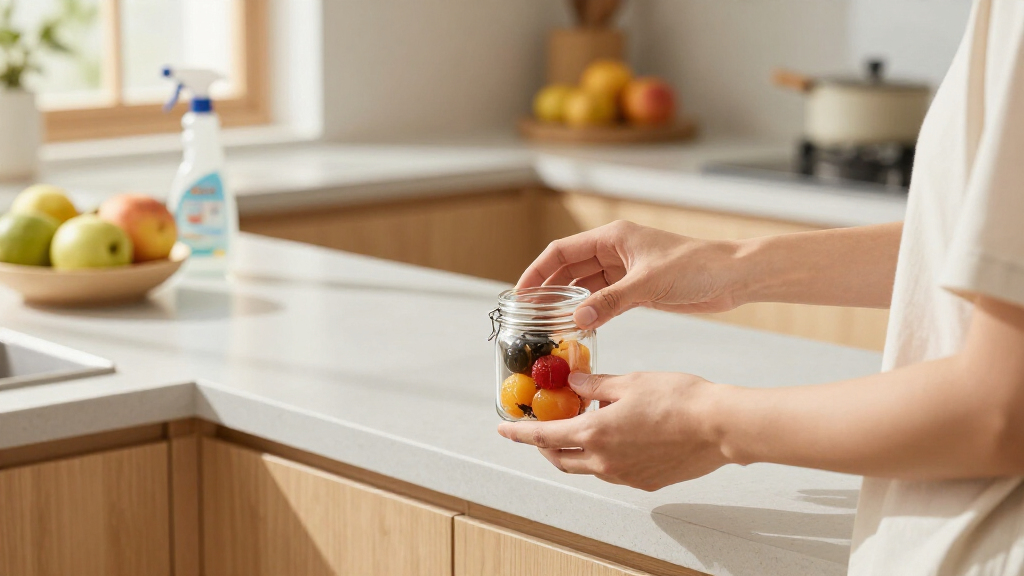
Fruit flies thrive on what’s around you—rotting produce, spills, and organic debris. Removing these attractants is your first line of defense. Check your fruit bowl—are there overripe bananas or forgotten peaches? Empty trash cans and compost bins frequently—flies love fermenting food scraps.
Drain cleaning is often overlooked but crucial. Gunk and residue inside drains provide perfect breeding sites. Scrubbing them weekly with a mixture of baking soda and vinegar can make a big difference.
Here’s a quick checklist:
- Discard overripe or rotting produce immediately.
- Wipe down counters and clean up crumbs daily.
- Seal or store produce in the fridge.
- Empty trash and compost often.
- Deep clean drains weekly.
Understanding why sanitation is so critical helps you appreciate that neglecting these areas creates a continuous cycle of infestation. Organic residues emit fermenting odors that attract flies and serve as breeding sites. By maintaining a clean environment, you cut off the flies’ reproductive cycle, making it harder for new generations to emerge and establish themselves.

Fabulous Frannie Bug Away 100% Pure, Undiluted Essential Oil Blend of Citronella, Lavender, Eucalyptus & Lemongrass 10ml (Pack of 1)
- Essential Oil Blend: Citronella, Lavender, Eucalyptus & Lemongrass
- Packaging: Amber Glass Bottle with Dropper Cap
As an affiliate, we earn on qualifying purchases.
As an affiliate, we earn on qualifying purchases.
Create DIY Fruit Fly Traps That Actually Work
Fruit fly traps are your best weapon. The simplest and most effective? Apple cider vinegar. Fill a small jar or bowl with it, then cover the opening with plastic wrap. Poke tiny holes—flies slip in but can’t escape. The vinegar’s smell attracts them, and they drown in the liquid.
For an even better trap, add a few drops of dish soap. It breaks the surface tension, so flies sink as soon as they land. Here’s a quick step-by-step:
- Pour 1/4 cup apple cider vinegar into a jar.
- Stir in a few drops of dish soap.
- Cover with plastic wrap and poke tiny holes.
- Place near problem areas—by the sink or fruit bowl.
- Check and empty the trap daily.
Using these traps is effective because they target adult flies directly, reducing the immediate population. The vinegar attracts the flies because its scent mimics the fermenting organic material they seek, making it an irresistible lure. Adding dish soap ensures the flies sink quickly once they land, preventing them from escaping and thereby increasing trap efficiency. This method is simple but addresses the core of the problem—reducing the number of adult flies that can lay eggs and perpetuate the cycle.

Drain Brush and Drain Cleaner Sink Snake Tools
- All-in-One Drain Cleaning Kit: Includes brush and snake tools
- Powerful Clog Removal: Breaks up tough clogs and removes hair
- Deep Cleaning Effectiveness: Removes residue and gunk from pipes
As an affiliate, we earn on qualifying purchases.
As an affiliate, we earn on qualifying purchases.
Compare Common Fruit Fly Traps — Which One Wins?
| Trap Type | How It Works | Pros | Cons |
|---|---|---|---|
| Apple Cider Vinegar + Plastic Wrap | Attracts flies with vinegar, traps them behind plastic | Cheap, easy, effective | Needs regular checking |
| Wine or Beer Traps | Fermentation scent attracts flies, trapped in liquid | Inexpensive, accessible | Messy if spilled |
| Commercial Traps | Designed with attractants and catch chambers | Low maintenance, reusable | Cost more, may need replacement |
Choosing the right trap depends on your specific needs and budget. Vinegar traps are reliable and inexpensive, making them ideal for quick control. Wine or beer traps are similarly effective but can be messier and less precise. Commercial traps are designed for convenience and often include attractants that lure flies more effectively, but they come with higher upfront costs. Considering the trade-offs—cost, convenience, and effectiveness—helps you select the best tool for your situation. Remember, no trap is a silver bullet; combining trapping with sanitation yields the best results for lasting control.

Fruit Fly Trap Refill Liquid Kit with 2 x 0.68oz Bottles Liquid, 2 Reusable Traps and 8 Sticky Pads,Near Food, Fruit Fly Traps for Indoors Home Kitchen Use
- Fruit Fly Trap Liquid: Attracts fruit flies effectively
- Complete Trap Kit: Includes 2 bottles, 2 traps, 8 sticky pads
- Long-Lasting Refill: Each bottle lasts up to 42 days
As an affiliate, we earn on qualifying purchases.
As an affiliate, we earn on qualifying purchases.
Natural and Safe Ways to Keep Fruit Flies Away
If you prefer avoiding sprays, natural repellents like basil, mint, or lavender work wonders. Place potted herbs near your fruit bowl or sink. The strong scent confuses or repels flies, keeping them at bay. These herbs contain compounds that interfere with the flies’ ability to detect suitable breeding sites, making your kitchen less attractive to them.
You can also use essential oils—diluted in water and sprayed around problem areas. Oils like eucalyptus, citronella, or tea tree have proven repellent properties. Their aroma masks the scents that attract flies and creates an environment they prefer to avoid. Regular application enhances their effectiveness, especially when combined with good sanitation practices.
Remember: Regular cleaning and removing attractants are your best long-term defense. Combining traps with natural repellents creates a hostile environment for fruit flies, reducing the likelihood of reinfestation and helping maintain a fly-free kitchen over time.
Stay One Step Ahead with Long-Term Prevention Tactics
Dealing with fruit flies isn’t just about quick fixes. Long-term control means changing habits. Store ripe produce in the fridge or sealed containers. Wipe down your counters daily and fix leaks promptly—moisture attracts breeding sites. Small leaks under sinks or behind appliances can create hidden breeding grounds, so inspecting and repairing these issues is crucial.
Inspect your kitchen weekly for hidden spots: behind appliances, inside trash cans, and drains. Consider setting a reminder to deep clean your sink and pipes monthly. These regular maintenance routines disrupt the reproductive cycle of fruit flies, which rely on moist, organic environments to thrive. Additionally, educating household members about proper storage and cleanliness reinforces these habits, making prevention a shared responsibility.
Remember: Consistency beats quick fixes. The more you stay vigilant and proactive, the less opportunity fruit flies have to establish themselves, leading to a more comfortable, fly-free kitchen environment.
Frequently Asked Questions
How do I get rid of fruit flies quickly?
The fastest way is to set up a vinegar trap with dish soap, then clean up all rotting or overripe produce. Removing attractants and trapping adult flies together clears the problem in just a few days.
How long does it take to eliminate fruit flies?
Most infestations can be controlled within 3 to 7 days if you maintain daily sanitation, fresh traps, and eliminate breeding sites. Patience and consistency make all the difference.
Are fruit flies dangerous?
They’re mainly a nuisance, but they can carry bacteria from decaying organic matter. They rarely bite or cause health issues directly, but their presence indicates sanitation problems that need fixing.
Can I use chemical sprays indoors?
It’s not recommended—chemicals can be harmful around food and children. Focus on traps, natural repellents, and sanitation for safe, effective control.
How do I prevent fruit flies from coming back?
Keep up with regular cleaning, store produce properly, and dispose of organic waste promptly. Staying vigilant with drain cleaning and inspecting for hidden breeding sites also helps prevent a new invasion.
Conclusion
Fruit flies thrive on the small messes we often overlook. The secret to keeping them out? Consistent cleanliness, quick removal of attractants, and effective traps. When you treat your kitchen like a fly-free zone, they won’t stand a chance.
Imagine a kitchen where flies are nowhere to be seen—a place of fresh, clean air and crisp fruit. That’s your goal, and with these simple steps, it’s within reach. Start today, and enjoy a fly-free kitchen tomorrow.