
TL;DR
Open a free Amazon Business account
Business pricing, bulk buying and tax-exempt orders.
Create a free accountAs an affiliate, we earn on qualifying purchases.
Condensation forms when moist air meets cold surfaces like windows. Reducing indoor humidity, improving airflow, and keeping your home warm are the most effective ways to stop it. Small changes make a big difference.
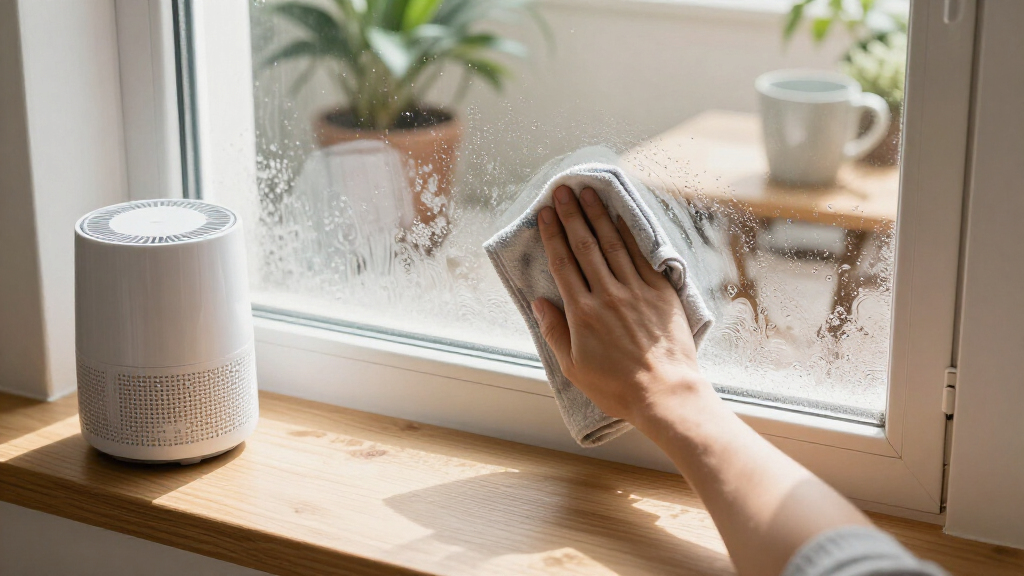
Every morning, you wake up to fogged-up windows or water droplets slowly sliding down the glass. It’s a common frustration, especially in winter. But condensation isn’t just a nuisance — it can lead to mold, damage, and respiratory issues if ignored.
In this guide, you’ll learn straightforward, proven ways to cut down moisture, boost airflow, and keep your windows dry year-round. No hype, just practical steps you can take today to make your home healthier and more comfortable.
Monitor indoor humidity with a hygrometer and keep it between 30–50% during winter.
Use extractor fans and open windows briefly for better airflow and moisture removal.
Upgrade to double or triple-glazed windows with warm-edge spacers to prevent cold spots.
Maintain a steady, warm indoor temperature to keep glass surfaces above the dew point.
Fix leaks and improve insulation to reduce cold bridges and keep windows warmer.
How to Stop Condensation on Your Windows
Condensation forms when moist air meets glass colder than the air’s dew point. The durable fix is a three-part strategy: reduce indoor moisture, move humid air outside, and keep glass surfaces warmer. Small daily changes can prevent mould, damaged frames, and persistent damp.
Use a hygrometer and adjust the upper limit downward during severe cold.
Keep kitchen and bathroom extraction running after steam production ends.
Steady warmth helps keep internal glass above the dew point.
Where is the water?
The moisture location identifies the likely cause. Check the surface carefully before spending money on equipment or replacement windows.
Inside the glass
Warm, humid indoor air is cooling against cold glass. High humidity, weak ventilation, restricted airflow, or poorly insulated glazing may all contribute.
Best response: measure humidity, extract steam, ventilate briefly, and warm the glass.Outside the glass
Morning dew outside is usually harmless. Efficient glazing can keep the exterior pane cold while retaining warmth indoors, allowing outdoor moisture to settle.
Best response: normally none; allow the sun and outdoor airflow to clear it.Between the panes
Fog trapped inside a double- or triple-glazed unit usually indicates a failed perimeter seal. Household ventilation will not remove moisture from the cavity.
Best response: arrange professional inspection and replace the failed sealed unit.Break the chain before droplets form
Condensation is a physical sequence. Interrupting it at the moisture, airflow, temperature, or surface stage makes wet windows less likely.
Place it in the affected room, away from radiators and direct window draughts. Track morning readings and conditions after cooking, showering, or drying clothes.
Act on moisture, air, and temperature
The strongest results come from combining source control and ventilation with steady warmth, clear airflow paths, and better-performing windows.
Stop moisture where it starts
Cooking, showering, damp laundry, plumbing leaks, and unvented dryers are major indoor vapour sources.
- Cover pans and use extraction while cooking.
- Close kitchen and bathroom doors during steam production.
- Dry laundry outdoors or in a properly ventilated area.
- Repair leaks, dripping taps, and sweating pipes.
Replace humid air quickly
Brief, purposeful ventilation removes moisture faster than leaving a window barely open throughout a cold day.
- Open windows fully for short cross-ventilation.
- Keep trickle vents open and unobstructed.
- Clean extractor grilles, filters, and fan components.
- Never block permanent combustion-air vents.
Keep surfaces above the dew point
Steady background heat is usually more effective than letting rooms become very cold and reheating them intermittently.
- Maintain a consistent temperature around 18°C or above.
- Heat little-used bedrooms sufficiently.
- Avoid sharp overnight temperature drops.
- Use thermostatic controls for steadier conditions.
Let warm air reach the window
Heavy curtains, crowded sills, and furniture can create stagnant pockets where cold glass remains wet for longer.
- Open curtains and blinds every morning.
- Do not block radiators beneath windows.
- Leave space beside external walls and glazing.
- Wipe wet glass, frames, seals, and sills promptly.
Measure first, then dehumidify
A hygrometer turns guesswork into evidence. A dehumidifier can control symptoms while ventilation and building faults are addressed.
- Track relative humidity in problem rooms.
- Reduce the target below 50% during colder periods if needed.
- Move dense plant collections away from cold windows.
- Size and drain dehumidifiers correctly.
Make the glass and frame warmer
Better glazing and repaired thermal defects raise interior surface temperatures and reduce cold spots around the opening.
- Repair damaged seals and appropriate draught gaps.
- Consider secondary, double, or triple glazing.
- Insulate window reveals and correct thermal bridges.
- Specify warm-edge spacers and whole-window performance.
Compare the available fixes
Start with low-cost diagnosis and daily controls. Move toward mechanical ventilation or building upgrades when condensation remains persistent across the home.
| Action | Best for | Impact | Cost / effort | Important limitation |
|---|---|---|---|---|
| Hygrometer | Diagnosing humidity patterns | ✓ High diagnostic value | ✓ Low | Measures the problem but does not remove moisture. |
| Extractor fans | Kitchens and bathrooms | ✓ High | ✓ Low to medium | Must discharge outdoors and be maintained. |
| Burst ventilation | Short moisture peaks | ✓ High | ✓ Very low | Depends on regular use and safe window access. |
| Dehumidifier | Damp rooms and difficult weather | ~ Medium to high | ~ Medium | Does not repair leaks, failed extraction, or cold bridges. |
| Steady heating | Cold bedrooms and surface temperature | ~ Medium | ~ Ongoing | Humidity still needs control. |
| Glazing upgrade | Cold single glazing and failed units | ✓ High | ✗ High | Indoor moisture can still condense at remaining cold bridges. |
Persistent moisture is not harmless
Repeated wetting can move beyond fogged glass into mould, damaged finishes, decayed timber, and respiratory irritation. Occupant habits are not always the cause.
What repeated condensation can damage
Water that remains on frames and sills can penetrate surrounding materials. Investigate recurring damp, especially when it persists throughout the day.
Cold rooms create colder surfaces and increase the chance that humid air will reach its dew point.
Restricted air exchange traps moisture and can be dangerous where permanent combustion ventilation is required.
Evaporating water raises humidity throughout the room and often affects windows overnight.
Small absorbers cannot replace effective ventilation, leak repairs, insulation, or properly sized dehumidification.
Water ingress, plumbing leaks, failed extractors, and missing insulation can mimic or worsen condensation.
From observation to dry glass
Use a repeatable loop: locate the moisture, collect readings, intervene at the cause, and confirm that the window remains dry under similar conditions.
Condensation questions, clarified
Use these answers as starting points, then verify conditions with direct observation and humidity readings.
Why are my windows wet every morning?
Moist indoor air cools on cold glass overnight, particularly in sealed bedrooms or rooms allowed to become cold. Improve ventilation, reduce humidity, and maintain steady warmth.
What humidity prevents condensation?
Approximately 30–50% relative humidity is a useful cold-weather range. Very cold outdoor conditions or poorly insulated windows may require a lower indoor level.
Should I open windows during winter?
Yes. Open them briefly and fully for rapid air exchange. This usually removes moisture with less fabric cooling than leaving windows slightly open all day.
Will a dehumidifier stop condensation?
It can reduce humidity effectively, but it works best alongside extraction, ventilation, steady heating, and repairs. It is a control tool, not a universal cure.
Does condensation mean the window is faulty?
Not always. Moisture on the room-facing surface often reflects indoor humidity or cold glass. Moisture trapped between panes, however, usually indicates seal failure.
When should I seek professional help?
Arrange an inspection for fog between panes, widespread mould, persistent all-day damp, failed extraction, suspected leaks, or condensation that remains after measured controls.
Start with a hygrometer and moisture-source audit today. Keep fans running after steam events, clear airflow around the glass, and wipe standing water. If the problem persists, investigate failed glazing, missing insulation, thermal bridges, or water ingress.
Stop Moisture at Its Source — Easy Ways to Cut Humidity
Moisture in the air is the main culprit behind window condensation. To fight it, you need to tackle where that moisture comes from. Cooking, showering, drying laundry indoors — these are the biggest contributors.
Here’s a simple list of actions:
- Use extractor fans in kitchen and bathroom, run them for 10–20 minutes after cooking or showering.
- Cover pans when cooking to trap steam, and dry laundry outside or in a well-ventilated area.
- Fix leaks and avoid leaving taps dripping or pipes sweating.
- Close doors while showering or cooking to contain moisture.
For example, a family found that running their bathroom extractor fan for 15 minutes after showers cut morning fog on windows by nearly 70%.
As an affiliate, we earn on qualifying purchases.
Boost Your Home’s Airflow — Why Ventilation Matters
Good airflow is your secret weapon against condensation. When moist air can escape and fresh air replaces it, windows stay dry.
Here are your options:
- Open windows fully for cross-ventilation, especially in the morning or after cooking.
- Keep trickle vents open and free of obstructions.
- Maintain and clean extractor fans regularly.
- Consider installing humidity-controlled extractor fans or heat recovery ventilation if condensation is persistent.
Imagine a kitchen with a window open for five minutes after cooking — you’ll notice the mirror above the sink stays clear, and the glass no longer beads with water.
double glazed windows with warm-edge spacers
As an affiliate, we earn on qualifying purchases.
As an affiliate, we earn on qualifying purchases.
Keep Your Home Warm — How Temperature Stops Water Droplets
Cold surfaces attract condensation because moisture in the air cools and turns into water. Keeping your home warm helps prevent this from happening.
Try these strategies:
- Maintain a steady indoor temperature, ideally above 18°C (64°F).
- Use thermostats to avoid sudden temperature drops at night.
- Insulate windows, walls, and floors to keep warmth inside.
- Replace single-glazed windows with double or triple glazing for better insulation.
For example, a homeowner added thermal blinds and upgraded to double-glazed windows, resulting in a 50% reduction in morning condensation on those windows.
kitchen and bathroom extractor fans
As an affiliate, we earn on qualifying purchases.
As an affiliate, we earn on qualifying purchases.
Improve Air Circulation Around Windows for Faster Drying
Air movement around your windows helps moisture evaporate quickly. When air gets trapped or stagnant, water lingers and forms droplets.
Here’s what you can do:
- Open curtains and blinds regularly, especially in the morning.
- Ensure furniture isn’t blocking radiators or vents beneath windows.
- Wipe up condensation promptly to prevent damage to frames and walls.
- Use a small fan if needed to keep air moving in problem spots.
One family noticed that opening their curtains daily and wiping the glass reduced condensation streaks significantly, saving them from frequent mold cleaning.
As an affiliate, we earn on qualifying purchases.
Control Indoor Humidity — Your Secret Weapon
Keeping indoor humidity below 50% makes condensation less likely. Use a hygrometer to monitor levels — it’s a simple, cheap tool that tells you when to act.
Here are tips:
- Use a dehumidifier in damp rooms or during humid weather.
- Reduce indoor plants or move them away from windows.
- Limit indoor drying of clothes; if unavoidable, use extractor fans or dehumidifiers.
- Keep doors closed in moisture-prone rooms to contain humidity.
In a chilly winter, a family kept their humidity around 40%, which kept windows dry even during cold snaps.
Make Windows Less Cold — Warm Up the Glass and Frame
Colder glass is the prime surface for condensation. Improving window insulation or repairing seals can make a big difference.
Consider these steps:
- Fix damaged window seals and draught-proof gaps around frames.
- Upgrade to double or triple glazed units with warm-edge spacers.
- Insulate window reveals and thermal bridges around frames.
- Choose windows with better thermal performance when replacing old ones.
For instance, swapping single-glazed windows for insulated units reduced condensation on those windows by over 60% in a recent case study.
Why You Shouldn’t Ignore Persistent Condensation
Ignoring ongoing condensation invites mold, rot, and structural damage. It’s not just about wet glass — water can seep into walls, damage paint, and cause health problems.
Persistent moisture encourages mold growth, which can trigger allergies or asthma. Over time, it can rot wooden frames and degrade plaster.
Addressing the root causes — ventilation, insulation, and moisture control — saves money and health in the long run. Don’t wait until small damp patches turn into big problems.
Quick Check: Is Your Condensation Inside, Outside, or Between Panes?
Figuring out where moisture appears helps target the fix. Look at your windows carefully:
- If condensation appears on the inside surface of the glass, indoor humidity or airflow are likely culprits.
- If fog forms on the outside of the glass in the morning, it’s usually harmless — the glass is colder than outdoor air, and it’s a sign of good insulation.
- If moisture is trapped between double or triple panes, the sealed unit has failed and needs replacing.
For example, a homeowner found moisture between panes and learned it was a sign of seal failure, prompting a professional window replacement.
Common Mistakes That Make Condensation Worse
Many homeowners unknowingly increase condensation by following bad habits:
- Turning off heating in unused rooms — cold surfaces attract more moisture.
- Blocking vents or closing trickle vents — trapping humid air inside.
- Drying laundry indoors without extraction — adding loads of moisture.
- Using moisture absorbers alone, without fixing ventilation or insulation issues.
- Ignoring leaks or water ingress, which can mimic condensation.
For example, a family blocked vents to keep cold air out, but it actually increased condensation and mold issues. Opening vents and improving insulation solved their problem.
Your Questions Answered — Condensation Solutions Made Clear
Why do my windows have condensation every morning? Moist indoor air condenses on cold glass overnight, especially if bedrooms are sealed and heating is off. Ventilation and humidity control help.
What humidity level prevents window condensation? Keeping indoor humidity between 30–50% generally prevents excessive moisture buildup, but lower may be needed in very cold weather.
Should I open windows during winter? Yes, briefly and wide — it clears moist air faster with less cooling compared to leaving windows slightly open.
Will a dehumidifier stop condensation? It helps reduce humidity but works best with proper ventilation and insulation. It’s a tool, not a fix-all.
Does condensation mean my windows are faulty? Not always. Interior condensation often relates to indoor humidity and temperature, while between-pane moisture indicates seal failure.
Conclusion
Controlling condensation is about balancing indoor moisture, airflow, and warmth. Small adjustments — like turning on a fan or sealing a gap — can turn foggy mornings into clear, dry windows.
Imagine stepping into a room where the glass stays crystal-clear, and the air feels fresh. That’s the power of simple, smart home habits — and it starts with making your windows less inviting for water to settle.
Flea & tick season Picks
flea and tick prevention
As an affiliate, we earn on qualifying purchases.