TL;DR

Get cleaning gear delivered free — and shop member deals
- Fast, free delivery on millions of items
- Access to Prime Big Deal Days deals on October 6–7
- Prime Video, Amazon Music and more included
Floors scratch easily, but you can reduce damage with simple steps. Using furniture pads, regular cleaning, and protective coatings extends their life. Upgrading to scratch-resistant materials offers long-term peace of mind.
Use furniture pads and felt protectors to minimize scratches from furniture movement.
Regularly trim pet claws and set up dedicated scratching areas to prevent damage.
Apply protective coatings like polyurethane on hardwood floors for an extra layer of defense.
Choose scratch-resistant flooring materials like vinyl or laminate if you’re remodeling.
Clean floors often to remove grit that can turn into tiny abrasives causing scratches.
How to Stop Your Floors From Scratching So Easily
Most floor scratches come from ordinary friction: furniture legs, pet claws, tracked-in grit, and heavy objects dragged in a hurry. The fix is not dramatic. It is a layered routine of padding, cleaning, coating, and choosing smarter materials when it is time to remodel.
Furniture pads can reduce hardwood scratching by up to 80%.
Small Barriers Stop Big Damage
Scratches usually start as movement plus pressure. Add a soft layer between the floor and the source, then remove abrasive debris before it turns each step into sandpaper.
Pad Every Contact Point
Attach felt pads or furniture cups to chairs, tables, beds, and storage pieces. Replace worn pads before adhesive edges collect grit.
Use Rugs Where Feet Repeat
Runners in hallways, mats near doors, and rugs under heavy furniture protect the zones that receive the most pressure.
Remove Grit Early
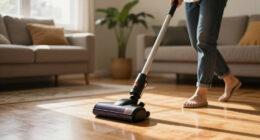
Sweep or vacuum often with a floor-safe head. Tiny debris particles are the hidden abrasive behind many fine scratches.
Trim Claws on Schedule
A claw trim every 2-3 weeks reduces sharp contact from running, jumping, and excited turns.
Lift Instead of Dragging
Heavy objects create gouges when pulled across the floor. Use sliders, a dolly, or a second person for bulky items.
Choose Matte for Forgiveness
Glossy finishes show marks faster. Matte and satin surfaces make minor scuffs less visible in everyday light.
The Prevention Chain
The strongest routine layers protection. Start with identification, then add daily habits, coatings, repair readiness, and material upgrades when the floor reaches the end of its cycle.
Identify
Know whether you have hardwood, laminate, vinyl, or tile before choosing a fix.
Pad
Soften furniture legs, add entry mats, and shield high-traffic paths.
Clean
Remove dirt and grit before they scrape the wear layer.
Coat
Add polyurethane, sealant, or hard wax oil where the floor allows it.
Repair
Buff small marks early and refinish deeper damage before moisture gets in.
Which Floors Resist Scratches Best?
There is a tradeoff between resistance and repairability. Vinyl and tile shrug off many scratches, while hardwood scratches more easily but can often be restored beautifully.
| Floor Type | Scratch Resistance | Repairability | Best For | Watchout |
|---|---|---|---|---|
| Hardwood | ~ Moderate to high, depending on finish | ✓ Easy to repair minor scratches | Classic warmth and long-term refinishing | Pet claws and furniture legs show quickly |
| Laminate | ✓ High with embedded wear layer | ~ Deep scratches may require plank replacement | Affordable maintenance and busy households | Cannot be sanded like hardwood |
| Vinyl | ✓ Very high, especially rigid core | ✓ Few scratches and easy cleaning | Pets, water exposure, and kitchens | Sharp heavy objects can still gouge |
| Tile | ✓ Very high surface resistance | ~ Chips or cracks need targeted repair | Durable waterproof surfaces | Dropped impacts can chip edges |
Protection Has Layers
The biggest wins come from combining habits. Pads reduce direct scratching, mats reduce grit, coatings add a sacrificial surface, and pet routines reduce sharp impacts.
Scratch Resistance by Material
Preventive Impact Scale
Furniture pads sit near the high-impact end because they directly interrupt the sliding pressure that causes many visible scratches. Cleaning and rugs still matter because they remove grit and soften repeated foot traffic.
Do Not Replace the Whole Floor Too Soon
Minor scratches can often be buffed, filled with a touch-up pen, or softened with a compatible polish. Deep gouges need faster attention because they can expose raw wood or substrate, allowing moisture and staining to spread.
- 1 For shallow marks, clean first, then buff gently with a floor-safe fine abrasive or repair kit.
- 2 For hardwood gouges, sand lightly, match stain carefully, and reseal the repaired area.
- 3 For severe damage, professional refinishing can restore appearance without full replacement.
From Cause to Control
Match each scratch source to a specific countermeasure. The goal is not a perfect floor forever, but a home where ordinary life does not leave unnecessary scars.
Identify Your Floor Type to Know How Vulnerable It Is
Knowing what kind of flooring you have is the first step toward protecting it. Hardwood floors, for example, are prone to scratches from furniture and pet claws. Vinyl and tile are generally more resistant but aren’t invincible. A quick look can tell you everything: check the texture, sheen, and how it reacts to scratches. For example, a glossy hardwood surface shows scratches more clearly than a matte finish.
With this knowledge, you’ll understand which preventative measures work best. Hardwood might need more padding, while vinyl could only need regular cleaning and no heavy furniture.
furniture pads for hardwood floors
As an affiliate, we earn on qualifying purchases.
As an affiliate, we earn on qualifying purchases.
5 Simple Ways to Shield Floors From Scratches Every Day
Protecting your floors daily doesn’t mean drastic changes. It’s about small habits that add up. Here are five easy tips:
- Attach felt pads or furniture cups to the legs of chairs, tables, and beds. They act like tiny slippers, preventing scratching when you slide furniture around.
- Place sturdy rugs or runners in high-traffic zones and under heavy furniture. Think of them as armor for your floors, especially in hallways and entryways.
- Trim your pets’ claws regularly. A quick snip every few weeks keeps their claws from turning into tiny blades that gouge your hardwood.
- Use doormats at every entrance. Dirt and grit are tiny sandpaper particles that scratch the surface when tracked in.
- Avoid dragging heavy objects. Lift and carry instead of sliding to prevent gouges and scrapes.
Implementing these habits is crucial because they address the root causes of scratches. For example, untrimmed claws or sliding furniture can cause deep gouges that are costly and difficult to repair. Regularly maintaining these small details can significantly extend the lifespan of your flooring, saving money and preserving aesthetics. Think of it as creating a protective barrier that minimizes the risk of damage from daily activities.
scratch-resistant flooring options
As an affiliate, we earn on qualifying purchases.
As an affiliate, we earn on qualifying purchases.
The Best Protective Coatings to Keep Your Floors Looking New
Applying a protective coating is like giving your floors a shield. Sealants, polyurethane, or hard wax oils create a barrier that makes scratches less likely to penetrate. For hardwood floors, a semi-gloss or matte polyurethane topcoat can add a durable layer. Vinyl and laminate often come with embedded scratch-resistant coatings, but you can also add a liquid sealant for extra protection.
Choosing the right coating involves understanding the balance between appearance and durability. For example, a high-gloss finish may look stunning but can highlight scratches more readily, whereas matte finishes tend to hide minor imperfections better. Regular reapplication ensures the protective layer remains effective, which is essential because over time, wear and tear can degrade the coating, leaving floors more vulnerable. The tradeoff lies in the need for periodic maintenance versus the long-term benefit of keeping scratches at bay. Proper application and maintenance of these coatings can dramatically prolong your floors’ pristine condition, ultimately saving money and effort.
floor protective coatings polyurethane
As an affiliate, we earn on qualifying purchases.
As an affiliate, we earn on qualifying purchases.
Compare Floor Materials: Which Is Most Scratch-Resistant?
| Floor Type | Scratch Resistance | Repairability | Best For |
|---|---|---|---|
| Hardwood | Moderate to high (depends on finish) | Easy to repair minor scratches | Classic, warm look |
| Laminate | High (embedded wear layer) | Replacement needed for deep scratches | Affordable, easy maintenance |
| Vinyl | Very high (especially rigid core types) | Few scratches, easy to clean | Pet-friendly, water-resistant |
| Tile | Very high (resistant to scratches) | Chips or cracks may need repair | Durable, waterproof surfaces |
Understanding these differences helps you make an informed choice based on your lifestyle. For example, if you have pets or children who are prone to scratching, vinyl or high-quality laminate might be better options because of their inherent scratch resistance. However, if you prioritize aesthetics and warmth, hardwood might be suitable but requires more careful maintenance. Each material involves tradeoffs: durability versus repair ease, cost, and appearance. Recognizing these nuances allows you to balance your needs with your budget, ensuring you select a flooring type that minimizes future damage and repair costs.
As an affiliate, we earn on qualifying purchases.
How to Fix Deep Scratches Without Replacing the Whole Floor
If you notice a deep scratch, don’t panic. Minor scratches can often be buffed out with a fine abrasive or touch-up pen. For deeper gouges, consider sanding the area lightly, then applying matching stain or finish. For hardwood, a professional refinish might be needed for severe damage.
Understanding the implications of deep scratches is important because they can compromise the integrity and appearance of your flooring. Minor surface scratches are mostly cosmetic, but deep scratches can expose raw wood or substrate, leading to potential moisture damage or further deterioration. Repairing them promptly prevents escalation into larger problems. Sanding and refinishing can restore the surface, but improper technique can cause unevenness or color mismatches. Sometimes, choosing professional help is the best way to ensure seamless results. Addressing deep scratches early preserves your investment and keeps your floors looking their best, avoiding the costly and disruptive process of full replacement.
Smart Tips for Pet Owners to Prevent Scratches
Pets add life to your home but can also be the biggest scratch culprits. To limit damage:
- Keep claws trimmed regularly—every 2-3 weeks. This reduces the sharpness and potential damage from scratching or jumping.
- Set up designated scratching posts or pads in common areas. This redirects their natural scratching behavior away from your floors, preserving their surface integrity.
- Use rugs or mats where your pet hangs out most. This adds a protective layer and absorbs some of the impact from claws.
- Consider pet-friendly flooring options like rigid vinyl or laminate designed to withstand claws. These materials are engineered to endure scratching without significant damage, making maintenance easier and reducing stress for pet owners.
Understanding your pet’s behavior and choosing appropriate flooring can prevent costly repairs. For example, regular claw trimming combined with designated scratching areas not only protects your floors but also keeps your pets happier and healthier. Investing in pet-friendly flooring might have a higher upfront cost but pays off by reducing ongoing repair expenses and maintaining a pristine look over time.
Upgrade to Scratch-Resistant Floors for Long-Term Peace
If scratches keep ruining your floors, it might be time to consider a smarter choice. Newer materials like luxury vinyl planks with embedded scratch-resistant coatings or high-grade laminate are designed to withstand daily wear and tear. These options are a smart investment if you want floors that stay perfect longer.
Choosing these upgraded options involves weighing initial costs against long-term benefits. While premium materials may have a higher upfront price, they often result in lower maintenance costs and fewer repairs over their lifespan. For example, a family replacing hardwood with luxury vinyl discovered that their floors remained pristine even after a year of heavy traffic and active pets, saving them from frequent refinishing or replacements. The tradeoff is that some materials might lack the aesthetic warmth of natural wood, but the durability can outweigh this for many homeowners. Ultimately, selecting scratch-resistant floors reduces ongoing stress and expense, offering peace of mind and preserving your home’s beauty for years to come.
Frequently Asked Questions
What is the most scratch-resistant flooring material?
Vinyl, especially rigid core types, is the most scratch-resistant flooring option. It’s designed to withstand pet claws, heavy furniture, and high traffic without showing wear.How can I repair scratches on hardwood floors?
Minor scratches can often be buffed out with a soft cloth and a bit of mineral oil or touch-up pen. Deeper gouges might require light sanding and reapplying finish or stain, or professional refinishing for best results. Addressing scratches promptly prevents them from worsening and helps maintain the floor’s appearance and structural integrity.Are protective coatings easy to apply myself?
Yes, many DIY sealants and finishes are available. Just follow the manufacturer’s instructions carefully. For larger or more critical areas, hiring a professional ensures proper application, which is key to achieving maximum durability and a seamless look.How do I prevent pet scratches on my floors?
Regularly trim your pet’s claws, provide scratching posts, and place rugs in high-traffic pet areas. Choosing pet-friendly flooring like vinyl or laminate also helps protect your investment by resisting scratches and making repairs easier when damage occurs.How often should I reapply protective coatings?
Typically every 2-5 years, depending on usage and floor type. Regular inspections help identify wear early, allowing timely reapplication that maintains the protective barrier, preventing scratches and prolonging the floor’s lifespan.Conclusion
Protecting your floors is about smart choices and daily habits. Small tweaks—like adding pads, trimming claws, and using rugs—keep your surfaces looking fresh for years. Think of it as giving your floors a gentle armor that keeps scratches at bay, letting you enjoy a beautiful home without worry.Fall Picks
fall essentials
As an affiliate, we earn on qualifying purchases.