TL;DR
Open a free Amazon Business account
Business pricing, bulk buying and tax-exempt orders.
Create a free accountAs an affiliate, we earn on qualifying purchases.
Cleaning solar panels regularly boosts their efficiency by up to 25%. Use gentle tools, eco-friendly solutions, and safety precautions to avoid damaging the surface. Recent tech like robotic cleaners makes maintenance easier and safer.
Use soft, non-abrasive tools like microfiber cloths and gentle brushes to clean panels.
Avoid high-pressure water, harsh chemicals, and abrasive scrubbers that can scratch or damage surfaces.
Clean during cooler parts of the day to prevent streaking and water spots.
Regular cleaning every 6-12 months keeps panels performing at their best, especially in dusty or polluted areas.
Recent innovations like robotic cleaners and self-cleaning coatings make maintenance safer and more effective.
Why Proper Cleaning Matters for Your Solar Panels
Dirty panels can lose up to 20-25% of their efficiency. Think of it like putting a dirty filter in a vacuum — performance drops. Regular cleaning keeps your panels working at their peak, saving you money and prolonging their life. For example, a homeowner in a dusty desert region might need to clean their panels more often than someone in a lush, rainy area. Dirt, pollen, bird droppings — all block sunlight and reduce power output.
Keeping panels spotless isn’t just about appearance. It’s about getting the most juice from your investment. Clean panels also resist streaking, which can happen if you use harsh chemicals or scrub too hard. The goal? Gentle, consistent care that preserves the panel’s protective coating and surface integrity.
Neglecting proper cleaning can lead to long-term damage. Dirt and debris act like abrasives when rubbed against the surface, especially if aggressive tools are used, which can scratch or degrade the protective coating. Over time, this can cause microcracks or weaken the glass, leading to reduced efficiency and potential costly repairs. Therefore, understanding why gentle, appropriate cleaning matters helps ensure your panels remain durable and effective for the lifespan of your system.
microfiber cloth for cleaning solar panels
As an affiliate, we earn on qualifying purchases.
As an affiliate, we earn on qualifying purchases.
How to Safely Clean Solar Panels in 5 Easy Steps
- Turn off your solar system before cleaning. Safety first — no electricity flowing means less risk.
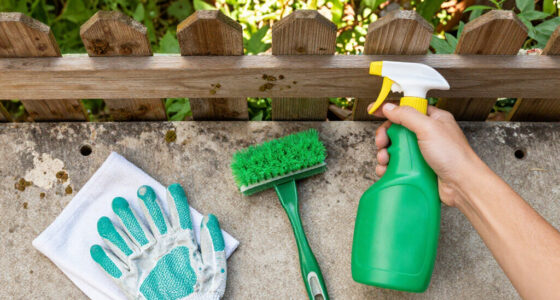
- Choose the right tools: a soft microfiber cloth, a gentle brush, and a squeegee with a rubber blade work well.
- Use plain water or a mix of water with a small drop of mild soap. Avoid harsh chemicals. For example, a solution of water and a few drops of dish soap works great.
- Clean during cooler parts of the day — early morning or late afternoon. This prevents streaks caused by quick evaporation.
- Gently rinse and wipe the panels. Use the microfiber cloth for stubborn spots. Finish with a soft squeegee to remove excess water and avoid streaks.
If you’re on a roof, consider wearing safety gear and using a sturdy ladder. Never lean too far or work in wet, stormy weather. When in doubt, hiring a professional is a safe bet for rooftop or large installations.
As an affiliate, we earn on qualifying purchases.
What Cleaning Products Are Safe for Solar Panels?
Sticking to simple water or mild soap is best. Solar panels are coated with protective layers that can be damaged by harsh cleaners. Avoid ammonia, bleach, or abrasive scrubbers. A typical solution? Fill a bucket with water, add a few drops of dish soap, and gently wipe.
For stubborn dirt, you can use a mixture of water and a splash of white vinegar, which is eco-friendly and safe. Remember, the goal is to clean without scratching or degrading the surface.
Choosing the right cleaning products is crucial because some chemicals can compromise the integrity of the panel’s coating. Harsh cleaners may seem effective initially but can cause micro-abrasions or chemical degradation that reduces the panel’s ability to repel dirt and resist weathering, ultimately decreasing lifespan. Eco-friendly options like vinegar are safer because they break down dirt without damaging protective layers, ensuring your panels remain in optimal condition for years.
As an affiliate, we earn on qualifying purchases.
Avoid These Cleaning Mistakes That Can Damage Your Panels
| Mistake | What Happens |
|---|---|
| Using high-pressure water | Can crack or scratch the glass surface, reducing efficiency. High-pressure jets can also dislodge seals or damage delicate components, leading to water ingress and long-term damage. |
| Scrubbing with abrasive tools | Damages the protective coating, leading to increased dirt accumulation and potential damage. Micro-scratches can develop into larger cracks over time, compromising the panel’s integrity and reducing energy output. |
| Applying harsh chemicals | Can degrade the panel’s surface and void warranties. Some chemicals may react with the coating or glass, causing discoloration or weakening the surface, which accelerates wear and tear. |
| Cleaning in direct sunlight | Water spots and streaks form as water evaporates quickly, making cleaning less effective. This can also cause thermal stress, potentially leading to microfractures in the glass. |
Always opt for gentle tools and methods. Think of cleaning your panels like polishing fine glass — patience and softness win. Avoid shortcuts that might seem easier but can cause long-term harm, ensuring your investment remains protected.
eco-friendly solar panel cleaning solution
As an affiliate, we earn on qualifying purchases.
As an affiliate, we earn on qualifying purchases.
How Recent Tech Makes Cleaning Solar Panels Easier and Safer
Robotic cleaners and self-cleaning coatings are changing the game. These systems can automatically scrub panels with soft brushes or use waterless methods, reducing the need for manual labor or risky climbs. For instance, some rooftop solar farms now deploy robots that climb and clean panels overnight, saving time and cutting safety hazards.
Self-cleaning coatings, often hydrophobic, help water and dirt slide right off, maintaining efficiency longer. Drought-prone regions benefit from waterless cleaning tech, which uses minimal or no water, conserving resources and reducing runoff.
These innovations aren’t just fancy — they’re practical tools that help keep your panels in top shape without the risk of scratches or damage. They also reduce the frequency of manual cleaning, which minimizes the chance of accidental damage during maintenance. While these technologies come with an initial investment, the long-term benefits include sustained efficiency, reduced labor costs, and enhanced safety for homeowners and workers alike.
How Often Should You Clean Your Solar Panels?
Most homes need cleaning every 6 to 12 months to keep efficiency high. But in dusty areas, or places with lots of bird activity, you might want to clean every 3 to 6 months. For example, a homeowner near farmland might see dirt build up faster than someone in a city with cleaner air.
Keeping an eye on performance is key. If your energy production drops noticeably, it’s a sign that dirt or debris may be blocking sunlight. Regular inspections, such as visual checks for dirt or shading, help catch issues early, preventing long-term performance loss. Additionally, understanding local environmental factors—like pollen seasons or construction dust—can guide you on optimal cleaning schedules to maximize efficiency without unnecessary effort.
Safety and Maintenance Tips for DIY Cleanings
Always turn off your system before cleaning. If you’re on a roof, wear sturdy shoes, a harness if needed, and work in good weather. Never lean too far or work during rain or storms. Use a stable ladder and keep tools within reach.
If your roof is steep or hard to access, consider hiring a professional. Safety comes first — better to pay for peace of mind than risk a fall or damaging your panels. Remember that improper handling or rushing can lead to accidental damage, which may not only reduce efficiency but also void warranties. Taking your time and following safety protocols ensures your panels remain in optimal condition and your home stays secure.
Frequently Asked Questions
Can I clean my solar panels myself, or should I hire a professional?
Many homeowners can safely clean their panels with proper precautions, like turning off the system and using gentle tools. However, for rooftop or large systems, hiring a professional ensures safety and thorough cleaning.What cleaning products are safe for solar panels?
Plain water or water mixed with a few drops of mild dish soap usually suffices. Avoid harsh chemicals like ammonia, bleach, or abrasive cleaners that can damage the protective coating.How often should I clean my solar panels?
Most systems benefit from cleaning every 6 to 12 months. In dusty or bird-heavy environments, more frequent cleanings—every 3 to 6 months—may be necessary to maintain peak performance.Is it safe to clean solar panels in the rain?
Rain can help wash away dirt naturally, but manual cleaning during dry, cool weather yields better results and prevents streaking or water spots.Can cleaning damage my solar panels?
Yes, using abrasive tools, high-pressure water, or harsh chemicals can scratch or degrade the surface. Gentle cleaning methods protect the panels and extend their lifespan.Conclusion
Keeping your solar panels clean isn’t rocket science — it’s about gentle care and smart timing. Think of it as giving your panels a gentle spa day, not a rough scrub. With the right tools, a little patience, and awareness of recent tech, you can protect your investment and keep your system humming for years.Labor Day sales Picks
labor day deals
As an affiliate, we earn on qualifying purchases.