
TL;DR

Get cleaning gear delivered free — and shop member deals
- Fast, free delivery on millions of items
- Access to Prime Big Deal Days deals on October 6–7
- Prime Video, Amazon Music and more included
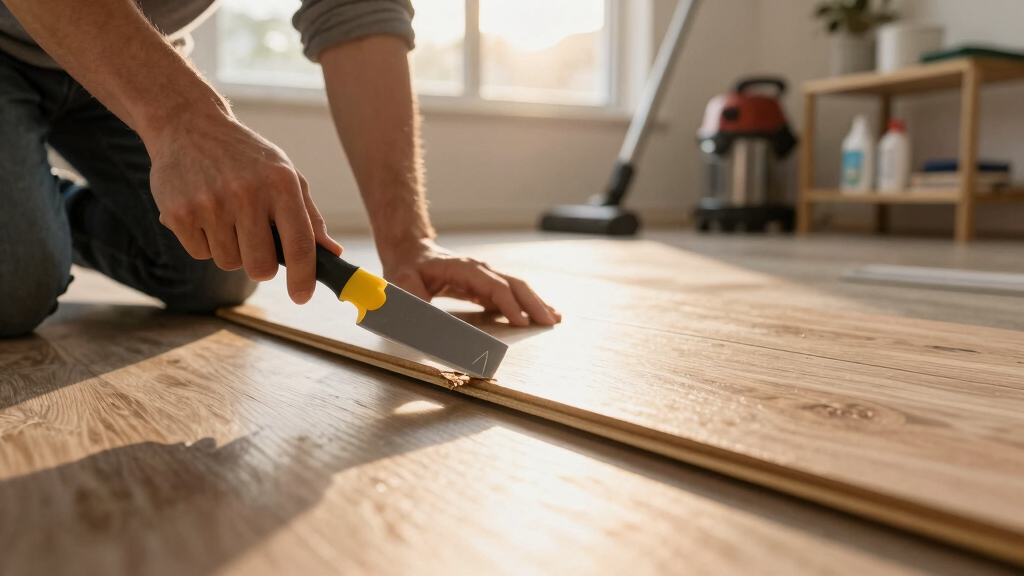
Laminate floors lift at the edges mainly due to moisture, poor installation, or environmental changes. Proper installation, moisture control, and using waterproof options can prevent this problem.
Ever notice that annoying curl or lift at the edges of your laminate floor? It’s a common problem that can make your entire room look worn out, even if the surface underneath is still good. But what really causes it? And more importantly, how do you fix it?
In this guide, you’ll learn what triggers edges to lift, how recent flooring innovations help, and practical steps to keep your floors flat and beautiful. No fluff—just clear, actionable advice to help you tackle this frustrating issue head-on.
Moisture is the biggest enemy of laminate edges—keep spills cleaned quickly and control indoor humidity.
Proper installation, including allowing the floor to acclimate, prevents gaps and lifting.
Choose waterproof laminate for moisture-prone areas like kitchens and basements.
DIY fixes work for small lifts, but extensive damage often needs professional help.
Regular maintenance and prompt repairs extend your floor’s lifespan.
What Causes Laminate Edges to Lift? The Real Reasons Revealed
The first step is understanding why your laminate planks are curling up. The main culprit? Moisture. Water from spills, leaks, or high humidity causes the core of the laminate to swell and push the edges upward.
But it’s not just water. Poor installation practices, like not leaving enough space for expansion or failing to acclimate the flooring to your home’s climate, can cause gaps and lifting over time. Temperature swings also play a part, as rapid changes make the material expand and contract.
Then there’s the subfloor. An uneven or unstable surface won’t hold the planks tightly, leading to edges lifting. Heavy furniture or dragging objects across the floor can weaken locking mechanisms, too.
Understanding these causes is crucial because it highlights the importance of proper installation, moisture control, and subfloor preparation. For example, a small leak beneath the sink might seem insignificant initially, but over time, it can cause swelling that lifts the edges. Similarly, installing flooring in a damp basement without proper moisture barriers can lead to persistent curling, which may require costly repairs or replacement if not addressed early.
Recognizing these issues allows you to take preventive measures or correct existing problems before they worsen, saving both money and effort in the long run.
As an affiliate, we earn on qualifying purchases.
How New Flooring Tech Reduces Edge Lifting — What to Know
Modern laminate flooring has come a long way, with new features that help prevent edges from lifting. Waterproof laminate options now include a sealed core and water-resistant layers that stand up better against spills and humidity.
Click-lock systems have improved, locking planks more securely and reducing gaps that lead to lifting. Better underlayments with moisture barriers and soundproofing also help keep your floor stable, even in tricky spots like kitchens or basements.
Some companies are even experimenting with smart materials that adapt to temperature and humidity swings, minimizing expansion and contraction. These innovations make floor lifting less of a worry.
Understanding these technological advances is important because they directly impact the durability and longevity of your flooring. For instance, waterproof cores are especially beneficial in moisture-prone areas such as kitchens or basements, where spills and humidity are common. Enhanced locking mechanisms reduce the risk of gaps forming over time, which can be a weak point in older flooring systems. These improvements help homeowners avoid frequent repairs and ensure their floors remain flat and secure for years to come.
waterproof laminate flooring planks
As an affiliate, we earn on qualifying purchases.
As an affiliate, we earn on qualifying purchases.
The Truth About Fixing Lifted Laminate Edges — Easy or Not?
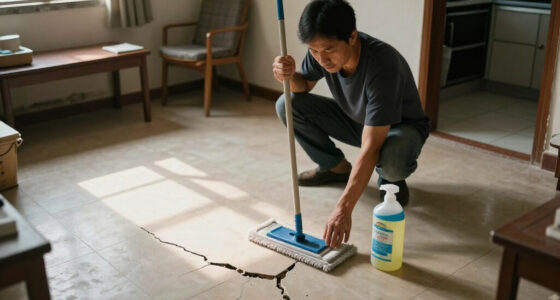
Fixing lifted edges isn’t always complicated. For minor lifts, you might be able to re-glue or reseat the planks yourself. Use a strong wood or laminate adhesive, press the plank down firmly, and clamp it in place until it dries. This approach works well if the damage is localized and moisture isn’t a persistent problem, but keep in mind that improper re-seating might only be a temporary fix if underlying issues aren’t addressed.
But if the lifting is widespread or caused by persistent moisture, it’s smarter to call in a professional. Sometimes, replacing a few planks or the entire floor is the best move to avoid ongoing damage. This is especially true if the subfloor has become compromised or if moisture has penetrated deeply, leading to mold or further structural issues.
Think of it like fixing a loose tile—you can patch it up, but if water keeps seeping underneath, the problem will keep coming back. Addressing the root cause—such as fixing leaks or improving ventilation—is essential for a lasting solution, rather than just a quick fix.
Ultimately, assessing the extent of the damage and considering the long-term health of your flooring will guide whether a DIY repair suffices or professional intervention is necessary. The key is to weigh the cost and effort of repairs against the potential for ongoing issues if underlying problems aren’t fully resolved.
As an affiliate, we earn on qualifying purchases.
Prevent Future Lifting — 5 Practical Tips You Can Follow
- Control Indoor Humidity: Keep it between 35-55%. Use a dehumidifier in humid seasons or areas. High humidity accelerates expansion and contraction cycles, which can loosen locking systems and cause edges to lift. Maintaining optimal moisture levels ensures the flooring remains stable and reduces the risk of swelling or gaps forming over time.
- Use Waterproof Flooring in Moisture Zones: Consider waterproof laminate or vinyl in kitchens, bathrooms, and basements. These materials are designed to resist water penetration, preventing swelling and lifting caused by spills or humidity. Choosing the right flooring for specific areas minimizes the risk of damage and extends the lifespan of your floor.
- Proper Installation: Allow the flooring to acclimate for at least 48 hours, and leave expansion gaps around the room’s perimeter. Proper installation ensures the planks can expand and contract naturally without buckling or lifting. Skipping this step or installing too tightly can trap moisture or restrict movement, leading to warping or curling.
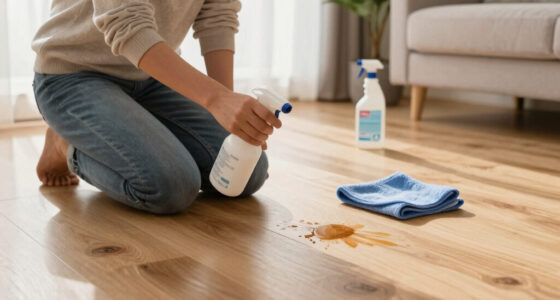
- Clean Spills Immediately: Wipe up water or spills within minutes to prevent swelling. Quick action prevents moisture from seeping into the core, which is critical because even small amounts of water can cause the edges to lift over time if not promptly addressed.
- Maintain a Stable Environment: Avoid large temperature swings by keeping your home at a consistent temperature year-round. Fluctuations can cause the material to expand or contract rapidly, weakening locking mechanisms and creating gaps or lifts. Consistency in temperature and humidity helps keep your flooring flat and secure.
Imagine walking into your kitchen after a spill and grabbing a towel immediately—that small action can save you from lifting edges months later. Prioritizing these preventive measures not only extends the life of your flooring but also saves you money and hassle in the long run.
laminate floor underlayment with moisture barrier
As an affiliate, we earn on qualifying purchases.
As an affiliate, we earn on qualifying purchases.
Frequently Asked Questions
Can I fix lifted laminate edges myself?
Yes, minor lifts can often be fixed with re-gluing or reseating the planks using a strong adhesive. Clamp the plank until it dries to hold it in place. However, if the lifting is widespread or caused by moisture, calling a professional is a smarter choice.
How do I prevent my laminate floor from lifting again?
Maintain consistent indoor humidity, clean up spills immediately, avoid dragging heavy furniture, and consider waterproof flooring in moisture-prone areas. Proper installation with enough expansion gaps also plays a key role.
Is it worth replacing my laminate if edges keep lifting?
If the issue persists despite repairs, or if moisture damage is extensive, replacing the floor with a waterproof or more durable option might save you trouble down the line. Sometimes, a fresh start is the best move.
Are waterproof laminates better for kitchens and bathrooms?
Absolutely. Waterproof laminates are designed to resist spills and humidity, making them ideal for moisture-prone areas and less likely to lift or swell over time.
Conclusion
A flat, stable laminate floor isn’t just about good looks—it’s about protecting your investment. Preventing edge lifting is simple once you understand what causes it: moisture, poor installation, and environmental swings. Keep spills in check, maintain steady humidity, and choose smarter flooring options.
Think of your floor like a living part of your home—if you give it the right conditions, it’ll stay smooth and beautiful for years to come. So, next time you see a curl, tackle it early. Your floors—and your future self—will thank you.
Fall Picks
fall essentials
As an affiliate, we earn on qualifying purchases.