TL;DR
Get ready for Prime Big Deal Days — try Prime free
Exclusive member deals on October 6–7, plus fast free delivery. Cancel anytime.
Start your free trialAs an affiliate, we earn on qualifying purchases.
Cooking odors can deeply embed in carpets and upholstery, but ventilation, natural deodorizers like baking soda and vinegar, and deep cleaning can effectively neutralize them. Regular maintenance and recent advances like enzymatic cleaners boost long-term freshness.
Nothing kills the cozy vibe of a home faster than lingering cooking smells. That smoky, spicy aroma from your last stir-fry or the burnt toast that filled the kitchen can settle deep into your carpets and sofas, stubbornly sticking around long after the meal is over. But don’t worry — these odors aren’t invincible.
In this guide, you’ll discover practical, proven ways to neutralize strong cooking odors, using methods that are safe for your surfaces and friendly to your home environment. Whether you’re dealing with a quick spill or a long-standing scent, these tips will help you freshen up your space without harsh chemicals or elaborate procedures.
Ventilate immediately after cooking to prevent odors from settling into fibers.
Use natural absorbers like baking soda, activated charcoal, or coffee grounds, and give them time to work.
Deep clean carpets and upholstery regularly with steam or eco-friendly solutions for lasting freshness.
Combine natural deodorizers like vinegar and lemon with good cooking habits to prevent odors from building up.
Stay updated on new technologies like enzymatic cleaners and air purifiers for more effective odor control.
Why Cooking Odors Stick and How to Stop Them from Lasting
Cooking odors originate from molecules that drift into the air and settle into porous materials like carpets and upholstery. These fibers trap molecules, making the smell linger far longer than it would in the air alone. A burnt piece of toast or a spicy curry can turn your soft furnishings into odor reservoirs.
To combat this, start by understanding that quick action makes a big difference. Ventilating the room as soon as possible helps disperse airborne molecules. Opening windows, turning on fans, and creating a draft can significantly reduce the amount of odor that settles into your fabrics.
For example, after frying fish, a quick 10-minute airing can cut down the smell’s intensity. But if the odor has already embedded itself, surface cleaning alone won’t cut it. That’s when deeper, targeted cleaning becomes necessary.
odor neutralizer for carpets and sofas
As an affiliate, we earn on qualifying purchases.
As an affiliate, we earn on qualifying purchases.
Quick Fixes You Can Do Right Now to Tackle Smells
- Open every window and turn on fans. This instantly disperses airborne molecules, preventing them from settling further.
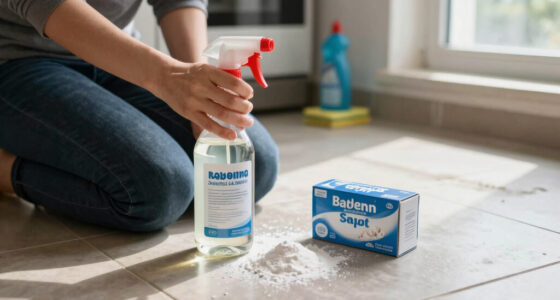
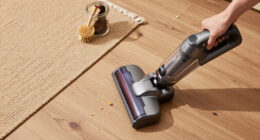
- Sprinkle baking soda generously over carpets and sofas. Let it sit for at least 30 minutes to absorb odors, then vacuum thoroughly.
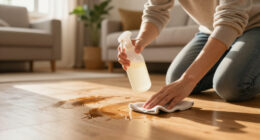
- Use white vinegar or lemon juice in a spray bottle. Lightly mist fabrics to neutralize smells without overwhelming scents.
- Place activated charcoal bags nearby. These natural absorbers draw out odors continuously.
- Deep clean with steam or upholstery cleaner. If the smell persists, this step helps lift embedded particles.
Imagine cooking a garlic-heavy dish and realizing the smell has seeped into your sofa. Quickly opening the windows, sprinkling baking soda, and running a vacuum can make the difference between a room that smells fresh and one that still stinks hours later.
enzymatic cleaner for pet and cooking odors
As an affiliate, we earn on qualifying purchases.
As an affiliate, we earn on qualifying purchases.
How Baking Soda and Other Natural Absorbers Actually Work
Baking soda is a star among natural deodorizers because it neutralizes acids and bases that cause smell. When sprinkled on carpets or furniture, it reacts with odor molecules, trapping and neutralizing them. This process can take anywhere from 30 minutes to a few hours for noticeable results.
Other natural options include activated charcoal, which has a porous structure that adsorbs molecules, and coffee grounds, which absorb odors and add a mild, pleasant scent. These are especially useful in homes with pets or sensitivities.
For instance, placing a bowl of coffee grounds in a room after cooking can significantly cut down on lingering smoky or spicy smells. The key is giving these agents enough time to work, then cleaning away the residues.
As an affiliate, we earn on qualifying purchases.
Deep Cleaning Your Carpets and Sofas for Lasting Freshness
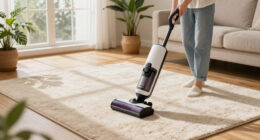
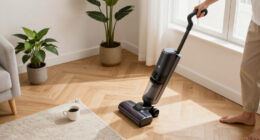
Surface cleaning only scratches the scent’s surface. To truly neutralize strong cooking odors, you’ll need to deep clean. Steam cleaning carpets and upholstery is highly effective because it lifts embedded particles and dissolves residual molecules.
For carpets, rent or buy a steam cleaner and use an eco-friendly cleaning solution. Focus on areas where odors are most intense. For sofas, upholstery-specific cleaners or homemade solutions like a mixture of vinegar and water work well.
Imagine a burnt-on spice mixture that seeped into your rug. Running a steam cleaner with a mild, natural detergent can loosen those molecules, leaving your carpet smelling fresh instead of spicy. Professional cleaning every 6-12 months keeps odors at bay and maintains a healthy home environment.
As an affiliate, we earn on qualifying purchases.
Using Natural Deodorizers: Lemon, Vinegar, and Essential Oils
Natural deodorizers are your gentle allies in fighting cooking smells. Vinegar is an acid that neutralizes alkaline odor molecules, while lemon juice cuts through grease and adds a fresh scent. Essential oils like lavender or tea tree oil can mask odors and even kill bacteria that cause smells.
Mix a cup of vinegar or lemon juice with water in a spray bottle for a simple, effective deodorizer. A few drops of essential oil in a diffuser or spray can boost the freshness.
For example, after cooking a curry, lightly spritzing a vinegar-water solution on your upholstery and then diffusing lavender oil creates a clean, calming aroma—without synthetic perfumes.
Prevent Future Odors with Smart Cooking Habits
The best way to keep odors from building up is to prevent them in the first place. Use exhaust fans while cooking, especially for frying or spicy dishes. Cover pots and pans with lids to contain strong smells. Regularly clean your kitchen surfaces and fabrics to stop odor buildup at the source.
Imagine simmering a stew with the lid on — your entire house stays fresher longer. Incorporating these habits helps maintain a clean, odor-free environment.
Additionally, consider placing odor-absorbing products like charcoal bags or baking soda in your kitchen and living areas. They act as ongoing filters, catching molecules before they settle into your furniture.
Recent Innovations That Make Odor Control Easier
New products and tech are changing how we fight cooking smells. Enzymatic cleaners contain proteins that specifically break down organic molecules causing odors, making them more effective and longer-lasting than traditional solutions.
Ozone generators produce ozone to neutralize odors but require careful use due to health risks. Smart air purifiers with HEPA filters and activated carbon can run continuously, capturing and removing odors as they happen.
Eco-friendly, non-toxic options are gaining ground. These products are safe for pets and children, making them ideal for regular use without worries about chemicals.
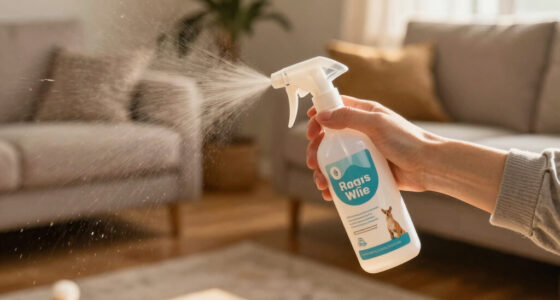
For example, a recent enzyme-based spray can eliminate cooking smells from upholstery in just a few hours, providing a chemical-free, deep clean solution.
Frequently Asked Questions
What is the fastest way to remove cooking odors from my carpet and sofa?
Start by ventilating the area immediately. Sprinkle baking soda over the surfaces, wait at least 30 minutes, then vacuum thoroughly. For stubborn smells, deep clean with steam or upholstery cleaner to lift embedded molecules.Are natural remedies effective for neutralizing strong cooking smells?
Yes, solutions like vinegar, lemon juice, and baking soda are proven to neutralize odors safely. They work by breaking down odor molecules and absorbing smells, making them a good choice for home use.Can I use air fresheners to mask cooking odors?
While air fresheners provide quick masking, they don’t eliminate the source of the smell. Combining freshening sprays with cleaning methods gives a more lasting solution.How often should I clean my carpets and sofas to prevent odor buildup?
Vacuum weekly and plan deep cleaning every 6-12 months. Regular maintenance prevents odors from becoming embedded and keeps your home smelling fresh.Are there specific products recommended for odor removal?
Enzymatic cleaners, activated charcoal, and professional steam cleaning are highly effective for persistent odors. Choose products suited to your surfaces and follow manufacturer instructions.Is it safe to use ozone generators at home?
Ozone generators can neutralize odors but pose health risks if misused. They should only be used by professionals and in unoccupied spaces to avoid respiratory issues.Conclusion
Natural, consistent cleaning and smart habits are your best allies against stubborn cooking smells. A quick airing, strategic use of natural deodorizers, and regular deep cleaning keep your home feeling fresh and inviting. Don’t let lingering odors dull your home’s vibe — stay proactive and keep the air clean.
Imagine your space, always smelling as fresh as it looks. That’s a home where every meal ends with a clean, welcoming scent. Take charge of odors today, and enjoy a fresher tomorrow.
NFL season / tailgating Picks
team gear
As an affiliate, we earn on qualifying purchases.