TL;DR
Play games included with Prime
Start a Prime free trial and play with Amazon Luna on your devices.
Start playingAs an affiliate, we earn on qualifying purchases.
Rust stains are tough but not impossible to remove. Using natural acids like lemon juice or vinegar can break down rust, while commercial removers work for stubborn stains. Acting fast and testing first make all the difference.
Ever reach for your favorite shirt, only to find a stubborn orange or reddish-brown mark? Rust stains can appear unexpectedly, often from metal buttons, tools, or water with iron. The good news: these stains aren’t a lost cause. With the right approach, you can often rescue your clothes without harsh chemicals or professional help.
This guide walks you through simple, practical steps to identify, treat, and prevent rust stains. Whether you’re dealing with a fresh splash or a set-in mark, understanding what works helps you save money and protect your fabrics. Ready to turn rust into just a distant memory? Let’s dive in.
React quickly to rust stains—early treatment significantly improves results.
Natural acids like lemon juice and vinegar are effective, eco-friendly options for light to moderate stains.
Always perform a patch test first to avoid damaging delicate fabrics.
Heat sets rust stains—avoid hot water and dryers until you’re sure the stain is gone.
Commercial rust removers work fast but should be used with caution, especially on sensitive fabrics.
How to Spot Rust Stains Before They Set
Rust stains show up as bright orange or deep reddish-brown patches that contrast sharply with most fabrics. They often appear after contact with metal objects or water containing iron particles. Imagine dropping a metal spoon into a washing machine—if it leaks rust, your clothes might pay the price.
Quick identification is key. Look for discoloration on light or white fabrics, especially around buttons, zippers, or areas exposed to water. The sooner you catch it, the easier it is to remove. For example, a blouse left near a damp metal hook might develop a faint stain overnight—act fast to prevent it from setting.
Perform a quick test: dab a small amount of lemon juice or vinegar on a hidden part of the fabric. If the stain lightens or reacts, it’s likely rust. Recognizing rust early makes the difference between a simple fix and a stubborn, permanent mark.
As an affiliate, we earn on qualifying purchases.
Quick First Steps to Minimize Rust Damage
As soon as you notice a rust stain, act swiftly. The longer rust sits on fabric, the more it bonds and becomes difficult to remove. Rinse the stain with cold water immediately—this helps flush out loose particles and prevents it from penetrating deeper.
Next, gently blot—don’t rub—the stain with a clean cloth. Rubbing can spread the rust and damage fibers. For example, if a shirt got splashed during laundry, quickly dabbing with cold water and a paper towel can buy you precious time.
Remember: heat sets rust stains. Avoid using warm or hot water, or tossing the garment in the dryer until you’re sure the stain is gone. Patience now saves you from tougher scrubbing later.
In essence, the key is to keep rust from settling into the fabric fibers, giving yourself a better shot at complete removal.
natural rust stain removal products
As an affiliate, we earn on qualifying purchases.
As an affiliate, we earn on qualifying purchases.
Natural Remedies That Actually Work on Rust Stains
Natural acids like lemon juice and vinegar are your best friends for rust stain removal. They contain citric and acetic acid, which break down rust particles effectively. These acids work by chemically reacting with the iron oxides in rust, converting them into soluble compounds that can be washed away. This process is especially advantageous because it is gentle on most fabrics and environmentally friendly, making it a preferred choice for many.
Here’s a simple step-by-step:
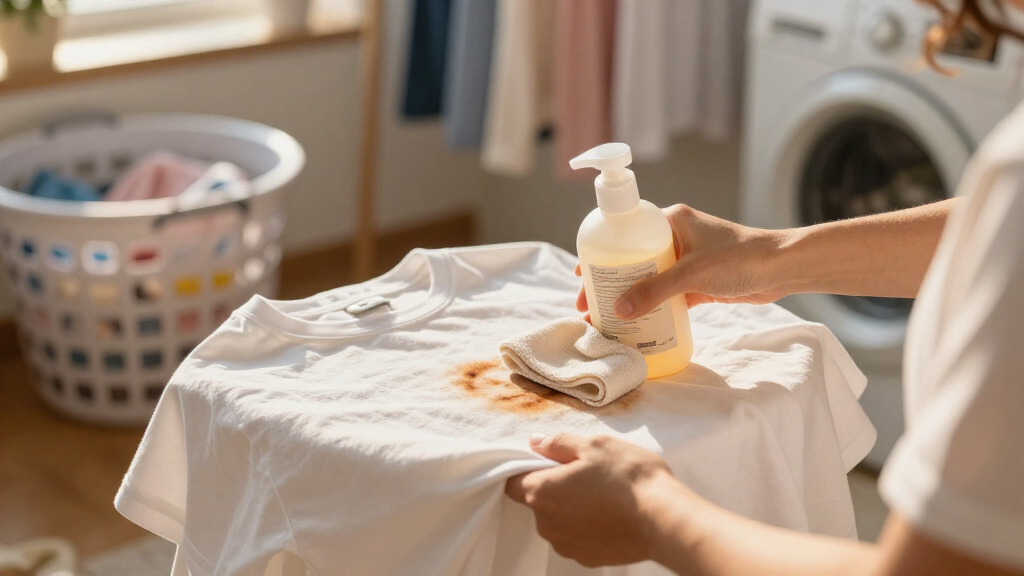
- Apply fresh lemon juice generously over the stain. If you don’t have lemons, use white vinegar. Both contain acids that neutralize rust’s iron particles, loosening their grip on fabric fibers.
- Sprinkle salt over the treated area. Salt acts as a mild abrasive that helps scrub away loosened rust particles and enhances the chemical reaction, speeding up stain removal.
- Expose the fabric to direct sunlight for 30 minutes to an hour. Sunlight’s UV rays not only aid in bleaching but also accelerate the chemical reactions of acids, making the stain lighter more quickly. This natural bleaching process is effective but should be used with caution on delicate fabrics.
- Wash the garment thoroughly in cold water. Check if the stain has faded before drying. Cold water halts the chemical reaction and prevents the stain from setting again.
This method is especially effective on cotton, linen, or denim, which are more resistant to acids. For delicate fabrics like silk, use diluted vinegar and avoid prolonged sun exposure to prevent damage. The key is understanding the chemistry: acids neutralize rust, but overexposure or improper use can weaken fibers or cause discoloration. Therefore, always test first and proceed carefully.
Real-world example: Someone treated a white cotton shirt with lemon juice and salt after noticing a rust mark. The stain faded significantly after an hour in the sun, saving the shirt from being discarded. This demonstrates how understanding the chemistry behind rust removal can lead to effective, eco-friendly results.
As an affiliate, we earn on qualifying purchases.
How Commercial Rust Removers Make Your Life Easier
Commercial rust removers contain specialized chemicals like oxalic acid, which are formulated to dissolve rust rapidly by reacting with iron oxides to form water-soluble compounds. These products are designed for stubborn stains or when natural remedies fall short, providing a quick, effective solution. Their strength lies in their ability to penetrate and break down rust deposits that are often deeply embedded or set-in, saving time and effort.
Follow these steps:
- Read the label carefully. Some products are not suitable for delicate fabrics or specific colors, and improper use can cause damage or discoloration.
- Perform a patch test on a small, inconspicuous area to ensure the chemical won’t harm or discolor the fabric.
- Apply the product directly onto the stain, following the instructions. Usually, this involves letting it sit for 5-15 minutes, which allows the chemical to react with the rust particles.
- Gently scrub with a soft brush or cloth if recommended. This helps dislodge loosened rust, but excessive scrubbing can damage fibers.
- Wash the garment in cold water afterward to remove residual chemicals and rust debris.
Be cautious: some formulas are stronger and may cause fabric discoloration or damage if misused. Always prioritize natural or gentle methods first, especially on delicate clothing. Using commercial removers is a tradeoff—while they offer speed and power, they can also increase the risk of fabric damage if not used carefully. Understanding the chemistry helps you weigh the benefits against potential risks, ensuring you protect your wardrobe while achieving effective stain removal.
Expert tip: Use these products in well-ventilated areas and wear gloves to protect your skin from harsh chemicals. Proper handling minimizes health risks and preserves the integrity of your clothes.
As an affiliate, we earn on qualifying purchases.
The Gentle Approach: Baking Soda and Cream of Tartar
If you prefer gentle, eco-friendly options, baking soda and cream of tartar are excellent choices. They’re mild, safe for most fabrics, and still effective against rust stains. Their effectiveness stems from their mild abrasive and alkaline properties, which help lift stains without damaging fibers. When combined with acids like lemon juice or vinegar, they create a chemical reaction that can loosen rust particles from fabric surfaces, making them easier to wash away.
Here’s an easy recipe:
- Mix 2 tablespoons of baking soda with 1 tablespoon of cream of tartar.
- Add enough lemon juice or vinegar to make a thick paste. The acids react with rust, aiding in breaking down iron oxides.
- Apply the paste directly onto the stain, gently working it into the fabric with your fingers or a soft brush. The physical action helps dislodge rust particles, while the chemical reaction weakens their bond to fibers.
- Let it sit for 30 minutes to an hour in sunlight for extra bleaching power. The combination of sunlight and acids enhances stain removal, especially on light fabrics.
- Wash with cold water and inspect. Repeat if necessary. Multiple applications can further diminish stubborn stains, but excessive treatment may weaken delicate fibers.
This method is ideal for delicate fabrics or when you prefer natural cleaning without harsh chemicals. It’s gentle but still packs enough punch to lift mild rust stains, especially when combined with proper timing and patience. Understanding the chemistry: the alkaline nature of baking soda and cream of tartar neutralizes acids and loosens rust, but overuse or improper application can cause fabric weakening or discoloration. Always test first and proceed carefully.
Post-Treatment Tips to Keep Rust Stains Out of Your Life
After treating your garment, always wash it thoroughly to remove residues of cleaning agents. This also stops any remaining rust particles from continuing to react and causing further staining or fabric degradation. Proper rinsing ensures that chemical reactions are halted and prevents re-staining.
Check the stain before drying. If it’s faint or gone, air dry the item. If the stain persists, repeat the treatment process. Applying heat—like a dryer—sets rust stains permanently, making them impossible to remove later. Heat accelerates chemical fixation, so patience is crucial.
Prevent future rust stains by keeping metal objects away from clothes, especially in humid storage areas where moisture can accelerate rust formation. Dry clothes immediately after washing and consider storing them away from metal fixtures or damp environments. Using plastic or wooden hangers instead of metal ones can also prevent rust from forming in the first place.
For example, hanging a shirt on a plastic or wooden hanger instead of a metal one can prevent rust from forming in the first place. Consistent care and awareness of metal contact are key to maintaining stain-free clothes over time.
What You Need to Know About Fabric Safety and Stain Removal
Not all fabrics react the same way to rust removal treatments. Cotton and denim are sturdy and usually handle acids and natural remedies well, making them suitable for most stain removal methods. However, delicate fabrics like silk, wool, or cashmere can be damaged easily because their fibers are more sensitive and less resistant to chemical or abrasive action. Using harsh chemicals or prolonged exposure can weaken or discolor these fabrics, leading to permanent damage.
Always do a patch test: dab a small amount of your chosen treatment on a hidden corner of the fabric. Wait 15-20 minutes to see if there is any discoloration or damage. This step is crucial because it helps prevent costly mistakes, especially on valuable or delicate items.
If in doubt, consider consulting a professional cleaner or testing on a similar fabric first. The goal is to lift the stain without compromising the fabric’s integrity. Understanding fabric composition and how it reacts to various chemicals allows you to choose the safest, most effective method.
Remember: gentler is better. When working with delicate textiles, opt for diluted solutions and shorter contact times to minimize risk of damage while still achieving stain removal.
Can All Rust Stains Be Removed Completely?
While many rust stains respond well to treatment, some may stubbornly linger or cause permanent discoloration. The success depends on fabric type, stain age, and how quickly you act. The chemical composition of rust and the fabric’s fiber properties influence whether a stain can be fully eliminated. For instance, natural fibers like cotton and linen often respond better because they are more absorbent and resilient, allowing acids to penetrate and neutralize rust more effectively.
Fresh stains—less than a day old—are usually reversible with natural remedies because the rust hasn’t deeply bonded with fibers yet. Older, set-in stains might require multiple treatments or professional help, and even then, complete removal isn’t guaranteed. Sometimes, rust causes irreversible discoloration, especially on delicate or dark fabrics where bleaching isn’t an option.
For example, a rust stain on a white cotton shirt may vanish after a few applications, but on a dark silk dress, it might only fade slightly. The key is to assess the fabric and act quickly, understanding that patience and proper technique increase the chances of success. Recognizing the limitations of home remedies helps manage expectations and prevents unnecessary damage or frustration.
If a stain remains after several tries, consider professional cleaning or accept that some discoloration might remain as a permanent reminder of the mishap.
Frequently Asked Questions
Can all rust stains be removed completely?
Not always. The outcome depends on the fabric, age of the stain, and how quickly you treat it. Fresh stains respond better, while older ones may only fade.What household items can I use to remove rust stains?
Lemon juice, white vinegar, baking soda, salt, and cream of tartar are common, effective options. Always test first and apply with patience.How long should I leave lemon juice or vinegar on the stain?
Typically 30 minutes to a few hours. Sunlight can help boost bleaching—just keep an eye on delicate fabrics to avoid damage.Is it safe to use commercial rust removers on clothing?
Yes, if you follow the instructions carefully. Always do a patch test first, and wear gloves to protect your skin.Will rust stains come out of all fabrics?
Some fabrics like silk or wool are more sensitive. Test first and consider professional cleaning for delicate or valuable items.Conclusion
Rust stains can be tricky, but they’re far from hopeless. Using natural acids, acting fast, and testing first gives you a real shot at saving your clothes. Remember: patience and gentle handling are your best allies in this fight.
Next time you spot that orange patch, don’t panic. Instead, grab lemon juice, salt, or vinegar—your fabric’s best friends—and turn back the rust. Your wardrobe will thank you for it.
NFL SEASON / TAI NFL season / tailgating Picks
team gearteam gear
As an affiliate, we earn on qualifying purchases.