TL;DR

Get cleaning gear delivered free with Prime
- Fast, free delivery on millions of items
- Prime Video, Amazon Music and more included
- Member-only deals all year
Vinegar and baking soda can handle light cleaning and deodorizing, but they fall short with stubborn stains, greasy grime, and germ control. Knowing their limits saves you time and prevents damage.
Vinegar and baking soda are household staples. Everyone’s used them for years, thinking they can do it all. But here’s the truth: they don’t always deliver. Sometimes, that fizzy reaction and mild smell just aren’t enough to tackle stubborn stains or deep odors. Knowing why can help you avoid wasted time and potential surface damage.
If you want to get better results—without surprises—this guide breaks down what vinegar and baking soda can and can’t do, backed by science and real-world examples. You’ll learn when to reach for stronger cleaners and how to use these natural options safely and effectively.
Vinegar and baking soda produce a fizzing reaction that can loosen light dirt and neutralize odors, but don’t rely on them for deep cleaning or disinfecting.
They are not effective against greasy stains, stubborn grime, or harmful bacteria, especially in high-germ areas.
Always test surfaces first—vinegar can damage natural stone, and baking soda can scratch delicate finishes.
For tough stains or serious germs, use specialized, EPA-registered cleaners instead of DIY solutions alone.
Treat vinegar and baking soda as complementary tools, not the main solution for demanding cleaning tasks.
What exactly happens when vinegar and baking soda meet?
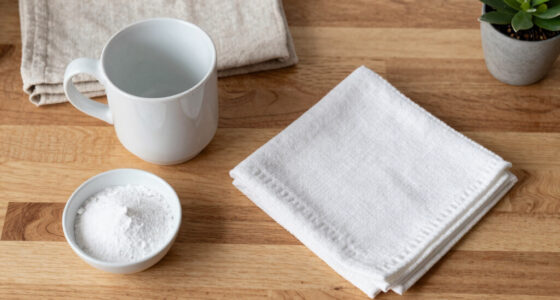
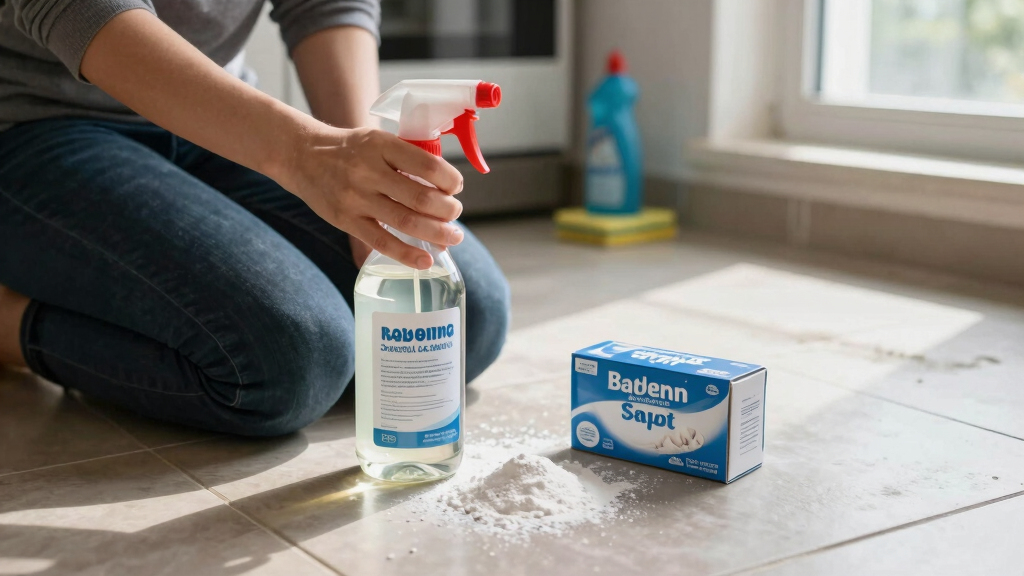
Vinegar is acetic acid, and baking soda is sodium bicarbonate. When combined, they create a lively fizz, releasing carbon dioxide gas, water, and sodium acetate. That bubbling is fun, but it also means the ingredients are reacting at a chemical level. This reaction can loosen dirt or neutralize odors temporarily, but it doesn’t automatically wipe out all germs or stubborn stains.
For example, pouring vinegar and baking soda into a clogged drain causes fizzing that can dislodge light debris. But don’t expect it to clear years of greasy buildup or kill bacteria lurking deep inside the pipes.
EPA-registered heavy-duty kitchen degreaser
As an affiliate, we earn on qualifying purchases.
As an affiliate, we earn on qualifying purchases.
Why don’t vinegar and baking soda cut it for all stains?
Vinegar and baking soda are great against some stains, like mild coffee spills or soap scum. But they stumble on others—like greasy kitchen messes or stubborn wine stains. The reason? Their cleaning power relies on pH and physical action, not on breaking down all types of grime.
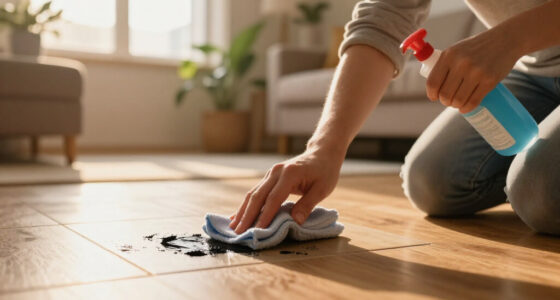
For instance, a greasy pan with burnt-on oil resists vinegar and soda. The acids and abrasives just aren’t enough to dissolve that thick layer of grease. You’ll need a stronger degreaser or a specialized cleaner for those jobs.
In a real-world kitchen, try removing a baked-on casserole spill with just vinegar and soda. It might soften the edges, but the core stubbornness remains.
natural disinfectant spray for germs
As an affiliate, we earn on qualifying purchases.
As an affiliate, we earn on qualifying purchases.
How well do vinegar and baking soda kill germs?
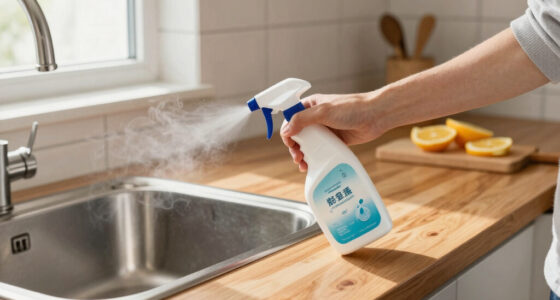
Vinegar has some antimicrobial effects, but it’s not a registered disinfectant. Baking soda doesn’t kill bacteria; it mainly masks odors. This means they can help freshen a room or lightly sanitize surfaces, but they won’t eliminate dangerous germs or viruses.
For example, wiping down a kitchen counter with vinegar might reduce some bacteria, but it won’t meet the standards needed to prevent illness in a high-risk area. For disinfecting, EPA-approved products are your best bet.
Using vinegar and baking soda on a bathroom sink or cutting board won’t reliably kill all bacteria—especially if you’re dealing with raw meat or mold.
stubborn stain remover for fabrics
As an affiliate, we earn on qualifying purchases.
As an affiliate, we earn on qualifying purchases.
When does the fizzing actually help in cleaning?
That bubbling reaction can be surprisingly helpful for light cleaning tasks. For instance, pouring a baking soda and vinegar mixture into a clogged drain can loosen some debris and lift minor grime. It’s also good for deodorizing shoes, trash cans, or refrigerators because the fizz helps neutralize odors temporarily.
However, don’t expect it to dissolve years of oily buildup or thoroughly disinfect a surface.
Think of the fizz as a gentle agitator—not a powerhouse cleaner. It’s best used as a supplement, not the main weapon.
eco-friendly bathroom mold cleaner
As an affiliate, we earn on qualifying purchases.
As an affiliate, we earn on qualifying purchases.
Comparison table: Vinegar and Baking Soda vs. Commercial Cleaners
| Feature | Vinegar & Baking Soda | Commercial Cleaners |
|---|---|---|
| Effectiveness on tough stains | Limited; good for mild stains | High; designed for specific stains |
| Disinfecting power | Weak; some antimicrobial properties | Strong; EPA-registered disinfectants |
| Surface safety | Safe on most surfaces but risky on natural stone | Depends on product; read labels carefully |
| Environmental impact | Excellent; non-toxic and biodegradable | Variable; some contain harsh chemicals |
| Cost | Very affordable | Varies, often more expensive |
What you should do instead of relying solely on vinegar and baking soda
If you’re dealing with stubborn stains, greasy buildup, or need to disinfect, it’s time to bring in stronger tools. For heavy-duty cleaning, use products formulated for specific surfaces or grime types. For instance, an enzyme-based cleaner is perfect for pet stains, while a degreaser works better on kitchen grease.
Deodorizing? Activated charcoal or commercial odor eliminators often outperform baking soda in longevity and power. For disinfecting high-touch surfaces, EPA-approved disinfectants are your safest choice.
Think of vinegar and baking soda as your eco-friendly helpers for light tasks—know their limits and don’t overestimate their reach.
Frequently Asked Questions
Can vinegar and baking soda replace all-purpose cleaners?
Not quite. They’re best for light cleaning and deodorizing, not for heavy stains, grease, or disinfecting. Use them as a supplement, not a full replacement for commercial cleaners designed for tougher jobs.
Will vinegar and baking soda damage my natural stone countertops?
Yes. Vinegar’s acidity can etch natural stone like marble or granite. Always test first and consider using pH-neutral cleaners for delicate surfaces.
Are vinegar and baking soda safe for pets and children?
Absolutely. They’re non-toxic and environmentally friendly. Just avoid using them on surfaces that could be damaged and always follow safe handling practices.
How often should I use vinegar and baking soda for deodorizing?
Every few weeks works well for most household deodorizing tasks. Repeated use helps maintain freshness, but don’t rely on them alone for persistent odors—better options exist for long-term odor control.
What’s a better alternative for cleaning greasy kitchen messes?
A commercial degreaser or enzyme-based cleaner is more effective. These are formulated to break down oils and baked-on grime that vinegar and baking soda can’t handle.
Conclusion
Vinegar and baking soda are handy in a pinch—eco-friendly, cheap, and simple. But don’t expect miracles. Knowing their real strengths and limits saves you time, prevents damage, and leads to cleaner, healthier spaces.
Next time you reach for that box of baking soda or bottle of vinegar, ask yourself: is this enough? Or is it time for a stronger solution? Your surfaces—and your sanity—will thank you.
Columbus Day / Indigenous Peoples' Day Picks
long weekend sales
As an affiliate, we earn on qualifying purchases.