TL;DR

Get cleaning gear delivered free — and shop member deals
- Fast, free delivery on millions of items
- Access to Prime Big Deal Days deals on October 6–7
- Prime Video, Amazon Music and more included
Dust reaccumulates quickly because it’s continually produced and spread by air movement and household activity. Using HEPA filters, controlling humidity, and regular cleaning can significantly slow dust buildup, improving your indoor air quality.
Dust is constantly produced by indoor and outdoor sources, making it impossible to keep completely free of it.
Air circulation—via fans, open windows, and HVAC systems—keeps dust floating and settling quickly.
Using HEPA filters, controlling humidity, and regular cleaning are your best tools to slow dust buildup.
Smart home tech and better materials can make cleaning more effective and less frequent.
Consistent maintenance is key—no single cleaning session will keep dust away for long.
Where does dust come from inside and outside your home?
Dust isn’t just dirt on the floor; it’s a mix of tiny skin flakes, textile fibers, pet dander, pollen, and soil particles. These sources are constantly feeding your home with new dust. Outdoor air adds pollen, pollution, and dirt, sneaking inside through open windows or doors. A typical living room, with its plush carpet, cozy curtains, and pet beds, becomes a dust magnet because of these constant inputs.
For example, a pet owner might notice a layer of dust on furniture even after cleaning. That’s because pet hair, dander, and outdoor pollen keep entering, sticking around, and settling everywhere. Dust sources are ongoing—think of it as a never-ending supply chain of tiny particles.
HEPA air purifier for dust removal
As an affiliate, we earn on qualifying purchases.
As an affiliate, we earn on qualifying purchases.
Why does dust come back so fast after cleaning?
Dust comes back quickly mainly because it’s constantly generated and moved around by air circulation. When you vacuum, dust isn’t gone for good—it’s just temporarily removed. Every time you open a window or turn on a fan, dust particles get stirred up and redistributed. Plus, static electricity on surfaces attracts dust, making it stick and build up again fast.
Imagine cleaning your living room in the morning, only to find a thin film of dust by evening. That’s because dust particles are lightweight and cling to surfaces or stay suspended in the air, ready to settle again within hours. It’s a game of continuous production and circulation.
As an affiliate, we earn on qualifying purchases.
What factors speed up dust buildup and what slows it down?
Several things influence how fast dust accumulates. Larger, more open spaces tend to trap more dust because of increased air circulation. Pet ownership, with hair and dander, ramps up dust levels. Poor ventilation keeps dust trapped inside, while good airflow helps disperse and remove it.
On the flip side, factors that slow dust buildup include regular cleaning with HEPA filters, controlling indoor humidity, and choosing furniture that doesn’t trap dust. For example, a home with a humidifier set at 45% humidity will have fewer dust mites and static electricity, reducing dust attraction. Keeping clutter minimal also helps prevent dust from hiding in nooks and crannies.
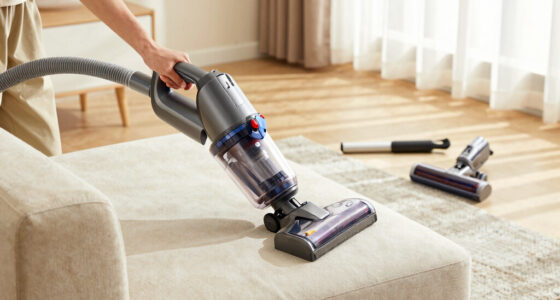
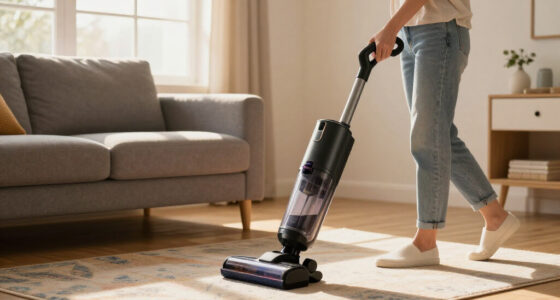
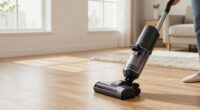
high-efficiency vacuum cleaner with HEPA filter
As an affiliate, we earn on qualifying purchases.
As an affiliate, we earn on qualifying purchases.
How recent tech and habits help control dust better?
Newer tools and habits are making a real difference. HEPA air purifiers are now more affordable and effective at capturing tiny dust particles—some trap particles as small as 0.3 microns. Robotic vacuums with HEPA filters can clean floors more often and thoroughly without you lifting a finger.
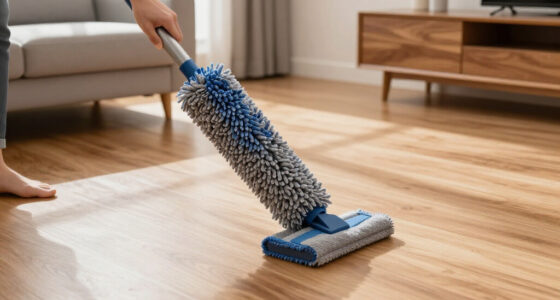
Using microfiber cloths for dusting surfaces instead of feather dusters or dry cloths can trap more dust. Material choices matter too—low-pile carpets and washable curtains don’t trap dust as much as plush, high-pile rugs or heavy drapes. Lastly, maintaining indoor humidity around 40-50% helps reduce static and dust mites, which are major contributors to indoor dust.
As an affiliate, we earn on qualifying purchases.
7 simple ways to slow down dust reaccumulation today
- Vacuum with a HEPA filter at least once a week—don’t skip it!
- Dust surfaces with microfiber cloths to trap dust rather than just spread it around.
- Wash bedding and curtains every 1-2 weeks to remove dust mites and dander.
- Use an air purifier in the main living areas to catch airborne dust.
- Keep pets groomed and vacuum pet beds regularly to cut down on pet dander.
- Maintain indoor humidity at 40-50% to reduce static electricity and dust mites.
What’s new in dust control? Tech and habits making a difference
Smart sensors now monitor indoor air quality and can tell your air purifier when to turn on. Eco-friendly cleaning products that repel dust are gaining popularity. Researchers are also optimizing HVAC designs to minimize dust circulation and improve filtration—making it easier to keep dust at bay without extra effort.
Your most common questions about dust, answered
- Why does dust come back so fast after cleaning? Because dust is continuously generated and circulated by air movement, making it impossible to eliminate completely; regular maintenance helps manage it.
- What’s the best way to reduce dust? Regular vacuuming with HEPA filters, dusting with microfiber cloths, controlling humidity, and using air purifiers are your best bets.
- Are certain furniture materials better for dust control? Yes, low-pile carpets, washable curtains, and smooth furniture surfaces trap less dust and are easier to keep clean.
- Do air purifiers really work? Absolutely—HEPA-filtered air purifiers significantly cut airborne dust, improving indoor air quality.
- How often should I clean to keep dust low? Weekly vacuuming, bi-weekly washing of bedding and curtains, and regular dusting are ideal for most homes.
Frequently Asked Questions
How often should I replace my air purifier filters?
Most HEPA filters need replacing every 6-12 months, depending on use and manufacturer instructions. Keep an eye on the filter indicator if your unit has one.Can I really reduce dust by choosing certain furniture?
Yes. Furniture with smooth surfaces and low-pile carpets trap less dust and are easier to clean, helping slow dust buildup over time.Is it worth investing in a humidifier for dust control?
Absolutely. Maintaining indoor humidity around 40-50% helps reduce static electricity and dust mites, which are major contributors to indoor dust.What’s the biggest mistake people make when trying to control dust?
Many forget that air movement stirs dust, so neglecting regular vacuuming, dusting, and air filtration allows dust to reappear quickly.Conclusion
Dust isn’t a battle you’ll ever win entirely, but you can definitely slow it down. Regular cleaning, smart choices, and good air quality habits turn your home into a cleaner, healthier space with less effort. Think of it like tending a garden—you’ll never stop, but you can control how much weeds grow.Keep your home fresh by staying consistent, using the right tools, and understanding how dust behaves. Your future self will thank you with cleaner air and fewer dust bunnies lurking around.
Fall Picks
fall essentials
As an affiliate, we earn on qualifying purchases.