How to Remove Makeup Stains From Fabric
AIThis post was created with the assistance of artificial intelligence (AI).

TL;DR

Before you orderOffer from Amazon

Get cleaning gear delivered free with Prime

  • Fast, free delivery on millions of items
  • Prime Video, Amazon Music and more included
  • Member-only deals all year
Start your free Prime trial Free trial for eligible customers · Cancel anytime
As an affiliate, we earn on qualifying purchases.

To remove makeup stains from washable fabric, lift away excess product without rubbing, test a small amount of detergent on a hidden spot, then gently pre-treat and rinse with cool or lukewarm water as the care label allows. Wash as directed and inspect the stain before drying; repeat treatment if needed, and ask a professional about delicate or dry-clean-only items.

A swipe of foundation on a white collar can look like a small disaster, but rubbing it with a wet towel often makes the mark wider and harder to lift. Makeup stains are mixtures of pigments, oils, waxes, and sometimes water-resistant polymers, so the right treatment depends on both the product and the fabric. The first move is simple: lift away what you can, then treat the remaining mark gently. This guide shows you how to remove makeup stains from washable clothes, handle lipstick and waterproof mascara, and decide when silk, wool, upholstery, or a dryer-treated stain needs extra care. You’ll also see why a cool rinse, a hidden-area test, and a quick check before drying can save a shirt from a stubborn shadow. Think of stain removal like loosening a knot: small, patient movements work better than a hard yank.
At a glance
How to Remove Makeup Stains From Fabric Safely
Key insight
Makeup can combine pigments, oils, waxes, and water-resistant ingredients, so water alone may not lift the stain; removing loose product before adding liquid helps prevent powder from turning into a…
Key takeaways
1

Lift cream makeup with a dull edge and brush powder away while the fabric is dry; rubbing can spread pigment.

2

Test detergent or stain treatment on a hidden area before applying it to visible fabric.

3

Use cool or lukewarm water only as the care label allows, and inspect the mark before drying.

4

Treat lipstick, long-wear foundation, and waterproof mascara as possible oily or water-resistant stains; water alone may not lift them.

5

For silk, wool, dry-clean-only items, and unclear upholstery, check care instructions and consult a professional when needed.

Step by step
1
Start with these steps to keep the stain from spreading
To remove makeup stains from washable fabric, first lift off the excess, then pre-treat the remaining mark before washing.
Fabric Care · Briefing

How to Remove Makeup Stains From Fabric

Makeup can leave pigments, oils, waxes, and water-resistant ingredients behind. Match a gentle treatment to the product and fabric, then check the stain before drying.

Start with the stain, not water

Removing loose makeup first helps limit spreading and gives treatment a better chance to work.

1
Lift excess

Scoop up cream makeup with a dull edge; brush loose powder away while dry.

2
Blot inward

Press a clean, dry cloth from the stain’s outer edge toward the center.

3
Test first

Dab treatment on a hidden spot and check for fading or damage.

Match treatment to makeup

Oils, waxes, pigments, and water-resistant ingredients respond differently to water alone.

MakeupFirst moveWatch for
FoundationPre-treat with detergentOily pigment may need repeat treatment
LipstickLift waxy residue, then treatRubbing can spread color
PowderBrush away while dryLiquid can turn it into paste
Waterproof mascaraUse detergent-based pre-treatment if care allowsWater alone may not lift it

Wash, then inspect

Use cool or lukewarm water only as the fabric care label allows.

Before washing
  • Apply a small amount of suitable detergent to washable fabric.
  • Follow treatment and fabric-care instructions.
Before drying
  • Check the mark after washing.
  • If color or oily residue remains, repeat treatment and rewash.

Know when to stop

Delicate fibers and household surfaces can be damaged by the wrong treatment.

Delicate

Silk, wool, or dry-clean-only

Lift excess gently and consult a cleaner before applying home treatments.

Upholstery

Blot with little liquid

Check the cleaning code; excess moisture can damage backing or leave rings.

Caution

Protect the fabric

Avoid bleach unless the care label permits it, and never mix cleaning products.

Key pointLift excess, treat gently, and check the stain before drying.
The takeaway
Follow the care label, use a hidden-area test, and repeat gentle treatment if the stain remains.

Start with these steps to keep the stain from spreading

To remove makeup stains from washable fabric, first lift off the excess, then pre-treat the remaining mark before washing. This keeps loose pigment from spreading and gives detergent a chance to work on oily residue. Check the care label before applying anything; if the garment says dry-clean-only or feels delicate or valuable, pause and ask a cleaner.
  1. Lift, don’t rub. Scoop cream makeup with a spoon or dull edge. Shake or brush loose powder away while the fabric is dry.
  2. Blot inward. Press a clean, dry cloth against the mark, working from its outer edge toward the center.
  3. Test first. Dab your planned treatment on a hidden seam and check for color change or damage.
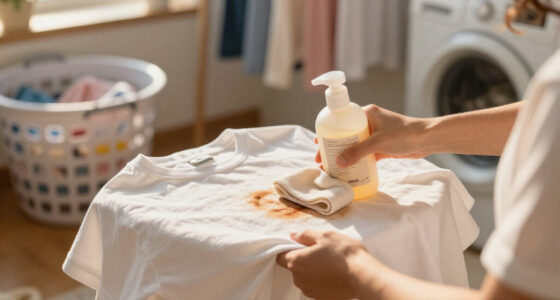
  4. Pre-treat gently. Apply a small amount of liquid laundry detergent to washable fabric. For oily residue, dishwashing liquid may help if the fabric care guidance allows it.
  5. Rinse, wash, inspect. Use cool or lukewarm water as the label permits, wash as directed, and check the stain before drying.
Imagine your powder compact breaks over a cotton blouse. If you splash water on it right away, powder can clump into a paste; brushing it away dry first gives you less pigment to clean. Blotting inward also helps keep a small spot from turning into a collar-wide smear. These steps are a general method, not a guarantee: stain age, formula, fabric, and past heat all affect the result.

Products Worth Considering

Philips Hue Smart Light Starter Kit with Bridge and 4 White and Color A19 Bulbs

Philips Hue Smart Light Starter Kit with Bridge and 4 White and Color A19 Bulbs

Philips Hue Festavia 130-Foot Indoor/Outdoor Smart String Lights, 500 Mini Color-Changing LEDs

Philips Hue Festavia 130-Foot Indoor/Outdoor Smart String Lights, 500 Mini Color-Changing LEDs

As an affiliate, we earn on qualifying purchases.

Match your treatment to foundation, lipstick, mascara, or powder

The best way to treat a makeup stain depends on what the product leaves behind: foundation and lipstick often bring oils and pigment, while powder can spread when wet. Start by removing excess dry or creamy product, then choose a gentle pre-treatment suitable for the garment. A long-wear label is a clue that water alone may not be enough.
Makeup typeWhat to do firstWhat to watch for
Foundation or concealerLift excess and gently work liquid laundry detergent into the washable fabric.Oily, concentrated pigment may need repeat treatment.
LipstickLift waxy residue with a dull edge, then pre-treat gently.Strong color can spread if you rub outward.
Mascara or liquid eyelinerLift any surface residue and use a detergent-based pre-treatment if care instructions allow.Water-resistant ingredients can resist a plain-water rinse.
PowderShake or brush it away while dry.Adding liquid too early can make a paste.
Waterproof makeupTry a suitable detergent or labeled stain remover on washable fabric after testing.Follow both the treatment label and fabric-care instructions.
Say you find a lipstick print on a cotton napkin after dinner. Scraping off the raised wax before adding detergent leaves less residue to work through. For a powder blush mark on a sleeve, a few careful brush strokes while dry are usually a better opening than a wet cloth. This is why the general rule is to remove excess first and treat the stain second.

Use cool or lukewarm water, then check before drying

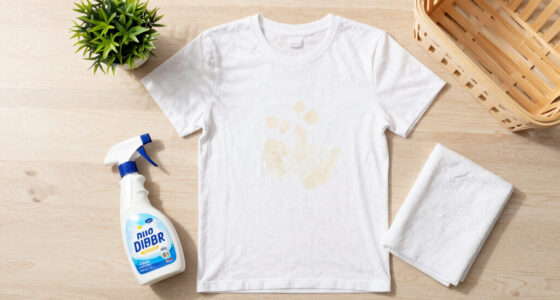
For most washable makeup-stained clothing, rinse with cool or lukewarm water if the care label permits, then wash at the label’s recommended settings. Avoid putting the item in a hot dryer until you’ve checked that the mark is gone, because heat can make some stains harder to remove. If you still see color or feel oily residue, repeat the gentle pre-treatment rather than drying the garment. A useful routine is to inspect the cloth in bright light and view it from more than one angle: a faint beige foundation haze can disappear when the cotton is wet, then show up again once dry. If the stain remains after washing, treat it again and rewash according to the label. Hot water is not a universal shortcut; fabric tolerance and stain ingredients vary, and heat-sensitive textiles need extra care. Consider a white T-shirt with a tan foundation smudge at the neckline. It looks clean straight from the washer, but a warm dryer can make a remaining shadow more difficult to lift. Let the shirt air-dry while you inspect it, especially if the mark was visible before washing. You gain a clear chance to repeat treatment without adding dryer heat to the problem.

Protect silk, wool, and dry-clean-only clothes by knowing when to stop

Silk, wool, acetate, leather, and garments labeled dry-clean-only need more caution than ordinary washable cotton. Household detergent or a stain remover can alter color, texture, or finish, even when it seems mild. If the item is valuable, delicate, or explicitly marked for professional cleaning, lift any excess gently and contact a cleaner before trying a home treatment. The care label is your starting point, and a hidden-area test helps when home treatment is allowed. Use only a small amount, apply it discreetly, and check for dye transfer, fading, or a change in texture. Don’t use bleach unless the garment label permits it; bleach can discolor fabric or damage fibers. And never mix cleaning products. A cleaner can also advise you if the stain has already dried or gone through the dryer, when a simple rinse may no longer be enough. For example, a lipstick mark on a silk blouse may seem small, but the fabric’s sheen and dye can be easy to alter. Scraping off a raised bit without rubbing is a reasonable first step; soaking the whole blouse is a much bigger gamble. A careful stop at the care label can spare you a second problem: a faded patch where the stain used to be.

Clean makeup from upholstery and carpet without leaving a ring

For makeup on carpet or upholstery, blot rather than scrub and use as little liquid as possible. Check the manufacturer’s care instructions or cleaning code first, since some materials tolerate water-based cleaning and others do not. Too much moisture can reach carpet backing or upholstery filling and leave a ring, change texture, or create a longer drying problem. Start by lifting any raised product with a dull edge. If you’re dealing with loose powder on a cushion, gently remove it while dry before reaching for a damp cloth. Blot the remaining spot with a clean cloth, turning to a fresh area as it picks up color. If the care guidance allows a household treatment, test it in a hidden place first and use only a small amount. Avoid soaking the area; follow the manufacturer’s instructions for drying and further cleaning. Picture a dab of liquid foundation on a pale sofa arm after you change clothes. Scrubbing may drive pigment deeper and spread the oily mark across the weave. Pressing carefully with a clean cloth gives you more control, like lifting a spill with a sponge one small corner at a time. If the spot is large, the material’s cleaning code is unclear, or a home attempt leaves a ring, ask an upholstery or carpet cleaner for guidance.

Skip risky shortcuts when a stain won’t budge

Stain-removal advice works best when it fits both the makeup formula and the fabric; no household remedy is safe or effective for every textile. Dish soap may help loosen oily makeup on some washable fabrics, while liquid laundry detergent is a general pre-treatment option. A product marketed as natural can still discolor or damage fabric, so test first and follow the label. Hairspray, rubbing alcohol, makeup remover, and bleach may sound like quick fixes, but they can affect dye, finish, or fibers. Don’t apply them blindly or combine them with other cleaners. If you’re considering a specialty stain remover, read its directions and confirm that the fabric is suitable. The same care applies to concentrated or enzyme detergents: the label and garment instructions decide whether they belong in the process. Suppose waterproof mascara leaves a dark crescent on a washable pillowcase. Water alone may leave the mark because the formula resists it; a detergent-based pre-treatment that the fabric allows is a more sensible next step. If the stain remains after one wash, repeating that process is often a safer choice than escalating to a harsh chemical. Stop when the fabric reacts badly or the care label rules out home treatment.

Get a better result from a stain that has dried or been through the dryer

A dried makeup stain can still be worth treating, but it may take repeated gentle rounds and results vary. If the item is washable, lift any remaining surface residue, test a suitable detergent in a hidden spot, and pre-treat the stain before washing as directed. If it has already been through a hot dryer, expect that removal may be harder; avoid adding more heat until you’ve inspected it. Imagine you discover a foundation mark on a shirt after laundry day. The stain has dried, but the cotton care label allows normal washing. Apply a small amount of liquid detergent to the mark, work it gently with your fingers, rinse as the label permits, and wash. Check it before the next drying cycle. If a faint shadow remains, repeat rather than assuming one wash must do the job. For a delicate garment or an item that has already had an unsuccessful treatment, a professional cleaner can assess the fabric and stain. The key facts are straightforward: makeup stains are often blends of pigment and residue, and treatment depends on formula, material, and heat exposure. Some marks lift; some remain. Patient re-treatment gives washable fabric a fair chance without turning a small spot into fiber damage.

Frequently Asked Questions

How do I get foundation out of a white shirt?

Lift away any excess foundation, test liquid laundry detergent on a hidden area, and gently pre-treat the mark if the care label allows. Rinse with cool or lukewarm water, wash as directed, and check for a remaining shadow before drying.

Can I use dish soap on a makeup stain?

Dishwashing liquid may help with oily makeup on some washable fabrics, but it is not suitable for every material. Test a small hidden spot first and follow the fabric and product instructions.

Should I use cold or warm water on makeup stains?

Use cool or lukewarm water if the care label permits. Water alone may not lift oily or water-resistant makeup, and hot water can make some stains harder to remove or harm heat-sensitive fabric.

How do I remove lipstick from clothing?

Lift off raised waxy residue with a spoon or dull edge, taking care not to spread the pigment. Gently pre-treat washable fabric with a suitable detergent, wash as directed, and inspect it before drying.

Can I remove makeup from silk or dry-clean-only clothing at home?

These fabrics need extra caution, and household treatments can change their color, texture, or finish. Remove loose excess without rubbing, then consult a professional cleaner before applying a treatment.

What if makeup has already gone through the dryer?

Heat can make some stains harder to remove, but a mark may still respond to repeated gentle treatment on washable fabric. Check the care label, pre-treat with a suitable detergent, wash as directed, and inspect before using the dryer again.

Conclusion

When makeup lands on fabric, lift away the excess, check the care label, and treat the remaining mark gently before washing. Give the garment a close look before it meets the dryer; if you still see a shadow, repeat a suitable treatment or ask a cleaner for help. A small blot now can save you from chasing a wide, set-in smear later. Keep the cloth clean, the water modest, and the fabric’s care instructions in view.
You May Also Like

Why Vinegar and Baking Soda Don’t Always Work

Discover why vinegar and baking soda can fall short on tough stains and odors, and learn when to use better cleaning solutions for home surfaces.

How to Get Grass Stains Out of Clothes

Learn simple, effective ways to remove grass stains from clothes using household items or enzymatic cleaners. Act fast for best results!

How to Remove Grease Stains From Clothes

Learn simple, effective ways to remove grease stains from clothes. Quick pre-treatments, eco-friendly options, and tips for stubborn stains. Read more now!

How to Remove Rust Stains From Clothing

Discover proven methods to remove rust stains from clothing safely. Natural remedies, commercial options, and step-by-step guides for best results.