TL;DR

Get cleaning gear delivered free with Prime
- Fast, free delivery on millions of items
- Prime Video, Amazon Music and more included
- Member-only deals all year
Crayon marks are usually made of wax and pigment, so how to remove them depends on the surface. On painted walls, start with a soft cloth, warm water, and a little dish soap; on washable fabric, scrape away excess wax, lift more with low heat and absorbent paper if the care label allows, then pretreat and wash. Test first, use light pressure, and check the stain before drying.
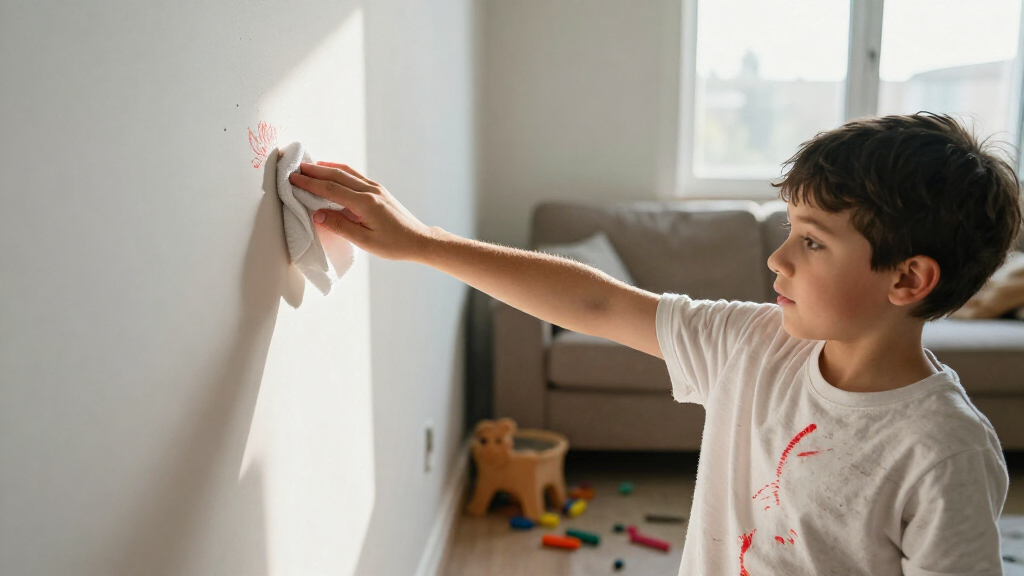
One bright red scribble can turn a quiet afternoon into a wall-cleaning project. The waxy line looks simple, but crayon marks are usually made of wax and pigment, and those two parts behave differently on painted walls and fabric.
This guide shows you how to remove crayon from both surfaces without treating every mark the same way. You’ll start with gentle cleaning, learn when controlled warmth helps, and see why a hidden spot test and a care-label check can save paint, fibers, and a favorite shirt.
Test any wall cleaner on a hidden spot, especially on flat or matte paint.
Begin wall cleanup with warm water, a soft cloth, and a little dish soap.
On washable fabric, scrape excess wax first; use low heat between absorbent layers only if the care label allows it.
Pretreat remaining pigment and check the fabric before using a dryer or iron.
For wallpaper, upholstery, delicate clothing, and unsealed surfaces, follow maker guidance and consider professional cleaning.
Remove crayon marks by surface
Crayon combines wax and pigment, so walls and washable fabric need different treatments. Start gently, test first, and keep heat away until the stain is gone.
Painted walls: start mild
Test in a hidden spot, especially on flat or matte paint, which can scuff more easily.
Use a soft cloth with warm water and a little dish soap; rinse and dry.
If color remains, try a gentle baking-soda paste. Stop if paint dulls or transfers.
Use melamine sponges cautiously. Never press an iron on a wall or scrub hard.
Washable fabric: lift wax first
Check the care label before using warmth.
Scrape gently with a spoon or dull knife without pulling the fibers.
If allowed, press briefly with a low iron between absorbent layers; replace them as they pick up wax.
Pretreat with a fabric-safe product, wash as directed, and inspect before drying.
Match the method to the material
A gentle approach helps protect surfaces while addressing both wax and color.
- Warm water, soft cloth, and mild soap
- Test cleaners; use light strokes
- Stop if paint sheen changes
- Scrape wax before treating color
- Follow the care label for heat and washing
- Keep out of the dryer until the stain is gone
Delicate and porous surfaces
Wallpaper, upholstery, dry-clean-only clothing, and unsealed walls may need special care.
| Surface | Safer next step |
|---|---|
| Wallpaper | Test discreetly; avoid excess moisture |
| Upholstery | Check maker guidance; avoid soaking |
| Delicate clothing | Follow the care label; consider a professional cleaner |
| Unsealed walls | Consider touch-up paint or professional advice |
Why the surface changes the best crayon-removal method
The method depends on the surface because wax sits on top of some materials while pigment can cling to paint or fibers underneath. Start with the gentlest approach that suits the material, test an inconspicuous spot, and use light pressure so the mark doesn’t spread or the finish doesn’t wear away.
Think of a crayon mark as a wax jacket carrying colored dust. On a smooth, washable wall, mild soap may loosen the residue. In a cotton shirt, some wax can transfer to an absorbent layer with carefully controlled warmth, while the pigment needs a separate pretreatment. One trick can’t handle both parts equally well.
For instance, if your child colors a satin-painted hallway and a cotton sleeve in the same sitting, use a damp soapy cloth on the wall and check the garment’s care label before you try warmth. A melamine sponge that seems effective on one wall can dull another, and heat that helps with washable fabric can harm a delicate garment. Match the tool to the material, not just the color of the stain.
Products Worth Considering

LG S90TR 7.1.3‑Channel OLED Evo TV Matching Home Theater Soundbar (Black)

Dyson Omni-Glide Cordless Stick Vacuum, Gold/Iron

Philips Hue White and Color Ambiance Smart Retrofit Recessed LED Downlights, 5/6-Inch, 4-Pack
As an affiliate, we earn on qualifying purchases.
How to remove crayon from painted walls without dulling the finish
- Check the paint finish. Find a hidden spot and test your chosen cleaner; flat or matte paint can scuff more easily than satin or semi-gloss.
- Start with the mildest cleaner. Wipe with a soft cloth dampened with warm water and a little dish soap. Use light strokes, then wipe with clean water and dry.
- Try a gentle paste if color remains. Mix baking soda with a little water, rub gently with a soft cloth, and rinse. Stop if paint transfers or the surface begins to look dull.
- Use a melamine sponge only with caution. Dampen it and test first; it can wear away paint sheen as well as crayon.
These steps let you increase cleaning strength slowly. If a blue scribble on semi-gloss kitchen paint remains after soap, a tiny amount of baking-soda paste may help. Use a corner of the cloth and check the sheen as you go, like testing a pencil mark in the margin before editing a page.
For waxy buildup, hold a warm—not hot—cloth against the mark, then wipe it away. Never press an iron directly against a wall, and keep heat away from delicate finishes. Strong solvents, abrasive pads, or hard scrubbing can strip paint; porous or unsealed surfaces may hold pigment too deeply to clean, making repainting the simpler fix.
Lift wax from washable fabric before treating the color
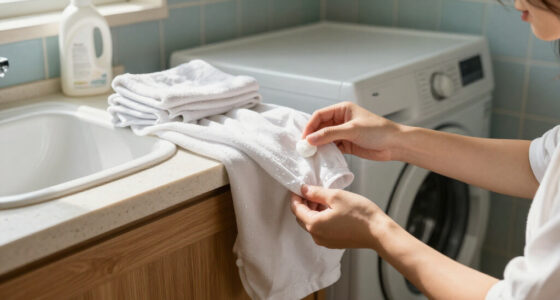
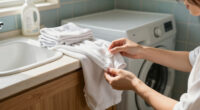
How to remove crayon from washable fabric starts with lifting excess wax, not rubbing the stain into the weave. Scrape gently with the edge of a spoon or a dull knife, taking care not to cut the fibers or pull a thread. Then check the care label: controlled warmth is an option only if the garment allows it.
For washable fabric that permits low heat, place the stained area between paper towels or clean absorbent cloths. Press briefly with an iron on a low setting and no steam if the care instructions allow; the warm wax may transfer to the paper. Replace the absorbent layer as it picks up wax, because a saturated towel can put residue back on the cloth.
Picture a small yellow streak on a cotton apron after a kitchen art session. Scrape away the raised wax, then use a fresh paper-towel section each time you press. Keep the heat low and brief; high heat can spread wax or affect fibers and dyes. If the label says dry-clean-only or the fabric is delicate, skip the iron and ask a professional cleaner for guidance.
Treat leftover pigment, then check the stain before drying
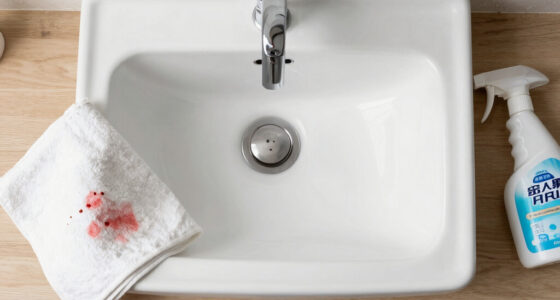
After you lift the wax, pretreat the remaining pigment with liquid laundry detergent or a stain remover labeled safe for that fabric. Follow the product directions for how long it should sit, then wash at the warmest temperature the care label allows. Check the stained area before it goes in the dryer.
Wax and color need different attention: the first step lifts residue, while pretreatment targets the stain left in the fibers. For instance, a pale pink shadow on a child’s cotton T-shirt may still show after you remove the wax. Apply the approved pretreatment, wash the shirt, and inspect it in good light while it is still damp.
If you can still see color, repeat the pretreatment and wash rather than tumble-drying the garment. Dryer heat can set remaining pigment, and ironing can press the mark further into the fabric. The dryer is the final stop, not a shortcut: send the item there only once the stain has gone and the care label says it’s suitable.
Before you dry it: check the fabric in good light. If you can still see pigment, keep heat out of the next step.
Choose a gentle method for wallpaper, upholstery, and stubborn marks
Delicate surfaces need a smaller test and a lighter touch because their coatings, adhesives, dyes, and finishes vary. Wallpaper may be damaged by excess moisture, upholstery may have cleaning limits, and unsealed or porous walls can hold pigment beyond the reach of a wipe. Check the maker’s care instructions before applying household cleaners.
Say the mark is on a fabric sofa arm rather than a washable cushion cover. Don’t soak the area or assume laundry detergent is safe for the upholstery. Check the furniture label and test any permitted treatment in a hidden spot; if the fabric is delicate, the mark is large, or color transfers during the test, a professional cleaner is a safer next step.
On wallpaper, avoid flooding the surface, especially around seams where moisture can affect the adhesive. For a stubborn mark on a painted wall, use the mild soap approach first and stop if the finish changes. Stronger cleaners aren’t always better: solvents and abrasive tools may affect paint, dyes, coatings, or fabric treatments. If a mark has penetrated an unsealed surface, touch-up paint or professional advice may beat repeated scrubbing.
Prevent the next crayon mark with a simple art setup
A small change to the drawing area can keep crayon off walls and clothes: give children a washable drawing surface, cover nearby walls during art time, and keep paper or a washable mat within easy reach. That setup won’t prevent every wandering line, but it gives crayons a clear place to land.
For example, tape a large sheet of paper to a table and lay an old washable cloth beneath it. Keep a soft cleaning cloth nearby for quick attention to a fresh mark, and sort art supplies away from pale fabric after the activity. Prompt cleanup can make residue easier to handle, though the suitable method still depends on the surface.
When an accident happens, avoid panic-scrubbing: friction can spread color or wear the finish. Pause, identify the material, and test gently. A calm first minute is often more useful than grabbing the strongest cleaner under the sink.
Frequently Asked Questions
Will a magic eraser remove crayon from painted walls?
A melamine sponge may remove crayon, but its abrasive action can also dull or remove paint sheen. Test it in a hidden area and use very light pressure, especially on flat or matte paint.
Can vinegar remove crayon?
A mild vinegar solution may help with some residue, but it is not a reliable treatment for every wall finish or fabric. Test in an inconspicuous spot first and rinse the area; warm water with a little dish soap is a gentler starting point for painted walls.
Can I use rubbing alcohol or WD-40 on crayon marks?
These products can affect paint, dyes, finishes, and fabric treatments. Use one only if its label permits the surface, and test in a hidden spot; gentler, surface-appropriate methods are safer to try first.
Should I use heat on a crayon stain?
Low, controlled heat may help transfer wax from washable fabric to absorbent paper when the care label allows it. Keep the heat low, use a barrier, and avoid heat on a wall; heat can spread wax or make remaining pigment harder to remove.
What should I do if crayon went through the wash or dryer?
Scrape off any wax that remains, pretreat the pigment with a product labeled safe for the fabric, and rewash at a label-approved temperature. Avoid more dryer heat until the stain is gone; a set stain may need repeated treatment or professional cleaning.
Does the same method work on wallpaper or upholstery?
Not necessarily: wallpaper coatings, adhesives, and upholstery fabrics vary. Check maker guidance, test a hidden area, and avoid soaking; delicate or valuable items may be better handled by a professional cleaner.
Conclusion
Match the cleanup to the surface: mild soap and light strokes for painted walls, careful wax lifting and fabric-safe pretreatment for washable clothes. Test first, follow care labels, and stop if the finish or fibers begin to change.
Then check the stain before adding heat. A clean wall or shirt is a better finish than a rushed scrub—and the next drawing session can stay on the paper where the colors belong.