TL;DR
Listen free for 30 days with Audible
Thousands of audiobooks and originals — cancel anytime.
Start your free trialAs an affiliate, we earn on qualifying purchases.
Cleaning your greasy range hood filter every 1-3 months keeps your kitchen safer and more efficient. Using hot water, dish soap, and natural degreasers like baking soda makes the process simple and eco-friendly.
Clean your range hood filter every 1-3 months to maintain efficiency and safety.
Most aluminum and metal filters are dishwasher safe—check your manufacturer’s instructions first.
Soaking in hot, soapy water with baking soda or vinegar loosens tough grease effectively.
Natural cleaning solutions like baking soda and vinegar are eco-friendly and safe for your home.
Replace filters that are damaged, warped, or unresponsive to cleaning after multiple attempts.
Why Regular Cleaning Keeps Your Range Hood Working Better
Greasy filters aren’t just unsightly—they clog airflow, making your range hood work harder and less effectively. Over time, this buildup can even be a fire hazard. Cleaning your filter every 1-3 months clears the grease, keeps the air flowing, and prolongs the filter’s life. Imagine cooking bacon or searing steaks; the grease splatters, and the filter catches it all. If you ignore it, that grease turns into a thick, stubborn layer. Regular cleaning is like giving your kitchen a fresh breath of air.
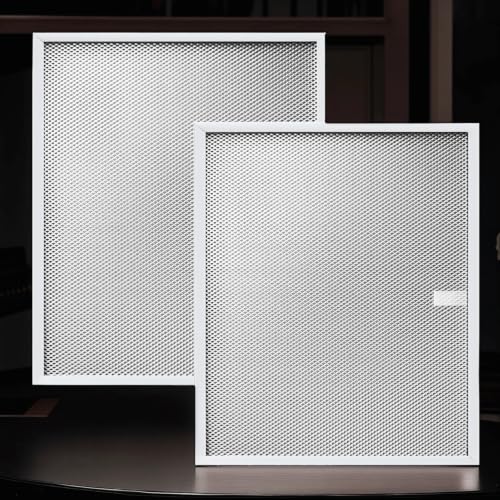
Upgraded BPS1FA30 Range Hood Filter 11-3/4" x 14-1/4", Exact Fit for Broan QS1, WS1, QS2 & Nutone 30" Hoods, 5-Layer Aluminum Grease Filter, Dishwasher Safe, Replaces 99010299, 99010305 (2 Pack)
- Fits Common Range Hood Models: Compatible with Broan, Sears, Kenmore
- Includes 2 Filters: Convenient pack for easy replacement
- Universal Compatibility: Suitable for ducted and ductless hoods
As an affiliate, we earn on qualifying purchases.
As an affiliate, we earn on qualifying purchases.
How to Remove Your Range Hood Filter Without Breaking It
Most range hood filters slide or clip out easily. Before starting, unplug your hood for safety. Carefully remove the filter—usually by pulling down or pressing a latch. Handle it gently to avoid bending or warping. If it’s stuck, check for clips or screws—some models need a bit of patience. Once out, lay it on a towel or in a sink to prepare for cleaning. Think of it like carefully removing a delicate piece of jewelry—slow and steady wins the race.

Seventh Generation All Purpose Cleaning Spray Surface Cleaner Lemon Chamomile scent Cuts Grease 23 oz, Pack of 4
- Product Type: All Purpose Cleaning Spray
- Main Use: Cuts grease, grime, and dirt
- Scent: Lemon Chamomile from essential oils
As an affiliate, we earn on qualifying purchases.
As an affiliate, we earn on qualifying purchases.
The Best Way to Get Rid of Stubborn Grease: Step-by-Step
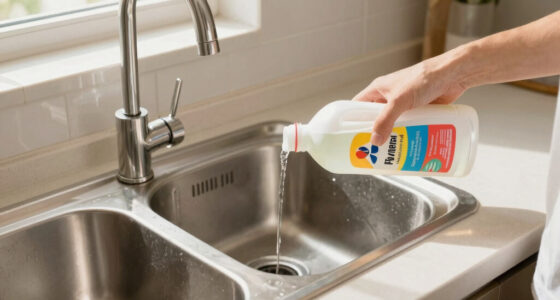
- Fill your sink or a large basin with hot water. The hotter, the better—aim for around 120°F (49°C). Be careful—hot water can cause burns if you’re not cautious.
- Add a generous squirt of dish soap—preferably a degreasing formula. For extra power, sprinkle in ½ cup of baking soda or add a splash of vinegar.
- Submerge the filter completely. Let it soak for 15-30 minutes. This loosens the grease and grime, making it easier to scrub away.
- After soaking, use a soft scrub brush or non-abrasive sponge to gently scrub away grease and dirt. Pay attention to corners and edges where grease hides.
- Rinse thoroughly with hot water. Make sure no soap or residue remains.
- Dry the filter completely with a towel or let it air dry before reinstalling. Damp filters can cause mold or corrosion.

MRS. MEYER'S CLEAN DAY Baking Soda Cream Cleaner, Lemon Verbena, 16 fl oz
- Product Name: Mrs. Meyer’s Baking Soda Cream Cleaner
- Main Function: Removes soap scum and grease
- Cleaning Power: Scrubs away grease and grime
As an affiliate, we earn on qualifying purchases.
As an affiliate, we earn on qualifying purchases.
Should You Use the Dishwasher? Pros and Cons
| Feature | Dishwasher Safe Filters |
|---|---|
| Ease of cleaning | Very high—simply load and run |
| Durability | Depends on material; check manufacturer |
| Effectiveness | Great for routine cleaning |
| Limitations | Not all filters are dishwasher safe; check instructions |

OXO Good Grips Deep Clean Brush Set
- Includes large and small brushes: Set with two brushes and wiper blade
- Ideal for grout and shower tracks: Large brush for wide surfaces
- Perfect for fixtures and tight spaces: Small brush for detailed cleaning
As an affiliate, we earn on qualifying purchases.
As an affiliate, we earn on qualifying purchases.
Natural and Eco-Friendly Ways to Cut Through Grease
Natural solutions work just as well as chemical degreasers—without the harsh fumes. Baking soda and vinegar are your kitchen’s best friends. For stubborn grease, make a paste with baking soda and water, then spread it on the filter. Let it sit for 10-15 minutes before scrubbing. Alternatively, spray vinegar directly on the greasy spots, let it fizz for a few minutes, then wipe clean. These methods are safe, effective, and kind to the environment—plus, they make your kitchen smell fresh.
When to Replace Your Filter Instead of Cleaning It
A filter doesn’t last forever. If it’s warped, torn, or so clogged that cleaning doesn’t help, it’s time for a replacement. Heavy grease stains that won’t scrub out or a persistent bad smell are signs. Also, if you notice reduced airflow even after cleaning, the filter might be past its prime. Replacing a filter is straightforward—just follow your model’s instructions or buy a compatible one. Think of it like changing the filter on your air purifier—sometimes, it’s just time for a fresh start. Ignoring these signs can lead to decreased air quality, potential fire hazards, and increased energy costs because your range hood has to work harder. Choosing to replace when necessary ensures your kitchen remains safe and efficient, preventing small issues from escalating into costly repairs or replacements down the line.
Frequently Asked Questions
How often should I clean my range hood filter?
Aim for every 1-3 months, depending on how much you cook and how greasy your meals tend to be. Regular cleaning prevents buildup and keeps everything running smoothly.Can I put my range hood filter in the dishwasher?
Many filters are dishwasher safe, especially aluminum and metal ones. Always check your manufacturer’s instructions before doing so to avoid damage.What’s the best way to remove stubborn grease?
Soaking the filter in hot, soapy water with baking soda or vinegar for 15-30 minutes loosens thick grease. Follow up with gentle scrubbing and thorough rinsing.Are natural cleaning options effective?
Yes, baking soda and vinegar work well on grease and don’t introduce harsh chemicals, making them safe and eco-friendly choices for your kitchen.When should I replace my filter instead of cleaning?
Replace it if it’s torn, warped, or if cleaning no longer restores airflow or removes odors. A damaged filter can’t protect your kitchen effectively.Conclusion
Keeping your range hood filter clean isn’t just about appearances—it’s about safety, efficiency, and fresh air. A simple routine can save you from future headaches and costly replacements. Think of your filter as the unsung hero of your kitchen—give it the care it deserves, and it will keep your cooking space healthier and happier.Baby shower & registry season Picks
baby registry must-haves
As an affiliate, we earn on qualifying purchases.