TL;DR

Get cleaning gear delivered free — and shop member deals
- Fast, free delivery on millions of items
- Access to Prime Big Deal Days deals on October 6–7
- Prime Video, Amazon Music and more included
Bathroom smells that stick around after cleaning usually come from hidden mold, biofilms in drains, or plumbing leaks. Addressing these hidden sources with targeted cleaning, better ventilation, and repairs can finally clear the air.
Imagine scrubbing your bathroom until it gleams, only to be greeted by that stubborn, sour smell the next day. Frustrating, right? You’re not alone. Many people clean thoroughly, yet the odors linger like an unwelcome guest. It turns out, the source of these smells often hides behind the scenes—inside pipes, in grout lines, or in tiny crevices you overlook.
In this guide, you’ll learn why your bathroom still smells after cleaning and discover practical, no-nonsense steps to banish those odors for good. No hype, just real solutions that get to the root of the problem.
Most bathroom odors come from hidden sources like mold, biofilms, and plumbing leaks, not just surface dirt.
Regularly cleaning drains with enzymatic or natural solutions prevents biofilm buildup.
Improving ventilation cuts down moisture, preventing mold and sewer gas escapes.
Inspect and replace faulty seals or wax rings around toilets to stop sewer gases from leaking in.
Using odor absorbers like activated charcoal offers ongoing relief from stubborn smells.
Hidden Mold and Mildew Are Sneaky Odor Culprits
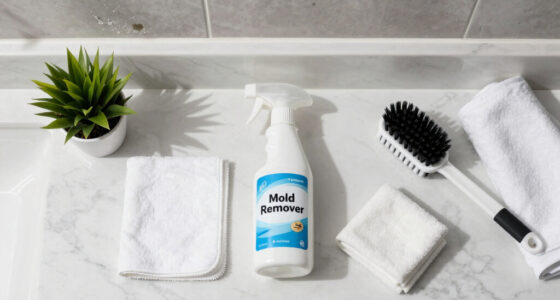
Even if your bathroom looks spotless, mold and mildew might be lurking behind tiles, under sinks, or in grout lines. For example, imagine a bathroom where the grout between tiles is dark and damp—this is a perfect breeding ground for mold. When mold grows in these hidden spots, it releases musty VOCs that fill your bathroom with an unpleasant smell. Many homeowners notice the smell but only clean visible surfaces, missing these hidden colonies. Think of mold like an iceberg—most of it is hidden beneath the surface, but it still causes the foul odor.
Understanding this is crucial because superficial cleaning might remove surface grime but leave mold colonies intact beneath the surface. This means your efforts are only addressing symptoms, not the cause. The implications are significant: mold not only causes odors but can also harm indoor air quality and trigger allergies or respiratory issues. Therefore, attacking mold requires targeted cleaning with antifungal agents and ensuring the environment stays dry. Recognizing the importance of thorough inspection and moisture control helps prevent mold from seeding anew, saving you from recurring odors and potential health risks.
As an affiliate, we earn on qualifying purchases.
Drain Biofilms and Clogs Are Chemical Soup That Smells Bad
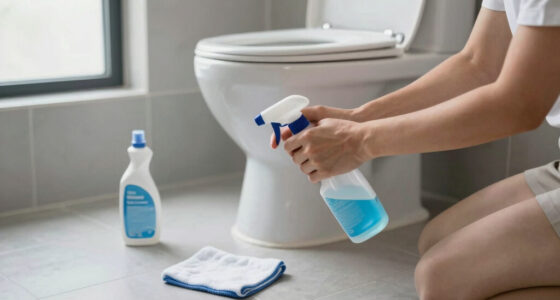
Clogged drains are more than just slow water flow—they’re breeding grounds for bacteria, mold, and biofilms. Picture a kitchen sink where water drains slowly and a slimy, grayish film begins to form along the pipe walls—a typical biofilm. Over time, this layer thickens and traps odors inside your plumbing system. For instance, imagine pouring a cup of vinegar and baking soda down the drain weekly—this natural ‘cleaning’ helps break down these biofilms, much like how a gentle scrub can remove mold from a shower curtain. However, if the buildup is severe, regular natural remedies might not be enough, and professional drain cleaning may be necessary. Installing drain traps and periodically flushing with enzymatic cleaners acts like giving your pipes a detox, preventing the foul smell from lingering or recurring—similar to how cleaning your coffee maker’s internal tubes keeps your coffee tasting fresh.
As an affiliate, we earn on qualifying purchases.
Sewer Gas Leaks Are Silent and Dangerous
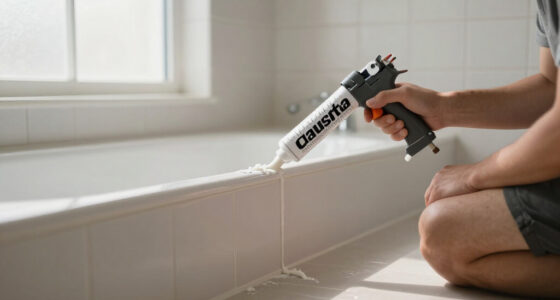
Sewer gases leaking into your bathroom cause that sharp, sour smell that seems to come from nowhere. Think of a scenario where your toilet’s wax ring is cracked—like a faulty seal on a leaky pipe—allowing gases to escape into your bathroom. These gases, such as methane and hydrogen sulfide, are not only unpleasant but also hazardous. For example, if you notice a sulfur-like smell when flushing or after a long absence from the bathroom, it could be a sign of a leak. Gases can also seep through small cracks in vent pipes, much like how a tiny crack in a window can let in cold air—small but impactful. Addressing sewer gas leaks involves inspecting and replacing seals, ensuring vent pipes are clear, and possibly installing a trap or venting system that acts like a one-way valve, preventing these gases from entering your living space. Fixing these leaks makes your bathroom smell fresh and keeps your household safe, similar to sealing a leak in a bicycle tire to prevent air loss.
As an affiliate, we earn on qualifying purchases.
Poor Ventilation Traps Moisture and Smells Inside
If your bathroom lacks proper airflow, imagine it like a sealed jar—moisture from showers and baths gets trapped inside, creating a humid environment. For example, after a hot shower without turning on the exhaust fan or opening a window, condensation forms on mirrors and walls, much like dew on grass in the early morning. This persistent dampness encourages mold, mildew, and bacteria to grow—think of it as inviting tiny microbes to set up camp inside your bathroom. These microbes produce foul odors, similar to how a damp towel left in a laundry basket develops a musty smell. Improving ventilation by installing an exhaust fan or opening windows is like creating a breeze that blows out the damp air—helping to dry out surfaces and remove odors. Regularly running your exhaust fan during and after showers is akin to airing out a stuffy room, which prevents the cycle of dampness and microbial growth, keeping your bathroom smelling fresh and protecting your walls from moisture damage.
As an affiliate, we earn on qualifying purchases.
Frequently Asked Questions
Why does my bathroom smell bad even after I clean it?
Most likely, the odors come from hidden mold, biofilms in drains, or plumbing issues like sewer gas leaks. Cleaning surfaces only removes surface dirt, not these deeper problems.How can I get rid of persistent bathroom odors?
Target the source: clean drains with enzymatic cleaners, fix leaks, improve ventilation, and consider professional plumbing checks if odors persist despite cleaning.What products are best for eliminating bathroom smells?
Enzymatic cleaners, natural solutions like baking soda and vinegar, activated charcoal, and air purifiers work well. Use them regularly for ongoing freshness.How often should I clean my bathroom to prevent odors?
Aim for weekly cleaning, especially focusing on drains, toilets, and damp spots. Consistency keeps odors from taking hold.Are natural remedies effective for bathroom odors?
Yes, baking soda, vinegar, essential oils, and activated charcoal are natural options that absorb odors and inhibit bacteria growth without harsh chemicals.Conclusion
Cleaning your bathroom thoroughly is just the start. The real fix lies in addressing hidden mold, biofilms, and plumbing issues that keep odors alive. Take a systematic approach—inspect, clean, ventilate, repair—and your bathroom will finally smell as fresh as it looks.
Next time you notice that stubborn smell, remember: it’s often a sign of something unseen. Fixing those hidden problems makes all the difference. Don’t settle for masking odors—eliminate them at the source.
Halloween Picks
halloween
As an affiliate, we earn on qualifying purchases.