TL;DR

Get cleaning gear delivered free — and shop member deals
- Fast, free delivery on millions of items
- Access to Prime Big Deal Days deals on October 6–7
- Prime Video, Amazon Music and more included
Cleaning a toilet deeply involves disinfecting all parts, targeting hidden germs, and preventing buildup. Regular, targeted cleaning with the right tools and products keeps it truly clean, not just looking good.
Always let disinfectants sit for at least 5 minutes to maximize germ-killing power.
Use a stiff-bristled brush and reach under the rim and around the siphon jet for thorough cleaning.
Regularly clean and disinfect to prevent stains, odors, and bacteria buildup.
Tackle mineral deposits with vinegar or descaling products before they harden.
Maintain bathroom ventilation and wipe frequently for ongoing freshness.
Why Surface Cleaning Isn’t Enough and What Real Cleaning Looks Like
When you see a shiny toilet, it’s easy to think it’s clean. But surface cleaning often misses bacteria hiding under the rim, inside the siphon jet, or around the base. These hidden areas are critical because bacteria and germs tend to thrive in moist, hard-to-reach spots, which are often neglected during quick cleaning. Over time, this neglect can lead to persistent odors, stains, and even health risks, especially if someone in your household is immunocompromised.
True cleaning means attacking these unseen germs by disinfecting every nook and cranny, allowing disinfectants to sit long enough to kill bacteria effectively. It also involves removing mineral deposits that can harbor bacteria and create rough surfaces that trap dirt. Think of it as giving your toilet a thorough health check — addressing both visible grime and invisible threats — which ultimately reduces the risk of infections and unpleasant odors. The tradeoff is that this process takes more time and effort, but the health benefits and long-term cleanliness make it worthwhile.
As an affiliate, we earn on qualifying purchases.
Step-by-Step Guide to Deep Cleaning Your Toilet
- Put on gloves and open windows for ventilation to avoid inhaling fumes from disinfectants.
- Pour a generous amount of disinfectant or a mix of vinegar and baking soda into the bowl. This step is crucial because the chemical reaction and disinfectant action break down grime and kill germs.
- Let it sit for at least 5 minutes — longer if there are stains or mineral buildup. This contact time allows disinfectants to penetrate biofilms and mineral deposits, which are often resistant to quick cleaning. Skipping this step means germs can survive, especially in hidden areas.
- Use a stiff-bristled toilet brush to scrub under the rim, inside the siphon jet, and around the bowl. Don’t forget to scrub the base and exterior surfaces. Proper scrubbing physically dislodges grime and biofilms that cleaning agents alone can’t remove, reducing bacterial load significantly.
- Flush to rinse away loosened grime and disinfectant residue. This flush also carries away dead bacteria and residues, preventing recontamination.
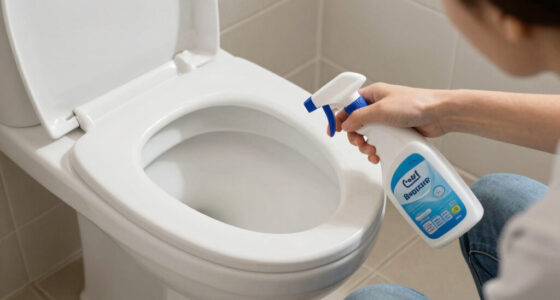
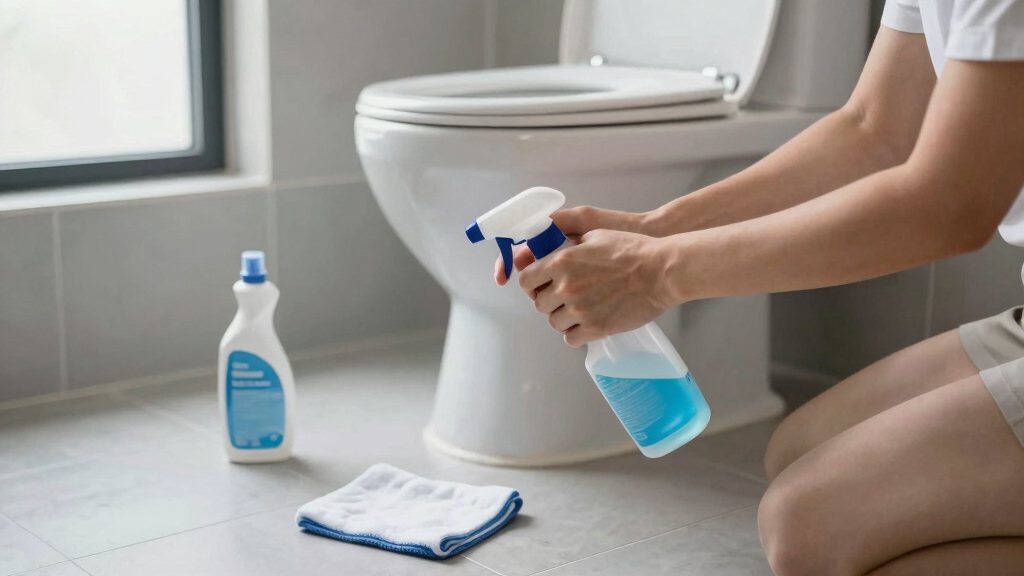
- Wipe down the exterior with a clean cloth and disinfectant spray, paying attention to handles, lid, and other frequently touched surfaces. These areas are often overlooked but are key to preventing cross-contamination.
Repeat weekly or more often if needed. Regular cleaning prevents stubborn stains, mineral buildup, and bacterial colonies from establishing themselves, maintaining a healthier bathroom environment.
toilet bowl brush with stiff bristles
As an affiliate, we earn on qualifying purchases.
As an affiliate, we earn on qualifying purchases.
Why Disinfecting Properly Matters More Than Just Cleaning
Disinfection is the process of killing germs that cause illness, odors, and stains, not just removing visible dirt. Using a disinfectant with at least 5 minutes of contact time ensures that bacteria such as *E. coli*, *Staphylococcus*, and other pathogens are effectively neutralized. This is especially important in bathrooms, where moisture creates an ideal environment for bacteria to multiply rapidly.
If you rush through disinfection or wipe it off quickly, many germs can survive and pose health risks, including infections or the spread of disease. Leaving disinfectants to sit ensures they penetrate biofilms and mineral deposits that often shield bacteria, making your cleaning more effective. Recent innovations like UV sterilization or antimicrobial coatings can supplement manual disinfection, but manual scrubbing combined with proper disinfectant use remains the most reliable method for thorough sanitation. The tradeoff is time — but the payoff is a genuinely hygienic toilet that reduces health risks and odors over time.
As an affiliate, we earn on qualifying purchases.
The Best Tools and Products for Truly Clean Toilets
Using the right tools makes a huge difference. Invest in a sturdy toilet brush with stiff bristles and a disinfectant spray or gel. Consider an angled brush for hard-to-reach spots under the rim. These tools enable you to physically dislodge dirt and biofilms that can harbor bacteria, especially in tight or hidden areas.
Here’s a quick comparison of popular cleaning agents and their implications:
| Product Type | Effectiveness | Implications & Tradeoffs |
|---|---|---|
| Bleach | High; kills most germs | Very effective for deep disinfection and removing mineral stains, but can be harsh on skin and surfaces if not used carefully. Overuse can degrade porcelain over time. |
| Vinegar & Baking Soda | Moderate; good for routine cleaning | Natural and safe, but less potent for killing germs. Best for maintenance rather than complete disinfection. Combining them creates a fizzing reaction that helps loosen grime but may not eliminate all bacteria. |
| Commercial Disinfectants | High; follow label instructions | Designed for effective disinfection, but some contain chemicals that may cause skin irritation or fumes. Always read labels and use in well-ventilated areas. |
Always read labels, avoid mixing chemicals, and wear gloves to protect your skin. Proper ventilation minimizes inhalation of fumes, ensuring safety during the cleaning process.
As an affiliate, we earn on qualifying purchases.
How to Prevent Stains, Buildup, and Germs from Coming Back
Prevention is your best friend in maintaining a hygienic toilet. Regular flushing, weekly cleaning, and using toilet bowl tablets or descaling agents help prevent mineral deposits from forming and becoming breeding grounds for bacteria. Wiping the exterior, especially handles and lids, with disinfectant weekly reduces cross-contamination risks. These practices break the cycle of grime buildup and bacterial growth, saving you time and effort in the long run.
For example, a friend of mine keeps a bottle of vinegar spray in her bathroom. A quick daily wipe on the seat and handle not only keeps germs at bay but also prevents odors and mineral deposits from accumulating. This simple habit disrupts bacteria’s ability to establish themselves, leading to a fresher, cleaner toilet over time.
Installing a low-flow toilet with a siphon jet can reduce mineral buildup by minimizing water flow and turbulence, which often causes deposits. Additionally, maintaining good bathroom ventilation helps keep humidity levels low, slowing bacterial and mold growth. These combined efforts create an environment less conducive to grime and germs, making ongoing cleaning easier and more effective.
Caring for Hard Water Stains and Mineral Deposits
Hard water stains are calcium and magnesium deposits that cling stubbornly to porcelain, often appearing as chalky or pinkish residues. These mineral deposits can create rough surfaces that trap dirt and bacteria, making cleaning more difficult over time. To effectively remove them, pour vinegar into the bowl and let it sit for 15-30 minutes. The acetic acid dissolves mineral deposits, loosening their grip and making scrubbing more effective. For tougher buildup, commercial descaling products or a paste of baking soda and water can be used. Regular maintenance with these agents prevents deposits from hardening, reducing bacteria hiding spots and prolonging the cleanliness of your toilet.
Imagine a bathroom where mineral stains are a faint pink hue — vinegar and consistent cleaning are your allies in keeping it sparkling and bacteria-free. The tradeoff is that neglecting these deposits can lead to increased cleaning difficulty and potential health hazards from bacterial colonization in roughened areas.
How to Keep Your Toilet Odor-Free and Fresh
Freshness isn’t just about cleaning; it’s about ongoing freshness. Use deodorizing tablets or sprays that neutralize odors and prevent bacteria from multiplying. Keep the bathroom well-ventilated by opening windows or running exhaust fans, which helps reduce humidity and mold growth. Regularly cleaning the seat and lid with disinfectant minimizes bacteria transfer and odor buildup. Additionally, placing a few drops of lemon essential oil or other natural deodorizers in the toilet bowl or on the spray can provide a subtle, natural fresh scent that discourages odor-causing bacteria. Remember, a truly clean toilet isn’t just visually tidy — it smells inviting and maintains a hygienic environment over time.
Frequently Asked Questions
How often should I deep clean my toilet?
Aim for once a week to keep bacteria and mineral deposits under control. In high-traffic homes or shared bathrooms, consider cleaning more frequently.What’s the best way to remove hard water stains?
Vinegar works wonders. Pour it into the bowl, let it sit for 15-30 minutes, then scrub with a stiff brush. Repeat as needed to keep stains at bay.Are natural cleaners as effective as chemical disinfectants?
When used with proper contact time, vinegar and baking soda can handle routine cleaning. For full disinfection, especially in high-risk areas, stronger agents like bleach are more reliable.Can I skip disinfecting if the toilet looks shiny?
No. The shine might hide bacteria. Disinfect at least weekly for true hygiene, especially under the rim and inside the siphon jet.Should I wear gloves when cleaning the toilet?
Yes, gloves protect your skin from germs and chemicals. Masks are optional but helpful if you’re using strong disinfectants or if you’re sensitive to fumes.Conclusion
A truly clean toilet is a matter of consistent effort and attention to detail. It’s not just about appearances — it’s about health, hygiene, and peace of mind. Think of your toilet as a vital part of your home’s health, deserving of real care, not just a quick wipe.Next time you clean, remember: a little extra effort goes a long way. Your bathroom will thank you — with fewer odors, stains, and germs that lurk unseen.
Halloween Picks
halloween
As an affiliate, we earn on qualifying purchases.