
TL;DR
Stuffy indoor air happens when ventilation, humidity, and pollutants build up. Improving airflow, controlling moisture, and using air purifiers can make your home feel fresher and healthier.
Poor ventilation and high humidity are the main reasons your home feels stuffy.
Regularly opening windows, using exhaust fans, and managing moisture drastically improve indoor air quality.
Indoor pollutants like dust and VOCs pile up quickly without proper cleaning and air filtration.
Smart ventilation tech and humidity controls make it easier than ever to keep indoor air feeling fresh.
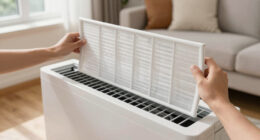
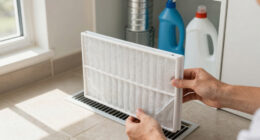
Maintaining HVAC filters and cleaning ducts ensures your system doesn’t recirculate stale air.
Poor ventilation is the biggest culprit behind stuffy air
When air doesn’t circulate properly, it becomes stagnant and heavy. Modern homes, with their airtight designs, trap indoor pollutants and moisture. Imagine closing all windows and doors on a humid summer day—the air inside feels sticky because it’s not moving.
For example, cooking dinner without opening a window or running a bathroom fan can quickly create a dense, damp atmosphere. Adding a simple exhaust fan or cracking a window for 5 minutes can drastically improve airflow and reduce that heavy feeling.

LEVOIT Air Purifier for Home Allergies Pet Hair in Bedroom, Covers Up to 1073 ft² by 56W High Torque Motor, AHAM VERIFIDE, 3-in-1 Filter with HEPA Sleep Mode, Remove Dust Smoke Odor, Core300-P, White
WHY CHOOSE AHAM VERIFIDE AIR PURIFIERS: AHAM (Association of Home Appliance Manufacturers) is an ANSI-accredited organization that sets…
As an affiliate, we earn on qualifying purchases.
As an affiliate, we earn on qualifying purchases.
High humidity turns your home into a damp, heavy space
Humidity levels above 60% make your home feel muggy and uncomfortable. Think of a rainy day when everything feels damp—your home can feel the same if moisture isn’t properly managed. Excess moisture encourages mold growth and makes the air feel heavier.
For instance, a bathroom after a long shower can spike humidity levels, creating a sticky, stale atmosphere. Using a dehumidifier to keep humidity between 30-50% helps your home feel lighter and prevents mold and musty odors.

Dehumidifier, 95OZ Dehumidifier for Home 1000 Sq.Ft – Quiet with Auto Shut Off & Relaxing 7 Color Ambient Light,Ideal for Livingroom, Bedroom, Basement(Black)
Semiconductor dehumidifiers use thermoelectric cooling to remove moisture from the air. They create a drier, more comfortable environment…
As an affiliate, we earn on qualifying purchases.
As an affiliate, we earn on qualifying purchases.
Indoor pollutants pile up and make the air feel heavy
Dust, pet dander, mold spores, and VOCs from cleaning products or furniture can all contribute to that dense, stuffy feeling. Indoor air often contains more pollutants than outdoor air—up to 5 times more, according to the EPA.
Picture a pet sitting in your living room—every time they shed, allergens fill the air. Without regular cleaning and air filtration, these particles linger, weighing down the air you breathe.
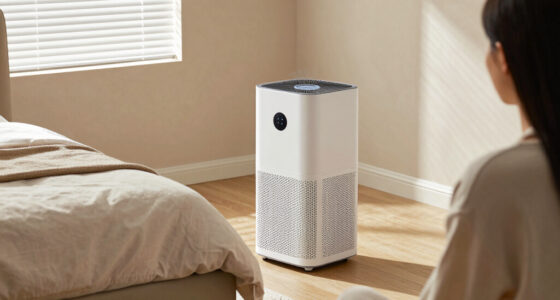
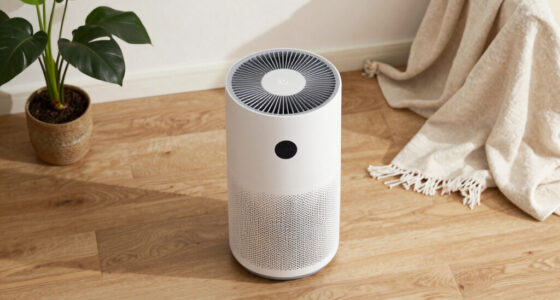
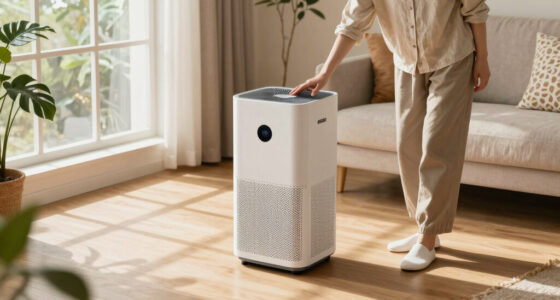
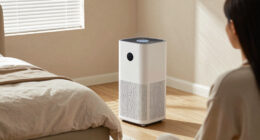
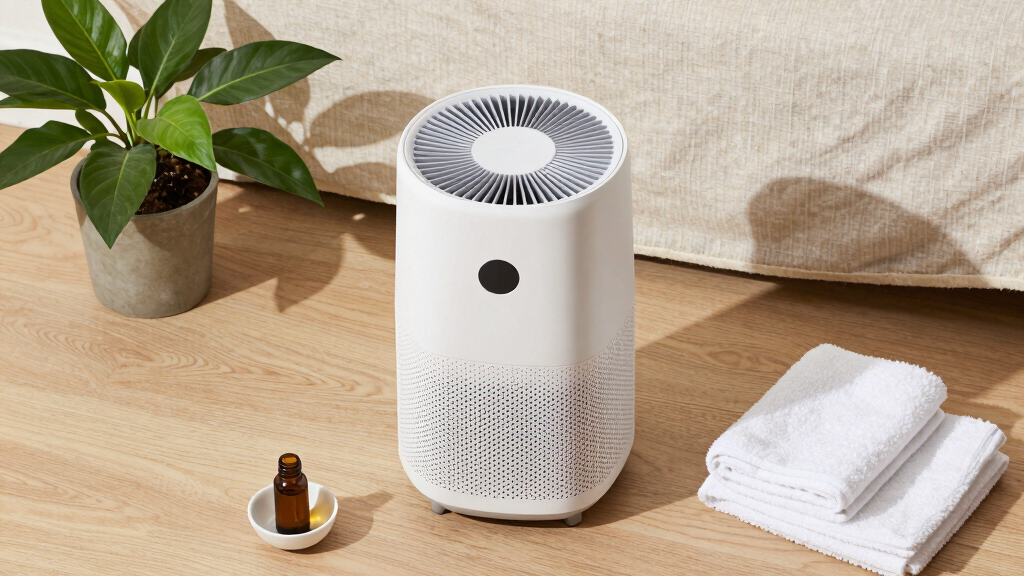
Using an air purifier with a HEPA filter and keeping surfaces clean can help remove these pollutants and lighten the air.

COMFEE' CVU30W2AST Range Hood 30 Inch Ducted Ductless Vent Hood Durable Stainless Steel Kitchen Hood for Under Cabinet with 2 Reusable Filter, 200 CFM, 2 Speed Exhaust Fan Silver
Improving Kitchen Air Quality High-quality Comfee range hood with 2-speed exhaust fan provides strong air suction to remove…
As an affiliate, we earn on qualifying purchases.
As an affiliate, we earn on qualifying purchases.
Lack of air circulation keeps your home feeling stuffy
If you keep windows shut and don’t run fans, stale air just sits, making your home feel like a sealed box. Even in winter, opening a window for a few minutes can refresh indoor air.
For example, turning on ceiling fans or using oscillating fans in rooms can promote air movement, preventing that heavy, trapped feeling.
Remember, even a small boost in circulation can make your space feel significantly lighter.
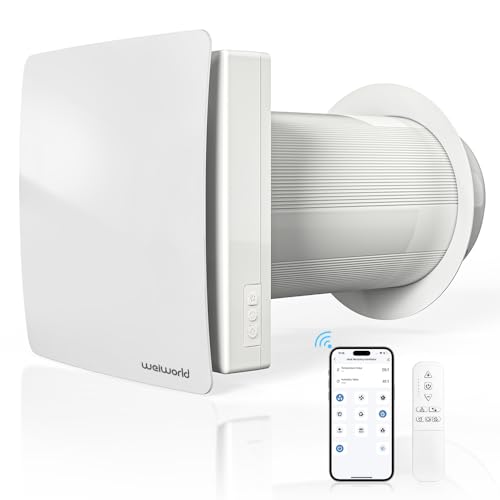
Weiworld Through Wall HEPA Ventilation Fan with WiFi & Remote Control, Ultra Quiet EC Motor Wall Vent, Fresh Air Intake & Air Exchange System for Bedroom, Home Office, Attic
【HEPA Fresh Air Ventilation Fan】Equipped with a 3-stage filtration system (pre-filter, HEPA filter, and activated carbon), this wall-mounted…
As an affiliate, we earn on qualifying purchases.
As an affiliate, we earn on qualifying purchases.
Heating and cooling systems can recirculate stale air
If your HVAC system isn’t well-maintained or lacks fresh air intake, it recirculates the same air over and over. This can make indoor spaces feel stuffy, especially in winter when windows stay shut.
Regularly changing filters, cleaning ducts, and adding fresh air intake options can turn your HVAC into a tool for better air quality. A well-tuned system not only keeps air fresh but also balances humidity.
For example, integrating a heat recovery ventilator (HRV) helps exchange stale indoor air with fresh outdoor air efficiently.
Smart home tech helps keep indoor air feeling fresh
Newer ventilation systems, like ERVs (Energy Recovery Ventilators), automatically exchange stale air for fresh outside air while conserving energy. They keep your home from feeling stuffy, even in sealed-up spaces.
In a recent example, a homeowner installed an ERV that maintained steady humidity and airflow, making a noticeable difference in comfort. These systems are especially helpful if you struggle to remember to open windows or run fans.
Plus, integrating smart sensors can alert you when humidity or pollutant levels spike.
Comparison: How indoor humidity levels impact your comfort
| Humidity Level | How It Feels | Risks |
|---|---|---|
| Below 30% | Dry, crackly skin, static shocks | Respiratory irritation, increased dust |
| 30-50% | Comfortable, no static, less dust | Ideal range for most homes |
| Above 60% | Sticky, damp, feels heavy | Mold growth, musty odors |
Simple steps to clear the air and feel fresher
- Open windows for 5-10 minutes daily, especially after cooking or cleaning.
- Use exhaust fans in bathrooms and kitchens consistently.
- Run a dehumidifier if humidity exceeds 50%.
- Change HVAC filters every 1-3 months, depending on use.
- Keep surfaces dust-free and vacuum regularly with a HEPA filter vacuum.