TL;DR
Listen free for 30 days with Audible
Thousands of audiobooks and originals — cancel anytime.
Start your free trialAs an affiliate, we earn on qualifying purchases.
Many people wake up congested because of indoor allergens, dry air, or poor ventilation in their bedrooms. Using air purifiers, controlling humidity, and updating bedding can significantly reduce morning nasal stuffiness and boost sleep quality.
Indoor allergens like dust mites, pet dander, and mold are common culprits behind morning congestion.
Maintaining indoor humidity between 40-50% prevents nasal dryness and mold growth.
Proper ventilation helps clear irritants from the bedroom air, reducing congestion.
Switching to hypoallergenic bedding and washing linens weekly can cut allergen exposure.
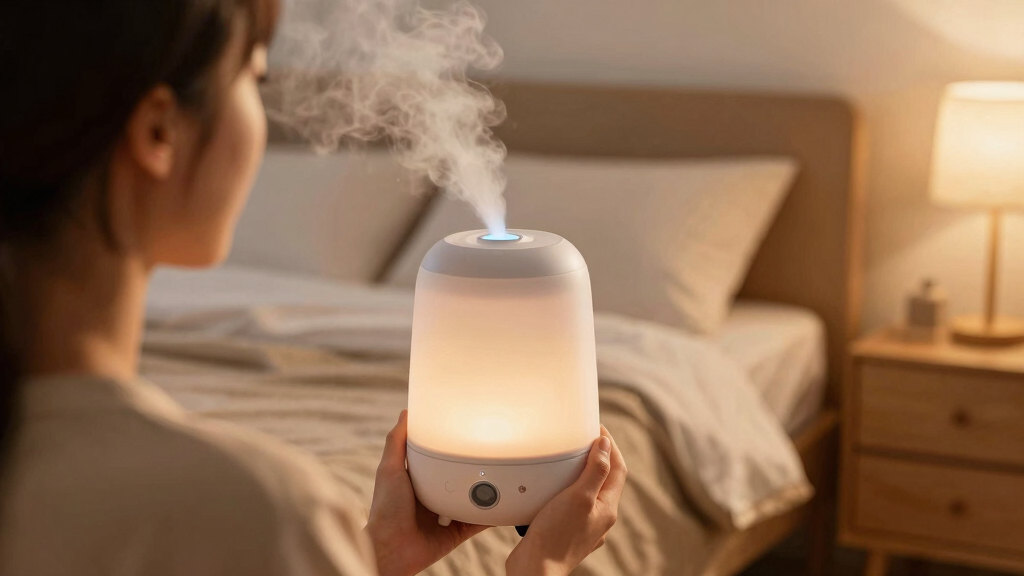
Using air purifiers and humidifiers can dramatically improve breathing comfort during sleep.
Is Your Bedroom Causing Your Congestion? Find Out Fast
Waking up congested often points to indoor allergens or dry air inside your bedroom. Dust mites thriving in mattresses and pillows, pet dander lingering in bedding, or mold hidden in damp corners can clog your nasal passages overnight. Recognizing these signs is crucial because they directly impact your sleep quality and overall health. Persistent nasal congestion can lead to disturbed sleep, which affects daytime alertness, cognitive function, and immune function. If you notice a stuffy nose every morning, it’s time to evaluate your sleep space for these hidden culprits.
Common signs include persistent sneezing, itchy eyes, or a dry, scratchy throat — all symptoms linked to indoor allergens. An easy first step: check your bedding, look for visible mold, and consider if your bedroom feels muggy or dusty. Addressing these issues can significantly improve your sleep quality and help you wake up refreshed.
As an affiliate, we earn on qualifying purchases.
Why Dry Air Is a Sneaky Congestion Culprit
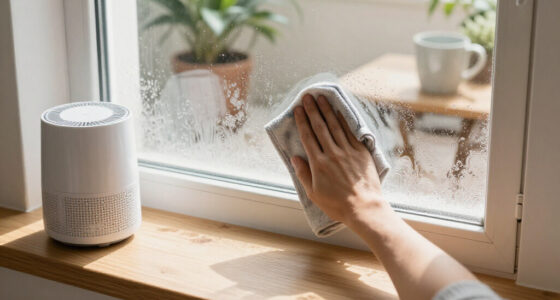
Dry air is a common but often overlooked cause of nasal congestion because it affects the very lining of your nasal passages. When humidity drops below 40%, the mucous membranes in your nose and sinuses become dry and inflamed, which hampers their ability to trap dust, allergens, and pathogens. This can cause swelling and blockages, making it harder to breathe and increasing the likelihood of congestion. The implications are significant: chronic dryness can weaken your natural defenses, making you more susceptible to infections and allergies.
For example, during winter, heating systems dry out indoor air, which dries out your nasal tissues and makes them more prone to swelling. This results in waking up with a blocked nose, even if you haven’t been exposed to external allergens. Maintaining indoor humidity between 40-50% creates a moist environment that supports healthy nasal function, reducing the frequency and severity of congestion. However, balancing humidity is key; too much moisture can promote mold growth and dust mites, so monitoring levels with a hygrometer is advisable. This tradeoff underscores the importance of controlled humidity for optimal nasal health.
As an affiliate, we earn on qualifying purchases.
How Poor Ventilation Intensifies Nasal Stuffiness
Proper ventilation is vital because it directly influences the indoor air quality by removing stale air laden with allergens, dust, and moisture. When airflow is restricted, these irritants accumulate, leading to inflammation of your nasal tissues and increased congestion. Think of your bedroom as a space that needs fresh air exchange; without it, indoor pollutants can reach levels that overwhelm your natural defenses.
Imagine sleeping in a room with a closed window all night, while dust, pet dander, and other allergens build up. Over time, this leads to a higher concentration of irritants that your body has to contend with upon waking. The result is a stuffy nose and labored breathing, which can perpetuate a cycle of poor sleep and increased sensitivity to allergens.
Enhancing ventilation—by opening windows, using exhaust fans, or employing air exchange systems—dilutes these irritants, reducing their concentration and helping your nasal passages stay clear. This simple change can prevent the buildup of indoor pollutants and significantly improve morning breathing, especially in urban or allergy-prone environments. The tradeoff? In areas with high outdoor pollution levels, balancing fresh air intake with filtration might be necessary to avoid bringing in additional irritants.
As an affiliate, we earn on qualifying purchases.
The Bedding and Mattress Materials That Could Be Triggering Your Congestion
Your choice of bedding materials can profoundly impact your nasal health because certain fabrics and chemicals can harbor allergens or cause sensitivities. Synthetic fabrics and chemical-treated linens often contain formaldehyde or flame retardants, which can irritate the mucous membranes and provoke allergic reactions. Dust mites thrive in certain materials, especially if bedding isn’t washed regularly or if covers aren’t allergen-proof.
For instance, switching to hypoallergenic, natural fabrics like cotton or linen can reduce the presence of dust mites and chemical irritants. These materials are less likely to trap moisture and allergens, creating a healthier sleeping environment. Regular washing in hot water (at least 130°F or 54°C) kills dust mites and removes allergens, further reducing congestion triggers.
Choosing allergen-proof covers for pillows and mattresses acts as a barrier, preventing dust mites from colonizing your bedding. This is especially important for allergy sufferers, as it minimizes exposure during sleep. The tradeoff involves maintaining these covers and washing bedding frequently, but the benefits include a significant reduction in nighttime congestion and improved overall sleep quality.
As an affiliate, we earn on qualifying purchases.
Practical Steps to Clear Your Bedroom Air and Breathe Better
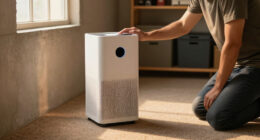
- Use a HEPA air purifier to trap airborne allergens like dust, pet dander, and mold spores. Ensuring the purifier is appropriately sized for your room maximizes its effectiveness in removing irritants that contribute to congestion.
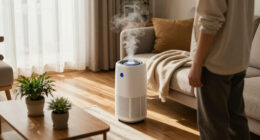
- Maintain indoor humidity between 40-50% with a humidifier or dehumidifier. This balance prevents nasal dryness and mold growth, both of which can cause or exacerbate congestion. Regularly checking humidity levels with a hygrometer helps maintain this optimal range.
- Wash bedding weekly in hot water, and consider hypoallergenic covers. This routine reduces dust mite populations and removes other allergens that accumulate over time, directly decreasing the triggers for nasal inflammation.
- Ventilate your room daily by opening windows or running exhaust fans. Fresh air helps dilute indoor pollutants and reduces allergen concentrations, supporting healthier nasal passages.
- Opt for natural, chemical-free bedding and pillows to minimize exposure to irritants and allergens that can cause congestion.
- If you have pets, keep them out of the bedroom to reduce dander and fur that settle on bedding and furniture, decreasing allergen load during sleep.
Compare Your Options: How Different Solutions Stack Up
| Solution | Effectiveness | Cost | Ease of Use |
|---|---|---|---|
| HEPA Air Purifier | High — Filters out most allergens | Moderate — $100-$300 | Easy — Plug and go |
| Humidifier | Moderate — Prevents dryness | Low to Moderate — $30-$150 | Easy — Fill with water |
| Hypoallergenic Bedding | High — Reduces dust mites | Moderate — $50-$200 | Easy — Wash regularly |
| Ventilation (Opening Windows) | High — Refreshes air | Free | Simple — Just open a window |
Choosing the right mix depends on your budget and room setup. Combining solutions often yields the best results.
Frequently Asked Questions
How do I know if my bedroom has too much mold?
Look for visible mold spots, a musty smell, or persistent dampness. Using a mold test kit or consulting a professional can confirm mold presence, which is linked to respiratory issues including congestion.
Can pets really cause congestion even if they stay out of the bedroom?
Yes. Pet dander can linger on clothes, furniture, or in the air, especially if your home isn’t cleaned regularly. Keeping pets out of the bedroom reduces direct allergen exposure during sleep.
Is a humidifier safe to use all night?
Generally, yes — as long as you keep humidity between 40-50%. Too much moisture can promote mold or dust mites, so monitor levels with a hygrometer and clean your humidifier regularly.
What’s the best way to test if my sleep environment causes congestion?
Try keeping a journal of your sleep habits and symptoms. Use an air quality monitor to check humidity and particulate levels. If congestion improves after making adjustments, your environment likely plays a role.
Conclusion
Your bedroom environment holds the key to waking up congestion-free. Small changes — like improving airflow, controlling humidity, and updating bedding — make a big difference. Breathe easier tomorrow by taking a fresh look at your sleep space tonight.Flea & tick season Picks
flea and tick prevention
As an affiliate, we earn on qualifying purchases.