TL;DR

Get cleaning gear delivered free with Prime
- Fast, free delivery on millions of items
- Prime Video, Amazon Music and more included
- Member-only deals all year
Persistent household smells often linger because they penetrate deep into porous surfaces or come from hidden sources like mold or bacteria. Simple cleaning rarely works; effective odor removal requires targeted treatments like enzyme cleaners, ventilation, and sometimes replacing materials. Combining these strategies usually clears out even the most stubborn odors.
Ever opened a closet and been hit with that lingering smell that just won’t quit? Or walked into a room where the air feels clear but the scent remains stubbornly in the background? Some odors cling like glue, stubborn and unyielding. They hide in places you can’t see or reach, and plain cleaning doesn’t cut it. If you’re tired of fighting a losing battle with smells that won’t go away, you’re not alone.
In this guide, you’ll learn what causes these persistent odors and discover practical, proven ways to finally get rid of them. No hype, just real solutions rooted in understanding how odors behave in your home. Whether it’s pet urine, cigarette smoke, or mold, you’ll find effective steps to freshen your space once and for all.
Odors often penetrate deep into porous surfaces, making surface cleaning ineffective.
Targeted treatments like enzyme cleaners and deep cleaning are essential for stubborn smells.
Ventilation, natural remedies, and odor absorbers work best when combined with source removal.
Modern technology, including air purifiers and ozone generators, can significantly aid odor neutralization.
Persistent odors might indicate underlying issues like mold or hidden residues, requiring professional help.
Why Some Smells Are Impossible to Remove with Regular Cleaning
Regular cleaning often fails because odors don’t just sit on the surface—they seep into the very fibers of carpets, curtains, drywall, and furniture. Think of these materials like a sponge, soaking up scents that become trapped in tiny pores. Pet urine, smoke, and spoiled food leave behind molecules that cling tightly, especially in porous surfaces.
For example, a pet owner might scrub the carpet and spray air freshener, but if the urine soaked deep into the padding, the smell will bounce back. That’s because surface cleaning only treats what’s visible or easily reachable. The real odor source is hidden inside the material, making it nearly impossible to eliminate just by wiping or vacuuming.
Understanding this is key. If odors persist after cleaning, it’s usually a sign you need targeted treatments or deep cleaning. Ignoring this step leaves the smell trapped, ready to resurface whenever conditions are right.
As an affiliate, we earn on qualifying purchases.
What Makes Odors Stick Around? The Hidden Culprits
Odors stick around because they originate from hidden sources like mold, bacteria, or residues that cling tightly to surfaces. Mold, for example, releases musty smells that embed into drywall or insulation. Pet accidents leave organic compounds that turn into smelly residues, especially if not cleaned thoroughly.
Even after cleaning, these molecules can remain in the tiny crevices of porous materials. Over time, they keep releasing scent molecules into the air, making the smell seem omnipresent. That’s why you might clean your sofa repeatedly but still smell that faint pet odor.
Identifying the source is half the battle. Sometimes, odors originate from behind walls, underneath flooring, or inside HVAC systems—places you can’t see or reach without professional help.
As an affiliate, we earn on qualifying purchases.
How to Tackle the Odor at Its Deepest Point — 5 Steps That Work
- Identify and remove the source. This might mean cleaning a stain thoroughly, replacing a carpet section, or fixing a mold problem.
- Use enzyme-based cleaners. These break down organic molecules like pet urine, food spills, or sweat, neutralizing the smell at its core.
- Deep clean porous materials. Steam cleaning carpets, washing curtains, or disinfecting upholstery can pull out embedded residues.
- Improve airflow and ventilation. Open windows, run fans, and use exhaust fans to disperse lingering odors. Sometimes, fresh air is the best deodorizer.
- Incorporate odor absorbers. Activated charcoal, zeolite, or even baking soda placed strategically can trap scent molecules before they escape into your home’s air.
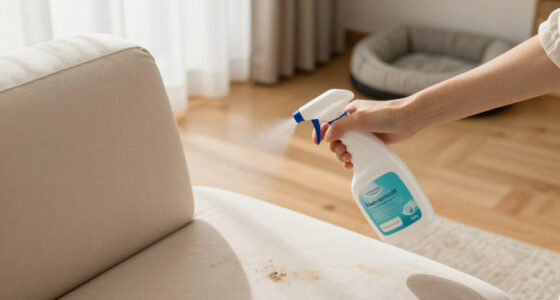
For example, a homeowner dealing with a stubborn pet smell on the sofa might start with enzyme cleaner, then steam clean, and finally set out bowls of activated charcoal. Combining these steps often makes the difference between a faint whiff and a fresh room.
As an affiliate, we earn on qualifying purchases.
How Do Modern Tools Help You Win the Odor Battle?
Technology has stepped up the game against stubborn smells. Advanced air purifiers with activated charcoal filters or photocatalytic oxidation can neutralize odors in the air. Some smart devices detect specific smells and automatically adjust filtration, offering a hands-off approach.
Ozone generators also neutralize odors but require caution—they can be harmful if used improperly. They work by breaking down scent molecules at a chemical level, making them particularly useful for severe cases like smoke damage or mold.
For instance, a homeowner with after-fire smoke odors used a high-quality air purifier equipped with a carbon filter, combined with professional ozone treatment, and finally saw the smell vanish. Technology can be a powerful ally when combined with targeted cleaning.
deep cleaning mold removal products
As an affiliate, we earn on qualifying purchases.
As an affiliate, we earn on qualifying purchases.
Are Natural Remedies Good Enough for Tough Odors?
Natural solutions like baking soda, vinegar, and activated charcoal can help, but their effectiveness depends on the odor’s strength and depth. Baking soda absorbs smells, and vinegar neutralizes basic scent molecules, but they often work best for surface odors or light smells.
For example, sprinkling baking soda on a smelly carpet and leaving it overnight can significantly reduce pet odors. Activated charcoal placed near the source can also trap scent particles. However, these methods may not fully eliminate deep or ingrained smells from porous materials.
In cases of heavy odors, natural remedies should be part of a broader strategy, not the sole solution. Combining them with deep cleaning and source removal yields the best results.
When Should You Call in the Pros?
If odors persist despite your best efforts, it’s time to consider professional help. Experts have access to industrial-grade equipment like ozone generators, deep cleaning systems, and specialized treatments for mold or smoke damage.
For instance, persistent moldy or smoky smells that won’t budge even after DIY cleaning are often signs of hidden issues behind walls or inside HVAC systems. Professionals can identify these sources and treat them thoroughly.
Remember, some odors are signs of underlying problems—ignoring them can lead to health risks or property damage. When in doubt, consulting a professional saves time, money, and your peace of mind.
Frequently Asked Questions
Why do some smells come back even after cleaning?
Many odors seep into porous materials like carpets, drywall, and furniture, embedding themselves deeply. Regular cleaning only treats the surface; to truly remove the smell, you need to target the source with specialized treatments or deep cleaning.Can air purifiers really eliminate persistent odors?
Yes, especially those with activated charcoal filters or photocatalytic technology. They neutralize airborne scent molecules and improve air quality, but work best when combined with source removal and proper cleaning.Are natural remedies enough to get rid of bad smells?
Natural options like baking soda, vinegar, and activated charcoal can help reduce odors, especially surface smells. However, for deep or ingrained odors, these should be part of a broader strategy involving deep cleaning and source treatment.When should I consider professional odor removal?
If odors persist despite DIY efforts—especially with mold, smoke, or pet urine—professional services are often needed. They have specialized equipment and expertise to eliminate stubborn smells completely.How can I prevent odors from coming back?
Address the source immediately, keep good ventilation, and use odor absorbers like activated charcoal. Regular cleaning and fixing underlying issues like leaks or mold also help maintain a fresh space.Conclusion
Persistent smells are a sign that the odor is hiding in places you can’t see or reach. The key is addressing the source directly—whether through targeted cleaning, natural remedies, or professional tools. Remember, a fresh-smelling home isn’t just about masking the scent; it’s about eliminating it at its core.
Next time you face a stubborn odor, picture it as a puzzle waiting to be solved. With the right steps, you’ll finally enjoy a space that smells as clean as it looks—and that’s a victory worth celebrating.
Fall Picks
fall essentials
As an affiliate, we earn on qualifying purchases.