TL;DR

Get cleaning gear delivered free — and shop member deals
- Fast, free delivery on millions of items
- Access to Prime Big Deal Days deals on October 6–7
- Prime Video, Amazon Music and more included
Your home’s humidity level is shaped by activities, weather, and ventilation. Too much moisture can cause mold, health issues, and damage—controlling it improves comfort and saves money.
Ever walk into your home and feel a damp, sticky warmth that just won’t go away? That’s excess humidity at work. It sneaks in through daily life, weather, and home design, silently causing problems you might not see until mold or musty smells appear.
Understanding what makes your home so humid, and why it matters, can save you headaches—literally and figuratively. From health risks to home damage, managing moisture is a simple step toward a healthier, more comfortable space.
Monitor indoor humidity regularly with a hygrometer to stay between 30-50%.
Use exhaust fans and open windows during activities that produce moisture.
Fix leaks and seal cracks promptly to prevent outside humidity from entering.
Invest in a dehumidifier if your space consistently exceeds 60% humidity.
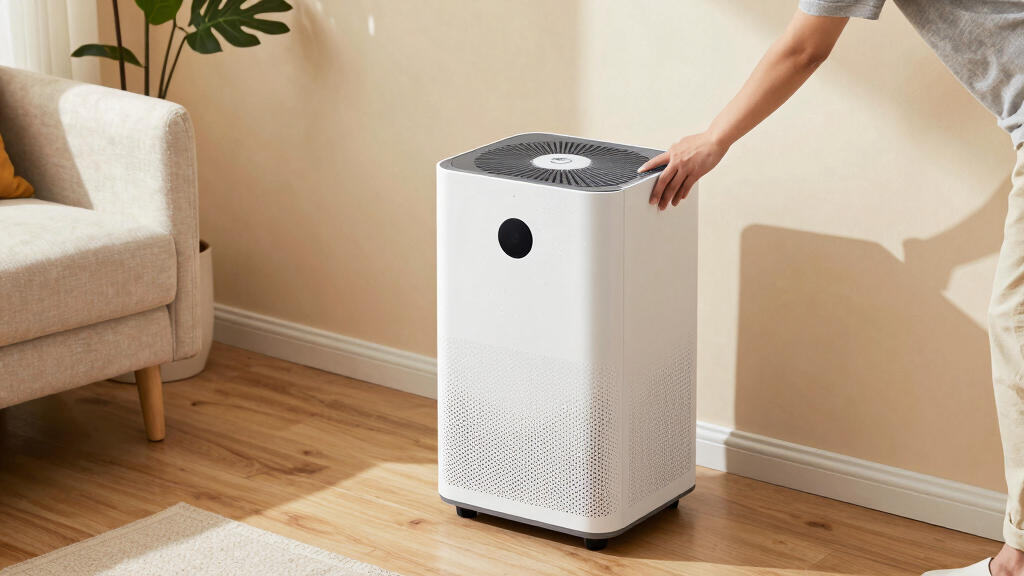
Modern technology offers smart, energy-efficient options to keep moisture levels in check.
What’s Causing All That Moisture in Your House?
Indoor activities like cooking, showering, and laundry release water vapor into the air. On average, a shower can add as much as 2 gallons of moisture in just 15 minutes.
Poor ventilation traps this moisture, especially in kitchens, bathrooms, and basements. If your home lacks exhaust fans or vents get clogged, the humidity stays high.
Outside weather plays a role too. In humid climates, moisture seeps in through leaks or cracks, making it harder to dry out your indoor air. Outdated HVAC systems or missing insulation can also trap moisture inside.
As an affiliate, we earn on qualifying purchases.
Why High Humidity Is a Bigger Problem Than You Think
When indoor humidity rises above 60%, mold spores thrive. Mold isn’t just unsightly; it can trigger allergies, asthma, and respiratory issues. Dust mites, which love humid environments, also exacerbate allergies.
Excess moisture can warp wood flooring, peel paint, and cause ceilings to stain or sag. Over time, this damage can become costly and hard to fix.
Plus, humid air feels hotter — a 5% increase in humidity can make a room feel up to 3°F warmer, pushing your cooling costs higher.
Understanding these impacts highlights why managing humidity isn’t just about comfort—it’s a crucial element of home maintenance. Ignoring it can lead to structural problems and health risks that are often more expensive and complicated to resolve later.
automatic dehumidifier for basement
As an affiliate, we earn on qualifying purchases.
As an affiliate, we earn on qualifying purchases.
How to Know if Your Home Is Too Humid (And What Levels Matter)
The easiest way to check your home’s moisture level is with a hygrometer. Aim for 30-50% relative humidity. If your reading hits above 60%, it’s time to act.
For example, during a humid summer, a hygrometer might read 65%, indicating your home needs better moisture control. Keeping tabs helps you prevent mold and damage before they happen.
Remember: humidity fluctuates daily and seasonally. Regular monitoring allows you to spot trends and take timely action, avoiding the pitfalls of neglecting moisture levels. This proactive approach ensures you can balance comfort and safety without guesswork.
By understanding these levels, you can make informed decisions about when to activate dehumidifiers or improve ventilation, effectively preventing the onset of problems like mold growth or structural damage that can be costly and disruptive.
As an affiliate, we earn on qualifying purchases.
Simple Tricks to Keep Your Home Less Humid (Even on a Budget)
- Use exhaust fans in the kitchen and bathroom every time you cook or shower.
- Open windows when weather permits to let moist air escape.
- Fix leaks promptly and seal cracks to prevent outside moisture from sneaking in.
- Place moisture absorbers like silica gel or baking soda in problem spots.
- Run a dehumidifier in high-humidity rooms — it can cut moisture levels by 20-30%.
For example, running a $50 dehumidifier in the basement during summer can prevent mold growth and keep mold spores from spreading.
Implementing these simple tips not only reduces moisture but also minimizes the risk of long-term damage and health hazards, making your home safer and more comfortable without a hefty investment.
As an affiliate, we earn on qualifying purchases.
The Latest Tech Making Humidity Control Smarter and Easier
Smart dehumidifiers now connect to your phone, letting you monitor and adjust moisture levels remotely. Some systems even learn your home’s patterns and turn on automatically when humidity rises.
Advances in HVAC technology include units with built-in dehumidification, reducing the need for separate devices. Eco-friendly options also use less energy, saving money and reducing your carbon footprint.
Indoor air quality monitors combine humidity sensors with air purifiers, giving you a full picture of your home’s health in real-time.
These innovations not only provide convenience but also help optimize energy use and ensure consistent comfort, which can lead to significant savings over time and a healthier indoor environment.
What Really Happens If You Ignore the Humidity Problem?
If you let humidity stay high, mold can colonize within 48-72 hours. This rapid growth means that what starts as a small patch can quickly become a widespread infestation, complicating cleanup and repairs. Mold releases spores into the air, which can cause allergic reactions and respiratory problems, especially for vulnerable individuals like children or those with asthma. Ignoring initial signs often results in more extensive remediation, involving costly removal of affected materials and structural repairs.
High moisture levels accelerate wood rot in furniture and structural elements, weakening your home’s foundation over time. This deterioration often isn’t immediately visible but can lead to sagging floors, compromised walls, and even safety hazards if left unchecked. The longer you wait, the more invasive and expensive the repairs become, sometimes requiring complete replacements of framing or flooring. Additionally, persistent dampness fosters dust mite proliferation, which can worsen allergies and asthma. These health and structural risks underscore why early intervention is vital—addressing humidity problems promptly can save you significant money and prevent health issues down the line.
Neglecting humidity control can also lead to increased energy bills — your AC works overtime to cool down humid air, which feels hotter and stickier.
Ultimately, failing to address high indoor humidity can turn minor inconveniences into major home repairs and health concerns, making proactive management a wise investment.
Frequently Asked Questions
How do I know if my home is too humid?
Use a hygrometer to measure your indoor humidity. If it regularly exceeds 60%, it’s time to take action to reduce moisture and prevent problems like mold and dust mites.
What are the health risks of high humidity?
High humidity encourages mold growth and dust mites, which can trigger allergies, asthma, and respiratory issues. Keeping humidity in check protects your breathing and overall health.
How can I reduce humidity without spending a lot?
Improve ventilation with exhaust fans, open windows on dry days, fix leaks promptly, and use moisture-absorbing materials like silica gel or baking soda in problem areas.
Is high humidity only a problem in certain climates?
No, high indoor humidity can happen anywhere, especially in poorly ventilated homes or during humid seasons, regardless of your local climate.
Can humidity levels impact my energy bills?
Yes, humid air makes spaces feel hotter, prompting your AC to run longer and harder, which increases your energy costs.
Conclusion
Managing indoor humidity isn’t just about comfort — it’s about protecting your health and your home’s integrity. A few simple steps, combined with smart tech, can keep moisture where it belongs: low and controlled.
Next time you notice that sticky, heavy feeling, remember: moisture is sneaky, but so are the ways to fight back. Your home will thank you — and so will your lungs.
Fall Picks
fall essentials
As an affiliate, we earn on qualifying purchases.