TL;DR

Get cleaning gear delivered free — and shop member deals
- Fast, free delivery on millions of items
- Access to Prime Big Deal Days deals on October 6–7
- Prime Video, Amazon Music and more included
Mop water turns black fast because of dirt, debris, and organic matter picked up from floors. Regularly changing water, using better mops, and proper techniques keep water cleaner longer, making your cleaning more effective.
Change your mop water every 2-3 buckets or when it looks murky to prevent bacteria buildup.
Use microfiber mops and rinse thoroughly after each use to trap dirt better and slow water darkening.
Sweep or vacuum floors first to reduce initial dirt load, making mopping more effective.
Hot water helps loosen grime, keeping water clearer for longer.
Inspect and replace old mops regularly to maintain hygiene and cleaning effectiveness.
The real reason your mop water turns black so fast
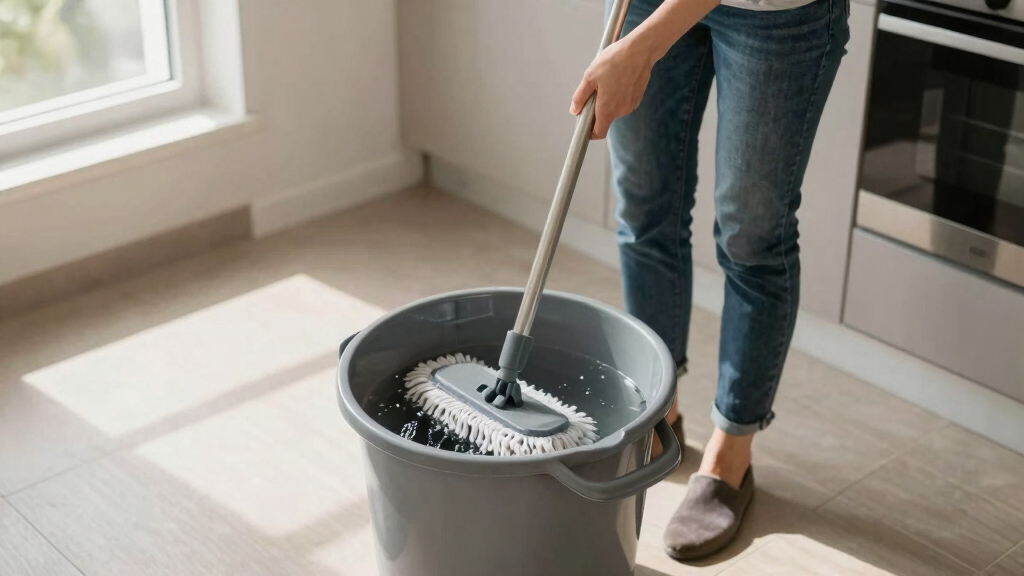
When you mop, dirt, dust, hair, and organic matter latch onto your mop. As you scrub, these particles are released into the water, making it darken within minutes. Heavy foot traffic, pet hair, and textured floors like tile or grout trap more debris, speeding up the process. For example, after cleaning a busy kitchen floor, you might notice the water is nearly black after just one pass.
This isn’t just cosmetic. Dirty water breeds bacteria and mold, which can cause health issues. The key is understanding how much dirt your floors accumulate and how your cleaning habits influence water clarity.
Failing to change water frequently can lead to a cycle where bacteria multiply in the dirty water, increasing the risk of spreading germs back onto your clean floors. Additionally, deep-seated debris can scratch surfaces or leave residues if not properly removed, leading to dullness or damage over time. Recognizing the importance of water quality helps you weigh the tradeoff between thorough cleaning and the effort needed to maintain clean water—sometimes, more frequent changes are a small price for a healthier environment and better-looking floors.
microfiber mop for hardwood floors
As an affiliate, we earn on qualifying purchases.
As an affiliate, we earn on qualifying purchases.
Why some mops make the problem worse (and how to fix it)
Different mop types affect how quickly water gets dirty. Cotton mops might release dirt easily, but they also trap it within fibers, spreading grime if not rinsed properly. Microfiber mops are better at trapping dirt but need thorough rinsing to prevent dirt redistribution. Sponge mops can hold a lot of debris, but if used improperly, they can turn water black fast.
This means that choosing the right mop isn’t just about convenience; it directly impacts your cleaning efficiency and hygiene. A mop that traps dirt effectively reduces the frequency of water changes needed, but if it’s not rinsed properly, it can become a source of bacteria and residues, defeating the purpose. Conversely, poorly maintained mops can accelerate water darkening and introduce cross-contamination.
To keep water cleaner longer, consider these tips:
- Switch to microfiber mops for better dirt pickup.
- Rinse and wring out your mop thoroughly after each pass to remove trapped debris and bacteria.
- Use a clean bucket and change water frequently—every 2-3 buckets or more in high-traffic areas—to prevent bacteria buildup and maintain hygiene.
Investing in the right mop and maintaining it properly is a tradeoff that pays off in cleaner floors and less time spent changing water or re-cleaning spots. Proper technique and equipment choice can significantly impact your overall cleaning effectiveness and health safety.
As an affiliate, we earn on qualifying purchases.
The role of flooring and dirt type in water darkening
Porous floors like tile, grout, or textured surfaces tend to trap more dirt, which gets released during mopping. Organic matter, grease, pet hair—these all contribute to darker water quickly. For instance, a living room with lots of pet fur can turn mop water black in just a few swipes.
Understanding your floor type helps you choose the right cleaning method and frequency. Regular sweeping reduces initial dirt load, making mopping easier and water stay cleaner longer. If you neglect this step, you risk pushing more debris into your mop water, which accelerates its darkening and can embed dirt deeper into porous surfaces, making future cleaning more difficult. Recognizing the specific needs of your flooring surfaces allows you to tailor your cleaning approach, minimizing dirt accumulation and prolonging water clarity. This strategic cleaning reduces the overall effort and preserves the integrity of your floors over time.
As an affiliate, we earn on qualifying purchases.
How to keep your mop water clear longer in 3 simple steps
- Change your water often—every 2-3 buckets or when it looks murky to prevent bacteria buildup and maintain cleaning efficacy.
- Use hot, clean water to boost cleaning power and slow dirt buildup, as higher temperatures help dissolve grease and organic residues more effectively.
- Rinse your mop thoroughly after each use and let it dry completely to prevent mold and bacteria growth. Proper drying also helps maintain the mop’s absorbency and longevity.
Imagine mopping a muddy porch—you wouldn’t keep dipping your mop into the same dirty water all day. The same rule applies indoors. Fresh water and proper mop care make a big difference, not only in appearance but also in preventing health hazards caused by bacteria and mold. Consistently maintaining water quality and equipment hygiene ensures a healthier environment and more efficient cleaning process.
floor cleaning mop with replaceable head
As an affiliate, we earn on qualifying purchases.
As an affiliate, we earn on qualifying purchases.
Frequently Asked Questions
Why does my mop water turn black so quickly?
It happens because your mop picks up dirt, dust, and organic matter that quickly accumulate in the water. Heavy foot traffic and textured floors trap more debris, speeding up the darkening process.How often should I change my mop water?
Aim to change your water every 2-3 buckets or whenever it looks murky. In high-traffic areas, more frequent changes improve cleaning and hygiene.Can I reuse mop water, or should I always start fresh?
Reusing mop water isn’t recommended once it gets murky. Dirty water spreads dirt and bacteria, so starting with fresh, clean water each time is best for effective cleaning.What mop type helps prevent water from turning black quickly?
Microfiber mops are best at trapping dirt and staying cleaner longer. Proper rinsing and frequent water changes further improve their performance.How can I keep my mop water cleaner for longer?
Use hot water, rinse and wring the mop thoroughly after each use, and change the water frequently. Sweeping or vacuuming floors first also reduces initial dirt load.Conclusion
Your mop water turning black so fast isn’t a mystery—it’s a sign you’re picking up a lot of dirt. Regular water changes, better tools, and smarter techniques turn this common problem into a simple fix. Think of your cleaning routine as a race against dirt—keeping your water fresh keeps you ahead. Next time you mop, remember: fresh water isn’t just about appearance. It’s about health, hygiene, and truly spotless floors. Make it a habit, and your floors will thank you with every clean sweep.Halloween Picks
halloween
As an affiliate, we earn on qualifying purchases.