TL;DR

Get cleaning gear delivered free with Prime
- Fast, free delivery on millions of items
- Prime Video, Amazon Music and more included
- Member-only deals all year
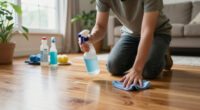
Green cleaning doesn’t have to cost more. Start by using up what you already own, stick to water and soap for many chores, and reuse tools. Small changes save money and reduce environmental impact.
Every dollar spent on fancy cleaning products adds up. But what if you could keep your home spotless without spending extra? Green cleaning isn’t about buying the newest eco-labels. It’s about using what you already have, limiting waste, and sticking to simple, effective routines.
Think of your cleaning routine as a garden: the healthier it is, the less you need to tend to it with chemicals and waste. This guide is packed with practical tips to help you cut costs while making your home safer, cleaner, and greener. Ready to transform your cleaning habits without the added expense? Let’s get started.
Start by using what you already own—no need to buy special cleaners for every task.
Water, soap, and cloths can handle most daily cleaning chores effectively.
Using less product and reusing cloths reduces waste and saves money.
Disinfect only when necessary, following label instructions carefully.
Avoid mixing cleaners or DIY recipes that can be unsafe or ineffective.
How to Green-Clean Without Spending More Money
Green cleaning isn’t about buying the newest eco-labels. It’s about using what you already have, limiting waste, and sticking to simple, effective routines. Most household cleaning can be done with less product and more common sense.
Think of your cleaning routine as a garden: the healthier it is, the less you need to tend to it with chemicals and waste.
Key InsightStart With What’s Already in Your Closet and Kitchen
The best green-cleaning hack costs nothing: use up what you already own before buying anything new. Old T-shirts, reusable cloths, and simple ingredients handle most chores without waste or extra expense.
Old T-shirts & Cloths
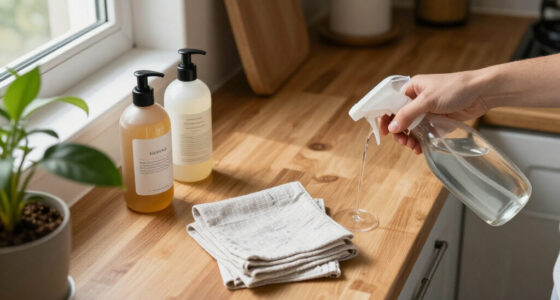
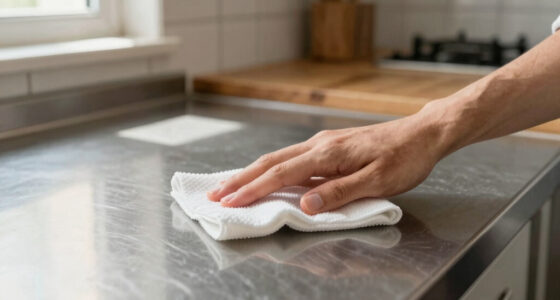
An old cotton T-shirt works as well as a paper towel — no waste, no extra cost. A damp microfiber cloth wipes down a greasy stovetop easily.
Water, Soap, Elbow Grease
Warm water, a tiny drop of dish soap, and a washable cloth handle most everyday messes — like a Swiss Army knife for your house.
Just the Right Amount
More cleaner isn’t better. Overdosing wastes money, leaves residue, and can damage surfaces like natural stone or wood finishes.
Where the Savings Actually Come From
The better-supported practical case: you spend less by reducing waste, avoiding unnecessary products, and using only what each task requires — not by buying a new collection of “eco” supplies.
Routine cleaning is enough for ordinary upkeep — disinfect only for specific needs like illness or label/public-health guidance.
Cut Down Dirt Before It Becomes Cleaning
Prevention saves time and money. Your entryway is a dirt gatekeeper — a little effort upfront means less scrubbing, fewer products, and longer-lasting surfaces.
Shoes off at the door
Doormats and a shoes-off routine keep tracked-in dirt out, meaning less frequent deep cleaning.
Quick spill cleanup
Wipe spilled coffee immediately — no stains, no harsh scrubbing, no specialty products later.
Good ventilation
Fresh air reduces moisture, dust, and allergens before they accumulate indoors.
Wash & reuse tools
Hot-water washing keeps cloths hygienic — fewer store trips, less plastic and packaging waste.
Bleach + Ammonia or Vinegar = Dangerous Gases
Mixing products can release toxic fumes. Use one product at a time and follow its label. Treat DIY recipes cautiously: vinegar, baking soda, and household ingredients have limited uses — vinegar can damage natural stone, grout, and some finishes, and none are dependable disinfectants.
Choosing Products Wisely When You Do Buy
When it’s time to replace supplies, compare cost per use — not bottle price. Look for ingredient transparency, clear directions, and credible third-party certifications. A vague “eco-friendly” label is less useful than a specific, verifiable claim.
| Option | Upfront Cost | Cost Per Use | Waste & Packaging | Best For |
|---|---|---|---|---|
| Water + soap + reusable cloth | ✓ Near zero | ✓ Lowest | ✓ Minimal | ~80% of everyday messes |
| Concentrated refillable spray | ~ Higher upfront | ✓ Low over time | ✓ Less packaging | Buying new; long-term value |
| Certified green cleaner | ~ Mid-range | ~ Varies | ~ Check label claims | Targeted, labeled tasks |
| Disposable wipes & paper towels | ✗ Add up fast | ✗ Highest | ✗ High waste | Occasional convenience only |
| DIY vinegar / baking soda mixes | ✓ Cheap | ✓ Low | ~ Risky on some surfaces | Limited, simple tasks only |
Five Habits That Save Money and Waste
Use what you already own — no special cleaners needed for every task; switch gradually as products run out.
Water, soap, and cloths handle most daily cleaning chores effectively and safely.
Less product, more reuse — the right dose and washable tools cut waste and cost.
Disinfect only when necessary, following label contact-time and ventilation instructions.
Avoid risky mixtures and DIY recipes that can be unsafe, ineffective, or surface-damaging.
Remember: “natural” and “chemical-free” are marketing terms, not guarantees of safety — store cleaners securely, in original labeled containers.
Start with what’s already in your closet and kitchen
The best green-cleaning hack? Use up what you already own. Instead of rushing to buy special cleaners, look around your home. Old T-shirts, reusable cloths, and simple ingredients like water and soap can handle most chores. For example, a damp microfiber cloth can wipe down a greasy stovetop, while an old cotton T-shirt works just as well as a paper towel—no waste, no extra cost.
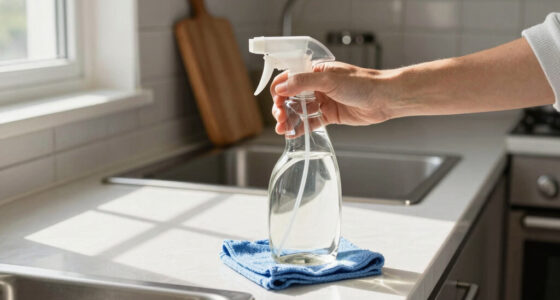
Imagine you’re cleaning the bathroom mirror. Spray a bit of water on the glass, wipe with an old T-shirt, and you’re done. No need for commercial spray, which might contain unnecessary chemicals. This approach reduces clutter and saves money over time. It’s also a way to minimize exposure to potentially harmful chemicals found in many commercial cleaners, which can cause skin irritation or respiratory issues over repeated use. By reusing what you already have, you’re making a conscious choice to reduce unnecessary waste and chemical exposure, contributing to a safer home environment.
Products Worth Considering

Shark AI Ultra Robot Vacuum with Matrix Clean Navigation, Self-Empty Base, HEPA Filtration, Pet Hair Friendly, Wi‑Fi, Dark Grey

Dyson Airwrap i.d. Multi-Styler for Straight and Wavy Hair

Hisense E6SR Series 55-Inch 4K UHD Hi-QLED Roku Smart TV
As an affiliate, we earn on qualifying purchases.
Use water, soap, and a cloth for most chores
When it comes to everyday messes, simple is often best. Warm water, a tiny drop of dish soap, and a microfiber or cotton cloth can handle 80% of cleaning tasks. Think of it as a Swiss Army knife for your house. For example, wiping down kitchen counters or cleaning glass surfaces becomes quick and cheap.
Picture this: a sticky countertop after cooking. Dabbing it with a damp cloth and a bit of soap lifts the mess without harsh chemicals. This method is safe, effective, and saves you from buying multiple specialty cleaners. Moreover, relying on water and soap reduces your chemical footprint, which is better for your health and the environment. It also minimizes the risk of accidental chemical reactions or residues that could harm sensitive surfaces or your skin. By understanding that most common messes can be tackled with basic ingredients, you empower yourself to make smarter, less wasteful choices that support both health and sustainability.
Learn to use just the right amount of cleaner
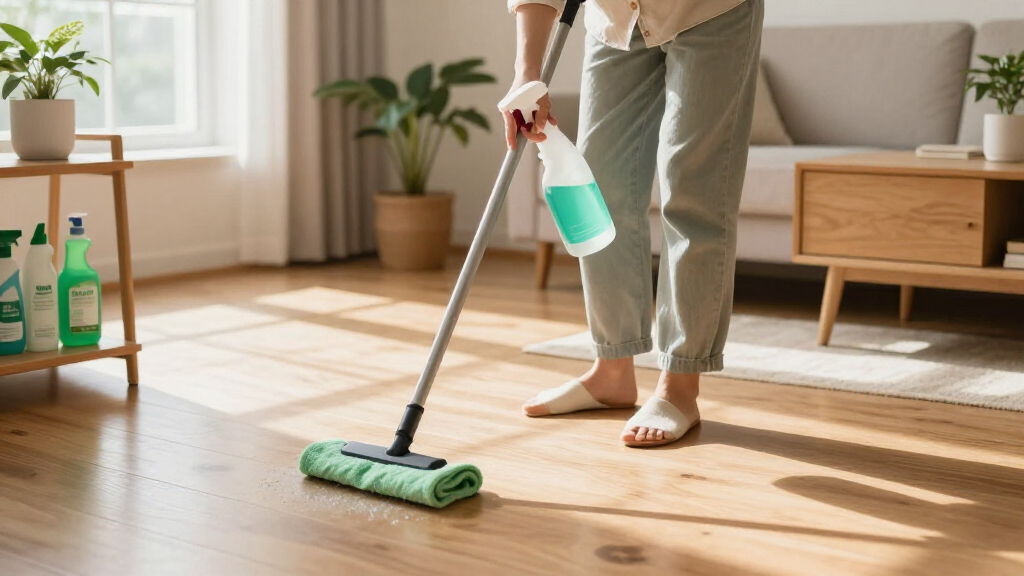
More cleaner isn’t better. Using excessive amounts wastes money, leaves residue, and can damage surfaces. Always follow label instructions. For instance, a teaspoon of dish soap diluted in a cup of water often does the trick for most surfaces. Overapplication of cleaning products often results in streaks, slippery surfaces, or surface degradation over time. This can lead to costly repairs or replacements, especially for delicate materials like natural stone or wood finishes. Additionally, applying too much cleaner can trap residues that attract dirt or cause skin irritation, especially for sensitive individuals. By using the right amount, you preserve the longevity of your surfaces, avoid unnecessary chemical buildup, and reduce your overall consumption—an important step towards a more sustainable and health-conscious home environment.
Think of it like seasoning food—more isn’t always tastier. Overdosing on cleaner can turn your kitchen into a slippery, soapy mess, increasing the risk of falls or accidents. Practicing moderation not only preserves the integrity of your surfaces but also minimizes your chemical exposure. This mindful approach encourages a more sustainable routine, reducing waste and ensuring your home remains a safe and healthy environment over the long term.
Reuse and wash your cleaning tools
Disposable wipes and paper towels seem convenient but add up in cost and waste. Instead, invest in washable cloths, old T-shirts, or reusable sponges. Wash them regularly in hot water to keep bacteria at bay. This simple switch can cut your paper towel use by 80% and significantly decrease your household waste. Reusing tools not only saves money but also helps reduce the environmental footprint associated with manufacturing and disposing of single-use products. Over time, the repeated use and proper maintenance of these tools prevent the buildup of bacteria and grime, ensuring they remain effective while lessening your ecological impact. This practice encourages a mindset of durability and resourcefulness, fostering habits that benefit both your wallet and the planet in the long run.
Regularly washing your cloths prevents bacterial buildup, which is crucial for maintaining a hygienic home environment. Using durable, washable tools also means fewer trips to the store for replacements, reducing plastic waste and packaging. Over time, these habits cultivate a more sustainable cleaning routine that emphasizes longevity, cost savings, and environmental responsibility.
Cut down dirt and mess before cleaning
Prevention saves time and money. Establish routines like shoes-off at the door, quick spill cleanups, and good ventilation. For example, wiping up a spilled coffee immediately prevents stains and the need for harsh scrubbing later. Using doormats reduces tracked-in dirt, meaning less frequent deep cleaning. By controlling dirt at the source, you minimize the abrasive and chemical cleaning needed later, which can wear surfaces faster and require stronger cleaning agents. This proactive approach not only keeps your home cleaner but also extends the life of your furnishings and flooring. It reduces the amount of cleaning needed over time, saving you money, effort, and chemical use, while creating a healthier indoor environment by limiting dust and allergens that can accumulate with neglect.
Imagine your entryway as a dirt gatekeeper. Keeping it clean prevents mud from sneaking into your living space, making your cleaning routine lighter and less costly. When you actively reduce the amount of dirt brought inside, you decrease the frequency and intensity of cleaning efforts, which in turn lowers your use of cleaning products and energy. This strategy emphasizes that a little effort upfront in maintaining cleanliness can lead to significant savings and healthier living conditions over the long term.
Choose cleaning products wisely when you buy new
When it’s time to purchase new supplies, prioritize ingredient transparency, clear directions, and credible certifications. Comparing cost per use is essential because it helps you evaluate the true value of a product beyond the initial price. For example, a concentrated refillable spray may cost more upfront but lasts much longer, ultimately saving money and reducing packaging waste. Making informed choices involves reading labels carefully to understand what ingredients are in your cleaners. Transparent ingredient lists allow you to avoid unnecessary synthetic chemicals or fragrances that can cause allergies or irritations. Selecting products designed for efficiency—like concentrates or refillables—means you get more cleaning power for less waste, supporting a sustainable, health-conscious routine that aligns with your budget and values.
Investing in quality, eco-friendly options can be more cost-effective in the long run. Concentrates and refillable bottles reduce plastic waste and often have a lower cost per use, which benefits both your wallet and the environment. Moreover, choosing products with clear ingredient transparency empowers you to avoid potentially harmful chemicals, promoting a safer home and reducing your chemical footprint over time. These decisions are about balancing cost, safety, and environmental impact—making your cleaning routine smarter and more sustainable.
Disinfect only when it’s really needed
Routine cleaning is enough for most household chores. Disinfect only if someone is sick or a specific hazard exists. Overusing disinfectants can lead to the development of resistant bacteria, which are harder to eliminate and can pose health risks. Additionally, excessive disinfectant use can strip natural oils from surfaces, damage materials, or cause skin and respiratory irritation, especially with frequent or improper application. Properly timed disinfection ensures maximum effectiveness while minimizing unnecessary chemical exposure. For example, daily wiping of kitchen counters with soap and water suffices in most cases, reserving disinfectants for situations like illness outbreaks or cleaning high-touch areas after exposure to bodily fluids. This targeted approach not only preserves the disinfectant’s power but also reduces your home’s chemical load, supporting a healthier living environment.
Think of disinfecting as a potent spice—used sparingly, it enhances flavor; overused, it can overpower the dish or cause health issues. By only disinfecting when truly necessary, you maintain a balance between cleanliness and safety. This approach helps prevent bacteria from developing resistance, which is critical for long-term health and hygiene. It also reduces the risk of chemical irritation or damage to surfaces, contributing to a more sustainable and health-conscious cleaning routine.
Avoid dangerous mixtures and DIY recipes
Mixing cleaning products can be hazardous. Never combine bleach with ammonia or acids like vinegar, as these reactions produce toxic gases such as chlorine gas, which can cause respiratory issues or even poisoning. Using incompatible DIY recipes, like vinegar on natural stone surfaces, can cause lasting damage such as etching or discoloration, leading to costly repairs. While DIY cleaners like vinegar and baking soda are popular, they have limitations—vinegar can damage delicate surfaces and isn’t a broad-spectrum disinfectant, while baking soda is abrasive but not antimicrobial. Relying on such mixtures without understanding their properties can give a false sense of cleanliness and safety. Prioritizing proper product use and understanding the limitations of DIY solutions ensures you avoid accidental health hazards or surface damage. Always research and follow safety guidelines for each ingredient or product you use.
Understanding the chemistry behind DIY cleaners helps prevent accidental poisoning or surface etching. For example, vinegar is excellent for mineral deposits but can ruin marble and natural stone. Baking soda is mild and effective for scrubbing but doesn’t disinfect. Recognizing these distinctions ensures you choose the right tool for each job, maintaining both safety and effectiveness without unnecessary risks or waste.
Store cleaners safely and avoid risky habits
Keep cleaning supplies in their original containers, out of reach of children and pets, and store them in a secure, well-ventilated area. Using gloves and ensuring proper ventilation when cleaning minimizes exposure to fumes and splashes. For example, wearing gloves prevents skin irritation from harsh chemicals, and opening windows or using exhaust fans disperses fumes that can cause respiratory issues. Proper storage not only prevents accidental ingestion or poisoning but also preserves the integrity of the products, preventing leaks or degradation. Keeping labels intact ensures you always have access to safety instructions and ingredient information, which is critical in case of emergencies or for routine safe handling. This cautious approach is essential for maintaining a safe household environment and protecting vulnerable members of your family from potential chemical hazards.
Think of your cleaning supplies as a secret recipe—keeping it safe, visible only to you. Proper storage and handling are fundamental to responsible cleaning, reducing risks and supporting a healthy, hazard-free home. Implementing these safety measures ensures that your eco-conscious efforts do not come at the expense of safety for your loved ones.
Frequently Asked Questions
Can I clean green without buying special products?
Absolutely. Start with what you already own—water, soap, and reusable cloths. Many everyday messes require nothing more. Gradually, you can replace or supplement with eco-friendly options as existing supplies run out.
Are homemade cleaners as effective as store-bought ones?
For simple cleaning tasks, yes. A mixture of water and soap can handle most surfaces. However, for disinfection or heavy-duty cleaning, commercial products with proven ingredients may be necessary. Always match your cleaner to the task.
Does vinegar disinfect?
Vinegar has some antimicrobial properties but isn’t a reliable disinfectant for all germs. It’s best used for cleaning surfaces like glass or removing mineral deposits, not for disinfecting after illness or on natural stone surfaces.
Is microfiber better than paper towels?
Reusable microfiber cloths, when washed regularly, cut down on waste and are often more effective at trapping dirt and microbes. Their overall impact depends on laundering frequency and durability, but they generally cost less over time.
Are ‘natural’ cleaners safer?
Not necessarily. Any cleaner can cause irritation or harm if misused. Always read labels, store products safely, and ventilate spaces. Being informed about ingredients is key to safe green cleaning.
Conclusion
Green cleaning is less about spending more, and more about thinking smarter. You already have the tools and ingredients—use them well. Small changes, like reducing waste and sticking to simple routines, make a big difference for your wallet and the planet.
Next time you clean, remember: less is more. Less waste, fewer chemicals, and more mindful habits. Your home, your health, and your budget will thank you for it.