TL;DR
Removing burnt food without scrubbing is possible with soaking, natural acids like vinegar, or baking soda. These methods loosen residues gently, saving your pan and your energy. Natural solutions are safer, eco-friendly, and often just as effective as harsh scrubbers.
Soaking with baking soda and vinegar is often the most effective way to loosen burnt food without scratching your pan.
Natural acids like vinegar dissolve burnt-on residues better than harsh scrubbing or metal tools.
Prevention—using medium heat, liners, and prompt cleaning—saves you from tough cleanup later.
Different cookware types need tailored approaches—be gentle with non-stick surfaces.
Steam, soak, and fizz—simple household tricks can replace aggressive scrubbing and extend your pan’s lifespan.
Why Scrubbing Isn’t Your Only Option for Burnt Food
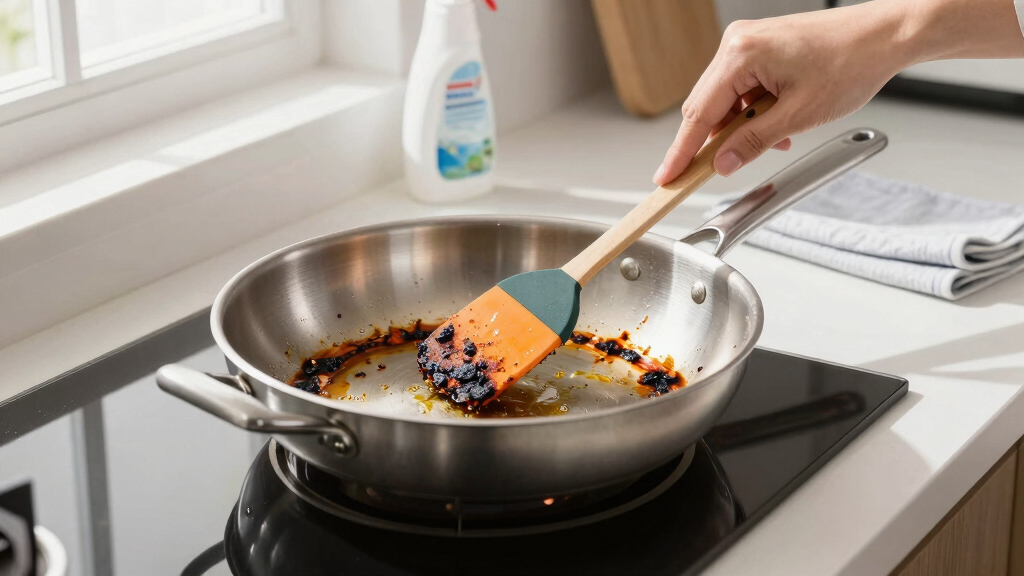
Scrubbing can scratch delicate surfaces and sometimes spreads burnt bits around, making things worse. Instead, soaking or natural acids can loosen burnt residues without damaging your pan. Imagine the burnt crust softening into a gooey mess you can wipe away easily—no scratching required.
For example, a cast iron skillet with stubborn burnt-on oil can often be cleaned simply by simmering water and salt, breaking down the char without harsh scrubbers. Knowing your pan type—non-stick, stainless, cast iron—helps you pick the safest, most effective method.
Understanding why scrubbing can be harmful is crucial. Metal scrubbers or harsh abrasive pads can scratch or strip away delicate coatings, especially on non-stick or ceramic pans. This not only damages the surface but can also introduce tiny scratches that trap more food particles and bacteria, making future cleaning harder. Opting for gentle soaking or natural acids preserves the integrity of your cookware, extending its lifespan and maintaining its appearance and performance. The tradeoff is that these methods might take a bit longer than vigorous scrubbing, but they’re safer and more sustainable in the long run.

Duzzit Amazing Baking Soda Natural Cleaner, Multi-Purpose Household, 350g
VERSATILE CLEANER: Natural baking soda formula effectively cleans multiple household surfaces and appliances with powerful cleaning action
As an affiliate, we earn on qualifying purchases.
As an affiliate, we earn on qualifying purchases.
How to Loosen Burnt Food with Just Water and Household Items
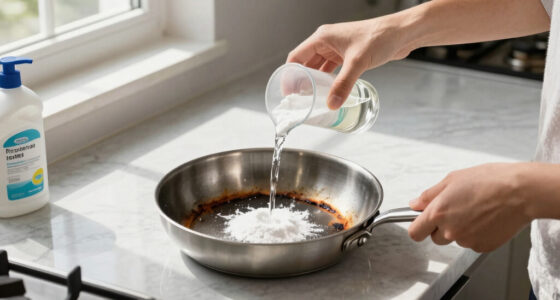
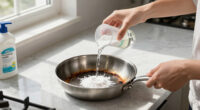
- Fill the pan with hot water, enough to cover the burnt area. Hot water helps to soften the burnt residues by breaking down the dried-on food and grease, making them easier to remove. The heat also increases the chemical activity of cleaning agents like baking soda and vinegar, speeding up the process.
- Add a few tablespoons of baking soda or a splash of vinegar. Baking soda’s mild abrasiveness reacts with acids to create fizzing action that lifts burnt particles, which helps break down stubborn residues. Vinegar’s acidity dissolves mineral deposits, grease, and carbonized food, softening the crust and making it easier to wipe away. Both ingredients work by chemically altering the residues, which is gentler and more effective than scraping, especially on delicate surfaces.
- Bring to a boil and let it simmer for 10-15 minutes. The boiling process intensifies the chemical reactions, further softening the burnt crust and loosening it from the pan’s surface. This step is crucial because it allows the acids and alkalines to penetrate deeply, breaking bonds within the charred material. The longer you simmer, the more the burnt layer disintegrates, reducing the need for aggressive scrubbing that could scratch or damage your cookware.
- Turn off the heat and let it cool slightly, then wipe away the loosened burnt bits with a soft cloth or sponge. The residues should come off more easily, minimizing the risk of scratching or damaging the surface. This method ensures the burnt particles are softened enough to be removed gently, preserving the integrity of your pan. In my own kitchen, this approach turned a stubborn pancake burn onto my non-stick pan into a wipeable surface in under 20 minutes, saving me from harsh scrubbing and potential damage.
This simple trick relies on the chemical reactions—baking soda’s mild abrasiveness and vinegar’s acidity—working together to loosen burnt residues. This not only makes cleaning easier but also preserves the integrity of your cookware, especially important for non-stick or coated surfaces. Using these household items thoughtfully can save you money and extend the lifespan of your pans, avoiding the need for costly replacements caused by abrasive damage.

Scotch-Brite Non-Scratch Scour Pads, Scouring Pads for Kitchen and Dish Cleaning, 3 Pads
THREE SCOURING PADS: This pack of Scotch-Brite Zero Scratch Scour Pads includes three scrub pads for dishes
As an affiliate, we earn on qualifying purchases.
As an affiliate, we earn on qualifying purchases.
Compare Natural Solutions for Burnt Food Removal
| Method | Best For | Pros | Cons |
|---|---|---|---|
| Vinegar & Baking Soda | Stainless steel, ceramic | Natural, inexpensive, effective at breaking down burnt residues through chemical reaction, and gentle on cookware when used properly | Less effective on very thick, greasy, or heavily burnt-on layers; may require multiple applications for stubborn stains |
| Boiling Water & Salt | Cast iron, stainless steel | Simple, safe, chemical-free, and helps loosen burnt food through heat and abrasion | Limited effectiveness on heavy, baked-on grease or char; may need repeated treatments |
| Dishwasher Tablet Soak | Non-stick, coated pans | Convenient and chemical-free, as the tablets contain surfactants and cleaning agents that help lift residues | Potential damage if used improperly; may degrade delicate coatings or leave residues if not rinsed thoroughly |
| Lemon & Salt | Light burns, quick touch-ups | Fresh scent, gentle, natural acid and abrasive action helps brighten and clean | Less effective on heavy burns or thick residues; best for minor stains |
Choosing the right method depends on your cookware type and the severity of the burn. For example, vinegar and baking soda are versatile and gentle, making them suitable for delicate surfaces like ceramic or non-stick pans, but they might struggle with stubborn grease. Conversely, boiling water with salt can be very effective on cast iron or stainless steel, where gentle abrasiveness and heat can loosen burnt bits without damaging the surface. Understanding these tradeoffs helps you select the most appropriate natural solution, ensuring effective cleaning without risking damage or compromising your cookware’s lifespan.

CARON & DOUCET – New Ultimate Cast Iron Set: Seasoning Oil, Cleaning Soap & Restoring Scrub | 100% Plant-Based & Best for Cleaning Care, Washing, Restoring & Seasoning Skillets, Pans & Grills!
RESTORES & RESEASONS | Includes our Cast Iron Scrub designed to restore & remove stubborn rust spots. Helps…
As an affiliate, we earn on qualifying purchases.
As an affiliate, we earn on qualifying purchases.
Prevent Future Burnt Food Messes — Easy Tips You Can Use
- Use medium heat—high heat increases chances of burning and sticking. This allows food to cook evenly and reduces the risk of burnt patches that are hard to clean.
- Stay nearby when cooking, especially with sugary or starchy foods. Immediate attention prevents food from sticking and burning beyond easy cleanup.
- Line pans with parchment paper or use non-stick sprays to prevent sticking. These barriers make removal easier and protect the surface from damage caused by scraping or harsh cleaning.
- Clean your pan promptly after cooking—burnt food is easier to remove when fresh. Waiting too long allows residues to set and become more difficult to clean, often requiring more aggressive methods.
For instance, I once left a sauce simmering on high. The next morning, a crusty layer was stuck all over my stainless steel pan. But if I had used a liner or cleaned it immediately, the cleanup would have been a breeze. Prevention is always better than cure, especially when it saves time and preserves your cookware’s condition.

DEBETOOL 6 Piece Bamboo Dish Brush Set with Coconut Sponge – Wooden Dish Brush with Sisal and Palm Fiber, Natural Bamboo Dish Scrub Brush for Kitchen Cleaning Dishes, Pots, Pans, Bottles, Vegetables
COMPLETE KITCHEN CLEANING SET: This bamboo wooden dish brush set includes a long-handled dish brush, 2 short-handled pot…
As an affiliate, we earn on qualifying purchases.
As an affiliate, we earn on qualifying purchases.
Quick Tips for Getting Burnt Food Off Without Scrubbing
- Use a mixture of vinegar and baking soda—let it sit and fizz away the burnt crust. The fizzing reaction helps lift stubborn residues without damaging your pan. This reaction is especially effective because it creates a bubbling action that penetrates burnt layers, loosening them from the surface, and reducing the need for aggressive scraping or scratching.
- Simmer water with salt or baking soda—then wipe clean. The combination of heat and mild abrasive action softens and loosens the burnt material, making removal easier. This method works because heat helps to break bonds in the burnt residues, while the salt or baking soda provides a gentle scrubbing effect that doesn’t damage delicate surfaces.
- Place a dishwasher tablet in hot water, soak overnight, then wipe. The cleaning agents and surfactants in the tablet help break down burnt-on food. This method is particularly useful for stubborn stains because it combines chemical action with soaking, providing a gentle yet effective cleaning process.
- Try steaming the pan—pour water and heat until steam loosens debris. The steam penetrates burnt residues, softening them for easy removal with a cloth or sponge. This approach is especially helpful for delicate coatings, as it avoids harsh chemicals and scrubbing, relying instead on heat and moisture to loosen the burnt food.
Once, I placed a dishwasher tablet in my burnt-on skillet overnight. The next morning, a gentle wipe was enough to clear the crust, with no scratches or harsh scrubbing. These simple tricks can save you time and protect your cookware, especially when dealing with stubborn burns. Choosing the right method depends on the severity of the burn and the type of cookware you have, but all these tips help you avoid damage while effectively cleaning your pan.