TL;DR

Get cleaning gear delivered free — and shop member deals
- Fast, free delivery on millions of items
- Access to Prime Big Deal Days deals on October 6–7
- Prime Video, Amazon Music and more included
Sanitizing kitchen counters without bleach is doable using natural options like vinegar, hydrogen peroxide, and alcohol-based solutions. Proper technique, contact time, and regular cleaning are key to effective disinfection.
Hydrogen peroxide at 3% is an effective, safe disinfectant when left on surfaces for at least one minute.
Always clean thoroughly before disinfecting to maximize germ-killing power.
Natural disinfectants like vinegar and alcohol can be part of your routine, but they require proper contact time and application.
Safety first: test new solutions, use gloves, ventilate, and keep chemicals out of reach of children.
Regular disinfection with safe products reduces the risk of foodborne illness and cross-contamination.
What Makes a Good Non-Bleach Disinfectant for Your Kitchen?
Choosing the right natural disinfectant starts with understanding how each works. Vinegar, hydrogen peroxide, and alcohol-based solutions are common options. These ingredients can kill many germs, but their effectiveness depends on proper use. For example, hydrogen peroxide at 3% is proven to be effective against bacteria and viruses when applied correctly.
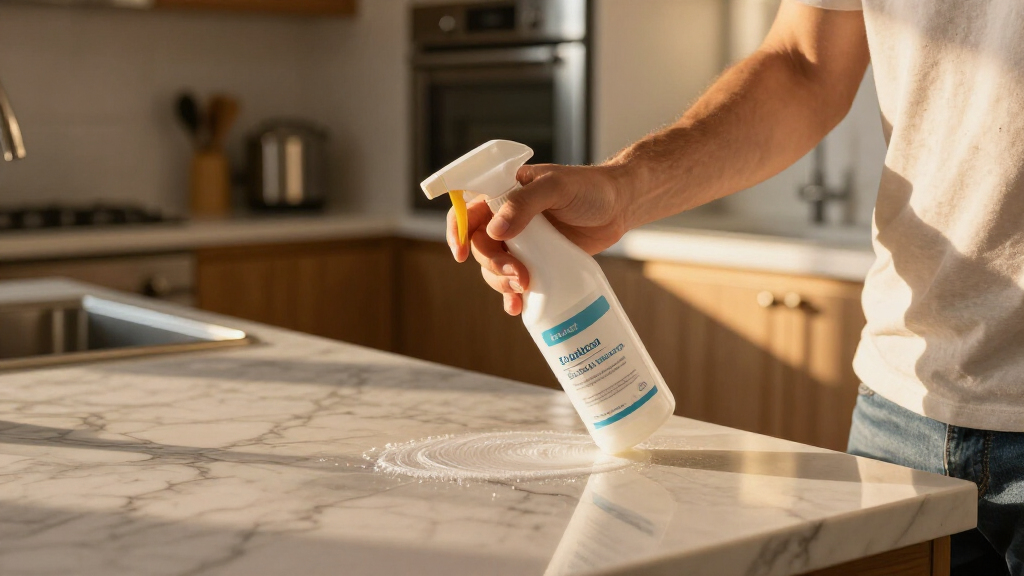
Imagine spritzing your countertop with hydrogen peroxide and waiting a minute—this contact time is crucial for germ-killing power. Vinegar, with its acetic acid, can reduce bacteria, but it’s less effective against viruses. Alcohol solutions at least 70% are fast-acting and broad-spectrum, making them a favorite for quick, safe disinfection.
Understanding why contact time matters is key: many disinfectants are only effective if they stay on the surface long enough to break down the germs’ protective structures. Rushing this process or using insufficient amounts can leave your surfaces contaminated. Moreover, some disinfectants like vinegar are less effective against certain viruses and spores, which require stronger or longer contact times. Recognizing these nuances helps you choose the right product for each cleaning task, ensuring maximum safety without unnecessary chemical exposure.
natural disinfectant spray for kitchen counters
As an affiliate, we earn on qualifying purchases.
As an affiliate, we earn on qualifying purchases.
How to Use Natural Disinfectants in 4 Easy Steps
- Start with a clean surface—wipe away crumbs and grime with soap and hot water. This step is vital because organic matter can shield germs from disinfectants, reducing their effectiveness. Proper cleaning removes debris that could dilute or block disinfectant action, making subsequent disinfection more effective.
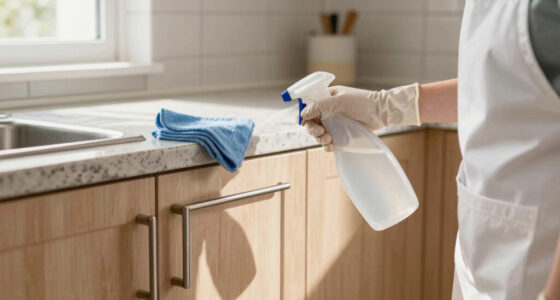
- Spray or wipe down the surface with your chosen disinfectant—hydrogen peroxide, vinegar, or alcohol. Applying the correct amount ensures sufficient coverage, which is necessary for germs to be exposed to the disinfectant’s active ingredients.
- Allow the disinfectant to sit for the recommended contact time—usually 1 minute for hydrogen peroxide and alcohol. This pause is critical: disinfectants need time to penetrate and deactivate the microorganisms’ protective layers. Skipping this step or rushing it can significantly decrease germ-killing efficacy, leaving behind a potential risk.
- Finally, wipe with a clean, dry cloth to remove excess and prevent streaks. This not only improves appearance but also ensures no residual disinfectant remains that could cause surface damage or irritation. Proper drying also helps maintain the longevity of your surfaces and keeps your kitchen looking fresh.
For instance, after preparing raw chicken, you might spray hydrogen peroxide, wait a minute to allow sufficient contact time, then wipe dry. This process ensures germs are effectively neutralized while avoiding harsh chemicals, providing peace of mind for everyday kitchen use.
hydrogen peroxide 3% for surface disinfection
As an affiliate, we earn on qualifying purchases.
As an affiliate, we earn on qualifying purchases.
Compare Natural Disinfectants: Vinegar, Hydrogen Peroxide, Alcohol
| Disinfectant | Effectiveness | Usage Tips | Limitations |
|---|---|---|---|
| Vinegar | Moderate against bacteria; weak against viruses | Spray and let sit for 5 minutes for routine cleaning. Longer contact enhances efficacy, especially against bacteria that form biofilms or have protective layers. | Less effective on certain viruses and spores; not suitable for all surfaces, especially natural stone which can be etched by acid. |
| Hydrogen Peroxide (3%) | Broad-spectrum; kills bacteria and viruses | Spray, leave for 1 minute, then wipe. For stubborn germs, repeat or increase contact time, but avoid prolonged exposure to prevent surface discoloration. | Can discolor or damage some surfaces if left too long; always test first. |
| Alcohol (70%) | Fast-acting; effective against many germs | Apply directly; let evaporate naturally. Using enough to cover the surface thoroughly ensures rapid action. | Flammable; not suitable for all surfaces, especially plastics or painted surfaces that may degrade. |
Understanding these nuances helps you tailor your cleaning routine. For example, vinegar is excellent for daily cleaning of sealed surfaces but may not be reliable against certain viruses, so supplementing with hydrogen peroxide or alcohol when needed offers a more comprehensive defense. Recognizing limitations allows you to avoid ineffective treatments and choose the safest, most effective disinfectant for each situation, ensuring your kitchen remains both clean and safe.
eco-friendly kitchen countertop cleaner
As an affiliate, we earn on qualifying purchases.
As an affiliate, we earn on qualifying purchases.
Frequently Asked Questions
Is vinegar safe for all countertops?
Most countertops tolerate vinegar well, but it can etch natural stone like marble or granite. Always test a small hidden area first and consider a pH-neutral cleaner for delicate surfaces.How often should I disinfect my kitchen counters?
Aim to disinfect after preparing raw foods, spills, or when surfaces look dirty. For high-use areas, a daily routine can help prevent bacteria buildup.Can I mix vinegar and hydrogen peroxide for better disinfection?
It’s best not to mix them directly, as they can react and lose effectiveness. Use each separately, allowing the surface to dry between applications.Are natural disinfectants as effective as bleach?
They can be, if used correctly with proper contact times. However, bleach remains the most broad-spectrum disinfectant. Natural options are safer and suitable for daily use.What’s the best way to store these disinfectants?
Store hydrogen peroxide in a dark, opaque bottle; keep alcohol solutions in a cool, ventilated space; vinegar can be kept at room temperature. Always label clearly and keep out of reach.alcohol-based surface sanitizer 70%
As an affiliate, we earn on qualifying purchases.
As an affiliate, we earn on qualifying purchases.
Conclusion
You don’t need bleach to keep your kitchen safe. With simple, natural solutions and a consistent routine, your counters can stay sparkling clean and germ-free. Think of it as giving your kitchen a gentle, effective shield—every day, without the harsh chemicals.Next time you wipe down your surfaces, remember: a quick, proper disinfect can make all the difference in your home’s health—and peace of mind.
Fall Picks
fall essentials
As an affiliate, we earn on qualifying purchases.