
TL;DR
Listen free for 30 days with Audible
Thousands of audiobooks and originals — cancel anytime.
Start your free trialAs an affiliate, we earn on qualifying purchases.
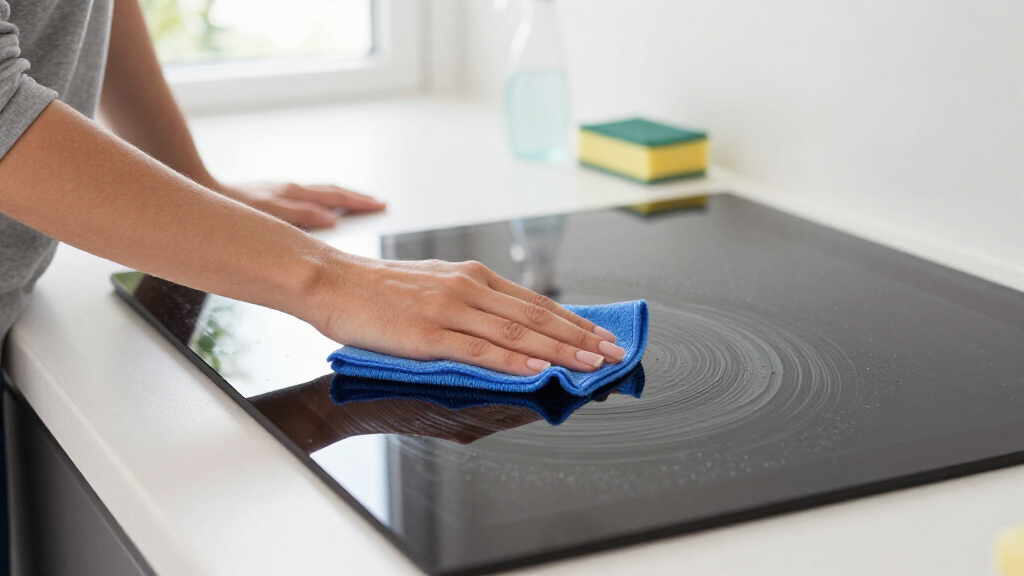
The best way to clean a glass stovetop is to avoid abrasives, use a razor scraper for burnt-on residue, and follow a gentle cleaning routine with baking soda and vinegar. Regular maintenance prevents stubborn stains and damage, keeping your cooktop pristine.
If you’ve ever tried to scrub your glass stovetop and ended up with scratches or stubborn stains, you’re not alone. Many home cooks struggle with the delicate balance of cleaning deeply without damaging that sleek, shiny surface. The secret lies in knowing what to avoid—and what tools and techniques actually work.
This guide walks you through the proven, safe way to keep your glass cooktop spotless. Whether you’re dealing with burnt-on spills, greasy haze, or water mineral deposits, you’ll learn how to restore its clarity without risking scratches or weakening the surface. Ready to make your stovetop look brand new? Let’s get started.
Never use abrasives like steel wool or harsh powders on your glass cooktop. They cause permanent scratches and weaken the surface.
A razor blade at a low angle, used carefully and wetted, is the safest way to remove burnt-on residue without damage.
Use a simple routine: cool surface, scrape with a blade, apply a gentle cleaner or baking soda paste, cover with a warm towel, then wipe and buff.
Address hardened spills like sugar or plastic while still warm—waiting for cool can cause pitting and permanent damage.
Regularly wipe spills immediately, lift pots instead of sliding, and avoid placing hot lids face-down to keep your surface pristine.
Kitchen Care · Appliance Guide
The Right Way to Clean a Glass Stovetop
Scratches are the #1 cause of cooktop replacement — and most of them come from cleaning, not cooking. The safe method is simpler than you think: skip the abrasives, trust the razor scraper, and let baking soda, vinegar, and a warm towel do the heavy lifting.
Key Insight
“A razor blade at a low angle on a wet surface is a manufacturer-endorsed method that removes burnt-on residue without scratching the glass-ceramic.”
Endorsed by GE, Whirlpool & Frigidaire care guides.
45°
Optimal blade angle
10–15
Min hot-towel soak
0
Abrasives allowed. Ever.
#1
Cause of replacement: scratches
4
Tools in the core kit
6
Steps to a streak-free shine
The Essential Toolkit
Four Tools. Zero Scratches.
Your kit doesn’t need to be fancy or expensive — it needs to be gentle. Each tool is chosen to clean deeply while preserving the strength of the glass-ceramic surface.
Removal
Razor-Blade Scraper
Purpose-made for cooktops. Lifts burnt-on residue precisely — keep the blade sharp, the surface wet, and the angle low.
Clean + Protect
Cooktop Cream
Dedicated cleaners (Cerama Bryte, Weiman, Affresh) dissolve grease and minerals, then leave a protective polish film.
DIY Duo
Baking Soda + Vinegar
The pantry pair behind every viral #CleanTok method: soda gently loosens grime, vinegar dissolves mineral haze and grease.
Finish
Microfiber Cloths
Soft, non-abrasive, and reusable. They lift residue without scratching and buff to a streak-free, showroom finish.
Your stovetop is glass-ceramic (e.g., Schott Ceran) — engineered for extreme, rapid temperature swings, but vulnerable to scratching, impact, and thermal shock. Same surface, same rules for radiant electric and induction.
The Golden Rule
Safe vs. Harmful: What Touches the Glass
Steel wool, scouring pads, and powdered cleansers leave permanent micro-scratches that trap grime, deepen over time, and weaken the surface until it cracks. Here’s the verdict on every common tool.
| Tool / Method | Verdict | Why |
|---|---|---|
| Razor scraper (wet, 45°) | ✓ Safe | Manufacturer-endorsed. Glides over lubricated glass and lifts burnt-on food without gouging. |
| Cooktop cream / polish | ✓ Safe | Formulated for glass-ceramic; cleans and deposits a protective layer that resists future bonding. |
| Baking soda paste + vinegar | ✓ Safe | Mildly abrasive soda is soft enough for glass; vinegar dissolves mineral deposits and haze. |
| Melamine sponge (Magic Eraser) | ~ Caution | Popular and effective — but mildly abrasive. Some manufacturers advise against regular use. |
| Ammonia glass cleaner (Windex) | ~ Caution | Fine for fingerprints only. Too harsh as a primary cleaner; can streak and leave residue that bakes on. |
| Steel wool | ✗ Never | Carves permanent scratches that weaken the glass-ceramic and invite cracks over time. |
| Powdered cleansers (Ajax, Comet) | ✗ Never | Abrasive grit etches the surface; scratches become dirt traps that worsen with every clean. |
| Abrasive scouring pads | ✗ Never | The rough face dulls the finish and creates bonding points where residue grips more stubbornly. |
The Standard Method
The Six-Step Safe Clean
The routine nearly every manufacturer guide converges on. Patience and gentle handling — not force — are what protect the glass.
1
Cool Completely
Never clean hot glass — cleaner can bake on, and thermal shock risks warping or cracks.
2
Scrape at 45°
Glide the razor scraper over a wet, soapy surface. Light pressure, sharp blade, steady hand.
3
Apply Cleaner
A few drops of cooktop cream, or a paste of baking soda and water, spread over the grime.
4
Hot Towel Soak
Lay a warm, damp towel over the paste for 10–15 minutes to soften caramelized residue.
5
Wipe + Vinegar
Wipe with microfiber, then spritz vinegar to dissolve mineral haze and leftover film.
6
Buff Dry
A dry microfiber pass restores the streak-free, glossy clarity of a brand-new cooktop.
Each step replaces force with chemistry and time: the towel softens, the soda lifts, the vinegar dissolves. You never need to scrub hard — and that’s exactly why the surface survives.
Emergencies & Mysteries
Act Fast on Sugar — Decode the Haze
Melted Sugar or Plastic
The one exception to the “wait until cool” rule. If sugar or plastic hardens, it can pit the glass — permanent damage, not a stain. Move while it’s still warm.
- Put on an oven mitt for grip and heat protection.
- Scrape gently while warm — razor flat, surface lubricated.
- Follow with baking soda paste + warm towel for residue.
- Never force a hardened patch: pitting and micro-cracks follow.
What Those Marks Really Mean
Cloudy white haze
Mineral deposits from hard water or unrinsed cleaner. Fix: vinegar spritz.
Grey metallic streaks
Pan marks from aluminum or copper bottoms — they look like scratches but aren’t. Fix: cooktop cream, buff.
Rainbow oily sheen
A thin grease film sitting on the polish. Fix: degrease, don’t add more polish.
Know Your Risk
Abrasiveness Index & the 45° Rule
Relative scratch risk by cleaning tool (0 = none, 100 = severe). Everything left of melamine belongs in your kit; everything red belongs in the trash.
The Blade-Angle Sweet Spot
Hold the scraper low and flat. Too steep digs the corner in; too flat won’t lift the residue.
Prevention Is Half the Battle
Five Daily Habits of a Pristine Cooktop
💧
Wipe Spills Promptly
Fresh spills lift in seconds; baked-on spills take twenty minutes.
🍳
Clean Pan Bottoms
Dirty, wet pan bottoms bake directly onto the glass.
⬆️
Lift, Don’t Slide
Especially cast iron — sliding is the classic scratch-maker.
📏
Flat, Right-Sized Pans
Flat-bottomed cookware matched to the burner heats evenly and sits stable.
🚫
No Hot Lids Face-Down
They can suction-seal to the glass — and never use it as a countertop.
Why Avoid Abrasives? The Hidden Danger to Your Glass Cooktop
Most cleaning experts agree—never use abrasives on a glass stovetop. Steel wool, powdered cleansers like Ajax, or harsh scrubbing pads can leave permanent scratches. These scratches aren’t just cosmetic; they weaken the glass-ceramic and make it more prone to cracks or shattering. When the surface is scratched, it becomes a trap for dirt and grime, making future cleaning more difficult and increasing the risk of damage over time.
Imagine trying to erase a stubborn burn mark with steel wool. The surface might look cleaner temporarily, but those tiny scratches can deepen, trapping more grime and moisture, which can lead to discoloration or even cracks. The real trick? Use gentle tools designed for glass, which preserve the integrity of the surface and ensure longevity.
Research from appliance manufacturers confirms that scratches are the number-one cause of cooktop replacement. Protect your investment by sticking to soft cloths, non-abrasive pads, and specialized cleaners. This approach not only extends the lifespan of your stovetop but also maintains its aesthetic appeal, which can be costly to restore if damaged.
glass stovetop cleaning razor scraper
As an affiliate, we earn on qualifying purchases.
As an affiliate, we earn on qualifying purchases.
The Essential Toolkit for a Scratch-Free Shine
Your cleaning kit doesn’t need to be fancy or expensive. The key is selecting tools that are effective yet gentle enough to maintain the surface’s integrity. Using the right tools prevents accidental scratches that can compromise the glass’s strength and appearance.
- A razor-blade scraper, specifically made for glass cooktops, which allows precise removal of burnt-on residue without scratching, provided it’s used at the correct angle and with proper technique.
- A dedicated glass cooktop cleaner or polish (like Cerama Bryte or Weiman) that is formulated to dissolve grease and mineral deposits, helping to protect the surface while maintaining its shine.
- Baking soda and white vinegar, which work together as natural cleaning agents—baking soda gently abrades dirt, while vinegar dissolves mineral deposits and grease, reducing the need for harsher chemicals.
- Microfiber cloths or non-abrasive pads that lift dirt without scratching, ensuring a streak-free finish and preserving the glass’s smooth surface.
For example, after a family dinner, a quick swipe with a microfiber cloth and a gentle cleaner keeps the surface shining. A razor scraper is your secret weapon for stubborn, burnt-on bits—just be sure to keep the blade sharp, use it at a low angle, and never apply excessive pressure. This careful approach prevents damage while doing a thorough job.
This simple toolkit emphasizes safety, cost-effectiveness, and efficiency, allowing you to maintain a pristine cooktop without risking costly repairs or replacements.
As an affiliate, we earn on qualifying purchases.
Step-by-Step: How to Safely Clean Your Glass Stovetop
- Let the surface cool completely—never attempt to clean hot glass, as heat can cause warping or cracks when combined with cleaning agents or mechanical force.
- Use a razor blade at about a 45° angle to gently scrape off burnt-on food or sugar, working carefully and steadily. Applying too much pressure or using a dull blade can increase the risk of scratches or pitting. Always keep the surface wet or use soapy water to lubricate, which helps prevent scratching.
- Apply a few drops of glass cleaner or a paste of baking soda and water to the surface, which will help loosen grime and mineral deposits without harsh chemicals.
- Lay a warm, damp towel over the paste and leave it for 10–15 minutes. This step softens stubborn grime and caramelized residues, making removal easier and reducing the need for aggressive scraping.
- Wipe away the residue with a microfiber cloth, then spritz with vinegar to remove any streaks or haze. Vinegar’s acidity dissolves mineral deposits and grease, restoring clarity.
- Buff with a dry cloth for a streak-free, shiny finish that highlights the surface’s clarity and smoothness.
For example, after burning sugar, you might find a hardened caramel ring. Carefully scrape it while still warm, then follow with the baking soda and vinegar routine for a gleaming surface. This process emphasizes patience and gentle handling, which are essential for maintaining the integrity of the glass.
baking soda and vinegar cleaner for glass stove
As an affiliate, we earn on qualifying purchases.
As an affiliate, we earn on qualifying purchases.
Emergency Fix: How to Remove Burnt Sugar and Plastic Safely
If hot sugar or plastic cools and hardens, it becomes a tough, glassy patch that’s tempting to scrub aggressively. But this can cause pitting, micro-cracks, or even larger fractures if not handled carefully. Acting quickly while the spill is still warm is crucial because heat softens these residues, making them easier to remove without damaging the glass surface.
Use the razor blade with a steady, gentle touch, holding it flat and lubricated with soapy water or a cleaning spray. This prevents scratching and allows you to lift the hardened spill with minimal force. Wearing an oven mitt provides grip and protects your hand from accidental slips or residual heat. Once loosened, treat the area with a baking soda paste and a warm towel to lift the residue without applying aggressive scrubbing, which can cause pitting or micro-cracks.
This method prevents the hardened spill from becoming a permanent damage, saving you money and frustration. The key is patience, gentle handling, and understanding that forcing the removal can compromise the glass’s strength and longevity.
As an affiliate, we earn on qualifying purchases.
What Do Cloudy Haze and Grey Marks Really Mean?
Ever notice a white, cloudy film on your stovetop? That’s often mineral deposits from hard water or leftover cleaner residue that hasn’t been properly rinsed. These deposits can cause discoloration and reduce the clarity of the surface if not addressed, acting almost like a film that diminishes the visual appeal. Recognizing this haze is important because it guides you to use specific removal methods—like vinegar or specialized cleaners—that dissolve these mineral layers.
Gray streaks often come from pan marks, especially with aluminum or copper-bottomed cookware. These are usually not scratches but deposits of metal residues or heat-induced oxidation. If left uncleaned, they can become embedded or cause discoloration over time. Targeted cleaning with a gentle cooktop cleaner or a vinegar solution can help remove these marks, restoring the surface’s uniform appearance.
Oily, rainbow-like sheens are grease films that can obscure the glass’s shine. These are especially common in kitchens where cooking oils and fats are used frequently. Such films are best removed with a vinegar-based spray and a soft cloth, which breaks down the grease without harsh abrasives. Understanding what these marks signify allows you to choose the most effective cleaning method—saving time and preventing surface damage.
Prevent Future Messes: Easy Daily Habits for a Sparkling Surface
Prevention is the best way to keep your glass stovetop looking pristine. Simple habits like wiping spills immediately prevent them from hardening and becoming difficult to remove later. Lifting pots instead of sliding them reduces the risk of scratching or chipping the glass, especially if the pots have rough or uneven bottoms. Keeping pan bottoms clean minimizes the transfer of grime and mineral deposits onto the surface during cooking.
Imagine quickly catching a splash of sauce before it burns into a stubborn stain. Or using flat-bottomed cookware to distribute heat evenly, preventing hot spots that cause residue buildup or discoloration. Avoid placing hot lids face-down on the surface or using the stove as a countertop—these actions can cause sticky spills or impact damage that’s hard to clean.
Small daily habits like these, combined with regular gentle cleaning, significantly extend the life of your cooktop. They help maintain its appearance and structural integrity, reducing the need for intensive cleaning or repairs later on.
Frequently Asked Questions
Can I use a razor blade on my glass stovetop without scratching it?
Yes, if you use a new, sharp blade held at about a 45° angle and keep the surface wet or soapy. This technique gently lifts burnt-on residue without scratching if done carefully.
How do I remove burnt-on food or black rings that won’t come off?
Apply a cooking-safe cleaner or baking soda paste, then lay a warm, damp towel over it for 10–15 minutes. Use a razor blade carefully to lift burnt bits, then wipe clean.
How do I get rid of the cloudy white haze or streaks?
This haze is often mineral deposits or cleaner residue. Spritz with vinegar and buff with a microfiber cloth to restore clarity and shine.
Can I use Windex or other glass cleaners on my cooktop?
Yes, but only for light fingerprints on a cool surface. Windex isn’t effective for burnt-on food and ammonia can create haze. Use specialized cooktop cleaners for tougher stains.
Is baking soda and vinegar safe for my glass stovetop?
Absolutely. Baking soda acts as a gentle abrasive, and vinegar dissolves mineral deposits and grease. Used sequentially, they clean effectively without scratching.
Conclusion
Keeping your glass stovetop spotless doesn’t mean risking scratches or damage. Stick to gentle tools and simple routines, and your surface will stay clear, shiny, and safe for years to come.
Remember: a little care goes a long way. Treat your cooktop like a delicate jewel, and it will serve you well—clean, bright, and ready for the next culinary adventure.
Flea & tick season Picks
flea and tick prevention
As an affiliate, we earn on qualifying purchases.