TL;DR

Get cleaning gear delivered free — and shop member deals
- Fast, free delivery on millions of items
- Access to Prime Big Deal Days deals on October 6–7
- Prime Video, Amazon Music and more included
Even after cleaning, carpets can smell due to residual moisture, deep-seated stains, or improper methods. Using proper techniques, products, and timely maintenance can eliminate stubborn odors for good.
Ever wonder why your carpet still smells funky after a thorough cleaning? It’s frustrating. You spend time and money, only to be greeted by that stale, musty scent again. The truth is, many factors can cause odors to linger, often rooted in moisture, deep stains, or the cleaning process itself.
In this guide, you’ll learn exactly why odors stick around, how modern techniques tackle tough smells, and simple steps you can take to keep your carpet smelling fresh. Whether it’s pet accidents or water damage, you’ll find practical advice that makes a real difference.
Always ensure your carpet dries completely after cleaning to prevent mold and mildew odors.
Deep stains, especially pet urine, often require specialized cleaning or replacement of padding.
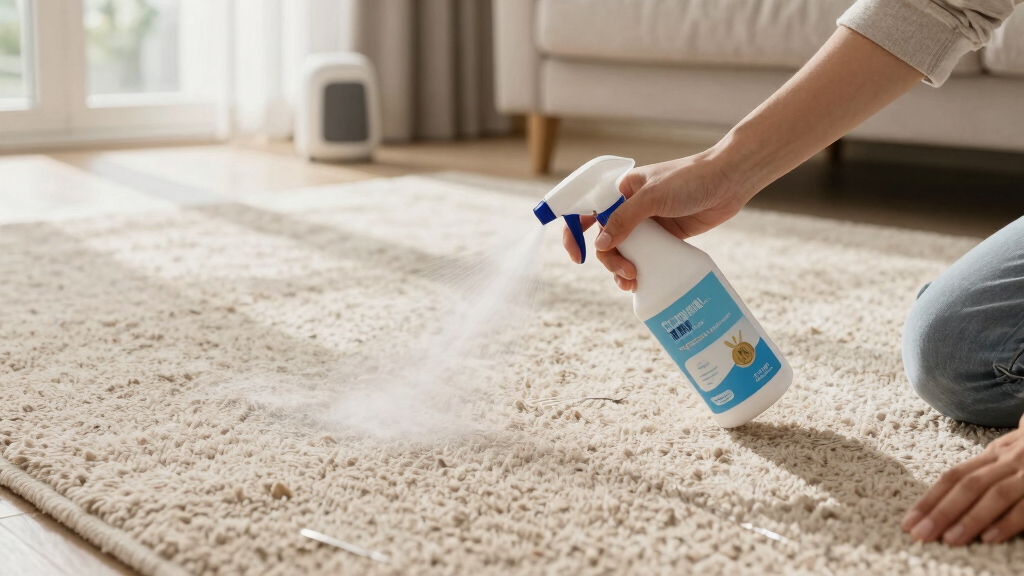
Using enzyme-based cleaners and proper ventilation can drastically reduce stubborn smells.
Regular maintenance, prompt spill cleanup, and professional deep cleans every year keep odors at bay.
Address underlying issues like water leaks or pet accidents early, before odors become ingrained.
That “clean” carpet smell can be a warning signal.
TL;DR: Lingering carpet odor usually means moisture, organic residue, or contamination is still trapped below the surface. Drying, ventilation, enzyme treatment, and source-level repair are what finally stop the smell cycle.
Carpets that are not completely dried can develop mold and mildew, major sources of persistent musty odor.
The five odor sources most cleaners miss
Surface cleaning can make a carpet look better while leaving odor chemistry untouched. The real problem often lives in damp backing, contaminated padding, sticky product residue, or a leak that keeps feeding microbial growth.
Improper drying
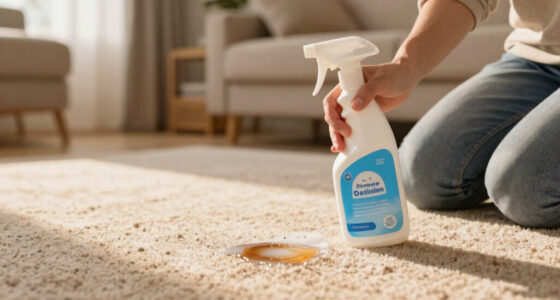
Over-wetting or weak extraction leaves damp fibers and backing. That moisture supports mold, mildew, and bacteria.
Deep residues
Pet urine, food spills, and smoke can sink into padding, where odor molecules reactivate after cleaning.
Wrong cleaners
Harsh or soapy products may leave sticky residue that traps soil and becomes a new odor source.
Poor ventilation
Closed rooms hold vapor, moisture, and volatile compounds close to the carpet instead of clearing them out.
Water damage
Leaks, damp subfloor, and hidden mold can keep producing smell no matter how often the surface is cleaned.
Delayed cleanup
The longer spills sit, the deeper they migrate. Prompt blotting is one of the simplest odor preventers.
Which fix matches the smell?
Odor removal works best when the method targets the actual source. A musty smell needs drying and moisture control; pet odor needs enzymes and sometimes padding replacement.
| Odor Clue | Likely Cause | Best First Response | DIY Fit | Professional Signal |
|---|---|---|---|---|
| Musty or sour smell | Residual moisture, mildew, poor drying | Fans, dehumidifier, strong extraction | ~ Possible if mild | ✓ If smell worsens after days |
| Ammonia or pet odor | Urine crystals in fiber, padding, or subfloor | Enzyme cleaner plus deep extraction | ~ Only for fresh spots | ✓ If padding is affected |
| Chemical or sticky smell | Cleaner residue or product reaction | Neutral pH rinse and residue removal | ✓ Often manageable | ~ If re-soiling continues |
| Smoke or stale air | Particles trapped in fibers and room surfaces | Hot water extraction and ventilation | ~ Partial relief | ✓ For persistent smoke |
| Rotten or recurring smell | Leak, mold, contaminated padding, subfloor issue | Find source before more cleaning | ✗ Risky to ignore | ✓ Inspection needed |
Odor removal is a sequence, not a spray.
Modern carpet odor control combines extraction, chemistry, airflow, and source repair. Skipping one step often lets the smell return.
Identify
Separate musty, pet, smoke, and chemical smells before choosing treatment.
Extract
Remove moisture, soil, and residue from fibers before neutralizing odor.
Neutralize
Use enzymes for organic stains and neutral pH solutions for residues.
Dry
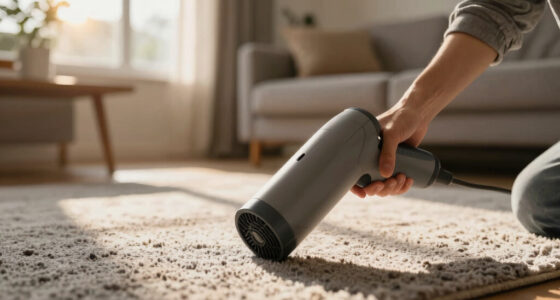
Run fans, open airflow, and use dehumidifiers until the carpet is fully dry.
Verify
Check padding, subfloor, and leaks if odor rebounds after cleaning.
IF odor returns after drying
THEN look below the fibers
BECAUSE padding and subfloor can store the source.
When to escalate
Persistent odor after multiple cleanings usually means the issue is no longer cosmetic.
The smell cycle, traced from source to solution
Odors linger because they move through layers. The fix works when each layer is treated in order, from surface fibers down to the hidden source.
Residual Moisture and Improper Drying Are Major Odor Culprits
When your carpet isn’t dried completely after cleaning, it creates an environment that fosters mold, mildew, and bacteria growth—each contributing to that unpleasant, persistent odor. Think of it like leaving damp clothes in a pile; mold and bacteria thrive in moist environments, and carpets are no different. This moisture retention doesn’t just cause smells; it can also lead to health issues, especially for allergy sufferers or those with respiratory conditions. The microbial activity releases volatile compounds that are not only smelly but can also degrade indoor air quality over time.
Failing to dry your carpet thoroughly can result in a sour or musty smell that intensifies as mold colonies expand. The implications extend beyond scent: ongoing microbial growth can weaken the carpet fibers, cause deterioration of padding and subfloor, and escalate health risks such as allergic reactions or respiratory infections. Proper drying—using fans, dehumidifiers, or professional high-powered extractors—is essential to halt microbial proliferation. Recognizing the importance of complete drying underscores why some carpets smell worse days after cleaning, and why investing in proper drying methods is a long-term health and maintenance strategy.
As an affiliate, we earn on qualifying purchases.
Deep Stains and Odors Get Trapped in Carpet Fibers and Padding
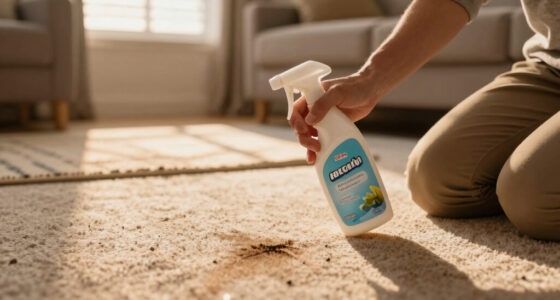
Deep-seated stains, especially from pet urine, food spills, or smoke, penetrate beyond the surface fibers into the padding and even the subfloor. This embedding turns into a hidden reservoir of odor that surface cleaning cannot fully address. These odors are not just superficial; they are biologically active sources of smell that can re-emerge long after cleaning if not properly treated. For example, pet urine contains organic compounds like urea and ammonia that seep into padding, where they ferment and produce persistent odors. Surface cleaning may lift superficial stains but often leaves these organic residues intact beneath the surface, allowing odors to resurface over time.
Understanding this depth is crucial because it influences cleaning strategies. Enzymatic cleaners can break down organic molecules at their source, but if the odor source has penetrated into padding or the subfloor, more invasive procedures—like padding replacement or encapsulation—are necessary. Ignoring these deeper issues means that odors will likely return, sometimes worse than before, and can also promote mold growth if moisture is involved. Recognizing the importance of targeting embedded stains and odors ensures that cleaning efforts are effective and that your home remains fresh and safe long-term.
professional carpet cleaning machine
As an affiliate, we earn on qualifying purchases.
As an affiliate, we earn on qualifying purchases.
Inappropriate Cleaning Products Leave Odor-Forming Residues
Using the wrong cleaning products can inadvertently leave behind residues that trap dirt, bacteria, and organic matter—each a potential source of ongoing odors. These residues create a sticky film or chemical buildup that can serve as a breeding ground for microbes, which then produce smells over time. For example, cheap or overly harsh cleaners that leave a film may seem effective initially but can trap dirt and organic residues beneath the surface, leading to a cycle of re-soiling and odor persistence. Additionally, some chemical reactions between residues and organic matter can generate new, often more stubborn, odors, complicating odor removal efforts.
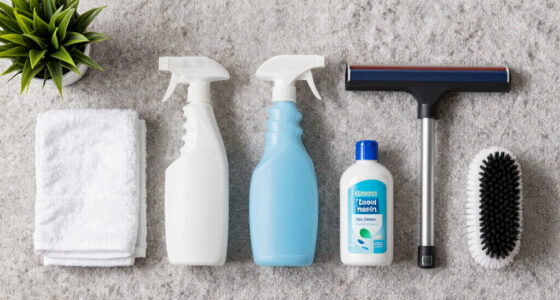
Choosing the right cleaning products—such as enzyme-based cleaners, neutral pH solutions, or eco-friendly options—can break down organic residues without leaving harmful residues themselves. Proper application, following manufacturer instructions, is critical because improper use can leave residues that trap odors. These residues not only undermine the cleaning process but can also compromise future cleaning efforts, making odors more difficult to eliminate. Selecting appropriate products and applying them correctly creates a long-term barrier against odor recurrence, helping maintain a fresh, healthy environment in your home.
As an affiliate, we earn on qualifying purchases.
Poor Ventilation Locks Odors In and Prevents Freshness
Proper ventilation during and after cleaning is often overlooked but is essential in controlling odors. When your home remains stuffy or poorly ventilated, volatile compounds and moisture linger, allowing odors to settle into fibers and padding more deeply. Think of it like sealing in a damp cloth; without airflow, moisture and smelly compounds cannot escape, prolonging the presence of odors. Good airflow helps carry away these compounds and accelerates the drying process, reducing the chances of microbial growth and smell retention.
Using fans, opening windows, and activating exhaust fans during and after cleaning can significantly improve indoor air quality. This not only speeds up the drying process but also disperses airborne odor molecules, preventing them from settling back into the carpet. In enclosed spaces, professional cleaning often involves high-powered ventilation systems designed to optimize airflow and moisture removal. Maintaining proper ventilation for at least 24 hours post-cleaning is a simple but effective way to prevent odors from becoming trapped, ensuring your indoor air remains fresh and healthy. Neglecting ventilation can mean the difference between a fresh-smelling home and one plagued with lingering, stubborn odors.
As an affiliate, we earn on qualifying purchases.
Underlying Problems Like Pet Urine and Water Damage Keep Smelling
Persistent odors often hide beneath the surface—caused by underlying issues such as pet urine, water leaks, or mold growth—that regular cleaning cannot fully resolve. These problems create hidden sources of smell that can re-emerge after superficial cleaning efforts. For instance, pet urine that soaks into padding or the subfloor can continue to emit odors long after cleaning if not properly addressed. Similarly, water leaks foster mold and mildew, which produce a sour or musty smell that penetrates deeply into materials. If these underlying issues are ignored, cleaning efforts merely mask the problem temporarily, leading to recurrent odors that may worsen over time.
Addressing these root causes requires targeted interventions: repairing leaks, removing or encapsulating contaminated padding, or replacing affected subfloor sections. Mold remediation may involve professional cleaning or removal of contaminated materials. Recognizing and resolving these underlying problems is vital because it stops the cycle of odor recurrence, preserves the integrity of your flooring, and protects your health. Acting promptly to eliminate these hidden sources not only restores freshness but also prevents more costly repairs and health hazards down the line.
Frequently Asked Questions
Why does my carpet still smell after I’ve cleaned it?
It’s often due to residual moisture, deep stains, or cleaning methods that don’t reach embedded odors. Proper drying and specialized treatments are key to eliminating persistent smells.What’s the best way to remove pet odors from my carpet?
Enzymatic cleaners are highly effective because they break down organic molecules causing the smell. For stubborn odors, professional ozone treatments can also help neutralize lingering pet scents.Can I fix odors myself, or should I call professionals?
Light odors can often be managed with DIY solutions like baking soda or vinegar. However, persistent or deep-seated smells typically require professional deep cleaning or specialized treatments.How often should I clean my carpet to prevent odors?
Aim for professional deep cleaning every 12-18 months and regular vacuuming weekly. Promptly clean spills and address pet accidents immediately to prevent odors from setting in.Are there products that truly neutralize odors without harsh chemicals?
Yes, enzyme-based cleaners, activated charcoal, and natural odor-neutralizing sprays are effective and safer options for maintaining a fresh-smelling carpet.Conclusion
Persistent odors after cleaning are usually a sign that moisture, deep stains, or residues are still lingering. Taking steps to dry thoroughly, use the right products, and handle underlying problems can restore your carpet’s freshness. Remember, a clean carpet isn’t just about looks — it’s about smell, health, and comfort.
Next time your carpet smells off, think beyond surface cleaning. With the right approach, you can breathe easy in a home that feels as fresh as it looks.
Fall Picks
fall essentials
As an affiliate, we earn on qualifying purchases.