
TL;DR

Get cleaning gear delivered free — and shop member deals
- Fast, free delivery on millions of items
- Access to Prime Big Deal Days deals on October 6–7
- Prime Video, Amazon Music and more included
Dishwashers may not dry dishes properly due to factors like overload, improper loading, or low rinse aid. Adjusting settings, maintaining your machine, and choosing the right cycle can boost drying results.
If your dishes come out wet and streaky, you’re not alone. Many homeowners face this common frustration, especially with newer, energy-efficient models that promise top performance but sometimes fall short on drying. The good news? Most issues have simple causes and straightforward fixes.
In this guide, you’ll learn why your dishwasher isn’t drying properly, what factors influence drying effectiveness, and practical steps to get your dishes dry and spotless—without wasting energy or running extra cycles.
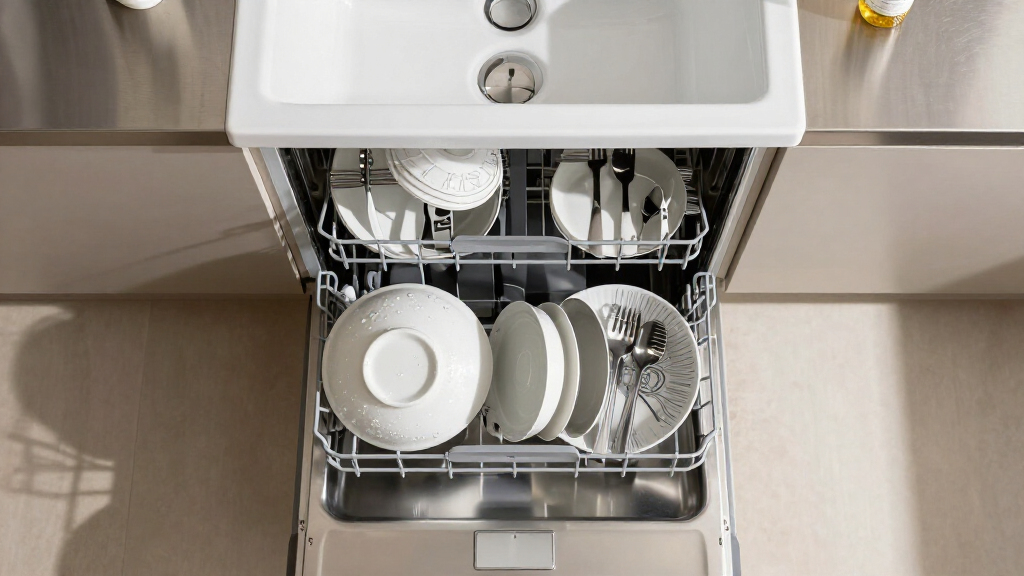
Always load dishes loosely, with space for hot air to circulate.
Use rinse aid consistently—especially for plastics and glassware.
Choose cycles with dedicated drying options like ‘Extra Dry’ or ‘Heat Dry’.
Ensure your water heater is set to at least 120°F (49°C) for better drying.
Regularly clean filters and spray arms to prevent mineral buildup and clogs.
How Your Dishwasher Actually Drying Dishes Matters More Than You Think
Dishwashers use different methods to dry dishes, and understanding which one yours employs can significantly influence your troubleshooting approach. Heating element drying heats the air inside, fan-assisted models circulate warm air to expedite evaporation, and condensation drying relies on cool surfaces to pull moisture off dishes through temperature differences. Recognizing the technology in your appliance helps you set realistic expectations and optimize its performance.
For example, a heating element model heats the air to around 160°F, which can dry dishes in 1-2 hours but consumes more energy. Conversely, condensation drying is gentler and more energy-efficient but may take longer and be less effective for plastics. Knowing these trade-offs guides you to choose the right cycle and loading habits to enhance drying results.
As an affiliate, we earn on qualifying purchases.
Top Reasons Your Dishes Stay Wet — And How to Fix Them
Overloading the dishwasher is a common mistake that hampers drying because it blocks airflow and prevents hot air from reaching all surfaces. When dishes are packed tightly, hot air and moisture cannot circulate freely, leading to damp dishes and streaks. Understanding this helps you see that proper loading isn’t just about space—it’s about ensuring heat and air can do their job effectively.
Using too little rinse aid affects how water sheets off dishes. Without enough rinse aid, water tends to form droplets and cling to surfaces, especially plastics, which are more prone to retention of moisture. This results in streaks and longer drying times. Recognizing the importance of rinse aid helps you maintain a consistent level, ensuring water drains properly and evaporates faster.
Incorrect loading can also block spray arms or prevent hot air from reaching all surfaces. For instance, placing large items in front of spray nozzles or stacking dishes unevenly can create blind spots, reducing cleaning and drying efficiency. Proper loading techniques optimize water and heat distribution, leading to faster, more thorough drying.
Here’s a quick list of fixes with deeper reasoning:
- Load dishes loosely, with space between items to allow airflow and heat distribution.
- Check and refill rinse aid regularly to ensure water sheets off surfaces effectively.
- Place plastics on the top rack to prevent blocking heat and airflow to other dishes.
- Ensure spray arms spin freely—obstructions can reduce water spray and heat distribution.
- Open the door slightly after the cycle to vent residual moisture, especially in humid environments, helping moisture escape and speeding up drying.
As an affiliate, we earn on qualifying purchases.
Why Cycle Settings Make or Break Your Drying Results
Choosing the right cycle with a dedicated drying phase is crucial because it directly impacts how thoroughly dishes dry. Many models offer options like ‘Extra Dry’ or ‘Heat Dry,’ which increase temperature and airflow—key factors in moisture evaporation. Skipping these options can leave dishes damp, especially plastics or glassware that cool quickly and trap moisture.
For example, one Outright Cleaning customer observed that switching from ‘Normal’ to ‘Extra Dry’ reduced their plastic items’ dampness by 50%, illustrating how cycle selection affects outcomes. It’s important to understand that energy-efficient cycles often skip drying phases to save power, which can compromise drying performance. Therefore, selecting a cycle with a dedicated drying phase is a trade-off that favors better results at the expense of slightly more energy use.
Pro tip: Always choose cycles that include a drying phase, especially when washing plastics or glassware, since these materials cool quickly and tend to retain moisture. Adjusting your cycle choice based on the load can significantly improve dryness and reduce the need for post-wash drying or rewashing.
dishwasher heating element replacement
As an affiliate, we earn on qualifying purchases.
As an affiliate, we earn on qualifying purchases.
The Role of Water Temperature and Post-Cycle Venting
Hot water makes a big difference in drying performance because it accelerates evaporation. Water heated to around 120°F (49°C) provides the necessary thermal energy to loosen and vaporize moisture from dishes. When water temperature is too low—say, around 110°F—heat transfer is less efficient, and dishes stay damp longer. This is why checking and adjusting your water heater’s setting can have a noticeable impact on drying results. A higher temperature setting ensures the dishwasher’s drying phase has enough thermal energy to work effectively.
After the cycle ends, opening the door slightly allows moisture to escape and prevents it from settling back onto dishes. This simple step acts as a quick vent, especially useful in humid environments where residual moisture lingers. It also reduces the overall drying time and prevents streaks caused by condensation. Consider installing a temperature gauge on your water heater or adjusting its thermostat to optimize water temperature, balancing energy use and drying efficiency.
As an affiliate, we earn on qualifying purchases.
The Maintenance Checklist to Keep Your Dishwasher Drying Well
Regularly cleaning filters, spray arms, and door seals is essential because mineral deposits, soap scum, and debris can significantly hinder drying performance. For example, mineral buildup from hard water can clog spray nozzles, reducing hot water spray and heat transfer, which directly impacts drying. Over time, these obstructions diminish the dishwasher’s ability to circulate hot air and water effectively, resulting in damp dishes and streaks.
Every 3-6 months, remove and clean filters with vinegar or a gentle scrub brush to remove mineral deposits. Check spray arms for blockages and clear any debris to maintain proper spray patterns. Inspect door seals for wear or cracks; damaged seals allow heat to escape, reducing drying efficiency. Replacing worn seals ensures heat retention and moisture removal are maximized.
Performing these maintenance routines prevents buildup and keeps your dishwasher operating at peak drying performance, saving you time, energy, and frustration with damp dishes.
Comparing Different Drying Technologies — Which One Works Best?
| Method | Energy Use | Speed | Plastic Compatibility |
|---|---|---|---|
| Heating Element | Moderate to high | Fast | Good |
| Fan-Assisted | Moderate | Fast | Good |
| Condensation | Low | Slow | Poor for plastics |
Understanding these differences helps you select the best drying technology based on your priorities. Heating and fan-assisted models provide quick, effective drying, making them ideal for busy households or when you need dishes ready promptly. However, they tend to use more energy, which might increase your utility bills. Condensation drying, on the other hand, is more energy-efficient but slower and less effective for plastics, which can cool quickly and retain moisture. This trade-off is important to consider if you prioritize energy savings over speed or if you frequently wash plasticware that needs thorough drying.
What to Do When Nothing Works: Troubleshooting Your Drying Failures
If your dishwasher still leaves dishes wet despite all adjustments, it’s time to troubleshoot more deeply. Start by verifying the operation of the heating element—feel the water temperature during the dry cycle or listen for a click that indicates activation. A malfunctioning element means no heat, and without heat, moisture cannot evaporate effectively, leading to damp dishes even after the cycle completes. Addressing this may require professional repair or replacement.
Next, inspect the rinse aid dispenser—if it’s clogged or empty, water sheets poorly and doesn’t drain properly, increasing residual moisture. Filling or cleaning the dispenser ensures water sheets off surfaces and evaporates faster. Also, check the door seal for leaks; heat escaping through a worn or damaged seal reduces the internal temperature and hampers drying. A tight seal maintains heat and moisture inside, promoting better evaporation.
If these steps don’t resolve the issue, internal components like thermostats or heating coils might be faulty, necessitating professional diagnosis and repair. Persistent problems could also indicate wiring issues or control board failures that impair drying function.
Frequently Asked Questions
Why are my dishes still wet after a full cycle?
Common reasons include overloading, insufficient rinse aid, low water temperature, or a faulty heating element. Check these factors and adjust accordingly for better drying results.How can I improve drying without increasing energy use?
Open the dishwasher door slightly after the cycle to vent moisture, use the ‘Extra Dry’ setting, and ensure rinse aid is filled. These steps boost drying without extra energy consumption.Is it better to open the dishwasher door immediately after the cycle?
Yes. Opening the door allows hot air and moisture to escape, reducing residual dampness and speeding up drying, especially in humid environments.Why does my dishwasher leave streaks or spots on dishes?
Hard water minerals can cause spots and streaks. Using rinse aid, regular cleaning, and water softening solutions can help prevent this.How do I troubleshoot if my dishwasher’s drying function isn’t working?
Check the heating element, rinse aid dispenser, and door seals. If these are fine but drying still fails, it might be a component failure requiring professional repair.Conclusion
Dry dishes faster by paying attention to load, settings, and maintenance. Small tweaks—like opening the door after a cycle or adding rinse aid—can make a big difference. Your dishes will come out spotless and dry, ready to use or put away.
Remember, a well-maintained dishwasher is your best ally against damp, streaky dishes. Next time you run a cycle, think about what you can tweak for perfect dryness. Your future self will thank you—dishes dry, so you don’t have to dry.
Fall Picks
fall essentials
As an affiliate, we earn on qualifying purchases.