TL;DR

Get cleaning gear delivered free — and shop member deals
- Fast, free delivery on millions of items
- Access to Prime Big Deal Days deals on October 6–7
- Prime Video, Amazon Music and more included
Cleaning an area rug at home involves understanding your rug’s material, regular maintenance, prompt stain treatment, and occasional deep cleaning. New eco-friendly products and simple tools make it safer and easier than ever.
Think your area rug is just a decorative piece? Think again. It’s a filter for your home’s air, a cushion for your feet, and a magnet for dirt, dust, and spills. But cleaning it doesn’t have to mean hauling it out or calling a professional. You can keep it fresh, clean, and vibrant right at home.
In this guide, you’ll learn simple, safe techniques to maintain your rug’s beauty. From quick spot fixes to deep cleans, I’ll walk you through everything you need. No hype, no harsh chemicals—just practical tips that work.
Always identify your rug’s material before cleaning to choose safe methods.
Vacuum weekly and rotate your rug to prevent uneven wear and fading.
Treat stains immediately with blotting and mild solutions for best results.
Deep clean with appropriate methods—shampoo, steam, or hand wash—based on rug type.
Ensure thorough drying and ventilation to prevent mold and odors after cleaning.
Clean the Rug Without Punishing the Fibers
TL;DR: A good home rug routine starts with the label, continues with weekly vacuuming and fast stain response, and only deep-cleans when the material can handle it. The goal is simple: remove grit, protect color, dry completely, and skip harsh chemicals.
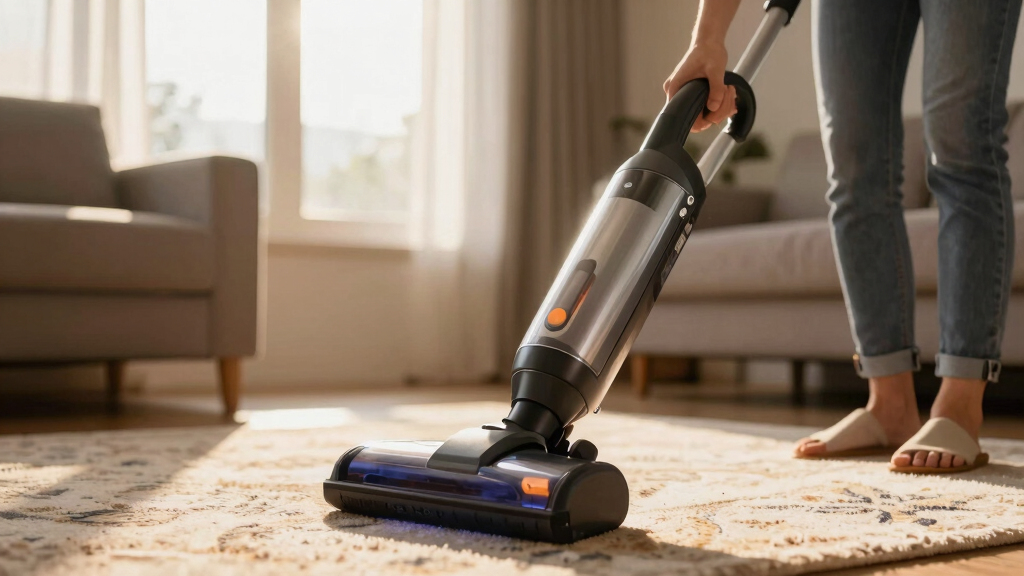
Regular vacuuming can extend an area rug’s lifespan by removing the grit that breaks fibers down.
Start With the Material
Every rug has a cleaning personality. Wool resists stains but dislikes soaking. Synthetic fibers tolerate more active cleaning. Cotton may be washable. Silk and antique pieces need the gentlest path and often professional help.
Resilient, but water-sensitive
Use mild, pH-neutral cleaners. Avoid over-wetting because moisture can cause shrinkage, odor, or mold.
Durable and practical
Often safe for shampooing or portable steam cleaning, though colorfast testing still matters.
Often washable
Small cotton rugs may be hand-washed or machine-washed only when the label permits it.
Handle like a textile artifact
Stick to light vacuuming, careful spot cleaning, and professional cleaning for deeper soil.
Pick the Deep-Clean Method by Risk
Deep cleaning should restore the fibers, not stress them. Match the tool to the material, test a hidden corner, and treat water as something to control rather than pour freely.
Low Moisture
Vacuuming, baking soda, and controlled blotting are safest for routine care.
Moderate Moisture
Hand washing and shampooing can refresh sturdy rugs when rinsed lightly and dried fast.
Heat + Steam
Portable steam cleaners sanitize well, but avoid silk, antiques, and unstable dyes.
Method Match Table
Use this as a home-cleaning checkpoint before water, heat, or cleaner touches the rug. The highlighted column is the safest first move for most homes.
| Rug Type | Vacuum + Spot Clean | Shampoo | Steam | Hand Wash | Main Caution |
|---|---|---|---|---|---|
| Wool | ✓ Best first step | ~ Mild only | ~ Low moisture | ✗ Risky soak | Can shrink or hold odor if over-wet. |
| Synthetic | ✓ Safe routine | ✓ Often suitable | ✓ Usually suitable | ~ Check backing | Residue can attract more dirt later. |
| Cotton | ✓ Safe routine | ~ Gentle | ~ Test first | ✓ If label allows | Colors may bleed without a test patch. |
| Silk or Antique | ~ Light touch | ✗ Avoid | ✗ Avoid | ✗ Avoid | Heat, water, and chemicals can permanently damage fibers. |
The Safe Cleaning Flow
Think of rug care as a sequence: identify, remove dry soil, treat spills, deep-clean only when appropriate, then dry thoroughly. Skipping the last step is where many home cleanings go wrong.
Read
Find the label, fiber type, backing material, and care warnings.
Vacuum
Use suction and attachments to remove grit before wet cleaning.
Blot
Press spills with a clean cloth; avoid rubbing or scrubbing.
Clean
Use mild cleaner, shampoo, steam, or hand wash only if suitable.
Dry
Use airflow, lift edges, and wait until the rug is fully dry.
Stain rule: blot first, identify second.
For wine, coffee, or pet accidents, remove excess liquid immediately. Then use a mild dish-soap solution, vinegar-water mix, or an enzymatic cleaner for pet stains. Controlled application beats soaking.
Trace the Cause and Effect
A clean rug is not just a cosmetic win. Better habits reduce embedded dirt, fiber fatigue, odors, uneven wear, and premature replacement.
Identify Your Rug Material and Care Instructions to Avoid Damage
The first step is knowing what your rug is made of and what the manufacturer recommends. Wool, synthetic fibers, cotton, silk—each requires different handling. For example, wool rugs are naturally stain-resistant but can shrink if soaked. Synthetic rugs are tougher but still benefit from gentle cleaning.
Check for a label or look up the fiber type online. This helps you pick the right cleaning method and products, avoiding costly mistakes like fading or fiber breakdown.
Imagine you’ve got a vintage silk rug. It’s delicate. You’d want to stick to light vacuuming and spot cleaning, avoiding excess water or harsh chemicals. Conversely, a synthetic rug can handle more vigorous cleaning, like steam or shampooing.
Understanding your rug’s material is crucial because it directly influences how you clean it and how often. Using the wrong method can weaken fibers, cause fading, or even damage the rug irreparably. For example, using a harsh chemical on silk may discolor it permanently, while over-wetting wool can lead to shrinking or mold. Knowing this helps you balance effective cleaning with preservation, extending your rug’s lifespan and maintaining its beauty.
As an affiliate, we earn on qualifying purchases.
How to Regularly Maintain Your Rug Without Overdoing It
Regular maintenance keeps your rug looking fresh without much fuss. Vacuum at least once a week. For high-traffic areas, twice is better. This removes surface dirt and prevents particles from grinding into fibers, which can cause premature wear and dullness over time.
Rotating your rug every few months isn’t just about aesthetics; it’s about ensuring even wear. Sunlight, foot traffic, and furniture placement can create uneven fading or fiber stress. By flipping or rotating your rug, you distribute these stresses more evenly, preserving its texture and color for longer.
For example, if your living room rug gets daily traffic, a quick vacuum every Saturday prevents dirt from embedding deep and causing abrasions. This simple routine reduces the need for more aggressive cleaning later and keeps your rug looking vibrant and intact.
In essence, consistent, moderate maintenance prevents dirt buildup and fiber fatigue. It’s about creating a balance—clean enough to maintain appearance and hygiene, but not so often that you risk damaging delicate fibers or causing unnecessary wear. This proactive approach prolongs the life of your rug, saving you money and effort in the long run.
As an affiliate, we earn on qualifying purchases.
Master the Art of Spot Cleaning for Common Spills and Stains
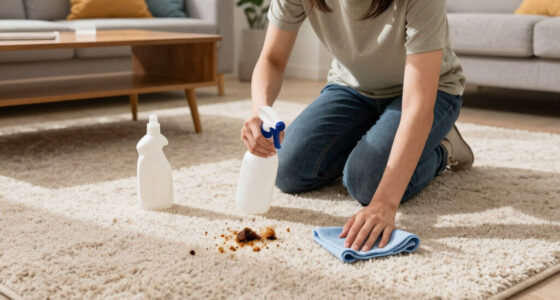
Spills happen unexpectedly, and acting quickly is essential because stains can become permanent if left untreated. Blotting—gently pressing with a clean cloth—removes excess liquid and prevents the stain from setting deeper into the fibers. Rubbing can push the stain further or damage delicate fibers, making removal more difficult and risking fiber distortion.
Using a mild solution of water and dish soap, or a vinegar-water mix, helps lift organic stains without harsh chemicals that could weaken or discolor fibers. Applying it with a sponge or spray bottle allows for controlled, targeted cleaning, reducing the risk of over-wetting the rug.
For stubborn stains, repeated blotting with these solutions can gradually fade the mark. The key is patience and gentle technique, which minimizes fiber damage and preserves the rug’s integrity.
For example, if your pet has an accident, acting swiftly with an enzymatic cleaner designed for pet stains not only removes the mess but also prevents lingering odors and bacterial growth. Immediate action combined with proper cleaning solutions ensures that stains don’t set, which could otherwise lead to discoloration or fiber weakening over time. Recognizing the nature of the stain and choosing the appropriate cleaner is crucial for preserving your rug’s appearance and durability.
As an affiliate, we earn on qualifying purchases.
Deep Cleaning at Home: The 5 Best Methods for Different Rug Types
Deep cleaning isn’t just about removing surface dirt; it’s about restoring fibers and prolonging your rug’s life. Choosing the right method depends on your rug’s material, age, and condition. Here’s a breakdown of the five most effective methods, including their implications and tradeoffs:
- Shampooing: Using a gentle carpet shampoo or homemade mix helps lift embedded dirt. Testing first is essential to avoid residue or discoloration. Brushing and rinsing lightly can refresh synthetic rugs but may be too harsh for delicate fibers, which could fray or shrink if overdone. The tradeoff is that shampooing can sometimes leave residues if not rinsed thoroughly, potentially attracting more dirt later.
- Steam Cleaning: Portable steam cleaners sanitize fibers using hot vapor without chemicals, making them a popular choice. However, high heat and moisture can weaken or warp sensitive fibers like silk or antique rugs. The benefit is deep sanitation, but overuse or improper use can cause damage, so understanding your rug’s resilience is key.
- Hand Wash: For small or washable rugs, soaking in warm water with mild detergent allows thorough cleaning. Gently scrubbing helps remove dirt, but excessive agitation can fray or weaken fibers, especially in fragile textiles. Rinsing thoroughly is critical to prevent soap residue that attracts dirt. This method is effective but labor-intensive and best suited for durable or small rugs.
- Spot Cleaning with Baking Soda: Sprinkling baking soda absorbs odors and surface dirt. Letting it sit for a few hours before vacuuming is simple and chemical-free. While excellent for surface cleaning and odor control, it doesn’t penetrate deep fibers, so it’s best combined with other methods for comprehensive cleaning.
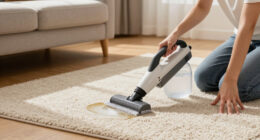
- Vacuuming with Attachments: Using turbo brushes or upholstery tools can reach deep into fibers, removing embedded dirt. Regular use prevents dirt buildup that can abrade fibers over time. This method is the foundation of maintenance, but it’s not a substitute for more thorough cleaning when needed.
For example, a synthetic rug in your dining area can handle shampooing and steam cleaning, offering deep sanitation. But your vintage Persian requires gentle handling—light vacuuming and spot cleaning preserve its delicate fibers and intricate weave. Matching the method to your rug’s material and condition is essential for effective, safe cleaning that extends its lifespan.
Amazondeep cleaning steam cleaner for rugs
As an affiliate, we earn on qualifying purchases.
As an affiliate, we earn on qualifying purchases.
Drying and Ventilation: How to Prevent Mold and Smell After Cleaning
Proper drying is critical because residual moisture creates the perfect environment for mold, mildew, and unpleasant odors. Even a small amount of dampness can lead to long-term damage if not addressed promptly. Air circulation is your best defense—outdoor drying in sunlight is ideal, as UV rays help eliminate bacteria and mold spores, while sunlight also naturally deodorizes.
In indoor settings, laying the rug flat in a sunny, well-ventilated room with fans or dehumidifiers speeds up evaporation. This prevents lingering dampness that can cause fiber deterioration or mold growth. For quick drying, a hairdryer on a cool setting can target specific damp spots, but avoid high heat, which risks shrinking or fading delicate fibers.
Imagine your living room rug drying on a breezy day. The combination of airflow and sunlight not only evaporates moisture faster but also helps eliminate residual odors, leaving your rug smelling fresh. Skipping thorough drying can lead to hidden mold growth, which is not only damaging but also a health hazard—so patience and proper ventilation are essential after cleaning.
Compare DIY Cleaning Solutions to Professional Services
Feature DIY Cleaning Professional Cleaning Cost Lower; mostly just supplies Higher; varies by size and service Convenience High; you do it yourself, anytime Less hassle; experts handle the job Effectiveness Good for routine maintenance and small stains Better for deep cleaning, old stains, or delicate rugs Safety Depends on products used Ensured by trained professionals Choosing between DIY or professional depends on your rug’s value, material, and how deep the dirt is. For routine upkeep, DIY methods work great. For antique or delicate rugs, professional cleaning can protect your investment. Consider the tradeoffs: DIY is cost-effective and flexible but may not achieve the same deep sanitation as professionals, especially for complex or valuable rugs. Conversely, professional cleaning offers expert care and specialized equipment, but at a higher cost and with scheduling considerations. Weigh these factors based on your rug’s condition and your comfort with DIY tasks to decide the best approach.
What Not to Do When Cleaning Your Rug: Common Mistakes to Avoid
Avoid these pitfalls to keep your rug safe:
- Over-wetting: Excess water can cause fibers to shrink, warp, or lead to mold growth within the backing or fibers. It’s crucial to control moisture levels, especially with delicate or antique rugs, to prevent irreversible damage.
- Harsh chemicals: Bleach, ammonia, or strong detergents can weaken fibers, fade colors, or cause chemical reactions that damage the rug’s structure. Always opt for gentle, pH-neutral solutions and test in inconspicuous areas first.
- Rubbing stains: Scrubbing or using stiff brushes spreads the stain and damages fibers, creating frayed or bald spots. Gentle blotting preserves the integrity of the weave and fibers.
- Skipping drying: Leaving moisture behind encourages mold, mildew, and odors. Proper drying—preferably in sunlight or with fans—is essential to maintain a healthy, fresh rug.
- Using high heat: Hot tools or dryers can cause shrinkage, fading, or fiber damage, especially in delicate textiles like silk or antique wool. Always opt for cool or room temperature methods when drying or setting the rug.
For example, trying to scrub out a coffee stain with a stiff brush might seem effective initially but can worsen the problem by pushing the stain deeper or damaging fibers. Patience and gentle techniques are the best way to preserve your rug’s beauty and longevity.
Frequently Asked Questions
How often should I vacuum my area rug?
Vacuum your rug at least once a week, more in high-traffic areas. Regular vacuuming removes surface dirt and prolongs its life.
Can I machine wash my area rug?
Only if the manufacturer states it’s safe—typically for small, synthetic rugs. Always check the label first to avoid damage.
What’s the safest cleaning solution for my rug?
Use a mild, pH-neutral cleaner or a mixture of water and a gentle dish soap. Avoid bleach and harsh chemicals unless the label says it’s okay.
How do I handle pet urine stains?
Blot immediately with paper towels, then treat with an enzymatic cleaner designed for pet stains. Repeat if needed and ensure the rug dries thoroughly afterward.
Is steam cleaning safe for all rugs?
Generally safe for synthetic and some wool rugs. Avoid steam cleaning silk or antique rugs without professional advice, as heat and moisture can cause damage.
Conclusion
Keeping your area rug looking fresh isn’t complicated—just consistent care and gentle methods. A little effort now saves you from costly repairs or replacements later.
Next time your rug gets a spill or looks dusty, remember: a clean rug means a healthier, happier home. Grab that vacuum, a sponge, and a little vinegar. Your rug will thank you.
HALLOWEEN Halloween Picks
halloweenhalloween
As an affiliate, we earn on qualifying purchases.