TL;DR

Get cleaning gear delivered free with Prime
- Fast, free delivery on millions of items
- Prime Video, Amazon Music and more included
- Member-only deals all year
Tomato sauce creates tough stains due to its combination of lycopene, oils, and sugars. Prompt cold-water rinsing, gentle blotting, and appropriate treatments help lift stains effectively. Never dry before confirming removal, as heat sets the stain permanently.
Few stains are as vividly frustrating as tomato sauce splattering across your favorite shirt or kitchen counter. It’s a messy, stubborn opponent that clings fiercely to fabrics and surfaces. But here’s the good news: with quick action and the right approach, you can beat it back.
In this guide, you’ll learn how to tackle tomato sauce stains on everything from clothing and upholstery to plastics and countertops. Whether fresh or dried, this stain can be removed—if you know what steps to take and when to act.
Always start with cold water to flush out tomato pigment and oil before using any cleaning agents.
Avoid heat until the stain is fully gone—drying sets the stain permanently.
Treat oily residues separately with grease-cutting dish soap or laundry detergent for best results.
Patience and repeated gentle treatments trump harsh, aggressive cleaning efforts.
Test cleaning products on hidden fabric areas first to prevent damage or color loss.
How to Remove Tomato Sauce Stains
Tomato sauce is a combination stain: lycopene pigment, oils, and sugars all attack fabric at once. The good news — with cold water, quick action, and the right technique, this vivid red opponent can be beaten on almost any surface.
The Step-by-Step Way to Remove Tomato Sauce From Clothes
Act fast, work from the back of the fabric, and always confirm the stain is gone before heat ever enters the picture. Follow all seven steps in order.
Scrape Off Excess
Lift away sauce with a dull spoon or knife. Never rub — rubbing embeds the stain deeper into the fibers.
Flush From the Back
Run cold water through the underside of the stain. This pushes pigment and oil out rather than deeper in.
Cold water onlyApply Detergent
A few drops of liquid laundry detergent or grease-cutting dish soap. Surfactants break down the oily component.
Wait & Rinse
Let it sit 5–15 minutes so surfactants loosen the bonds, then rinse thoroughly with cold water and check.
5–15 min dwell timeOxygen Bleach If Needed
If discoloration remains, soak in a color-safe oxygen-bleach solution — always per the product label.
Wash Warm
Wash in the warmest water your fabric can handle, following the care label. Warm water boosts detergent action.
Air-Dry & Inspect
Air-dry and inspect. Repeat treatment if needed — never machine-dry until the stain is completely gone.
Heat sets the stainWhy Speed Matters
Fresh stains rinse out easily. Once dried — especially with heat — lycopene bonds tightly and oils seep deep, creating a multi-layered mess.
Why Cold Water Is Your First Line of Defense
Lycopene is oil-soluble and becomes firmly embedded when exposed to heat. Cold water dilutes and washes away pigment before it bonds — warmth is only safe once the stain is loosened.
Never mix chlorine bleach with vinegar, ammonia, rubbing alcohol, or other household cleaners — dangerous chemical reactions can occur. Also skip the vinegar-plus-baking-soda combo: their reaction largely neutralizes both ingredients.
Fresh vs. Dried — Effort Required
The longer a stain sits, the more it penetrates and bonds with fibers. Dried, heat-exposed stains may need repeated soak-pretreat-wash cycles — patience beats aggressive scrubbing every time.
Treat the Oil Residue Separately
Even after the red pigment disappears, olive oil, meat fat, or cheese can leave a translucent greasy mark that traps dirt over time. Oils are hydrophobic — they resist water alone and need surfactants to be broken down.
Grease Cutter
Degreasing dish soap emulsifies the oily portion of the stain. Apply a few drops, let dwell, then rinse thoroughly.
Surfactant Power
Liquid laundry detergent lifts both pigment particles and oily residue — the all-rounder for washable fabrics.
Final Brightener
Color-safe oxygen bleach breaks down residual pigment — more versatile than chlorine bleach and safer for colors.
The Right Approach for Every Material
Method matters as much as speed. Match the treatment to the material — and always test cleaning products on a hidden area first.
| Surface | Do This | Watch Out For | Verdict |
|---|---|---|---|
| Cotton & everyday washables | Full 7-step method: scrape, cold rinse from back, detergent, oxygen bleach if needed. | Check care label before warm washing. | ✓ Highly removable |
| White bleach-safe fabrics | Diluted chlorine bleach may work; oxygen bleach is the safer all-round choice. | Chlorine damages colors, elastane, wool, and silk. | ✓ Very removable |
| Silk, wool & delicates | Blot carefully — never soak or scrub. A professional cleaner is often safest. | Tell the cleaner the stain cause and any products already used. | ~ Handle with care |
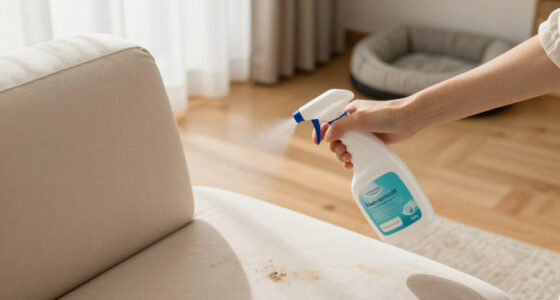
| Upholstery & carpet | Remove solids, blot with a white cloth, apply mild detergent solution from the outside in. | Never scrub; avoid oversaturating backing or cushions. | ✓ Removable with patience |
| Plastic containers | Wash promptly with dish soap; baking-soda paste for residue; sunlight fades pigment. | Heating tomato sauce in porous plastic causes deep staining. | ~ May be permanent |
| Dry-clean-only items | Blot gently and take to a professional as soon as possible. | Home treatments can cause permanent damage. | ✗ Leave it to the pros |
Common Mistakes That Make Stains Worse
Most tomato-sauce tragedies aren’t caused by the stain itself — they’re caused by the cleanup. Steer clear of these seven errors.
Rubbing instead of blotting. Rubbing spreads the stain and grinds pigment deeper into the fibers.
Treating from the front. Flushing from the front pushes sauce deeper — always work from the back.
Using the dryer too early. Dryer heat sets any remaining pigment permanently. Inspect first.
Chlorine bleach without checking. It can destroy colors, elastane, wool, and silk. Read the care label.
Mixing cleaning chemicals. Never combine chlorine bleach with vinegar, ammonia, or alcohol.
Over-applying product. Excess detergent leaves residue that attracts new dirt to the same spot.
Stain Removal in One Chain
Every successful tomato-sauce rescue follows the same sequence. Memorize it, and splatters stop being scary.
Splash Happens
Sauce lands on fabric — the clock starts now.
Scrape & Blot
Lift excess; never rub it in.
Cold Water
Flush from the back to push pigment out.
Detergent
Surfactants break oil; wait 5–15 min.
Air-Dry & Check
Repeat if needed. No dryer until clean.
Why Acting Fast Makes All the Difference
Fresh tomato sauce stains are much easier to remove than dried ones. When a spill happens, rinse or blot immediately with cold water. This prevents the pigment and oil from sinking deep into fibers or setting permanently. For example, if your toddler knocks over a bowl of spaghetti, a quick rinse from the back side of the fabric can wash out most of the stain before it even begins to dry.
Once dried, the stain becomes a challenge—especially if heat has been applied. The lycopene pigment bonds tightly, and the oils seep into the fibers, creating a stubborn, often multi-layered mess. The sooner you attack it, the better your chances of full removal.
Understanding why quick action is critical helps emphasize that the longer a stain sits, the more it penetrates and bonds with the fibers. Heat from drying or ironing accelerates this process, making subsequent removal more difficult. This tradeoff highlights the importance of immediate intervention to prevent permanent damage and preserve the fabric’s appearance.
Products Worth Considering

Dyson Ball Animal Total Clean Upright Vacuum

Samsung 42-Inch S90H OLED 4K Smart TV Bundle

Dyson Ball Animal 3 Extra Upright Vacuum
As an affiliate, we earn on qualifying purchases.
The Step-by-Step Way to Remove Tomato Sauce From Clothes
- Scrape off excess sauce with a dull spoon or knife—don’t rub, just lift. This reduces the amount of stain material that needs to be treated and prevents spreading or embedding the stain further into fibers.
- Flush the stain from the back with cold running water—this technique pushes the pigment and oils out of the fabric rather than forcing them deeper, which is crucial because it minimizes the chance of the stain setting permanently. The direction of water flow matters; always aim from the underside of the stain to avoid driving it further into the fibers.
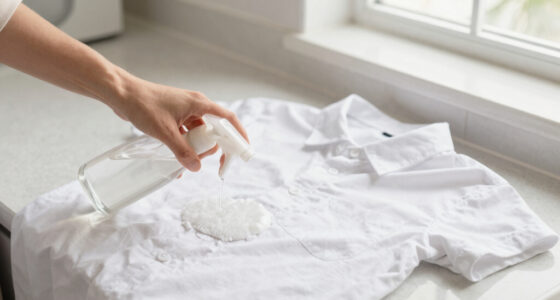
- Apply a few drops of liquid laundry detergent or grease-cutting dish soap directly onto the stain. These agents contain surfactants that break down oils and loosen pigment particles, making them easier to remove. The choice of detergent matters; a good degreaser helps tackle the oily component of tomato sauce, which is often the most stubborn part.
- Let it sit for 5–15 minutes to loosen oils and pigments. Longer contact times allow the surfactants to penetrate and loosen the stain’s bonds, especially important for older or dried stains where pigments and oils have bonded more tightly.
- Rinse thoroughly with cold water, then check the stain. Rinsing removes loosened stain particles and residual cleaning agents, preventing re-deposition of pigments. Carefully inspecting before proceeding ensures you don’t waste effort on already removed stains.
- If faint discoloration remains, soak in oxygen bleach or a color-safe whitening solution according to the label. This step can help break down residual pigments and brighten the fabric, but overuse or improper use can weaken fibers or cause discoloration, so always follow instructions.
- Wash in the warmest water your fabric can handle, as per the care label. Warm water enhances the effectiveness of detergents and helps dissolve any remaining oils or pigments, but only if the fabric tolerates it—using too hot water on delicate fibers can cause shrinkage or damage.
- Air-dry and inspect—repeat if necessary. Never dry until the stain is gone. Drying before complete removal risks heat-setting the stain, making it nearly impossible to remove later. Patience here is key to preserving the fabric’s appearance and integrity.
How to Tackle Dried Tomato Stains — The Best Tricks
Dried stains are tougher but still solvable with patience. Soaking the fabric in cool water with detergent or oxygen bleach overnight allows the stain’s bonds to weaken, making subsequent treatments more effective. This is because the stain components—pigments, oils, and sugars—become more receptive to surfactants when softened, which is crucial for older or set-in stains.
For example, a dried splatter on a white cotton shirt becomes significantly easier to treat after a soak, as the loosened stain can then be gently scrubbed or washed out. Repeated treatments—soak, pretreat, wash—gradually break down the stain’s bonds, especially if the stain has been subjected to heat, which can cause it to set irreversibly. The tradeoff here is patience; multiple gentle steps are more effective and safer than aggressive scrubbing, which risks damaging fibers or spreading the stain. Remember, heat from a dryer can cement the stain in place, so always check if the stain is gone before drying.
Understanding this process underscores the importance of early intervention and patience. It’s often worth repeating soaking and gentle treatments rather than rushing to dry or scrub, which could make the stain permanent. The key is to weaken the bonds gradually without damaging the fabric’s fibers, ensuring the stain is fully lifted before the final wash.
Why Cold Water Is Your First Line of Defense
Hot water can actually set tomato stains by helping lycopene bond more tightly with fibers, making them more resistant to removal. Cold water acts as a preliminary rinse that prevents this bonding process by washing away pigment and oil before they can penetrate deeply or bond irreversibly. This is why immediate cold water rinsing is so effective—it’s a critical first step that influences the overall success of stain removal.
Understanding the chemistry: lycopene is oil-soluble and becomes more firmly embedded when exposed to heat, which is why heat can make stains harder to remove. Cold water prevents this by physically removing or diluting the stain components early on. After the initial rinse, warm or hot water can be used if the fabric permits, but only after the stain has been loosened, ensuring the heat doesn’t lock in the stain further. This two-step approach leverages chemistry to maximize stain removal while minimizing damage to delicate fabrics.
Treating Oil and Grease Residue Separately—Because It Matters
Oil in tomato sauce, from olive oil or meat fats, often lingers even after the red pigment disappears. This residual oil can cause fabric to look greasy or dull, and it can also trap dirt or grime, leading to a less clean appearance over time. Addressing this component separately is crucial because the mechanisms for removing oily residues differ from those for pigment removal. Oils tend to be hydrophobic, so they resist water-based cleaning unless emulsified or broken down by surfactants. If ignored, residual oil can cause a persistent greasy sheen or attract dirt, compromising the fabric’s look and feel.
Applying a small amount of liquid laundry detergent or grease-cutting dish soap directly onto the oily area allows the surfactants to emulsify the oil, making it easier to rinse away. Letting it sit for 5–10 minutes ensures thorough penetration, especially on thicker or more absorbent fabrics. Rinsing with cold water removes the loosened oils, which prevents re-deposition and keeps the fabric looking fresh. For stubborn grease, a paste of baking soda and water can absorb residual oil, but this is a supplementary step—always follow with thorough rinsing. Recognizing the importance of separating oil treatment from pigment removal ensures comprehensive cleaning, restoring the fabric’s natural appearance and texture.
Best Products and Techniques for Different Fabrics
| Fabric Type | Recommended Treatment | Notes |
|---|---|---|
| White Cotton | Oxygen bleach + warm wash | Chlorine bleach safe if the label permits |
| Colored Fabrics | Color-safe oxygen bleach + warm wash | Test on hidden area first |
| Silk/Wool | Blot with cold water, professional cleaning | Dry-clean only; avoid soaking or scrubbing |
| Upholstery | Blot with mild detergent solution | Avoid oversaturating, test first |
Common Mistakes That Make Stains Worse
Rubbing instead of blotting pushes stain molecules deeper into fibers, making removal harder. Applying heat prematurely, like in a dryer or with hot water, sets the stain permanently. Using too much product or mixing chemicals can cause chemical reactions that damage fabrics or create toxic fumes.
For instance, rubbing a dried spaghetti sauce stain on a sweater can spread the pigment, while drying it can lock in the stain. Always blot gently, treat with cold water first, and check your fabric’s care label before heat or chemicals.
Understanding these mistakes is crucial because improper cleaning can make stains essentially permanent. Rubbing, especially, can break apart the stain’s structure, causing it to spread or embed more deeply. Applying heat can cause chemical changes that fix the stain beyond removal, making the problem worse. Using excessive or incompatible chemicals can damage fibers or cause discoloration, which is why informed, gentle methods are always preferable. Recognizing these pitfalls helps prevent irreversible damage and saves time and effort in stain removal.
Home Remedies: What Works and What Doesn’t
Dish soap is your go-to for oily parts of the stain because it contains surfactants that emulsify fats, making them easier to rinse away. Baking soda can absorb fresh grease or lighten residual discoloration on plastics, but its effectiveness depends on the stain’s age and type. White vinegar may help with stubborn residues, especially on hard surfaces, but should be patch-tested first because it can weaken or discolor fabrics if used improperly. Hydrogen peroxide can brighten or lighten stains, which can be useful for white fabrics but risks bleaching colored textiles—always test first to avoid damage.
Sunlight can fade tomato pigments naturally, especially on white fabrics, by breaking down the lycopene molecules with ultraviolet light. However, overexposure can weaken fibers or cause uneven fading on colored textiles, so it’s best to limit sun exposure during treatment. Lemon juice is acidic and might lighten stains, but overuse can weaken fibers or cause discoloration, particularly on delicate or dyed fabrics. Recognize that commercial stain removers with enzymes are often more reliable because they target specific food components, breaking down complex molecules that household remedies might not fully address. The key is moderation, testing, and understanding each method’s limitations.
Latest Trends in Tomato Stain Removal
Modern laundry practices favor cold-water washing with concentrated, enzyme-rich detergents that specifically target organic stains like tomato sauce. Oxygen-based stain removers are gaining popularity because they effectively whiten and brighten without harsh chemicals, reducing environmental impact. Consumers now prefer eco-friendly, fragrance-free options that minimize chemical exposure and are safer for sensitive skin and delicate fabrics.
Recent innovations focus on pretreating stains gently with enzymatic solutions, then reapplying treatments if needed, rather than relying solely on hot water or aggressive chemicals. For example, a stain on a synthetic shirt might respond better to a gentle enzyme soak, which breaks down the stain’s molecular bonds without damaging the fabric. This approach preserves the fabric’s integrity and prolongs its lifespan while maintaining cleaning efficacy, reflecting a shift toward sustainable and fabric-friendly stain removal techniques.
Key Facts Every Stain Fighter Should Know
- Tomato’s vivid red color is primarily from lycopene, a fat-soluble pigment that bonds tightly with fibers when heat is applied, making stains more resistant to removal.
- Stains are a complex mixture of pigment, oil, and sugars—each component requires a different approach. Pigments can be dissolved or loosened with enzymes or bleaching agents; oils need surfactants to emulsify; sugars may require thorough rinsing to remove stickiness and prevent browning.
- Prompt treatment with cold water drastically improves success rates because it prevents the pigment and oils from bonding deeply or setting irreversibly. Delays give these components more time to penetrate fibers and bond, complicating removal.
- Heat from dryers or hot water can cause chemical changes—such as lycopene bonding more tightly or oils polymerizing—that make stains permanent. Avoid heat until the stain is fully removed to prevent setting the problem.
- Repeated gentle treatments are safer and more effective than aggressive scrubbing or bleaching, which can damage fibers or cause discoloration. Patience ensures the stain is broken down gradually, preserving fabric integrity.
Frequently Asked Questions
Can an old tomato sauce stain still be removed?
Yes, even old stains can often be lifted with thorough soaking, pretreatment, and repeated washing. Dried and heat-set stains are tougher, but patience and gentle methods can still make a difference.Does hot water remove tomato sauce?
No, hot water can actually set the stain by helping lycopene bond more tightly. Always start with cold water, then use warm or hot water only if the fabric care label permits.Can I remove the stain after it has been through the dryer?
It’s more difficult, but still possible. Soak and treat repeatedly, and always check if the stain is gone before drying again. Heat from the dryer can make the stain permanent if you’re not careful.Is dish soap safe for clothing?
Yes, a small amount of dish soap helps break down oily parts of the stain. Rinse thoroughly before washing, and avoid using excessive soap, especially on delicate fabrics.Will vinegar remove tomato sauce?
Vinegar can help with residual discoloration on some fabrics, but it’s not a universal solution. Always patch-test first and never mix with bleach or other chemicals.Conclusion
Dealing with tomato sauce stains is all about quick action, gentle handling, and knowing your fabrics. The best results come from patience, not panic. Remember: a stain isn’t the end of your favorite shirt—just a challenge waiting for the right treatment.
Next time sauce flies, think cold water first. Then, treat, rinse, and repeat if needed. Your fabrics will thank you, and your kitchen messes will become less intimidating.